













Why this unit makes sense for older dashboards
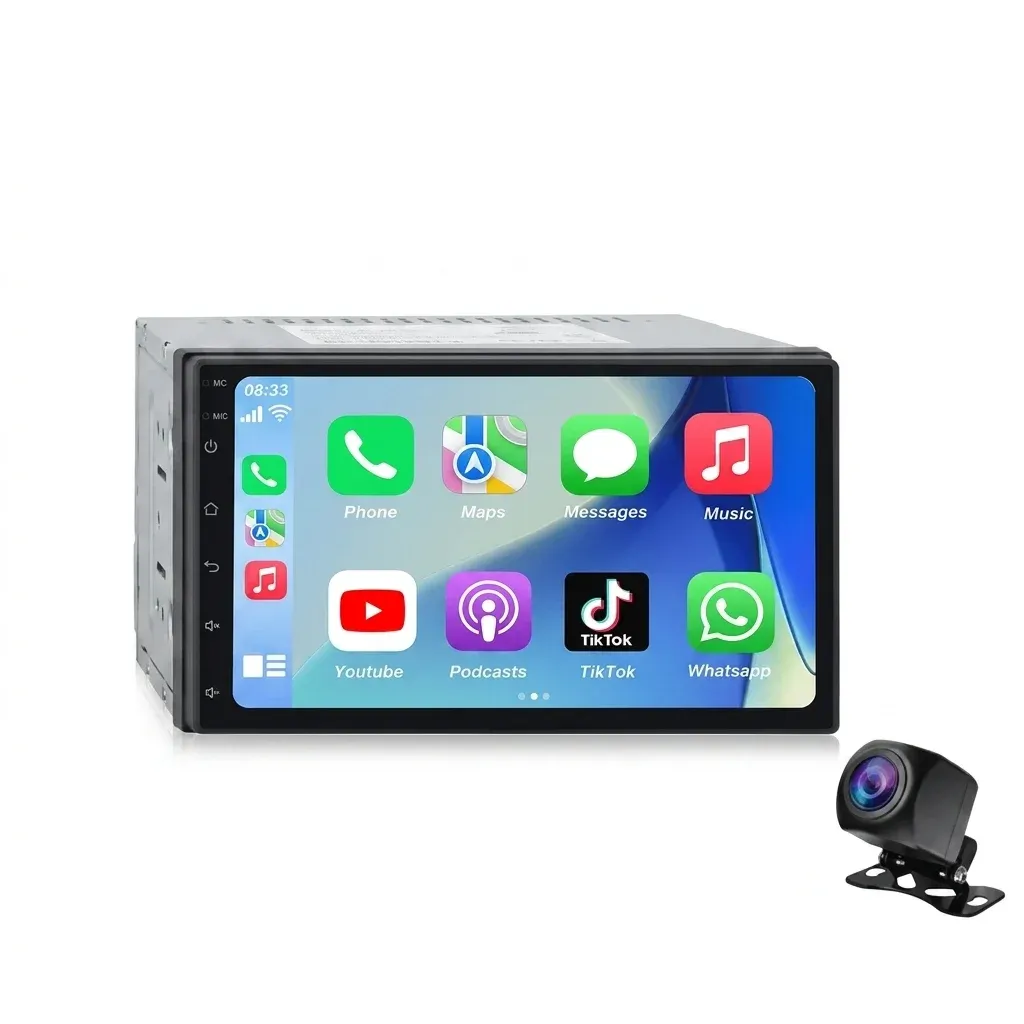
This head unit solves a common upgrade problem: factory radios that feel slow, dim, and disconnected from modern phone use. With Android 15, a 7-inch touchscreen, and a universal double-DIN layout, it turns a basic dash into a more flexible media hub without asking for a custom OEM system.
The appeal is not just the screen, but the way the unit combines navigation, media playback, and phone integration in one space-saving package. For drivers who want a cleaner cabin and fewer separate devices, that combination is the real value, so the next question is how the display and hardware hold up in daily use.
7-inch QLED display in a daily driving setup
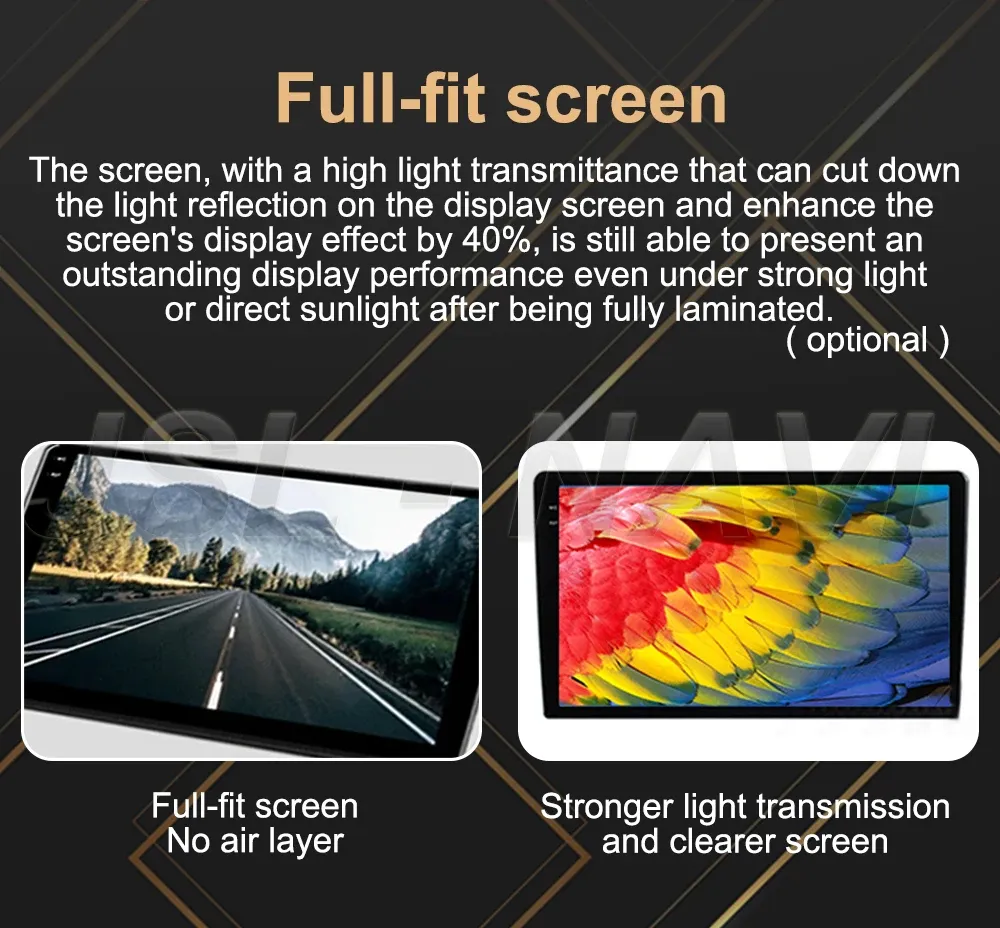
The 7-inch QLED panel with 1280 x 720 resolution should feel sharper than the low-cost resistive screens still common in this category. In practical terms, map text, album art, and menu icons are easier to read at a glance, which matters when the car is moving and you do not want to hunt through small touch targets.
Because the unit is a built-in screen rather than a clip-on accessory, it sits more naturally in the dash and gives the cabin a more integrated look. Users who left feedback mentioned a good frame fit and fast operation, which suggests the display and interface are tuned for everyday use rather than just spec-sheet appeal.
Android 15 and the hardware behind the interface
The Android platform is the biggest practical advantage here because it opens the door to navigation apps, streaming, media players, and other familiar tools. Depending on the configuration, RAM ranges from 2 GB to 8 GB and storage from 32 GB to 256 GB, so smoother multitasking and offline media storage are tied to the version you choose.
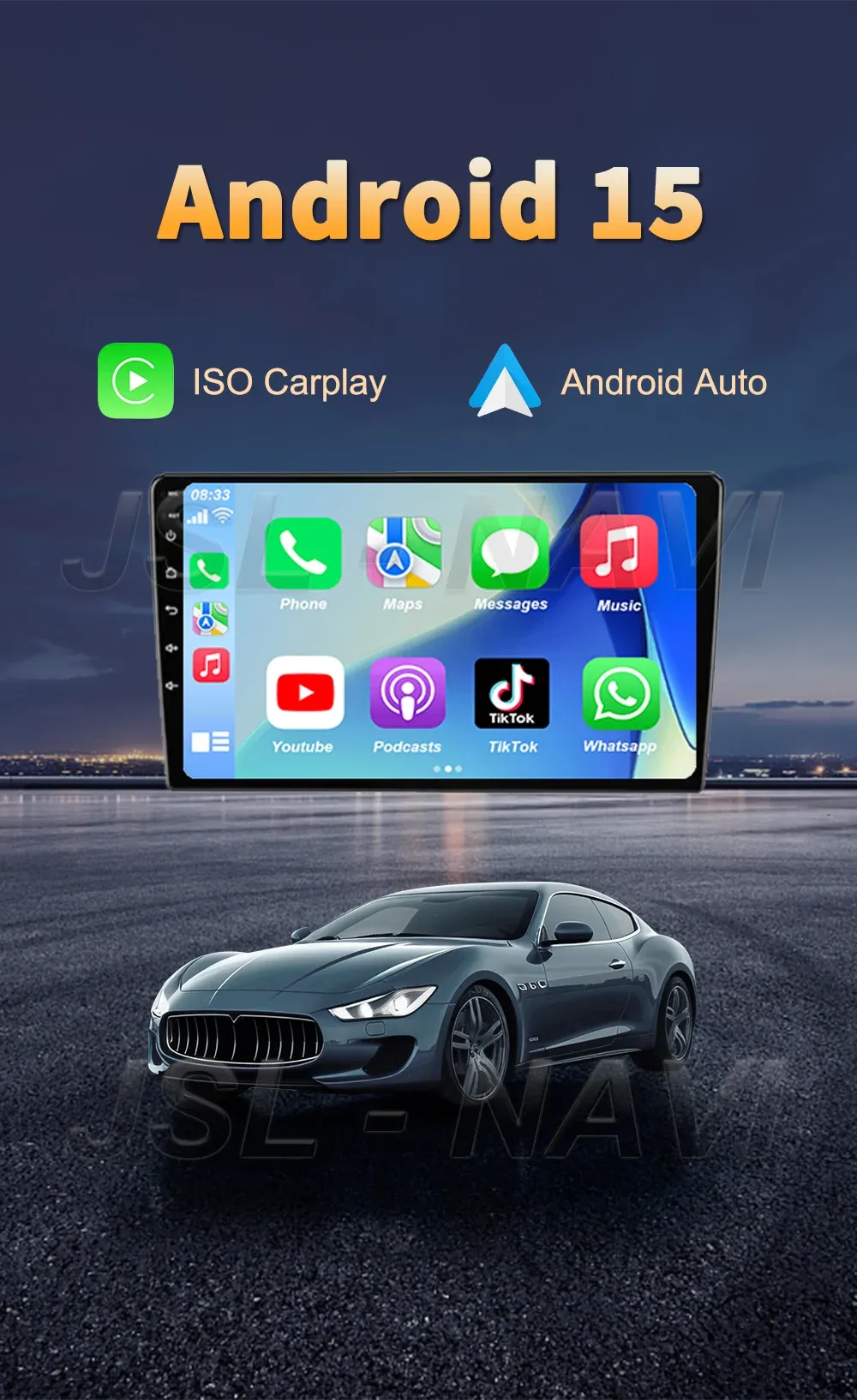
The listed chipsets and processor families vary, which is typical in this market, so buyers should treat the hardware tier as a configuration choice rather than a single fixed model. If you plan to run maps, music, and a dash camera feed-style workflow, the higher-memory versions are the safer pick, which leads into connectivity.
Wireless features that matter more than the spec list
Wi-Fi, 3G, and 4G support make this stereo more useful than a basic Bluetooth-only receiver, especially for drivers who want live traffic or cloud-based media access. Steering wheel control and CAN-bus support are also important because they help preserve factory-style convenience after installation.
That matters most in universal-fit cars, where the right interface can decide whether the upgrade feels seamless or awkward. The unit also supports a TF or microSD card up to 256 GB, so users can keep offline music and video ready even when mobile data is weak, which is a useful backup on long drives.
Media playback without the clutter of disc hardware
There is no built-in DVD or CD player, and that is actually consistent with how most modern in-car systems are used today. Instead, the unit focuses on MP4, MP3, WMA, JPEG, and Video CD playback, which covers the formats most owners still load from phones, cards, or USB storage.
For commuters and family vehicles, that means fewer moving parts and less mechanical noise inside the dash. It also keeps the unit lighter at 1.5 kg and simpler to package, while the FM/AM tuner with six presets still gives you a straightforward radio fallback when streaming is not the best option.
Installation fit and the small details that save time
As a universal double-DIN model, this stereo is aimed at a wide range of vehicles rather than one branded dashboard shape. The included accessories and the reports of correct cables in customer feedback are encouraging, because installation problems in this category usually come from missing harness pieces, not from the display itself.
The ABS housing should keep the unit light and practical during installation, while the CE and WEEE certifications add a basic layer of compliance confidence. If your vehicle already supports steering wheel buttons or CAN-bus communication, this model is positioned to preserve those functions instead of forcing a stripped-down setup, which is where many budget units fall short.
Who will get the most from it
This is a strong match for drivers who want a modern Android interface without moving into premium branded infotainment pricing. It is also a smart fit for older cars that still have a healthy dash opening but need a cleaner screen, better app support, and more flexible media options.
According to users, the fast operation and good accessory bundle are the standout positives, while the real decision point is configuration choice rather than basic concept. If you are comparing it with simpler 2-DIN radios, the extra software freedom is the reason to look here first, and the trade-offs are worth checking before installation.