












Reliable heart-rate data without the wrist guesswork
The XOSS X2 solves a common training problem: wrist sensors can drift when sweat, motion, or a tight grip changes the reading. A chest strap sits closer to the heart, so the signal is usually cleaner for interval work, indoor cycling, and steady endurance sessions.
That makes it a practical choice for riders and runners who want data they can trust on a bike computer or training app. XOSS has built a solid reputation in the AliExpress electronics niche by focusing on straightforward sports sensors that pair easily and keep the setup simple, so the real question is how well the X2 fits into daily training.
Bluetooth and ANT+ make it easy to use across devices
The dual protocol support is the X2’s biggest advantage because it can connect to phones, watches, bike computers, and fitness apps without forcing you into one ecosystem. Users report quick pairing with Garmin units, XOSS apps, and other compatible head units, which reduces the usual setup friction.
For cyclists, ANT+ is especially useful because it keeps the sensor visible to multiple devices in a stable way, while Bluetooth helps when you want a direct phone connection. If you train indoors and outdoors with different hardware, this flexibility matters more than flashy extras, and it is where the X2 earns its place.
30–240 bpm coverage for training, recovery, and sprints
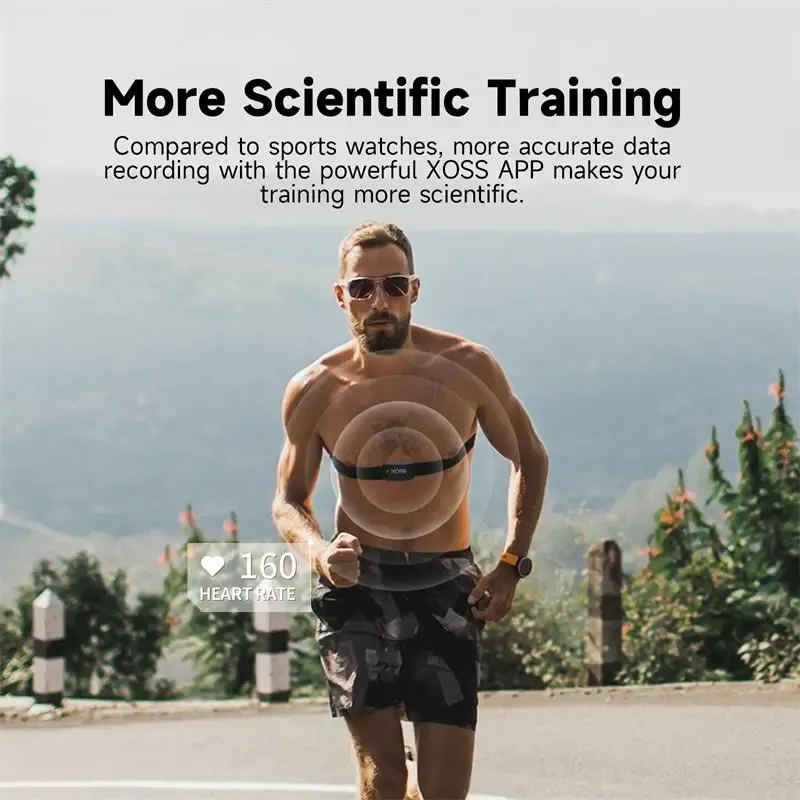
The stated heart-rate interval of 30–240 bpm covers everything from recovery rides to hard efforts, so the sensor is not limited to casual workouts. In practice, that range is broad enough for most amateur and fitness users, including runners who want to watch threshold changes and cyclists who track zone work.
The benefit is less about the number itself and more about consistency across effort changes, where chest straps usually outperform optical sensors. If your training includes intervals, the X2 is built for the moments when heart rate jumps fast and the display needs to keep up, so what does the strap feel like in motion?
Lightweight build with an IP67 rating
The device body weighs just 15 g, which helps it disappear once clipped onto the strap. Its compact 59 × 35 × 13.5 mm shape should sit close to the chest instead of bouncing around, and the IP67 rating gives useful protection against sweat, rain, and post-ride rinsing.
That does not make it a swim sensor, but it does suit hard sessions in humid weather or long rides where sweat builds up fast. The CR2032 coin battery is another practical touch because replacements are easy to source, and the low-power design keeps maintenance simple for regular training.
Comfort depends on strap fit, not just the sensor
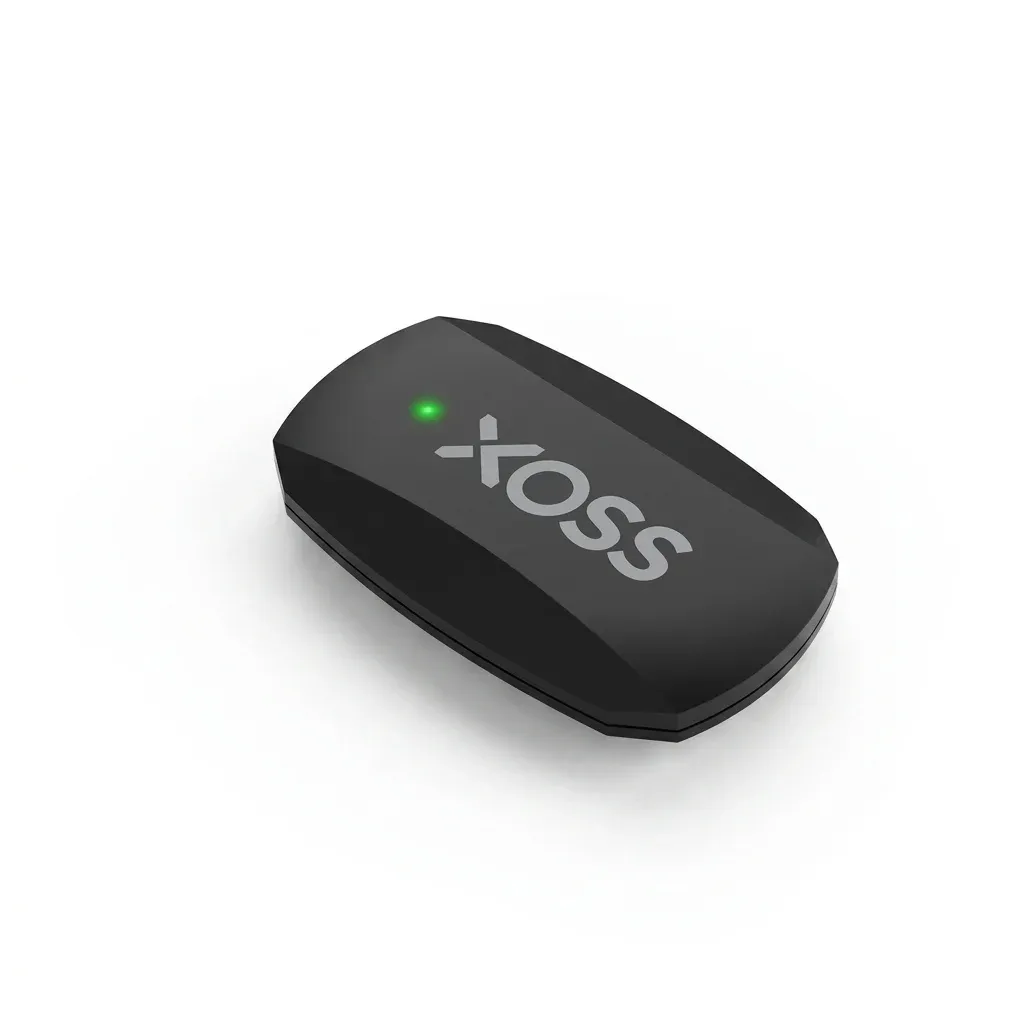
The included chest strap adjusts from 65 to 95 cm, which should cover most riders and runners, but chest straps always depend on correct placement. When worn snugly and slightly below the chest muscles, the sensor is more likely to stay stable and avoid dropouts during sprints or rough pavement.
Some customers mention that it connects quickly and works well with Garmin and XOSS apps, which matches the product’s core promise. The strap material is basic rather than premium, yet that tradeoff is understandable at this level because the X2 is clearly focused on signal quality and compatibility instead of luxury finishing.
Who will get the most from it
The X2 makes the most sense for cyclists, runners, and indoor training users who want dependable heart-rate numbers without moving to a more expensive premium strap. It is also a sensible backup sensor for riders who already own a main head unit and want a spare that handles ANT+ and Bluetooth in one body.
If your priority is simple pairing, broad compatibility, and a lightweight format, this sensor delivers the essentials cleanly. If you need advanced training analytics or a plush strap feel, you may want to compare it with higher-end options before deciding.