










XOSS brings a dependable entry point to ride data
XOSS has built a strong reputation in the AliExpress cycling niche by focusing on simple, affordable sensors and bike computers that work with mainstream apps and head units. That matters here because the brand’s value is not flashy hardware; it is straightforward compatibility and a setup that riders can actually use on the first ride.
This dual sensor kit follows that approach with a clean, no-nonsense design and broad wireless support. If you want cadence and speed tracking without moving into a more expensive computer ecosystem, this is the kind of accessory that makes sense, so how well does it fit real riding?
Speed and cadence tracking without clutter on the bars
The main advantage is that the sensors move the data collection off the handlebar and onto the bike itself. That leaves your cockpit cleaner while still giving you the numbers that matter for pacing, spin efficiency, and training consistency.
For riders using a phone app, a basic head unit, or a compatible cycling computer, the ANT+ and Bluetooth support makes pairing far easier than older single-protocol sensors. According to users, the connection to the XOSS app and compatible computers is stable once installed correctly, which is exactly what you want from a small sensor that should disappear into the ride, not interrupt it.
How the dual-sensor setup helps in practice
Speed and cadence are most useful when they are measured separately, because each one tells a different story about the ride. Speed helps with pacing and route comparison, while cadence shows how smoothly you are spinning the crank, which is especially useful on climbs or during indoor training.
This matters more than many riders expect, because cadence feedback can reveal inefficient gearing before fatigue sets in. If you are trying to ride with a steadier rhythm or keep your legs fresher on long days, a sensor like this gives you that feedback at a glance, so what should you know about installation?
Installation tip that prevents shoe contact
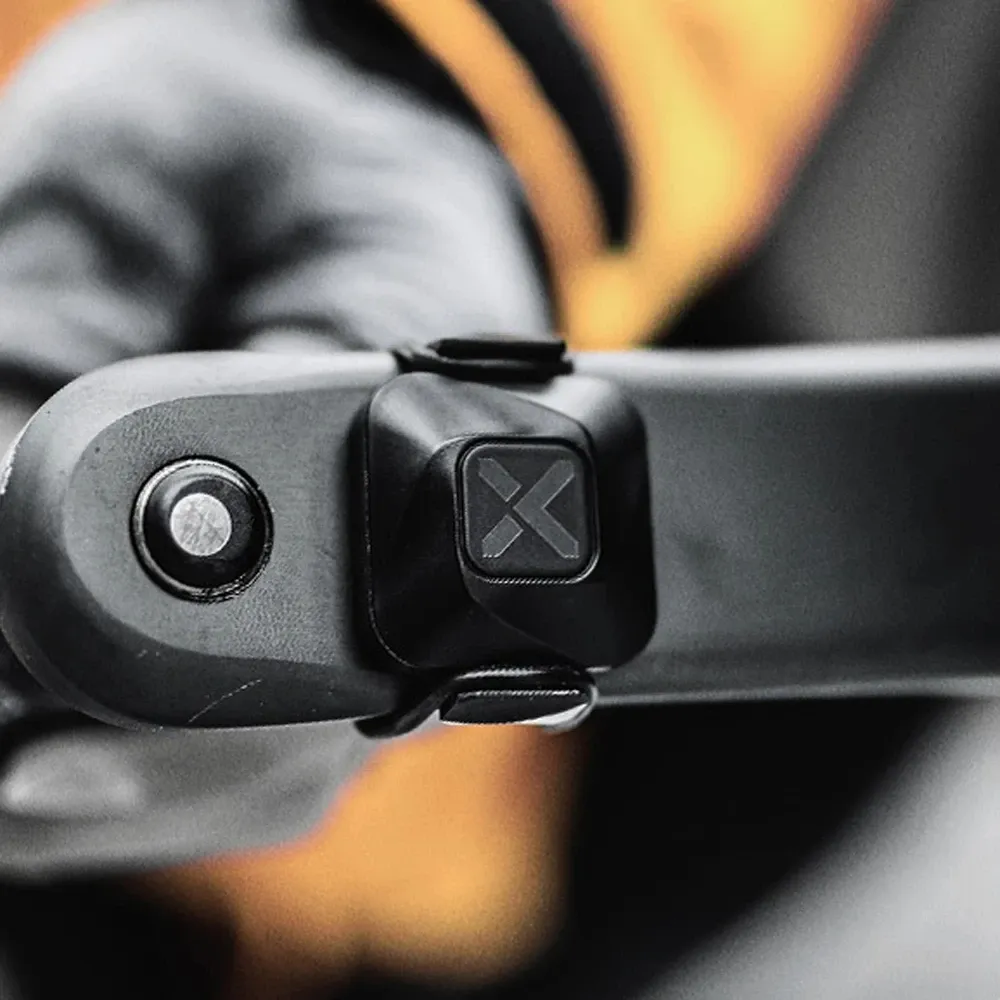
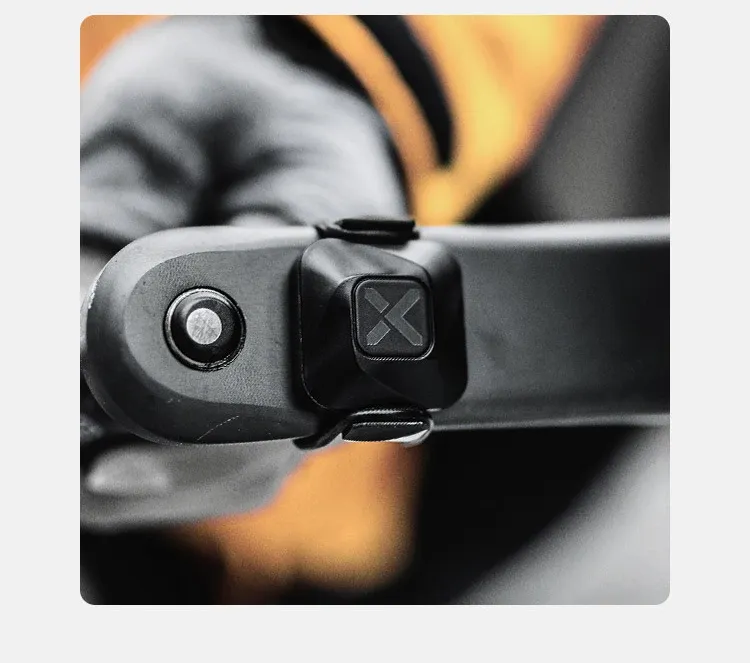
The real-world fit is the part worth paying attention to, especially on crank-mounted cadence sensors. Users note that placing the unit toward the inner side of the left crank helps avoid contact with cycling shoes and cleats, which is a small detail that can save a lot of irritation.
That tip also hints at the product’s strengths: it is small enough to stay out of the way, yet visible enough to mount securely inside the crank area. The plastic housing keeps weight low, and the compact body is better suited to tight MTB and road-bike clearances than bulky, all-in-one gadgets.
Best for riders who want data, not a display
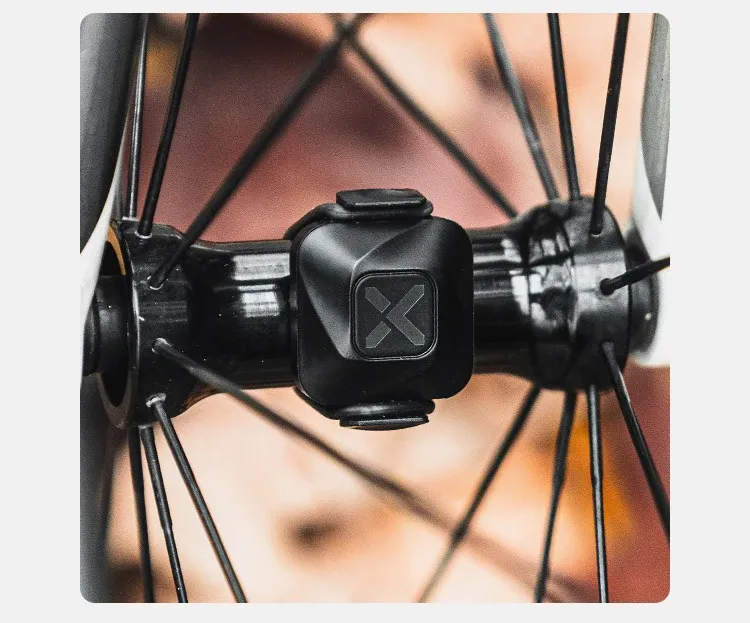
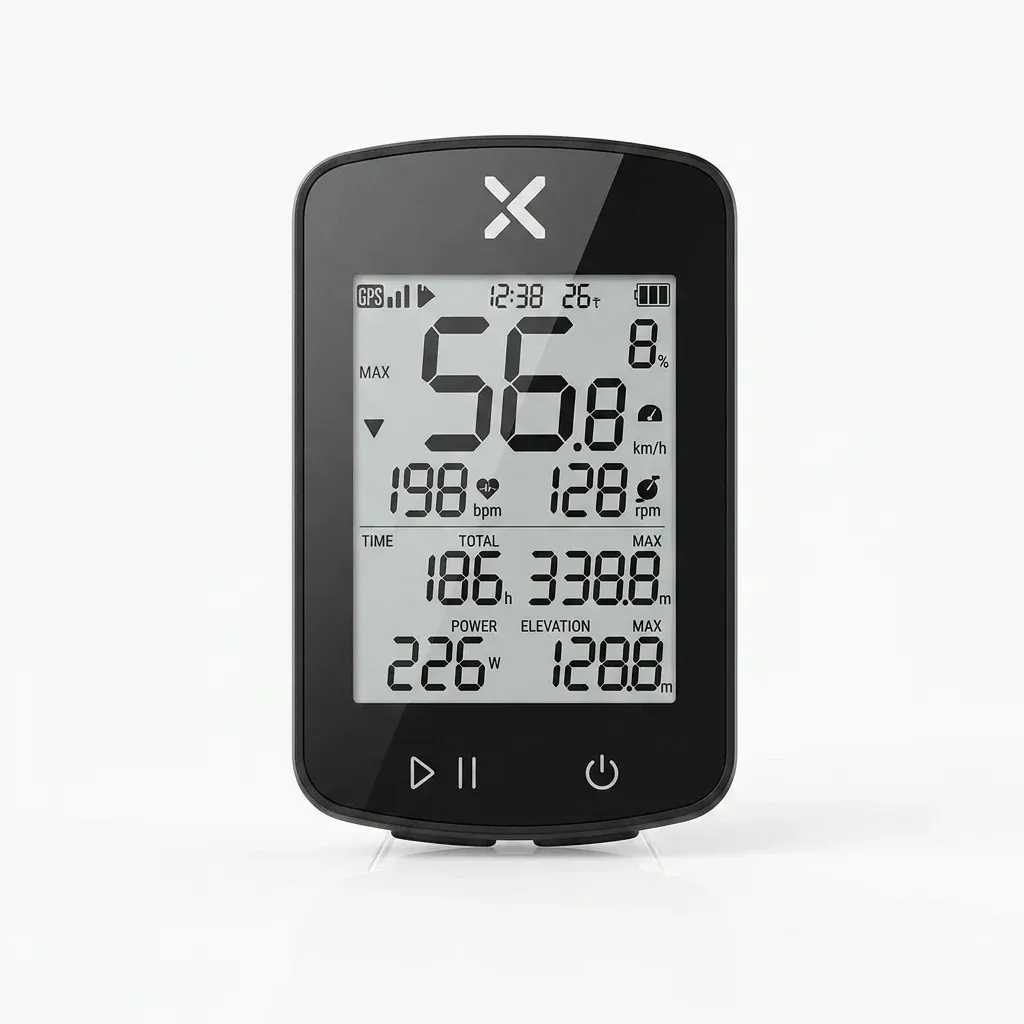
This kit is a smart match for riders who already use a phone, watch, or bike computer for the display side of training. It is less useful if you want a standalone screen, but that tradeoff keeps the price low and the setup simple.
At this level, the value is in dependable sensor output rather than premium finishing, and the current review data supports that view with a perfect average rating from early customers. For an inexpensive upgrade that adds measurable training insight, that is a strong signal, but what are the tradeoffs?
What you give up at this price
The housing is plastic, so this is not a ruggedized premium sensor built for years of abuse in the way higher-end kits can be. It is also not a feature-heavy bundle, so riders expecting advanced analytics, internal memory, or display functions will need a separate head unit or app.
Even so, the product is clearly aimed at the right use case: affordable cadence and speed tracking for everyday training. If your priority is clean installation, broad compatibility, and a low-friction way to track effort, the XOSS kit lands in a useful middle ground.