










Clear ride data without phone distractions
The BSC100S solves a simple problem: it gives you the numbers you want on the bars without turning your phone into a fragile dashboard. Riders who want speed, distance, and elapsed time in one glance will appreciate the clean black-and-white screen and the no-fuss wireless setup.
That approach fits the AliExpress GPS tracker and cycling computer niche well, where buyers often want core functions first and app dependency second. If you are comparing it with a phone mount, the difference is obvious as soon as the road gets rough, so what does the display actually feel like in use?
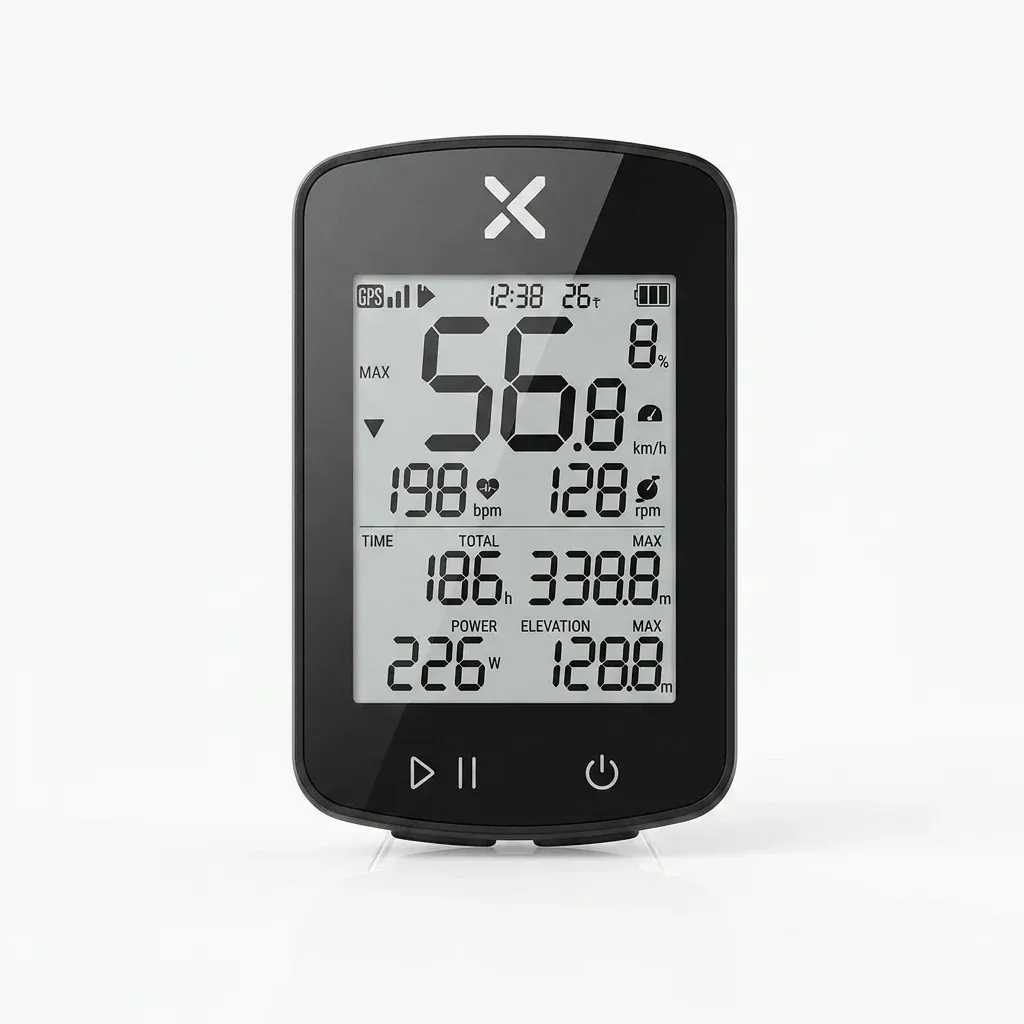
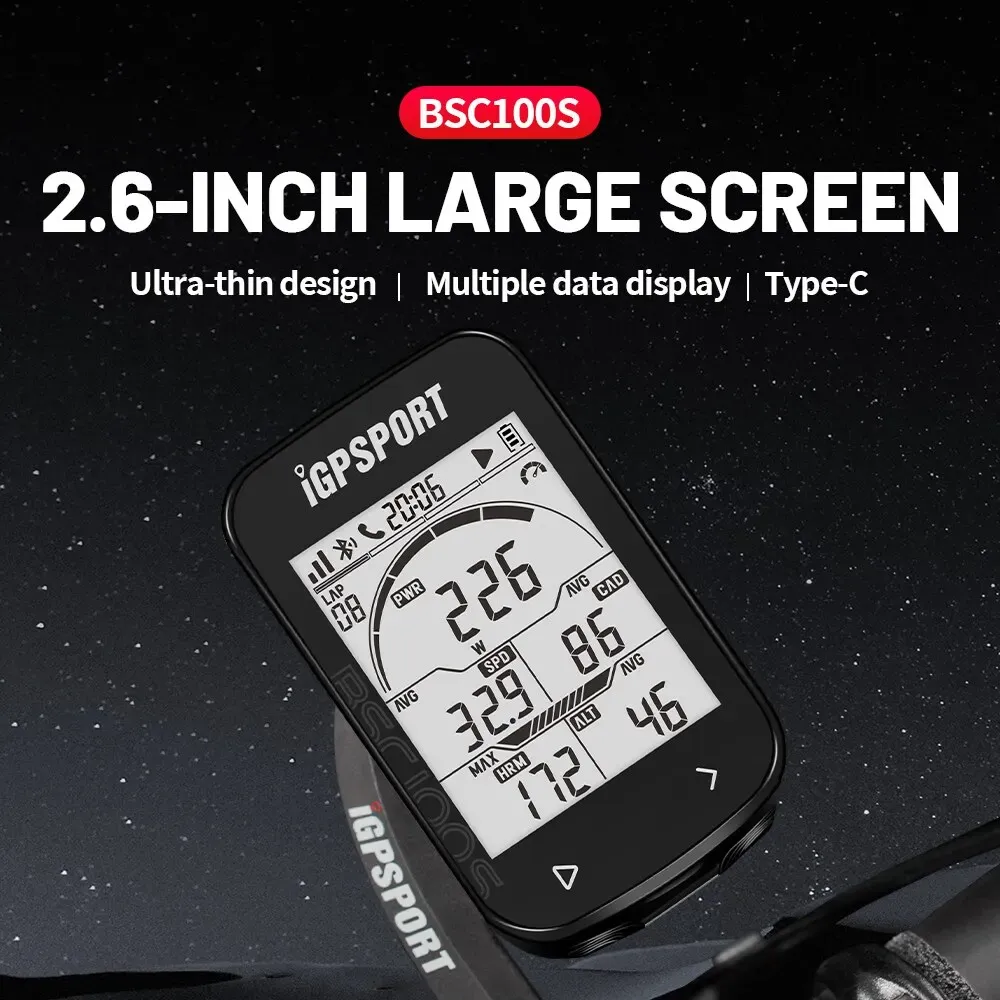
2.6-inch screen: small, but easy to read
The 2.6-inch display is not oversized, yet it is large enough to keep the key metrics legible while riding. The monochrome layout helps the digits stand out in bright daylight, which matters more than color effects when you are checking pace mid-ride.
Users often mention that the interface feels clear and comprehensive, and that matches the product’s purpose: fast reading, not entertainment. If you ride in changing light or glance down only for a second, the screen size becomes more useful than it sounds on paper, especially on longer routes.
Wireless sensor support keeps the cockpit cleaner
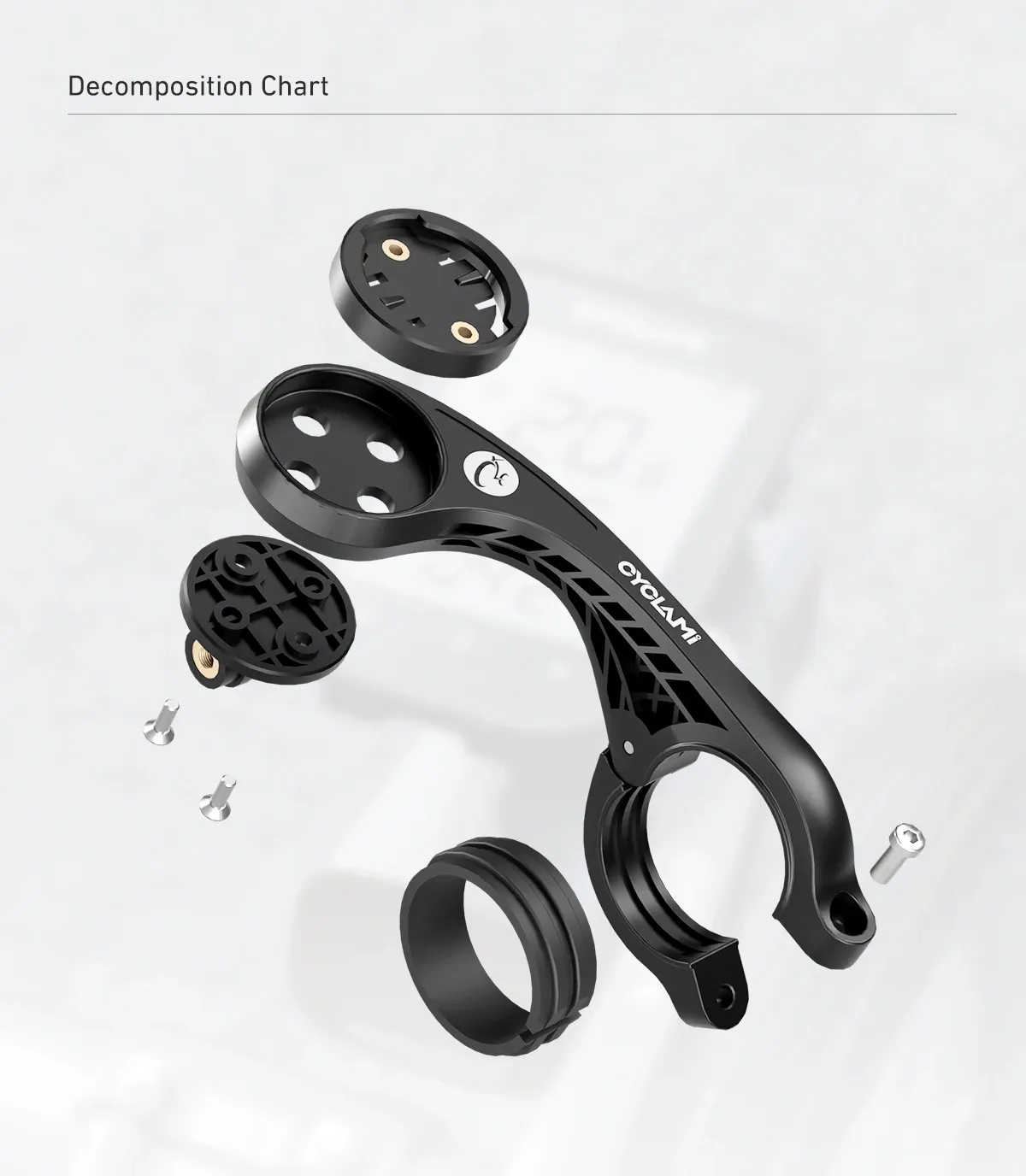
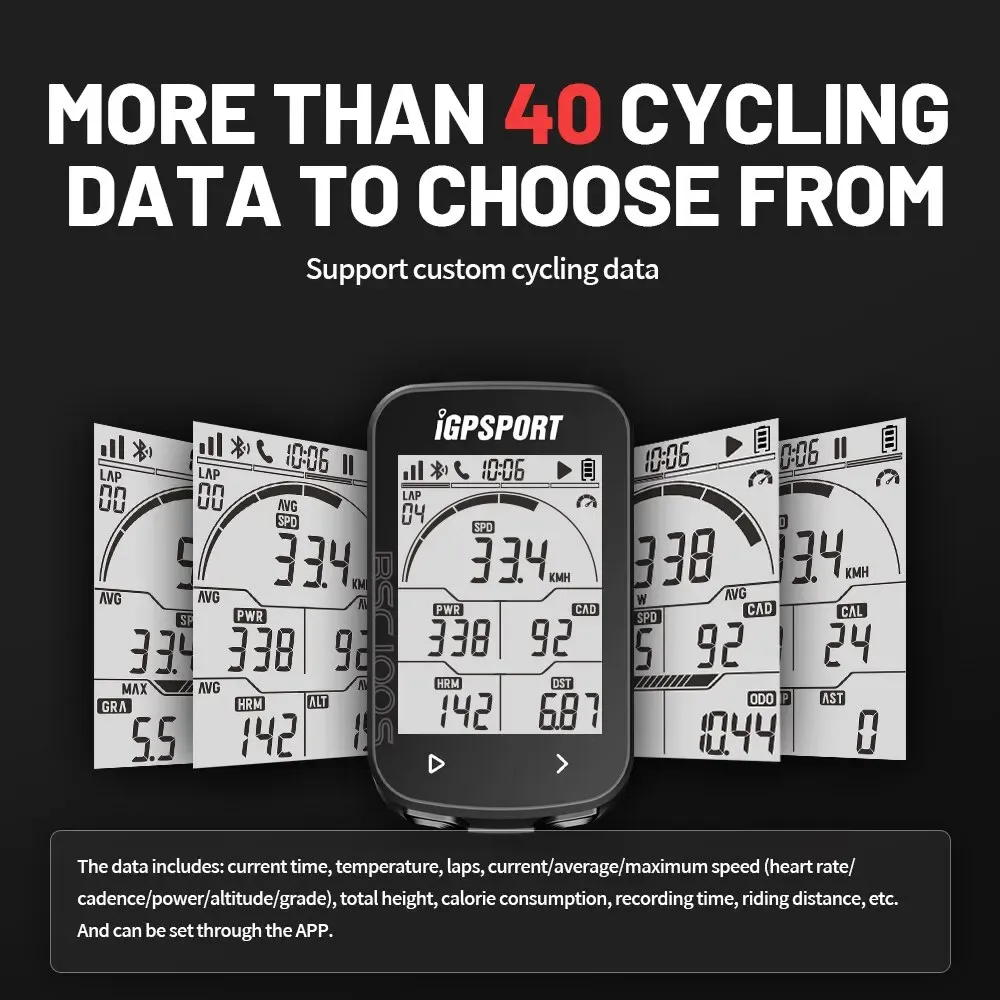
Because this model uses a wireless design and supports external devices, the handlebar setup stays neat and less cluttered than cable-based computers. That makes installation simpler on commuter bikes, gravel bikes, and training bikes where exposed wiring can snag or look messy.
Real customer feedback suggests Bluetooth pairing is a strong point, with quick synchronization to heart-rate and speed sensors. For riders who already use compatible accessories, the BSC100S can become the central readout instead of a separate, disconnected tool, which is where its value starts to show.
IPX7 protection for wet commutes and light rain
An IPX7 rating gives the unit a useful margin against rain and road spray, so you do not need to panic when the weather turns. That is a practical advantage for commuters and weekend riders who want a computer that can stay mounted through unpredictable conditions.
One user report described a 35 km ride in light rain with normal operation, which lines up with the kind of protection an IPX7 device should offer. It is not a deep-water device, though, so the real question is how far its battery and charging convenience stretch on regular use?
Type-C charging and everyday range planning
Type-C charging is a small detail that changes the ownership experience, because it reduces cable hunting and makes topping up easier with the same charger used for many modern devices. For riders who log several sessions a week, that convenience matters more than flashy extras.
The product is not built around navigation or touch controls, so the battery and operating simplicity are the main story rather than a long feature list. According to users, autonomy is one of its better traits, which makes it a sensible fit for riders who want a dependable ride computer without a steep learning curve.
Who gets the most from the BSC100S
This model suits cyclists who care about route metrics, training basics, and a tidy handlebar setup more than full GPS mapping. It is also a good match for riders who want a straightforward computer that can pair with sensors and stay readable without constant menu diving.
In practice, that means commuters, fitness riders, and entry-level training users will likely get more value here than riders chasing advanced navigation. If your priority is reliable ride data in a compact format, the BSC100S lands in a very practical sweet spot.