










XOSS’s reputation in budget cycling tech
XOSS has built a solid name in the AliExpress cycling niche by focusing on practical ride data instead of flashy extras. The brand is known for pairing simple hardware with app-based tracking, which makes its devices appealing to riders who want a dependable setup at a modest cost.
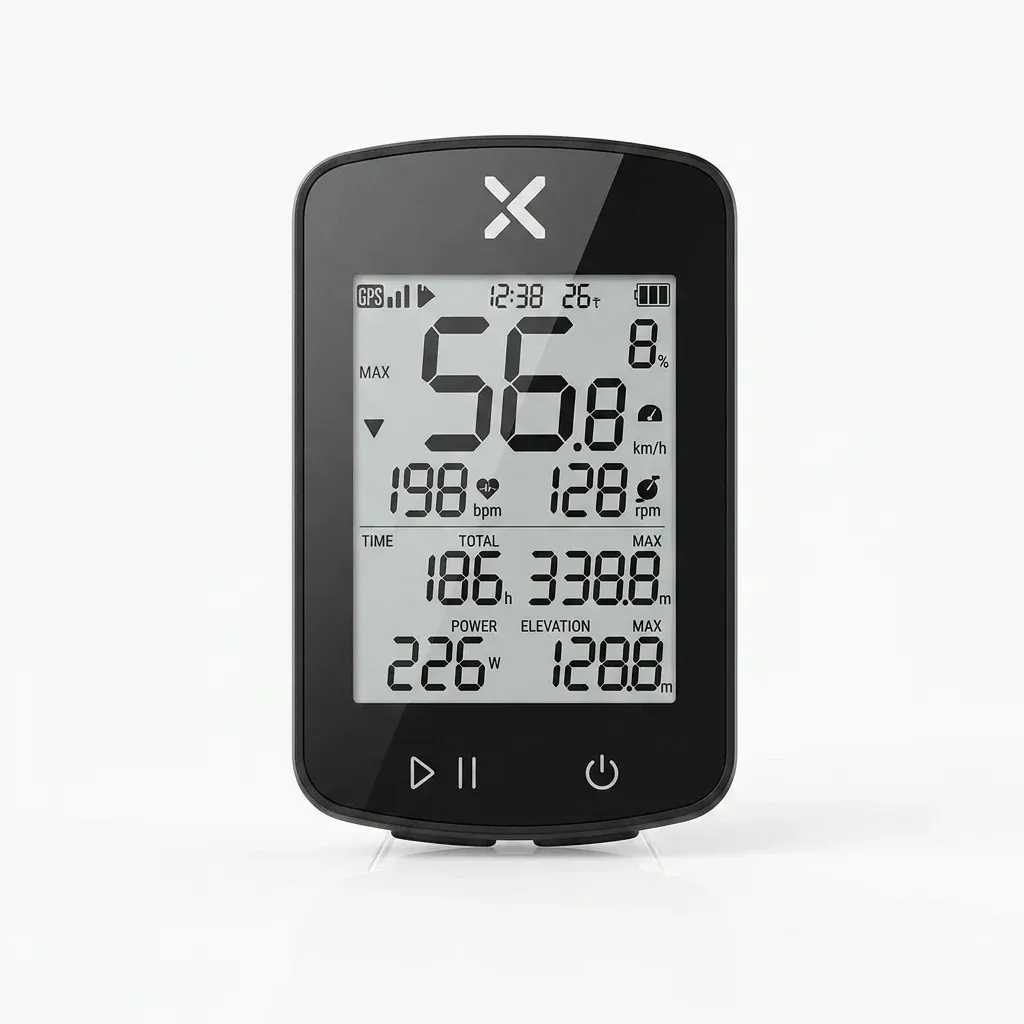
The G2/G2 Plus follows that formula closely, and the result is a computer that feels purpose-built for training, commuting, and weekend mileage. It is the kind of unit that should make sense to riders who want GPS speed, cadence support, and route logging in one compact body, so how does that translate on the bars?
2.2-inch monochrome screen: easy to read, easy to live with
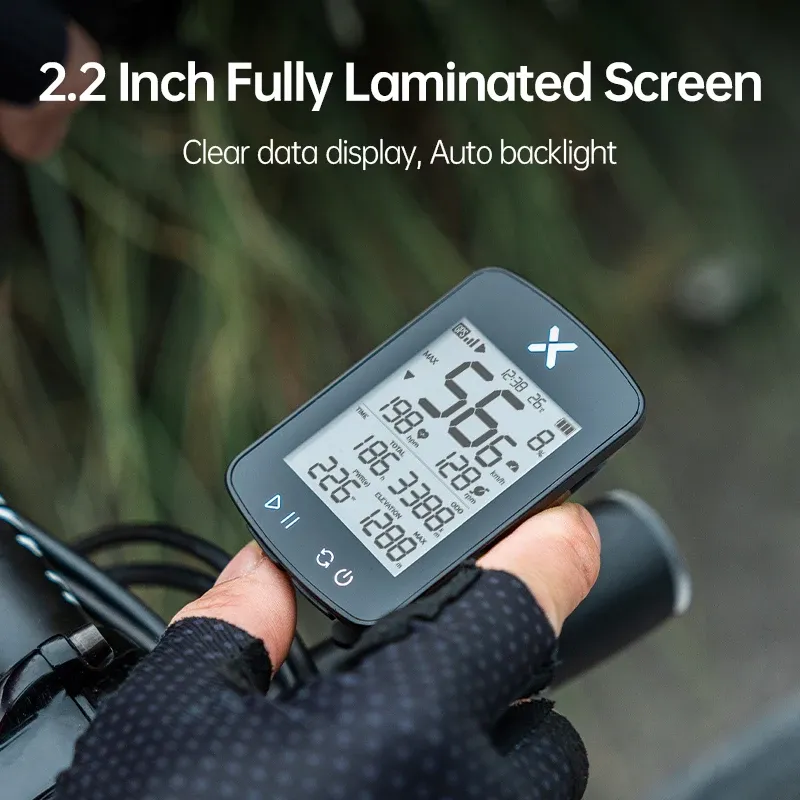
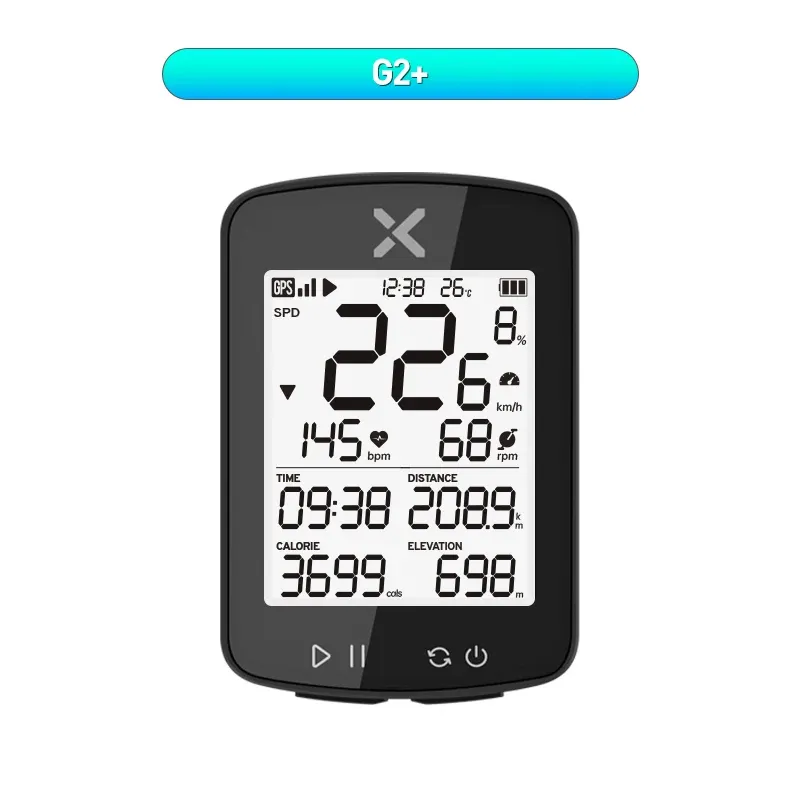
The 2.2-inch black-and-white display is the right choice for a bike computer at this level because it keeps information legible in bright daylight without draining the battery with color graphics. The interface is also less distracting than full-map units, which helps when you only need speed, distance, time, and sensor data at a glance.
Users note that the screen is readable and the text is clear enough for quick checks during a ride, though the smaller font may not suit riders who prefer oversized numbers. That trade-off is common in compact GPS computers, and it becomes more noticeable once you start comparing it with larger premium head units.
GPS tracking and sensor support for real-world riding
This model is designed to work with external devices through ANT+, which gives it a stronger case for riders using cadence or speed sensors on road bikes and MTBs. In practice, that means you can build a cleaner training setup without relying only on phone apps or a watch mounted to the stem.
Customer feedback suggests the GPS lock is solid once the unit settles, with some riders reporting a faster signal acquisition after the first use. One useful detail is that the computer can function even near buildings or windows, which hints at a receiver that is good enough for urban rides and pre-ride checks.
IPX7 protection and Type-C charging for daily use
IPX7 water resistance makes this computer better suited to wet commutes, sweaty summer sessions, and unexpected rain than many entry-level wired units. It is not a dive device, but it should handle the kind of weather abuse that usually ends a ride computer’s day early.
The Type-C charging port is a practical upgrade because it matches the cable standard most riders already carry for phones and accessories. Automatic sleep helps conserve power between rides, so the device is less likely to be flat when you roll out for the next session, which matters more than it sounds on a busy training week.
What the G2 Plus does well on the bike
The strongest part of this unit is its balance of simplicity and function, especially for riders who want speed, cadence, and route data without a complicated menu system. It is also light enough to disappear on the handlebar, which keeps the cockpit clean on both road and MTB setups.
Based on user feedback, the overall experience is shaped by reliability rather than headline features, and that is exactly why it stands out in this price band. If you want a compact computer that behaves like a focused training tool instead of a miniature smartphone, this is where the G2 Plus starts to make sense.
Where it asks for compromise
The lack of navigation and a touch screen keeps the interface straightforward, but it also means this is not the right choice for riders who want turn-by-turn guidance. The display is functional rather than luxurious, so it will not give you the visual richness of higher-end GPS units with color maps.
Some users also point out that the initial GPS fix can take a little patience and that the screen text may feel small in motion. Those are manageable limitations if you care more about clean ride metrics than about a premium cockpit experience, and that is the key decision point here.
Best fit for riders who want straightforward data
The G2/G2 Plus is most compelling for cyclists who want a wireless computer that tracks the essentials, pairs with sensors, and survives real weather without much fuss. It fits especially well on road bikes, commuter bikes, and entry-level MTB setups where dependable numbers matter more than advanced mapping.
For readers browsing AliExpress United States, this is a strong example of how a low-cost cycling computer can still feel serious when the feature set is focused. The value is not in extras you may never use, but in getting the core ride metrics right every time, and that is why riders keep returning to it.