











Clear ride data without crowding the handlebars
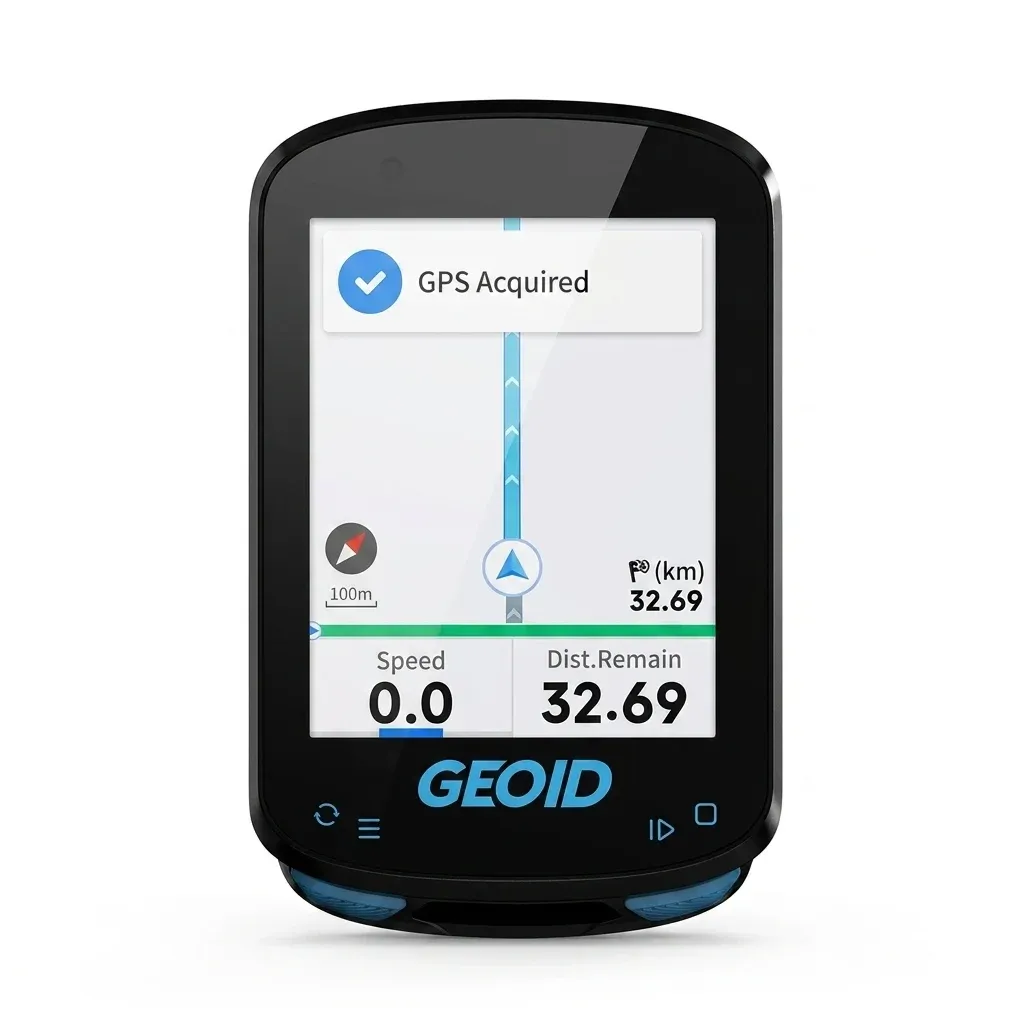
The GEOID CC600 solves a familiar problem for cyclists who want navigation and training data in one place without adding clutter to the cockpit. Its 2.4-inch full-laminated color screen keeps speed, route prompts, and ride metrics visible at a glance, which is exactly what matters when you are moving fast.
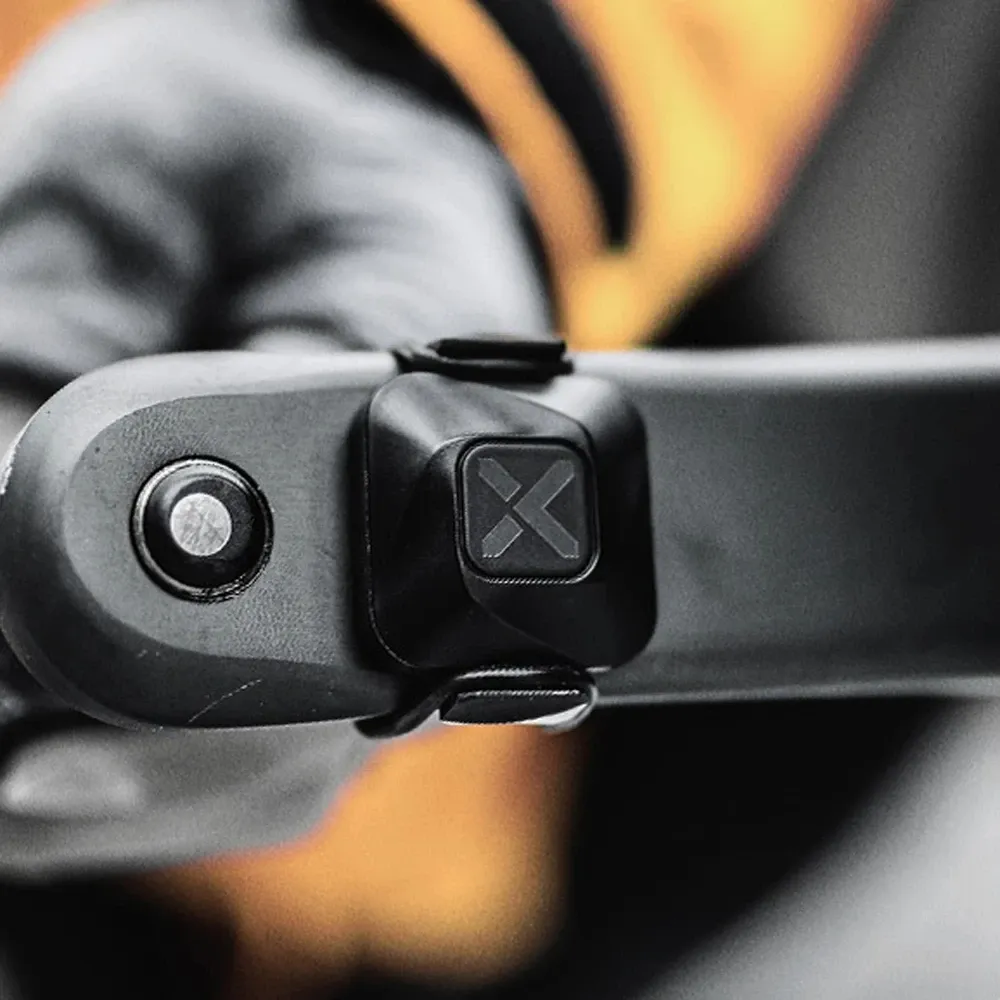
At 74 grams and 78 x 48 x 17.5 mm, it stays compact enough for road bikes, gravel setups, and commuter builds. The three-button layout keeps operation simple, so you are not fighting a touch layer when gloves, rain, or vibration make precision harder, and that practical design choice becomes more important once the route gets rough.
Color navigation that is easier to read at speed
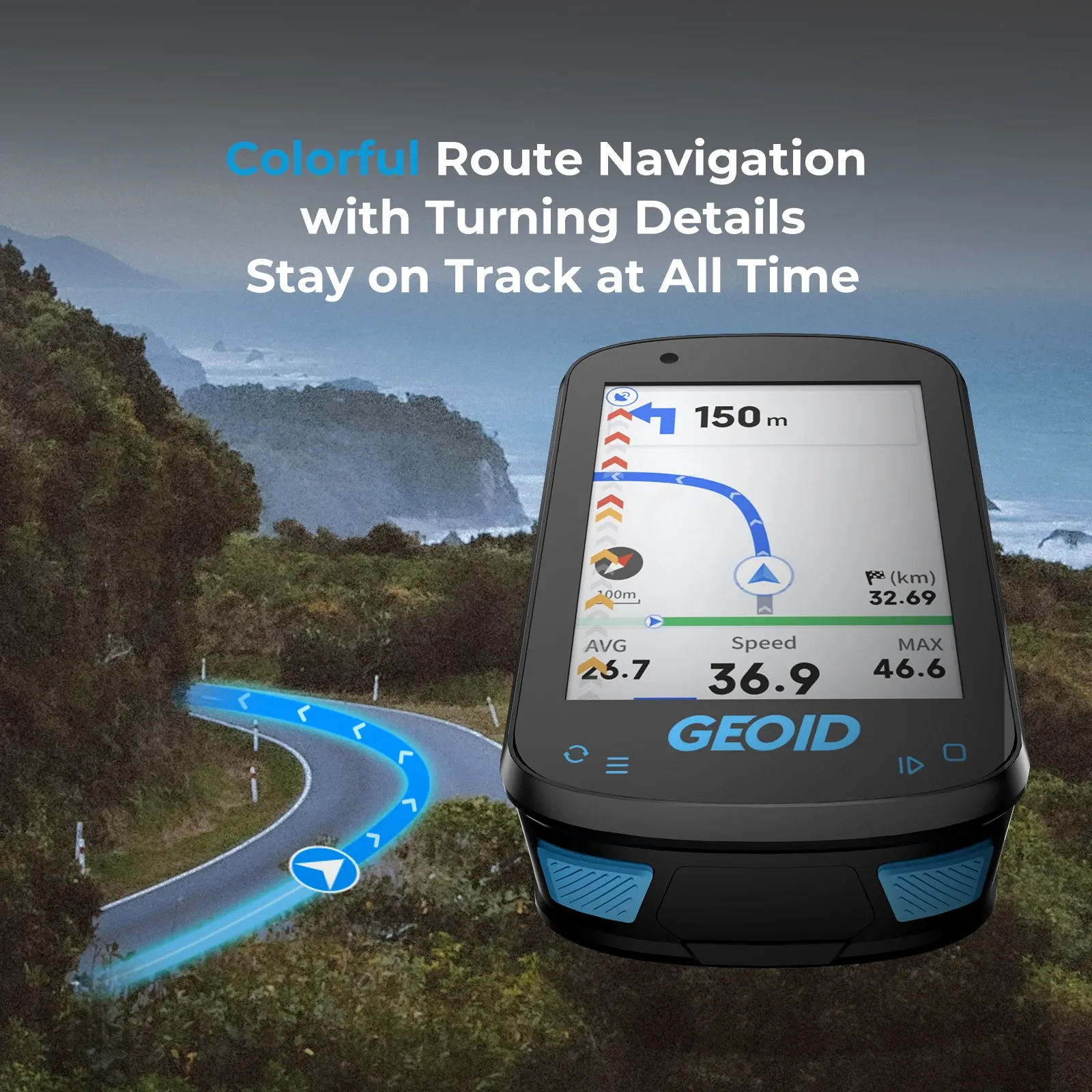
The navigation system is one of the strongest reasons to consider this model. Support for BeiDou, GPS, GLONASS, QZSS, and Galileo gives it a broad satellite base, while the color route display makes turns easier to interpret than on basic monochrome units.
Users commonly praise the quick GPS lock and the clean screen layout, though some note that direct sunlight can reduce readability. That tradeoff is typical in this class, so riders who spend a lot of time under harsh midday light may want to position the unit carefully on the stem or consider a shade-friendly mount angle.
Training features that matter beyond speed and distance
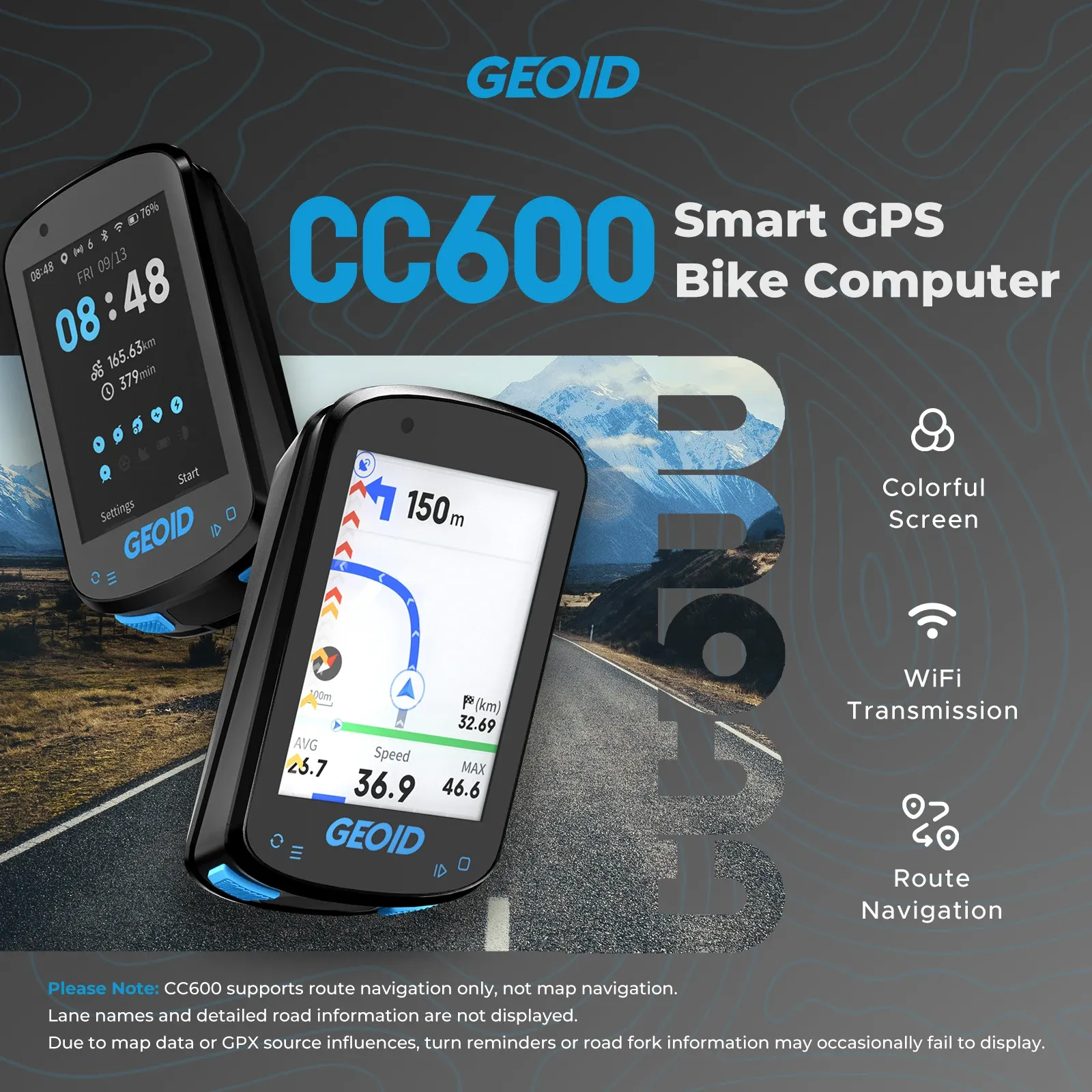
The CC600 supports 108 data items across 14 categories and stores up to 100 hours of ride data, which gives it room for structured training rather than just casual tracking. Auto-pause, automatic sleep, and external device support make it more useful for interval sessions, group rides, and long weekend efforts where you want the computer to do the bookkeeping.
ANT+, WiFi, and Bluetooth compatibility also widen the setup options for heart-rate straps, cadence sensors, and other external devices. Data export to STRAVA and TrainingPeaks is a real advantage for riders who already track fitness progression in those platforms, and it helps the unit fit into an existing training workflow instead of creating a new one.
Battery life and weather resistance for real riding conditions
Battery life is rated at 17 hours in daily mode and up to 24 hours in extended mode, which is enough for most riders to get through a week of commuting or a long endurance day. The Type-C charging port is a welcome convenience because it reduces cable friction and makes charging easier from the same accessories used for phones and lights.
With IPX7 waterproofing, the unit is designed to handle heavy rain, spray, and wet roadside conditions without demanding special treatment. Customers often mention solid construction and good overall value, and that combination matters because a bike computer earns trust by staying readable and responsive when the weather turns, not just on indoor trainer days.
Where it fits better than simpler bike computers
Compared with entry-level cycling computers that only show speed and distance, the CC600 feels aimed at riders who actually use navigation and sensor data. It is less about minimalism and more about getting a usable color interface, route guidance, and a broader feature set at a price that stays accessible in the AliExpress electronics segment.
The main compromise is that the app and map behavior can feel less polished than premium-brand units, and off-course navigation is not as forgiving as some users expect. If your rides are mostly structured routes, that is manageable; if you frequently improvise mid-ride, this is the detail that deserves attention before you mount it and head out.
What to expect on the road
- Fast, readable access to speed, route, and training metrics
- Color navigation that is easier to scan than basic black-and-white displays
- Broad sensor support for more serious training setups
- Rain-ready build with IPX7 protection
- Compact body that does not dominate the cockpit