













Turns vehicle power into real household power
This inverter solves a simple problem: when you are away from grid electricity, most devices still expect a standard wall outlet. With 2000W continuous output and 12V to 110V conversion, it gives you a portable AC source for tools, small appliances, and travel gear.
That makes it more useful than a basic USB power bank or a low-watt inverter, especially when you need to run equipment with a real startup load. The appeal is not just raw wattage, but the freedom to treat a truck, RV, or battery bank like a compact power station, so what does that mean in daily use?
Three outlets make multi-device setups easier
The three AC outlets are the feature that changes how you use it in the field. Instead of swapping plugs between a laptop, charger, and light, you can keep a small camp or work setup running with fewer interruptions.
For AliExpress shoppers comparing portable inverters, this is a practical advantage over single-outlet models that feel cramped once you start using them for more than one device. It is especially helpful for road trips and mobile workstations, where cable clutter and constant replugging quickly become annoying, so the layout matters more than it first appears.
What the 2000W rating means for real equipment
A 2000W inverter sits in the range where it can handle more demanding gear than phone chargers and LED lamps. According to the product description, the surge capacity reaches 4600W, which helps equipment with brief startup spikes, such as refrigerators or certain power tools, get moving without immediate shutdown.
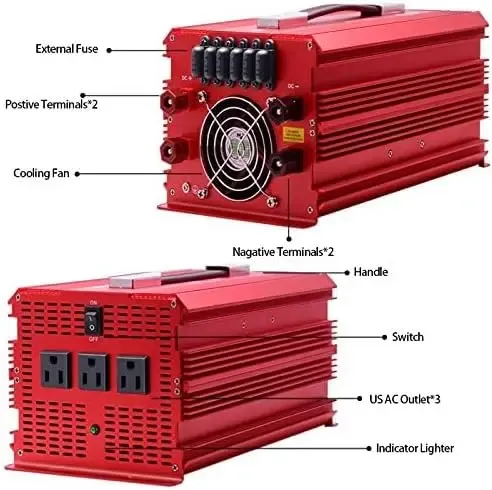
That said, the useful wattage still depends on your battery, wiring, and cable quality, not just the inverter label. Users who plan to run high-draw devices should think in terms of system design rather than one box alone, and that is where the included cables and fuse set start to matter.
Protection features that reduce field risk
The built-in safety package covers overload, over-voltage, under-voltage, short circuit, and overheating, which is exactly what you want in a vehicle-mounted power device. LED status lights and an audible alarm give quick feedback, so you can catch a fault before it becomes a dead battery or a tripped setup.
ETL listing is another useful signal for shoppers who want a more accountable electronics purchase than a no-name inverter with vague claims. It does not eliminate the need for correct installation, but it does suggest the product is aimed at safer everyday use rather than bare-minimum specs, and that distinction is worth noticing.
Aluminum housing helps it stay usable in harsh conditions
The aluminum shell is not just about looks; it helps the unit shed heat during longer sessions. That is important for camping and job-site use, where airflow can be limited and equipment often runs in warm, dusty environments.
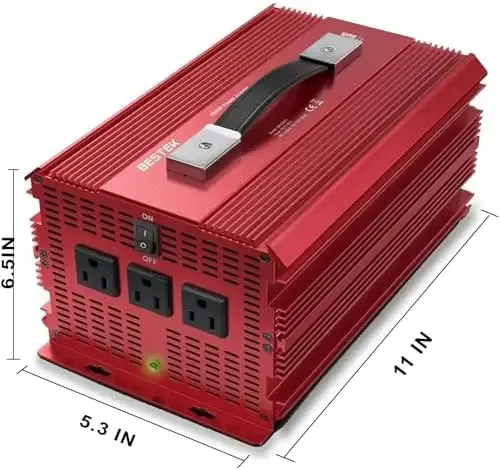
At 9.6 pounds, it is not ultralight, but it remains portable enough to move between a vehicle, garage, and campsite without feeling like permanent installation hardware. The size also suggests a balance between transportability and thermal management, which is a smarter compromise than chasing the smallest possible enclosure, wouldn’t you agree?
Accessory kit and installation value
The included battery terminal cables and spare 50A fuses make the package more complete than many bare inverter listings. Those extras reduce the chance that you get the unit and then have to search for the right connection parts before it can be used safely.
For customers building an emergency backup or RV power station, that matters because setup delays often come from missing small components, not the inverter itself. The 18-month warranty also adds a layer of confidence, and according to users, that kind of support is often what separates a usable off-grid tool from a risky one.
Who gets the most from it
This inverter makes the most sense for campers, RV owners, mobile workers, and drivers who want a serious AC supply from a 12V source. It is less compelling for casual phone charging, where a smaller and cheaper converter would be easier to live with.
If your gear list includes appliances, power tools, or a compact emergency backup plan, the feature set is aligned with real-world use rather than novelty. The key question is not whether it can convert power, but whether your battery system can support the load it is built to deliver.