













One hub solves the protocol mismatch in mixed smart homes
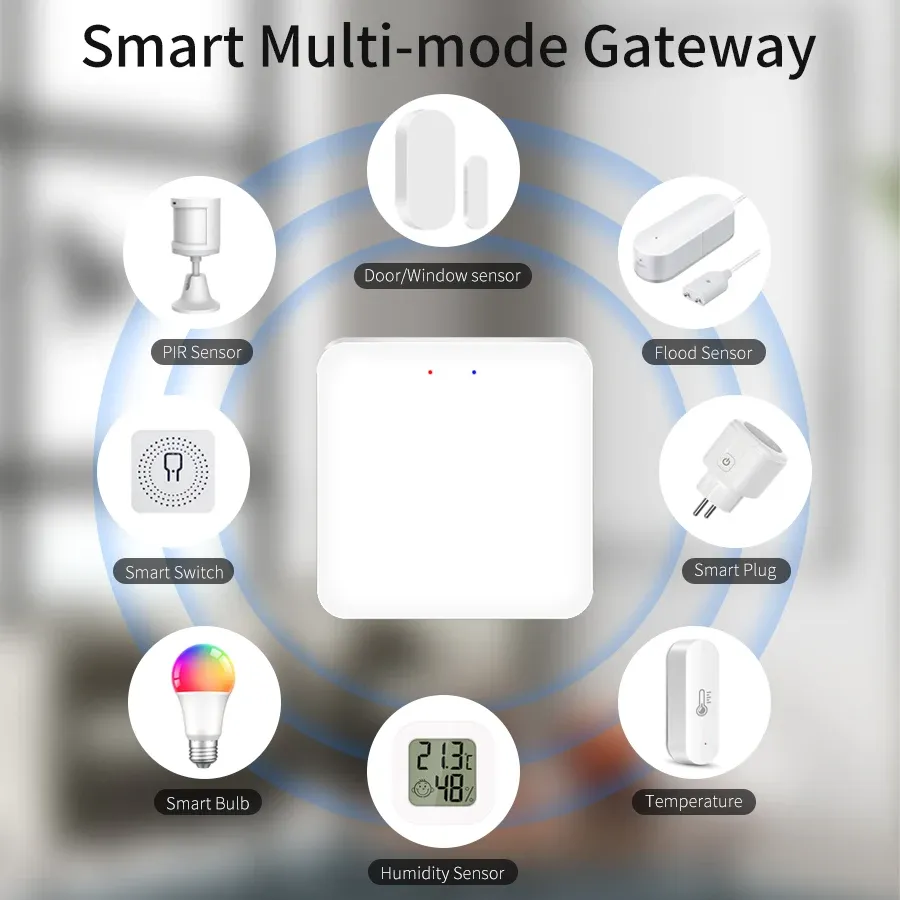
This gateway is aimed at a common smart-home problem: Bluetooth devices, Zigbee sensors, and app-based routines often live in separate ecosystems. With a multi-mode bridge, Tuya and Smart Life users can keep those devices under one control layer instead of juggling multiple hubs.
The appeal is practical rather than flashy, especially for apartments and starter kits where every extra box adds clutter. At this level, the real question is not whether it looks premium, but whether it connects fast and stays stable once routines start running.
Zigbee and Bluetooth together, without forcing a compromise
The strongest point here is protocol flexibility. The listing makes an important distinction: a Bluetooth-only gateway cannot handle Zigbee products, while this multi-mode version is meant for both, which matters if you plan to mix motion sensors, switches, and Bluetooth accessories.
That distinction is easy to miss, and several customer comments reflect it: users who chose the right version report smooth pairing, while the wrong variant led to disappointment. For anyone building a broader Tuya system, this is the detail that decides whether the setup feels seamless or fragmented.
Tuya Smart Life control feels straightforward in daily use
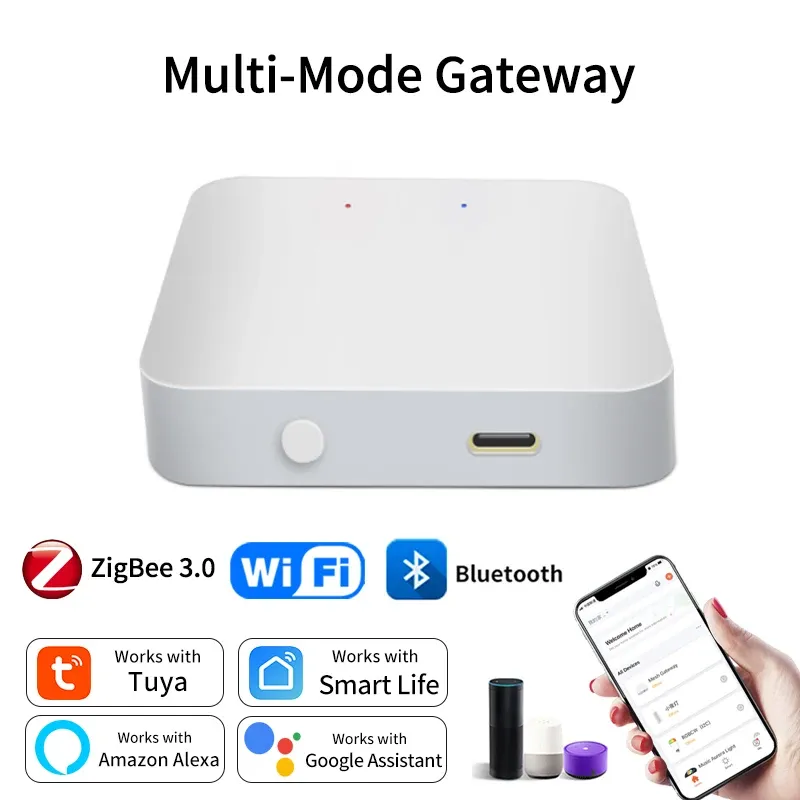
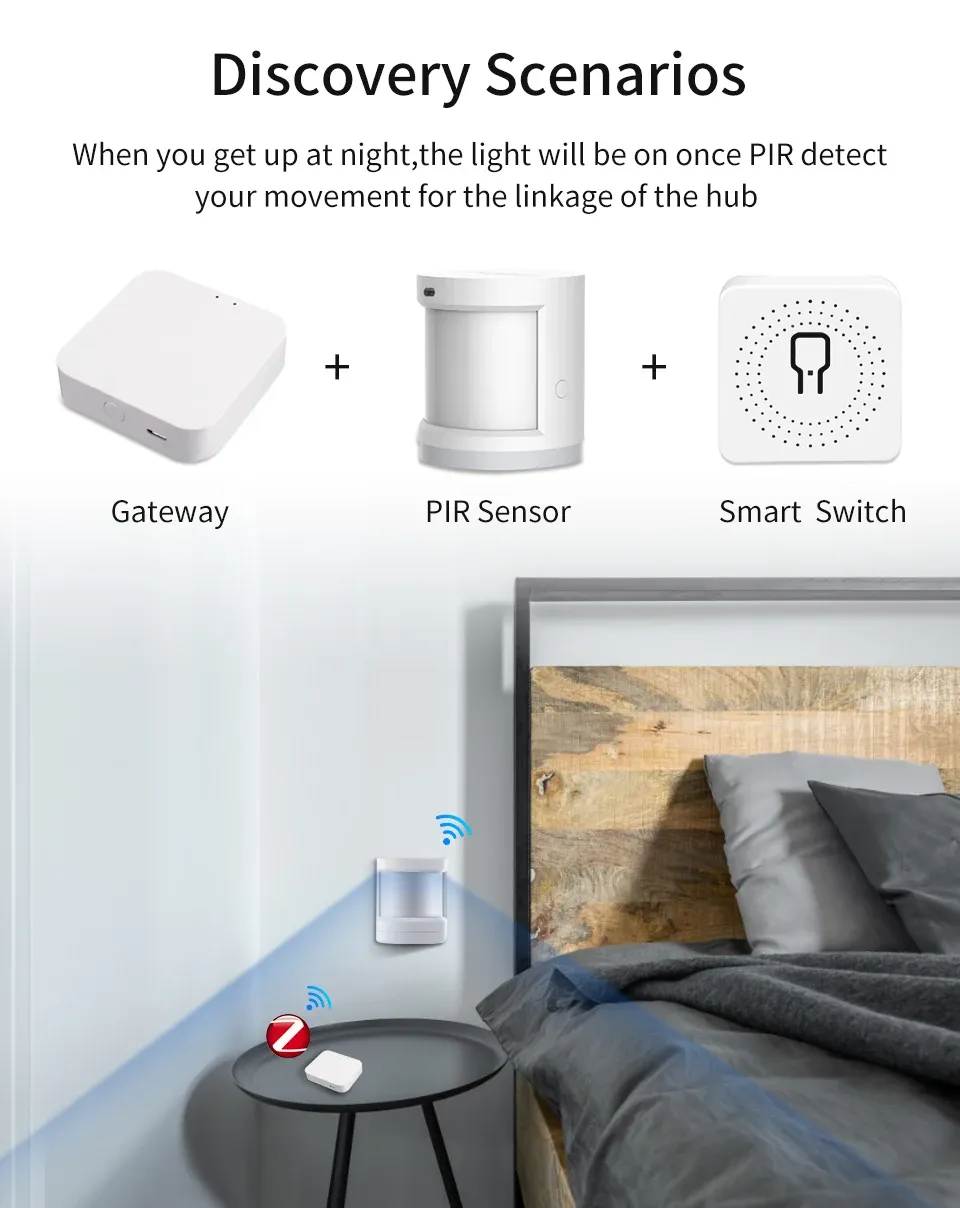
According to users, the hub integrates quickly with the Tuya Smart Life app and begins discovering devices with little friction. Once connected, it becomes the coordination point for scenes and automations, so lights, sensors, and triggers can react without constant manual input.
That matters because smart-home convenience is less about isolated devices and more about how reliably they work together. A hub that recognizes devices quickly and keeps rules active locally gives the system a more dependable feel, which is exactly what buyers want from a budget gateway.
Voice control is useful, but it is not the main reason to choose it
Alexa and Google Home compatibility adds convenience for everyday commands, especially when turning on lights or checking a room scene hands-free. It is best treated as a layer on top of the app experience rather than the core value of the product.
In practice, voice support helps most when the hub is already handling device discovery and automation well. If your priority is hands-free control across a mixed Tuya setup, the voice assistants make sense; if not, the stronger argument remains protocol coverage and app integration.
What the low price changes in real-world expectations
At $6.34, this is positioned as an entry-level control bridge, not a feature-heavy premium gateway. The value comes from consolidating compatible devices into one system, which is a smarter use of budget than buying separate bridges for each protocol.
The trade-off is that buyers should read the variant carefully and match it to their device mix before adding it to a cart. That caution is justified by the review pattern: the product is well liked overall, but the few negative comments are tied to choosing the wrong communication type.
Who gets the most out of it
This hub makes the most sense for users expanding a Tuya-based home with Zigbee sensors and Bluetooth accessories at the same time. It also suits anyone who wants a simple bridge for automations without moving into a more complex ecosystem or paying for a larger controller.
With a 4.7 average rating from 390 reviews and a 94% positive rate, the market response suggests the concept works when the buyer matches the gateway to the right protocol stack. The remaining question is how much of your smart home you want this small box to coordinate?