














Sonoff’s practical edge in AliExpress smart home gear
Sonoff has built a strong reputation in the AliExpress smart home niche by focusing on devices that are easy to integrate, broadly compatible, and priced for real-world upgrades. The brand usually avoids gimmicks and instead delivers hardware that works with common ecosystems like eWeLink, Alexa, and Google Home, which is exactly what this switch is designed to do.
That approach matters here because a wall switch is something you use every day, not a novelty gadget. The T3EU Black aims to replace a standard wall control with a cleaner touch interface and smarter control paths, so the question becomes how well it balances style, reliability, and installation simplicity.
Glass touch control that feels modern, not fragile
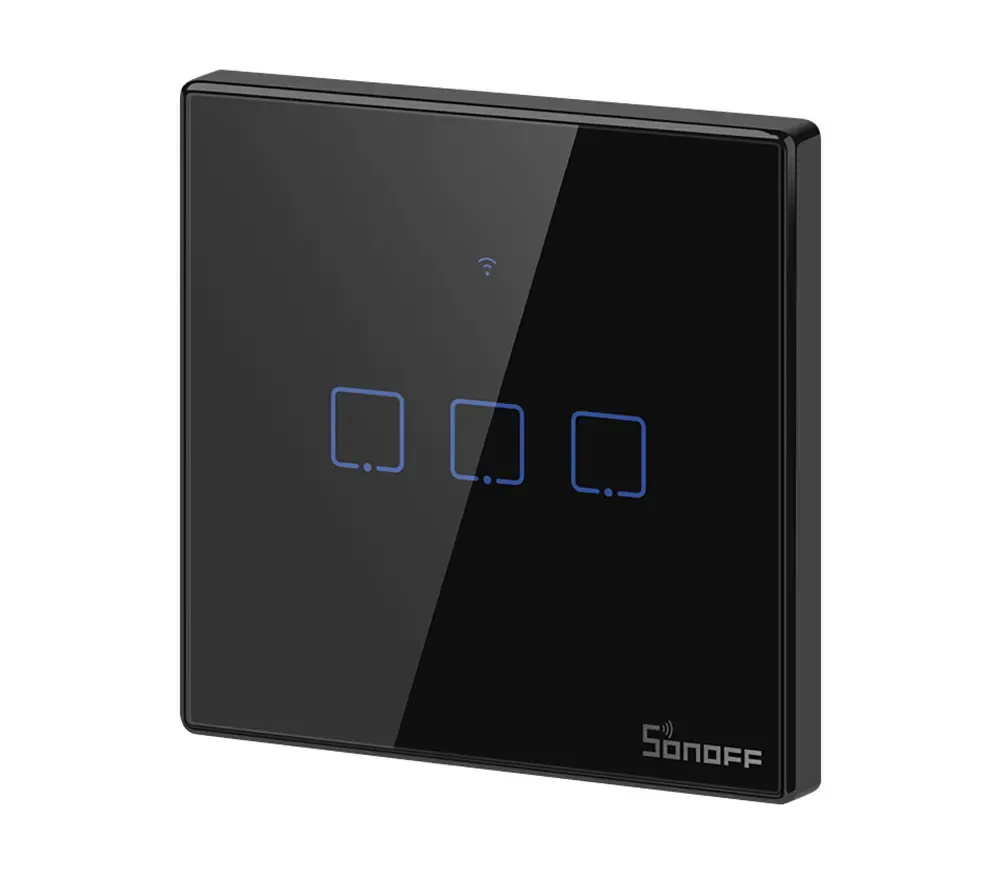
The first thing you notice is the toughened glass panel, which gives the switch a smooth, cool surface and a more premium look than basic plastic rocker models. In a dark interior or a black-themed room, it blends in sharply and looks intentionally designed rather than added as an afterthought.
The touch response is meant for a light tap, which is useful when your hands are full or you want silent operation at night. Compared with mechanical wall switches, this style avoids the audible click and gives the wall a flatter, cleaner profile, so what does that mean for daily use?
Wi‑Fi control for routines that actually save time
With IEEE 802.11 b/g/n 2.4GHz support and eWeLink app control, the switch can be triggered from anywhere with network access. That turns a simple light circuit into a scheduled routine, which is handy for porch lights, bedroom lamps, or a hallway that you want awake before you walk in.
The scheduling feature is more useful than it sounds because it reduces small repeat actions across the day. Users can set scenes so one tap or one voice command handles multiple lights, and the real benefit is less friction in rooms you enter constantly.
433.92MHz RF backup adds a dependable second path
The 433.92MHz RF control is one of the most practical features in this model because it gives you a backup when the phone is not nearby or the Wi‑Fi connection is temporarily unstable. That makes the switch more flexible than app-only options, especially in homes where different family members prefer different control methods.
In practice, RF control is useful for bedside use, older users, or anyone who wants a handheld remote without opening an app. According to customer feedback, setup can take a little patience at first, but the payoff is a control system that feels more resilient once configured.
What the electrical limits tell you about the installation
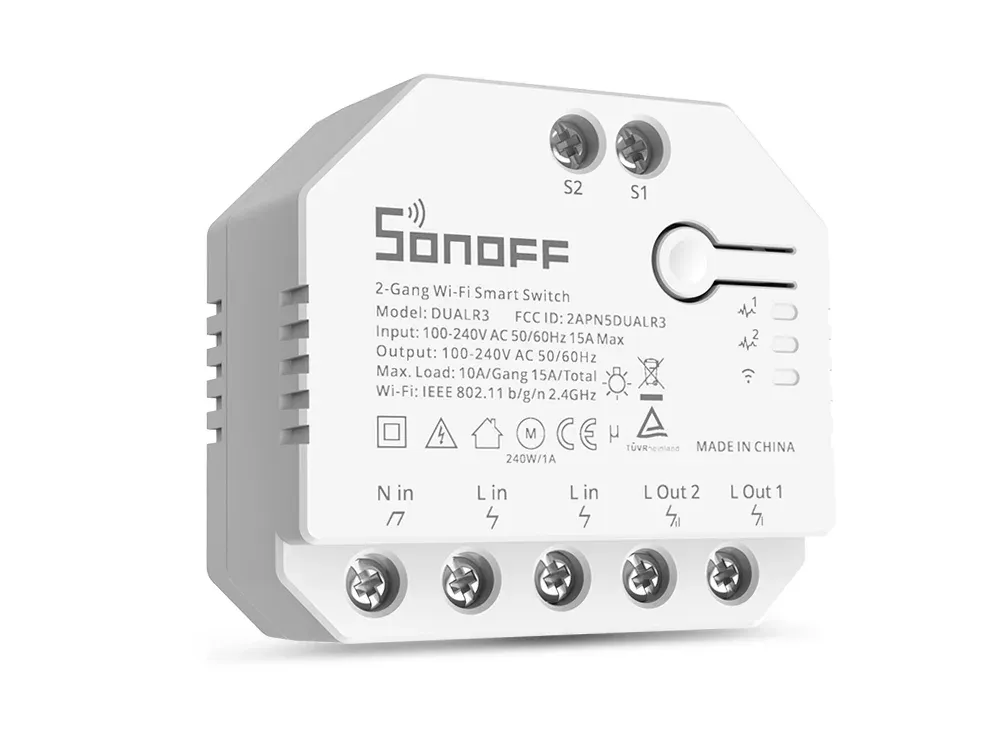
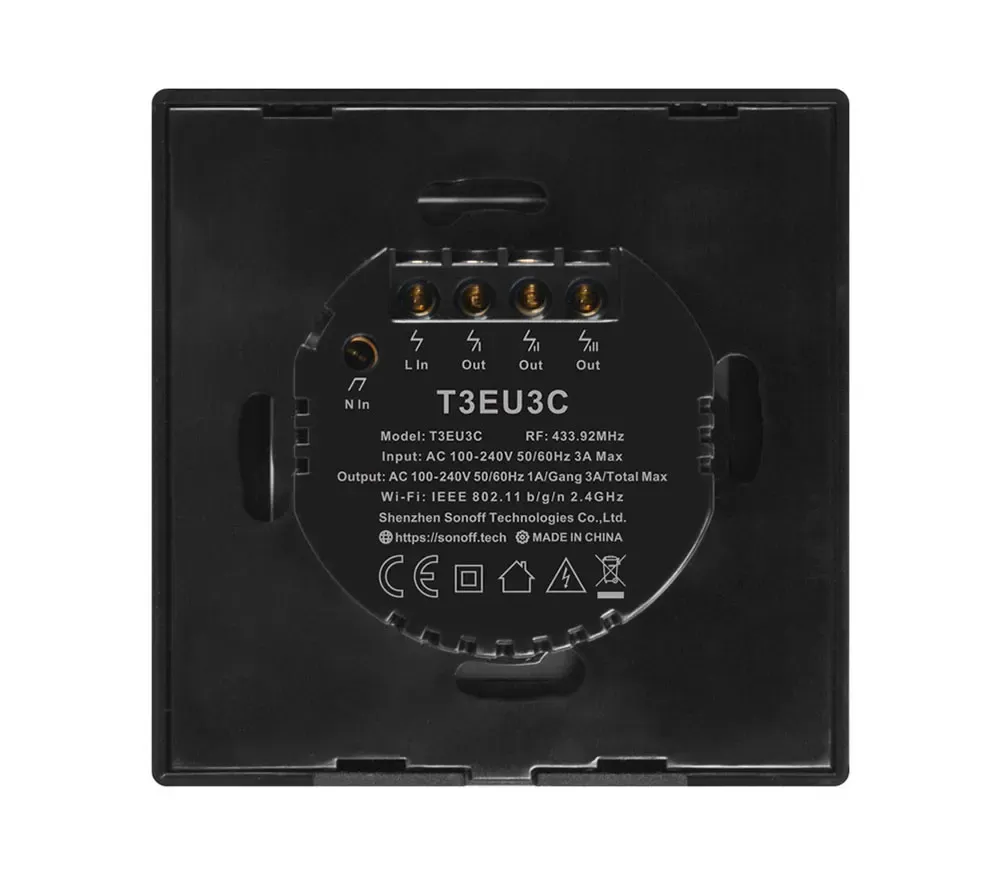
The switch works on AC 100-240V, 50/60Hz, which makes it suitable for common household lighting circuits across many regions. The current limits are important: the 1-gang version is rated for 2A per gang and 4A total, so this is best suited to lighting rather than heavy appliances.
That rating is a clue to how you should use it, and it is not the right choice for loads that draw serious power. If you are replacing a standard light switch, the numbers are practical rather than restrictive, but they do mean you should match the device to the circuit carefully.
Where the T3EU makes the most sense
This model fits best in bedrooms, living rooms, corridors, and decorative spaces where appearance matters as much as function. The 86 x 86 mm format and black glass finish give it a neat, architectural look that pairs well with modern walls, especially when you want a consistent smart-home aesthetic.
It also stands out for users who want a simple upgrade path without moving to a full panel system. If you already use Sonoff or eWeLink devices, the learning curve is smaller, and the result is a wall switch that feels like part of a broader home setup rather than a single isolated gadget.
Small trade-offs worth knowing before installation
The lack of camera or extra sensors keeps the design focused, but it also means this is a switch, not a multifunction control hub. The app experience depends on Wi‑Fi stability, so homes with weak 2.4GHz coverage may need better router placement before installation.
There is also a learning step for pairing, especially for users new to smart switches, and one reviewer noted that the Wi‑Fi connection process took some troubleshooting. Once connected, the device’s value comes from its everyday convenience, but the first setup is the part that deserves the most attention.