















Low-voltage control without the bulky hardware
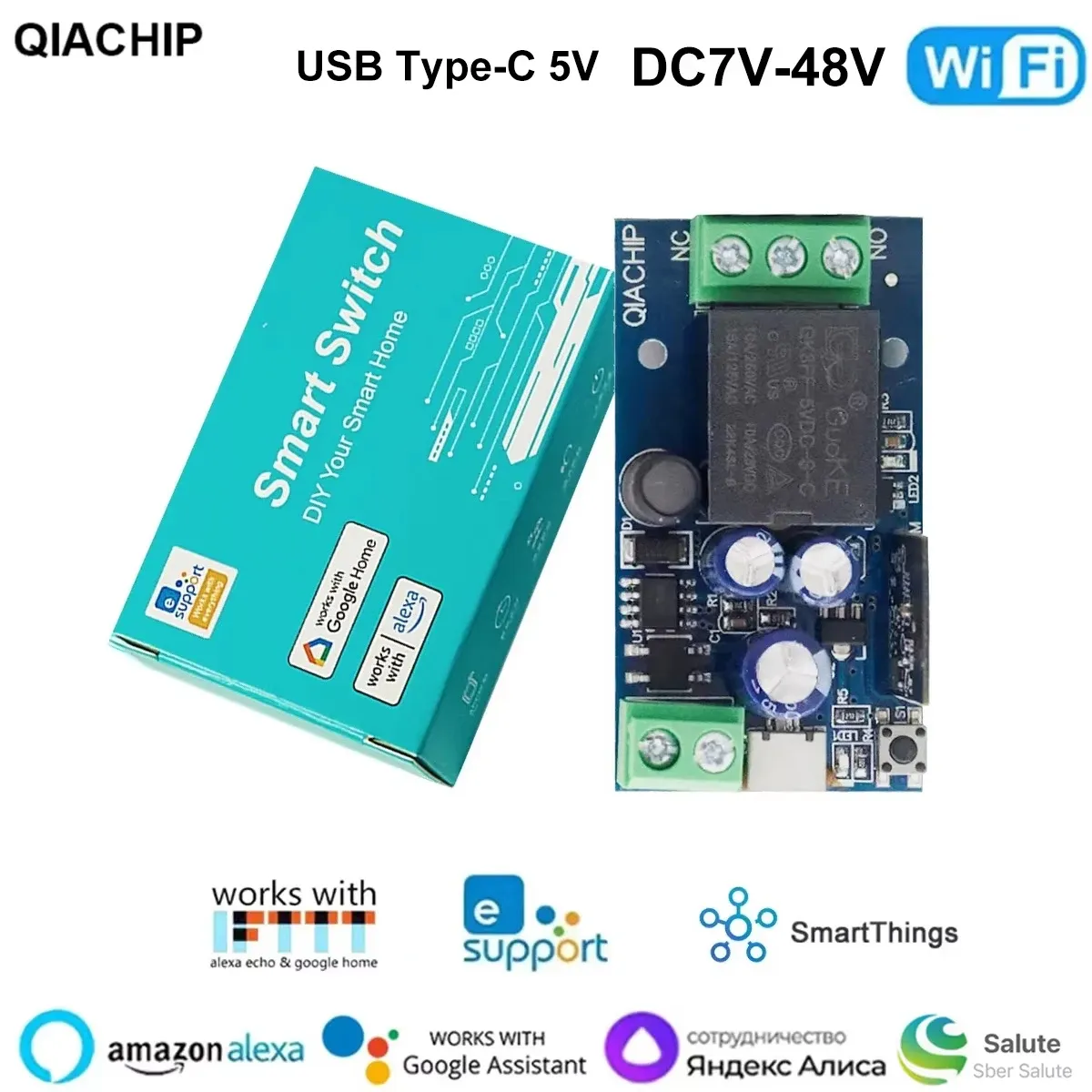
This relay solves a familiar smart-home problem: how to add wireless control to DC-powered devices without replacing the whole system. Its 5V to 48V range makes it useful for LED lighting, access triggers, and garage-style automation where a compact switching module is easier to integrate than a full controller.
At 53 x 29 mm, the board stays small enough for tight enclosures and project boxes, which matters when the relay is tucked behind a panel or inside a DIY housing. The 10A current rating gives it enough headroom for many light-duty automation tasks, so what matters next is how it behaves in real use.
eWeLink app control and voice commands in one setup
The main advantage here is the mix of app-based control and voice integration through Google Home and Amazon Alexa. That combination lets users switch between phone control, scheduled routines, and hands-free commands, which is especially practical when the relay is used for lighting or a gate trigger.
According to users, setup is straightforward once the power and load wiring are matched correctly, and several reviews mention that the module performs as described in automation projects. The eWeLink ecosystem is the key point, because it keeps the relay inside a familiar smart-home workflow instead of forcing a separate app stack, but the wireless side matters too.
2.4 GHz Wi-Fi and RF support for practical installs
The relay uses 2.4 GHz Wi-Fi, which is still the most compatible band for many smart-home devices and routers. It also supports RF control with up to 32 remotes, so the module can work as both an app-connected switch and a local fallback when a wall button or handheld remote is more convenient.
That dual-control approach is useful in garage or workshop environments where phone access is not always the fastest option. Users also note that the unit responds well in simple relay applications, though Wi-Fi stability depends on placement and power quality, which is where build details become important.
What the 10A rating means for real projects
The 10A maximum current is best understood as a limit for modest DC loads rather than heavy-duty equipment. It suits lamps, indicators, low-power motors, and control circuits, but it is not the right choice for oversized inductive loads or anything that regularly pushes beyond the relay’s comfort zone.
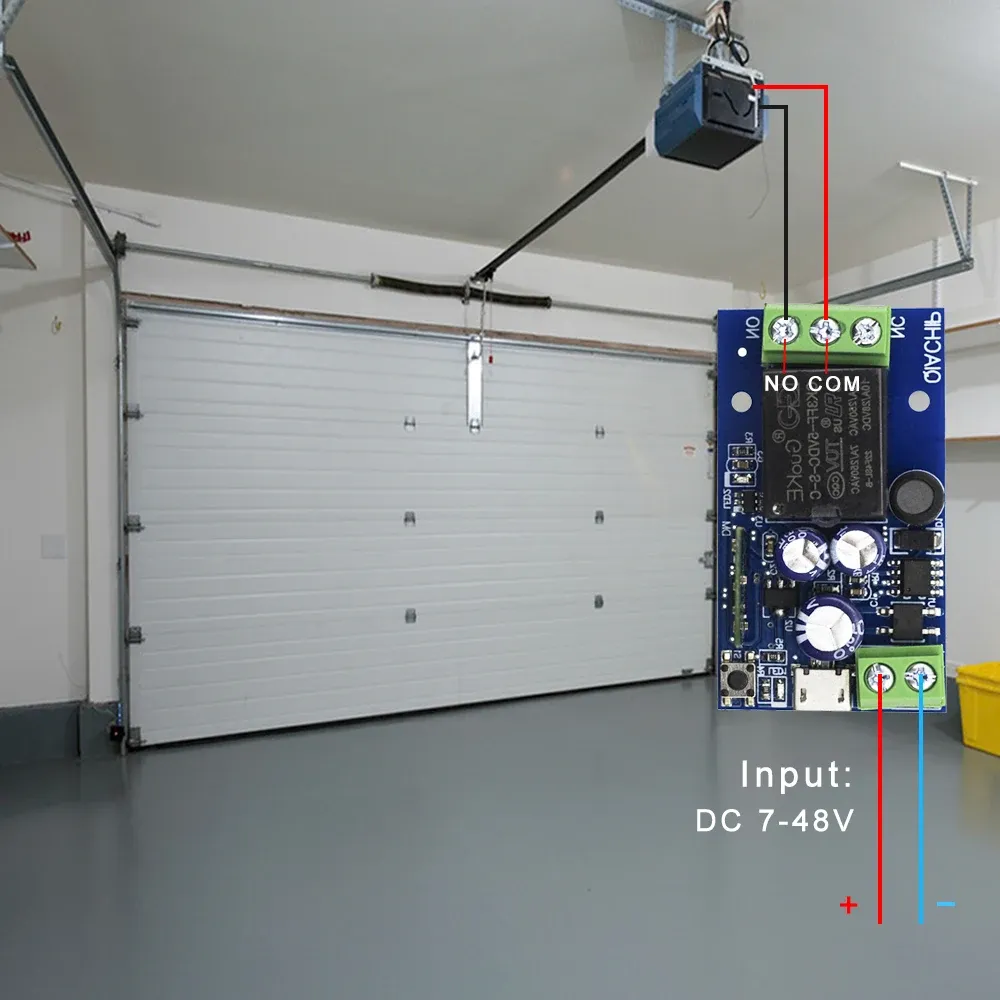
The broad DC input range is the stronger selling point here, because many budget relays are locked to one voltage family. Real customer feedback points to easy installation and reliable operation, with one recurring note: like many Wi-Fi relays, a power reset can help if the module ever loses connection, which is a useful detail before you plan the enclosure.
Where this relay fits best in a smart-home stack
This module makes the most sense for tinkerers, retrofit installers, and anyone building a compact automation node around low-voltage hardware. It is less about luxury features and more about giving existing devices a networked on/off layer that can be controlled from the sofa, from a routine, or from a remote.
For readers browsing AliExpress United States, the appeal is the unusually low entry cost paired with a feature set that is practical rather than decorative. If you need a small relay that can join app control, voice assistants, and RF remotes without taking much space, the next question is whether your load and voltage match its limits.