












Sonoff’s reputation in compact smart-home hardware
Sonoff has built a strong name in the AliExpress smart-home niche by focusing on practical devices that work with open platforms instead of locking users into one app. That approach matters here, because a coordinator is only useful when it stays reliable, flexible, and easy to integrate.
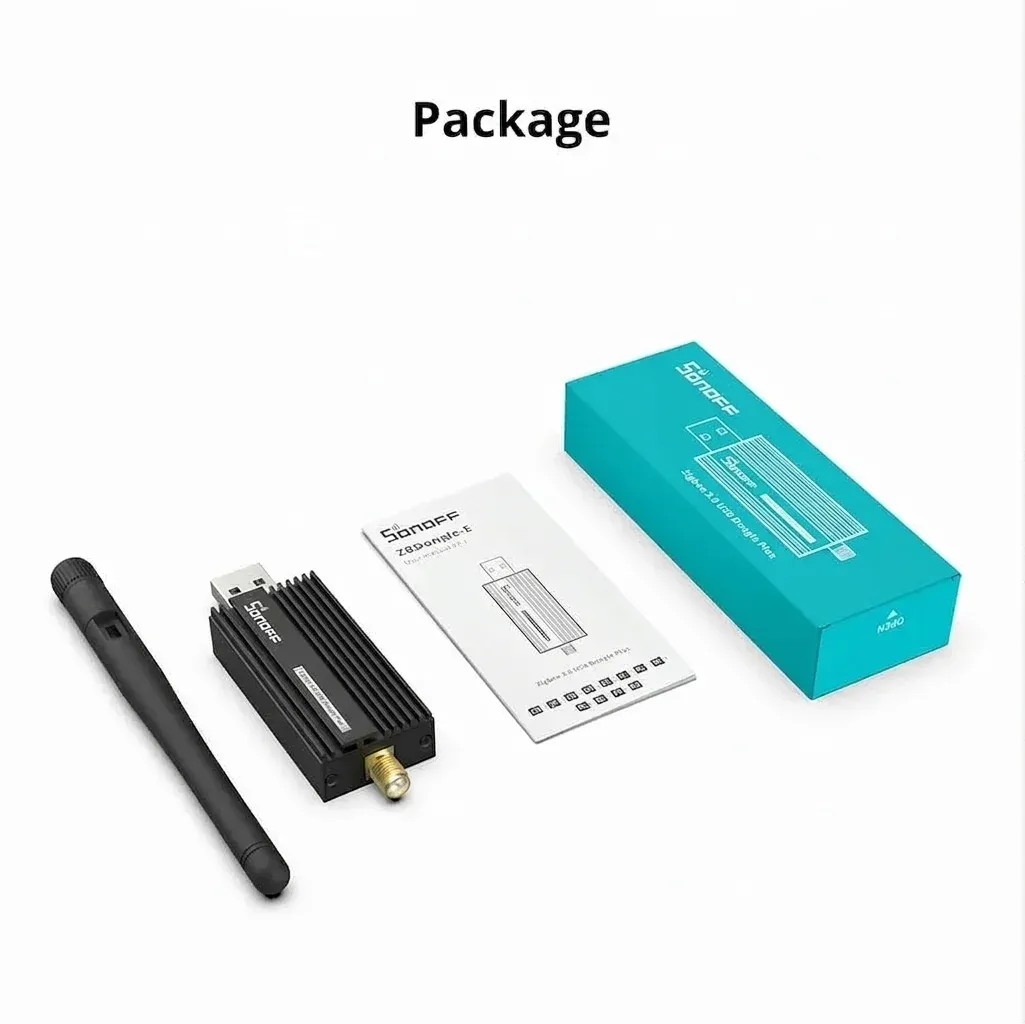
The ZBDongle-E follows that pattern with a no-frills USB form factor and support for common automation stacks. If your setup already runs Home Assistant, the real question is not whether it looks impressive, but whether it can keep a Zigbee network responsive day after day.
What a Zigbee coordinator changes in daily use
This dongle solves a familiar problem: fragmented hubs from different brands that make a smart home harder to manage. By acting as a universal Zigbee gateway, it lets you bring sensors, switches, plugs, and relays into one local system without depending on multiple vendor hubs.
That local control is the real benefit, since automations can keep running even when cloud services are slow or unavailable. Users in real AliExpress feedback repeatedly describe it as plug-and-play with Home Assistant, which suggests the setup experience is straightforward for supported platforms.
EFR32MG21 and why the hardware choice matters
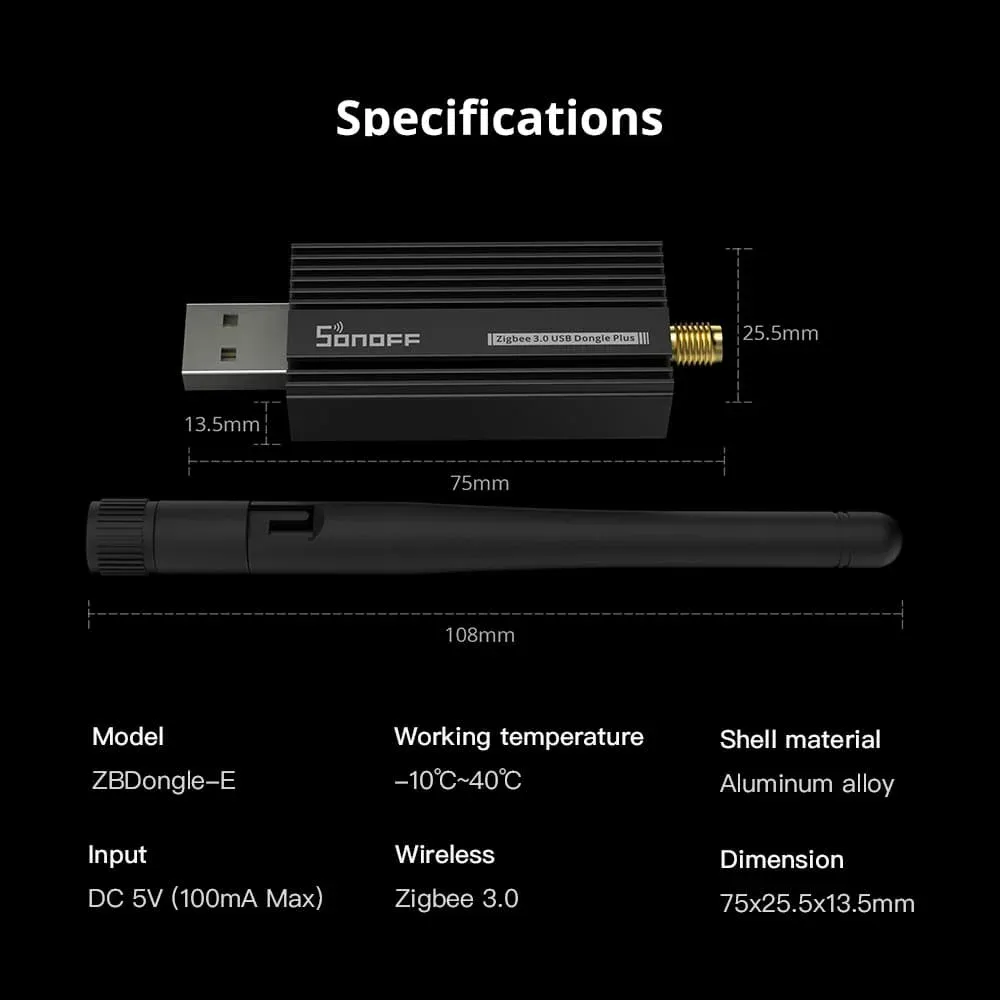
The EFR32MG21 chip is the part that gives this dongle its practical value, because it is designed for Zigbee networking rather than generic USB convenience. In everyday terms, that means it is built to coordinate a mesh of devices, not just connect a single accessory.
For a small apartment, it may be enough as a direct coordinator; for a larger home, it becomes more useful when paired with Zigbee routers such as smart plugs or in-wall modules. That makes the dongle less like a standalone gadget and more like the center of a growing mesh network, which is where the next strength appears.
ZHA or Zigbee2MQTT: the setup path that fits your stack
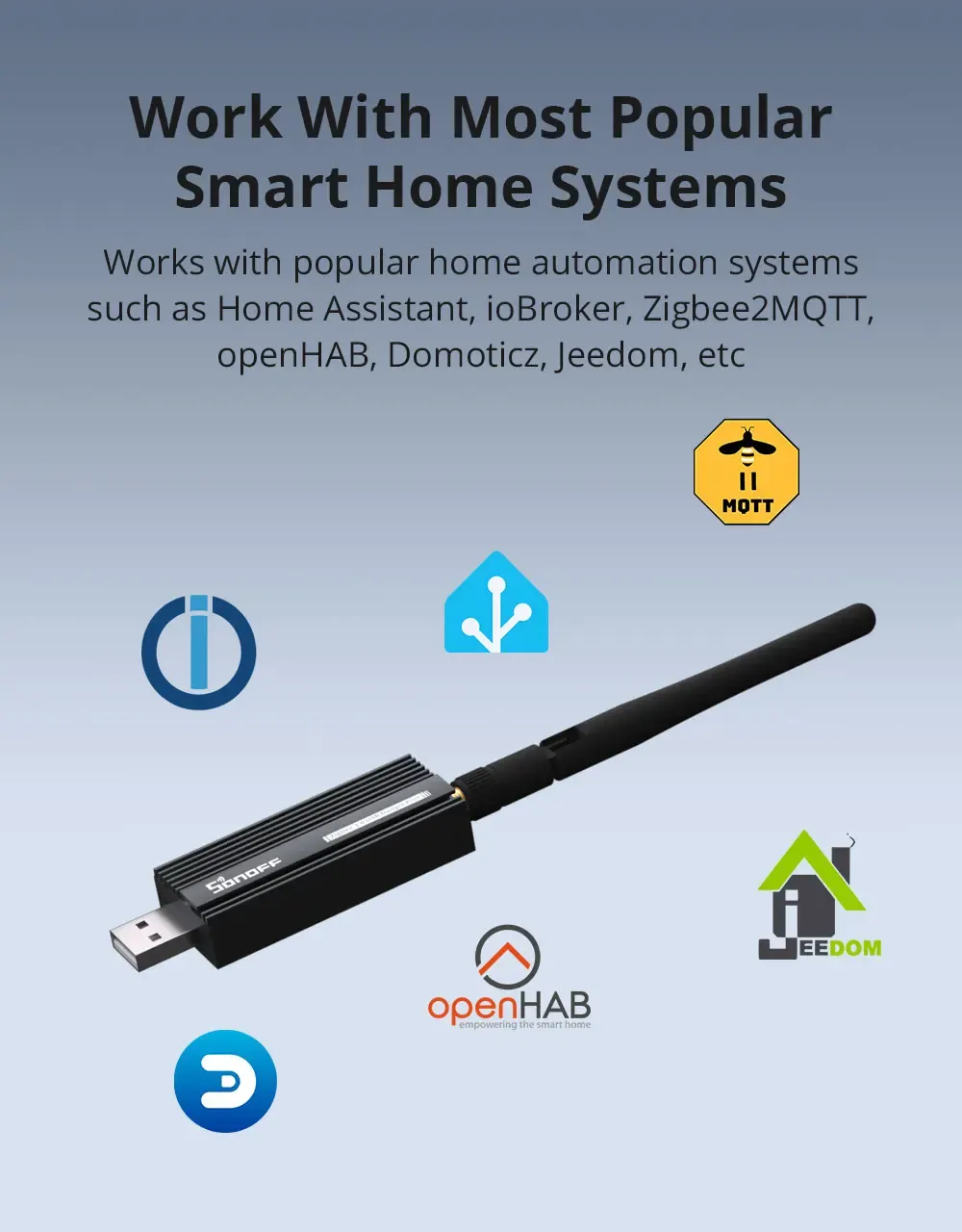
The strongest use case is a Home Assistant system running ZHA or Zigbee2MQTT, where the dongle can be recognized quickly and used for local pairing. Real users report instant detection and smooth pairing with smart plugs and sensors, which is a good sign for people who want to get moving quickly.
It is also compatible with open-source platforms beyond Home Assistant, so the value is not limited to one ecosystem. If you already prefer local-first automation, this USB stick gives you a cleaner path than juggling several brand hubs, but there are a few limitations worth knowing first.
Range, firmware, and the small details that affect performance
Like most compact Zigbee coordinators, network range depends as much on your device layout as on the dongle itself. Users who want coverage across multiple rooms will get better results by adding powered Zigbee routers, since that extends the mesh instead of asking the USB stick to do everything alone.
Firmware flexibility is another practical point, because some users mention flashing different builds to match their preferred stack. There is also a small number of mixed reports about firmware identification, so checking the exact device mode before deeper integration is a smart move, especially if you plan to use Zigbee2MQTT.
Who should get this dongle
This is a smart pick for Home Assistant users who want one coordinator for mixed-brand Zigbee devices without paying for multiple hubs. It also suits tinkerers who like open-source control, compact hardware, and a local network that feels faster than cloud-dependent setups.
If you only need a simple branded hub for a single ecosystem, the ZBDongle-E may be more flexible than necessary. If you want a small, capable coordinator that can anchor a serious Zigbee setup for very little outlay, this Sonoff stick is one of the more convincing options in its class.