














Why Sonoff Still Matters in Zigbee Smart Homes
Sonoff has built a strong reputation in the AliExpress smart home niche by focusing on practical hardware that integrates cleanly with common ecosystems. The brand is known for offering dependable control hubs and modules at approachable prices, which makes it a familiar choice for users who want automation without rebuilding their whole setup.
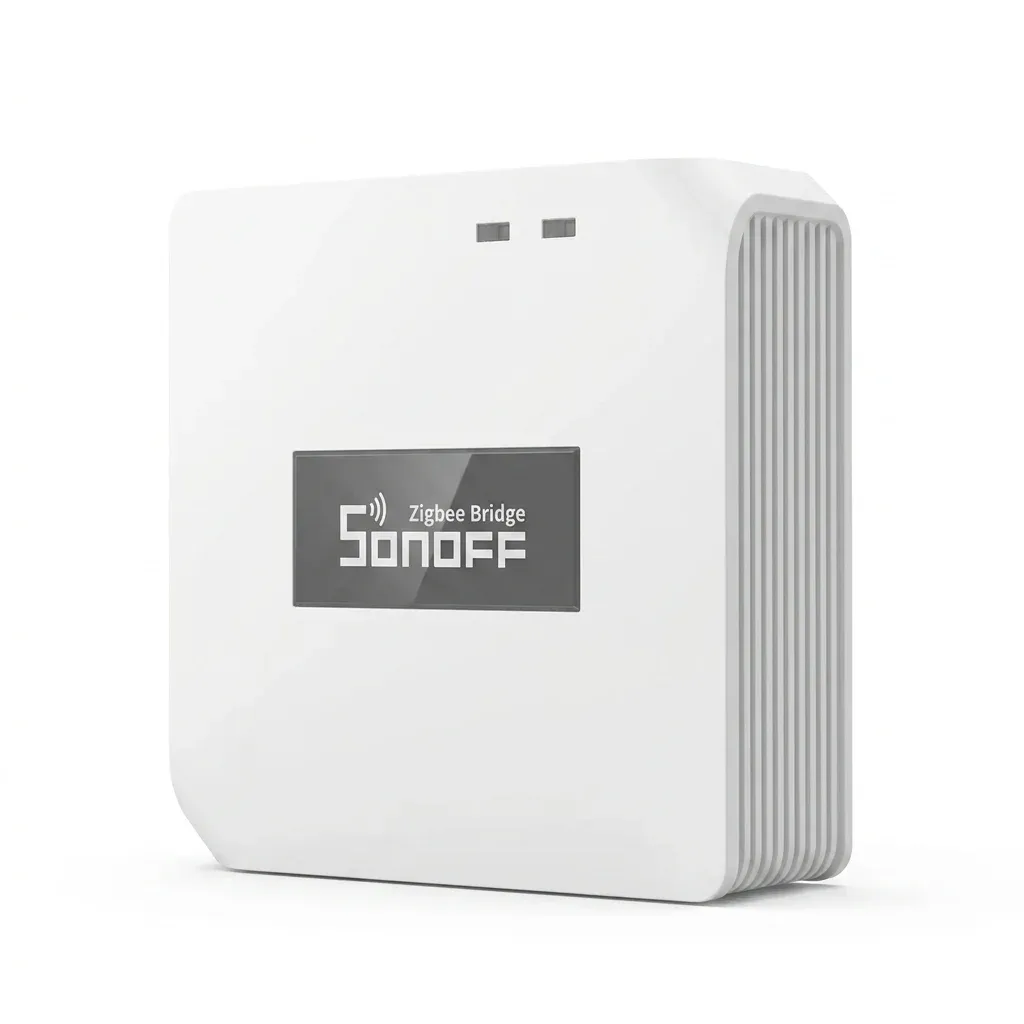
The ZBBridge Pro follows that approach with a Zigbee 3.0 core and broad voice-assistant compatibility, so it can become the control point for a growing sensor network. If you are trying to unify scattered devices into one app and one automation layer, this bridge is the part that makes that possible.
What a Zigbee Bridge Changes in Daily Use
This device solves a simple problem: Wi-Fi smart devices can clutter a network, while Zigbee accessories need a hub to work together properly. A bridge like this keeps low-power sensors, buttons, and relays on a more efficient mesh, which usually means faster responses and less strain on your router.
In practice, that matters when you want a motion sensor to trigger a light instantly or a door sensor to launch a scene without delay. Users often notice that setup feels simpler once the bridge becomes the central link, and that is the real advantage over mixing devices that each need separate control paths.
Zigbee 3.0 Networking for Sensors and Switches
Zigbee 3.0 support is the main reason to consider this model over older gateways. It gives the bridge a better chance of working with a wider range of compatible accessories, from scene buttons to temperature sensors, while keeping communication stable inside the home.
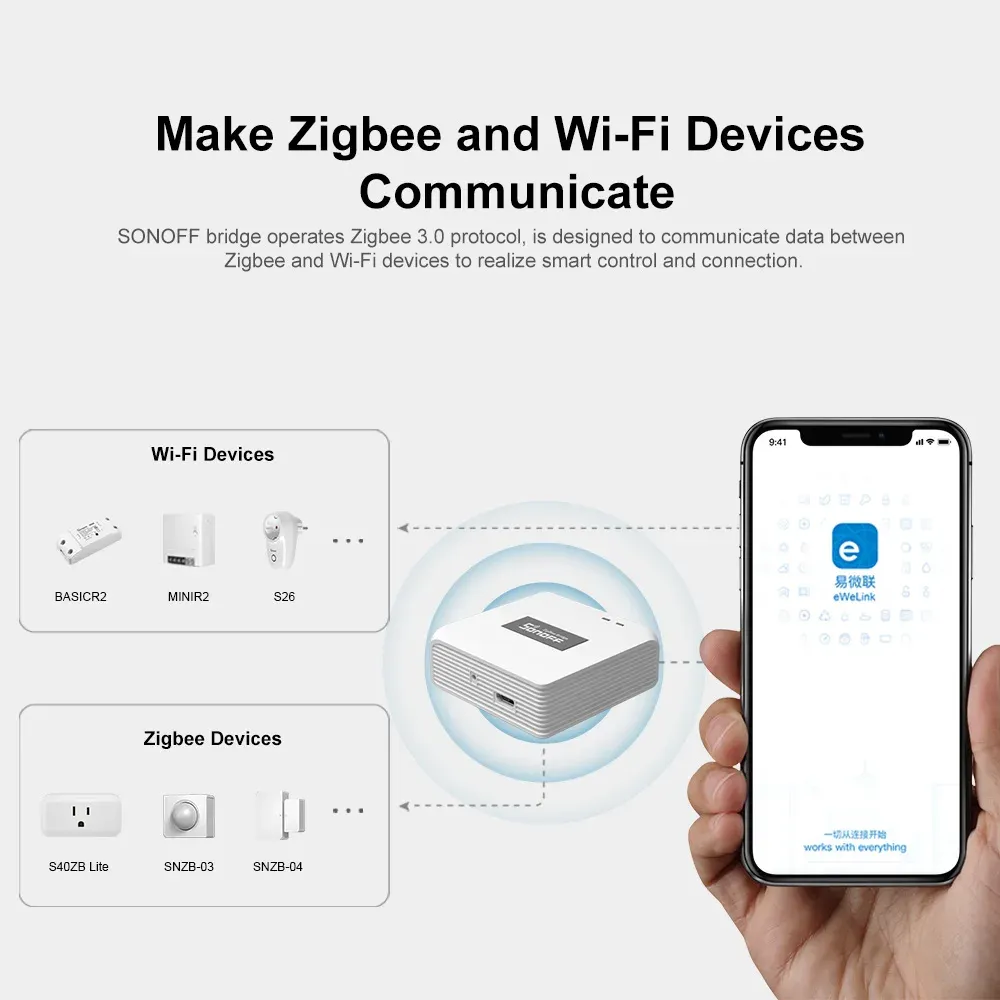
The benefit is not just compatibility, but consistency. In a small apartment or a larger home with several rooms, a Zigbee mesh can feel more responsive than a crowded Wi-Fi setup, especially when multiple automations are running at once.
Alexa and Google Home Integration in Real Use
For voice control, the bridge fits naturally into homes that already use Alexa or Google Home. That means you can issue simple commands for lights, routines, and connected accessories without opening the app every time, which is useful when your hands are full or you are moving through the room.
Customers mention that setup is generally straightforward and that the device works as described, which lines up with the kind of experience most buyers want from a hub. The key is to keep expectations realistic: the bridge is strongest as a coordinator for compatible Zigbee devices, not as a universal controller for every smart-home standard.
Build, Certifications, and Safety Signals
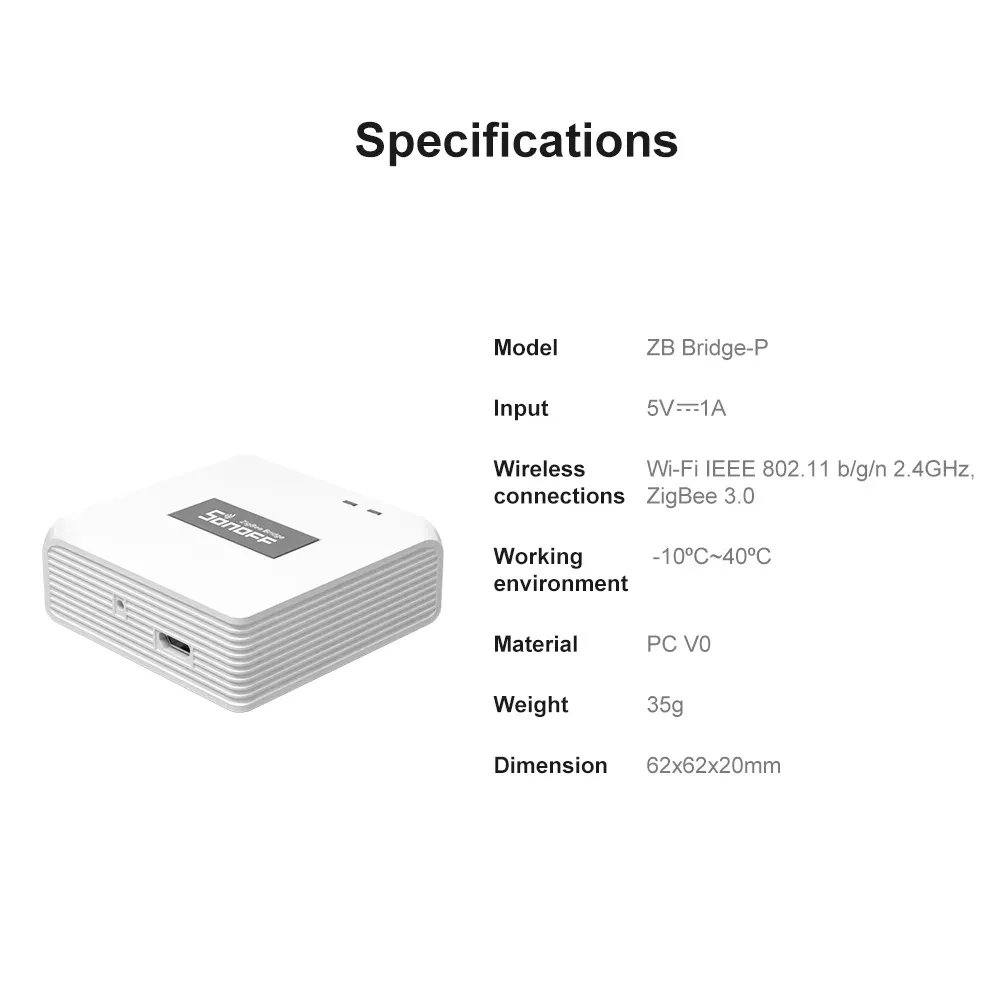
The housing is compact and low-voltage, so it is easy to place near a router, media cabinet, or home office shelf without drawing attention. CE and FCC certification are useful trust markers here, because they suggest the product has passed the basic compliance checks buyers look for in connected-home gear.
There is no listed high-concern chemical content, which will matter to shoppers who pay attention to product transparency. The bridge is made in Mainland China, and that is typical for this category, but the real question is whether the hardware feels reliable in day-to-day automation, which is where Sonoff generally has an edge.
Who Gets the Most Value From It
This bridge makes the most sense for users who already own, or plan to collect, Zigbee sensors and controllers. It is especially useful for home entry monitoring, room lighting scenes, and simple climate automation, where quick triggers and low power use matter more than flashy features.
At $36.21, it sits in a practical middle ground: affordable enough for a first Zigbee hub, but serious enough to anchor a larger setup later. For readers comparing options on AliExpress United States, the appeal is not novelty, it is the steady, system-building role this bridge can play in a smart home that needs to stay organized.
Small Trade-Offs to Keep in Mind
The main limitation is that the bridge depends on compatible Zigbee devices, so it will not replace every Wi-Fi accessory in your home. It also makes more sense as a hub for automation than as a showpiece, which means buyers looking for advanced local dashboards or multi-protocol flexibility may want to compare ecosystems first.
There is also no detailed accessory bundle, so the value comes from the hub itself rather than extras in the box. If you already know your smart-home lineup and want a stable coordinator, that is not a weakness so much as a reminder to match the bridge to the devices you plan to run next.