













Motion-triggered automation without the usual lag
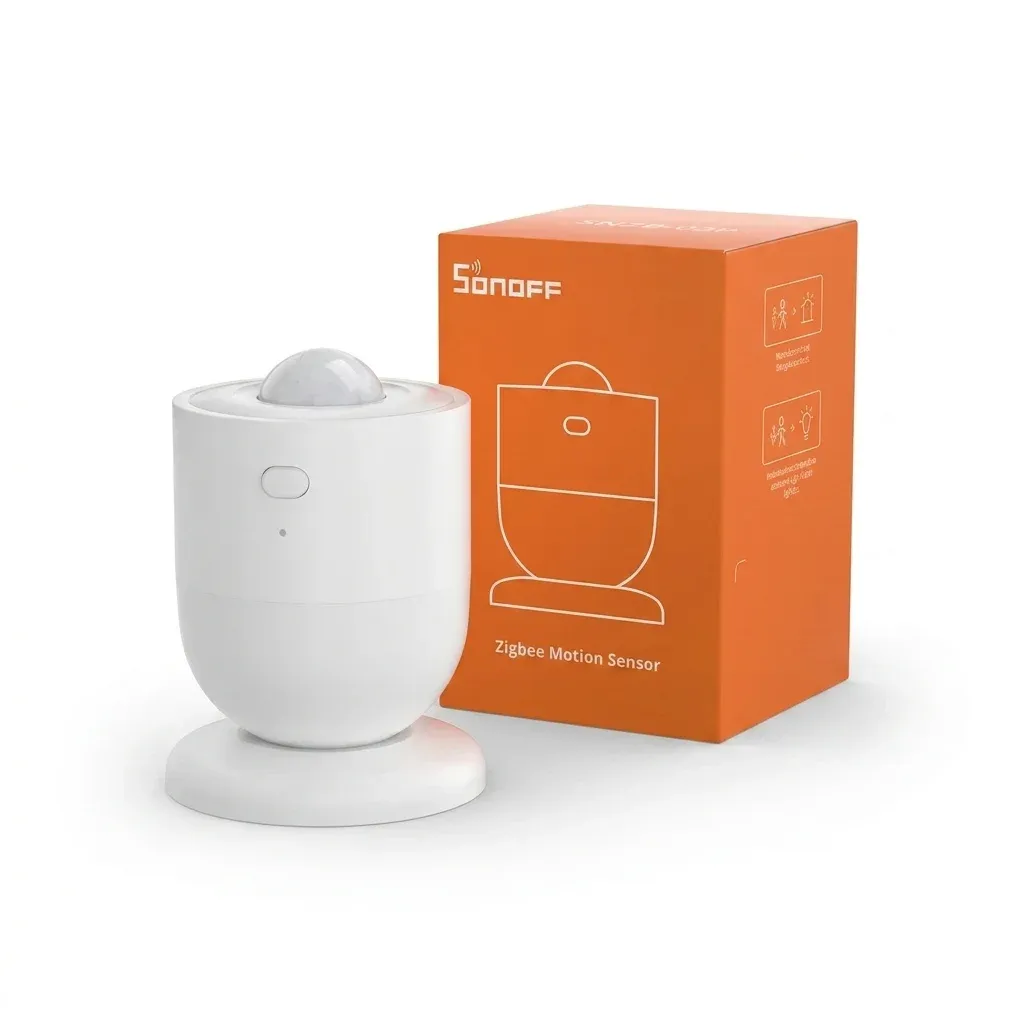
The SONOFF SNZB-03P solves a simple problem: lights and routines should react when someone enters a space, not seconds later. In a hallway, stairwell, or entryway, that timing difference is what makes automation feel natural instead of clumsy.
Sonoff has built a strong reputation in the AliExpress smart home niche by focusing on practical Zigbee devices that integrate cleanly with popular hubs and the eWeLink ecosystem. That matters here because a motion sensor is only useful when it responds quickly and fits into a stable scene setup, so how does this one behave in real rooms?
What 110° coverage and 6-meter detection mean in daily use
The 110° field of view is wide enough for typical passage areas, while the 6-meter detection range makes it suitable for compact rooms, corridors, and entrance zones. It is not designed to watch an entire open-plan floor, but it should cover the spaces where motion automation is most useful.
That narrower focus can actually be an advantage, since it reduces random triggers from distant movement and keeps scenes more predictable. If you want a sensor for a kitchen island, a closet, or a stair landing, this range is easier to tune than an overly aggressive wide-angle unit, so placement becomes the real difference-maker.
Why the 5-second response window changes the experience
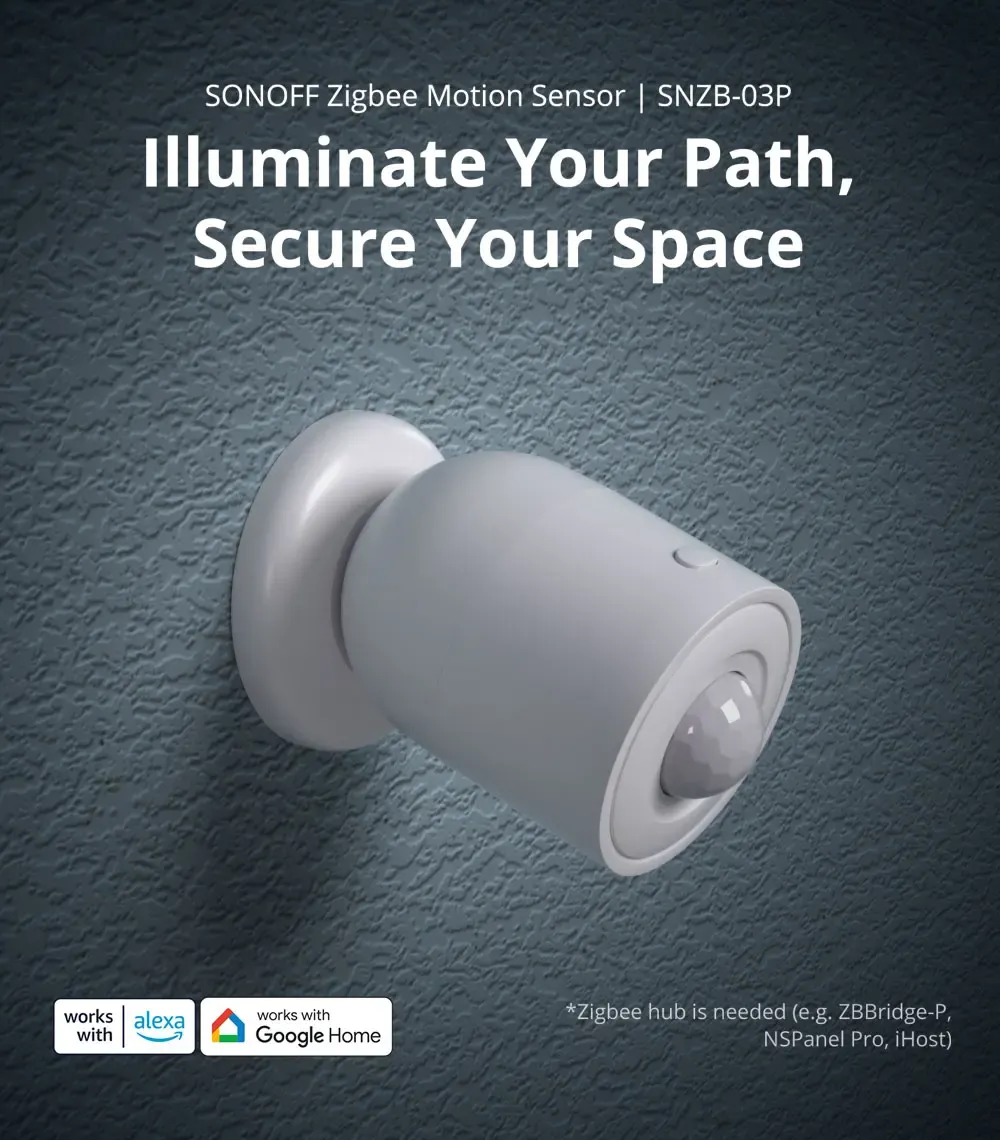
Sonoff says the SNZB-03P can shorten detection duration to as little as 5 seconds, which is a meaningful upgrade for lighting scenes. In practice, that means the room can feel ready the moment you walk in, then shut down quickly after you leave instead of lingering wastefully.
This also helps with security-style automations, such as starting a camera recording or sending an app alert when movement is detected. Users’ feedback is limited but positive so far, with the available reviews describing the device as straightforward and working as expected, which fits a sensor that aims for reliability over complexity.
Zigbee 3.0 and local scenes: the real advantage
Because it uses Zigbee 3.0, the sensor is built for low-power operation and fast hub communication rather than cloud-dependent behavior. That matters when you want a hallway light to turn on even if the internet connection is unstable, provided your hub and linked devices are still powered.
Local scene support is the feature that gives this model real value in a smart home setup. Compared with basic Wi-Fi motion sensors, it should feel more responsive and less dependent on app-side delays, which is exactly what you want for automation that runs dozens of times a day.
Battery life that reduces maintenance
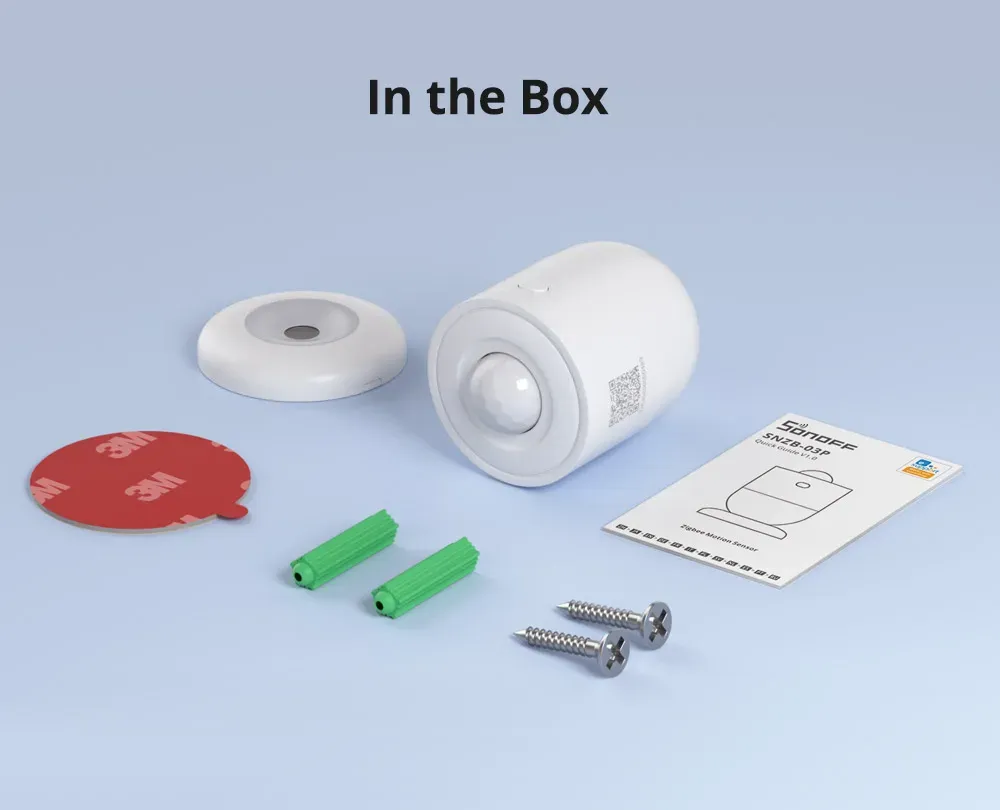
The claimed 3-year battery life is one of the strongest practical arguments for this sensor, especially in hard-to-reach places like stairs or ceiling corners. A CR2477-powered design also means fewer interruptions, so you are not constantly thinking about maintenance.
That long runtime does depend on how often the sensor triggers and how busy your scenes are, but the low-power Zigbee approach gives it a clear advantage over many battery-hungry alternatives. If your goal is to set it once and forget it, this is where the SNZB-03P starts to look especially sensible.
Where it fits best in a smart home
The strongest use cases are entry lighting, corridor automation, stair safety, and simple security alerts. It also works well in a scene chain with the ZBBridge-P, ZBDongle-E, NSPanel Pro, or iHost, giving you flexibility if your setup already uses Sonoff hardware.
For users building a Zigbee-first home, this sensor feels like a practical building block rather than a flashy gadget. If your automation plan depends on dependable motion detection and clean hub compatibility, the next question is whether your current controller matches the device list.