














Why this power meter matters when electricity use is getting harder to track
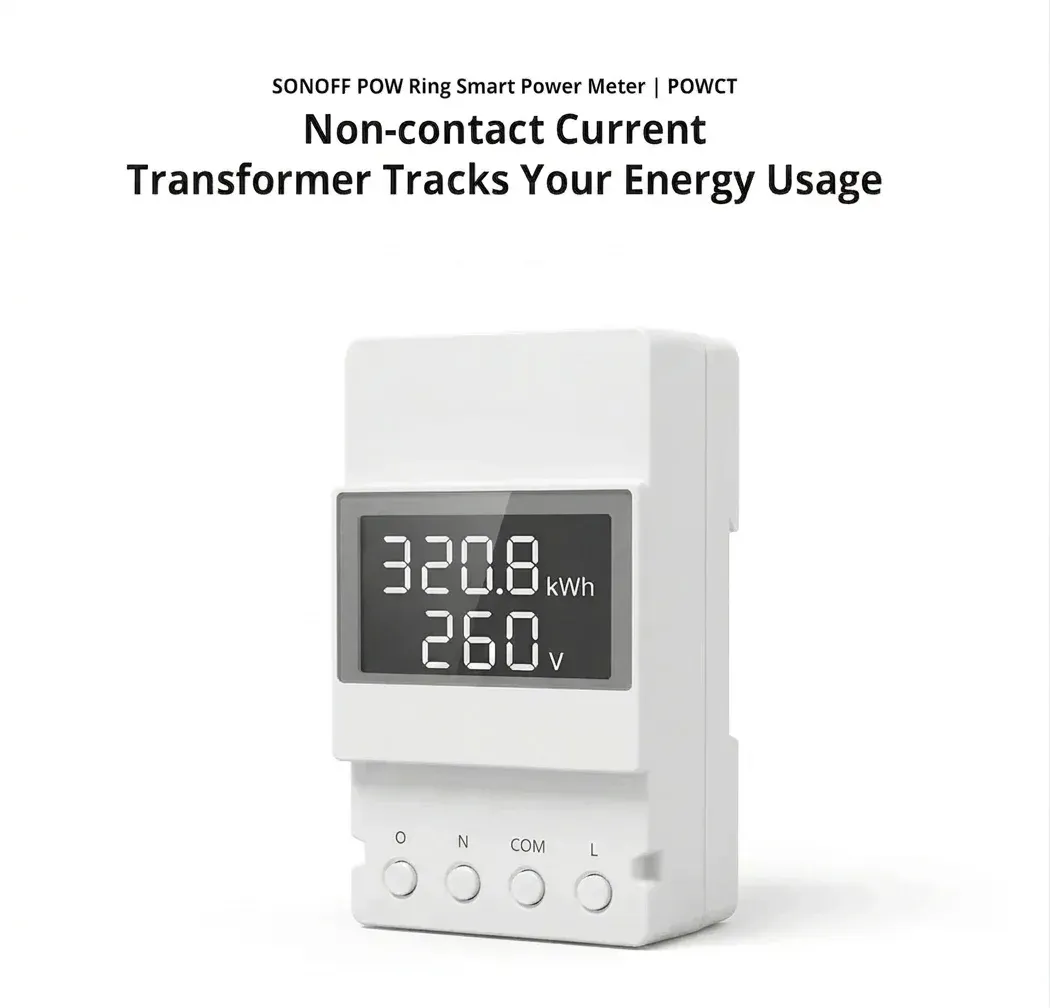
Hidden energy waste is easy to miss until the monthly bill arrives, and that is exactly where the POWCT earns its place. It measures current through a transformer-style ring, so you can monitor a circuit without relying on guesswork from a plug-in meter.
Sonoff has built a strong reputation in the AliExpress smart home segment by focusing on practical automation hardware that works with mainstream ecosystems instead of locking users into a narrow setup. That matters here, because a monitoring device is only useful if it fits into the app and assistants you already use, so what does it actually do in daily use?
100A monitoring through a ring transformer: what that changes in practice
The 100A current transformer design is the key advantage for larger loads, especially for fixed appliances, distribution lines, and workshop circuits that standard smart plugs cannot handle. Users do not need to route the full load through a compact plug body, which keeps the installation cleaner and far more suitable for panel-level monitoring.
That design also makes the device better for understanding consumption peaks across the day, not just total usage. According to users, this is where the product becomes useful fast, because it reveals when compressors, heaters, pumps, or other high-draw equipment are actually active, and the pattern can be surprisingly uneven.
Alexa, Google, and IFTTT support: where automation becomes useful
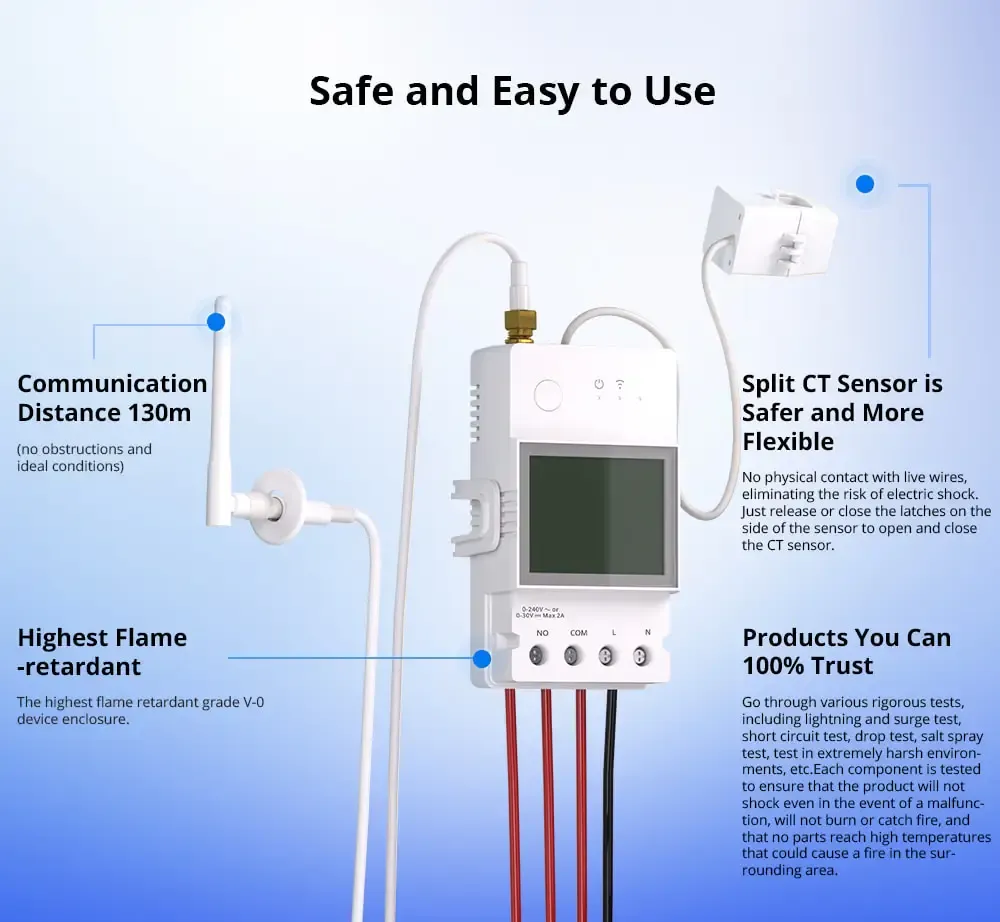
Compatibility with Alexa, Google, and IFTTT gives the POWCT a wider role than simple measurement. In a smart home setup, it can become the trigger for routines, alerts, and load-aware automation, which is especially helpful when you want monitoring and control to work together.
The contactor-control angle is what separates this from a basic energy reader, because it is designed to help manage a circuit rather than only observe it. For users who want to connect monitoring with switching logic, that turns the unit into a more functional part of the electrical system, and that raises the question of installation quality.
Installation feel and daily use: what users seem to appreciate
Real customer feedback is limited but favorable, with a 4.7 average rating and comments pointing to easy installation, solid build quality, and fast pairing with the eWeLink app. One recurring note is that it integrates well with Home Assistant, which is important for users who want local-style smart home orchestration without replacing their whole setup.
In daily use, the benefit is clarity rather than novelty: you get a visible picture of what is running, when it starts, and how hard it is working. That makes it useful for energy audits, appliance diagnosis, and automation rules, especially if your home has a few circuits that deserve closer attention.
Who gets the most value from a circuit-level monitor like this
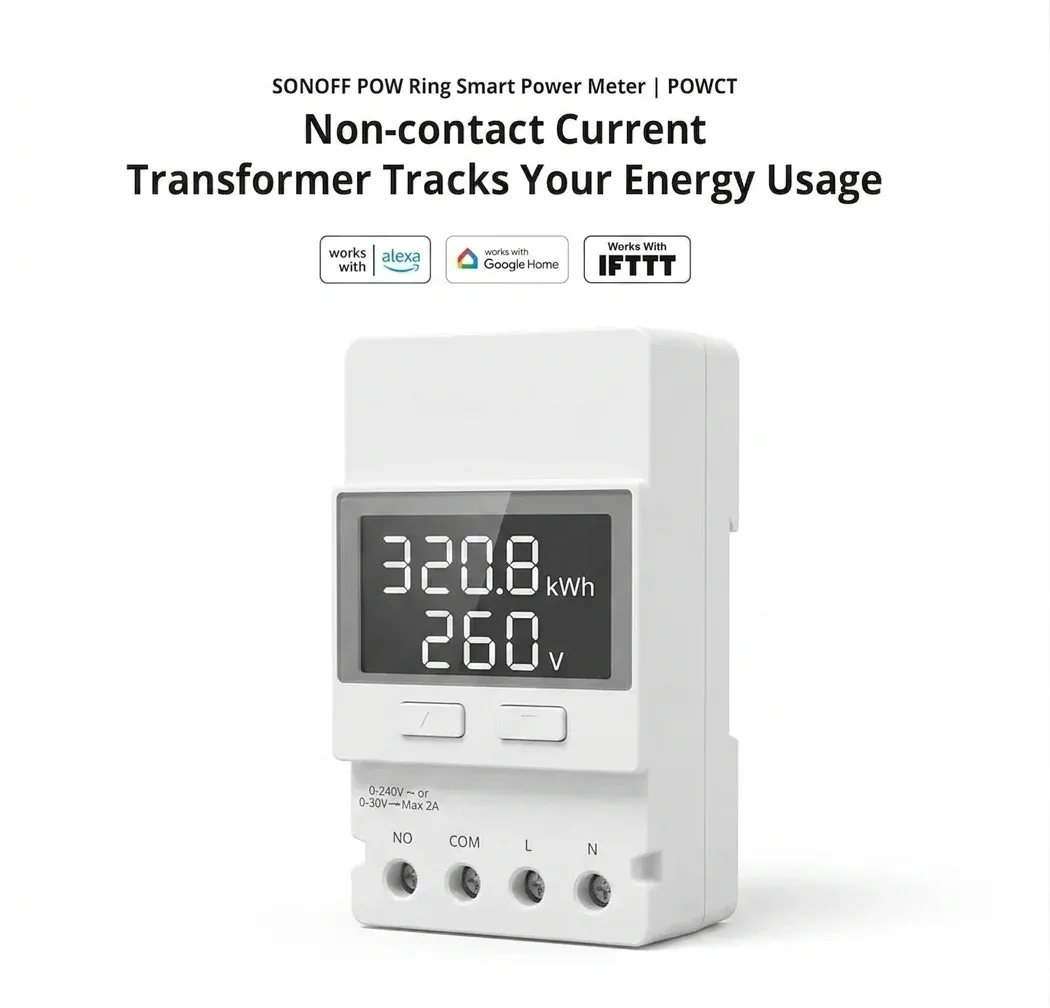
This model is best suited to users who already have a smart home hub, a panel setup, or a clear need to watch one circuit closely. It is less of a casual gadget and more of a utility tool, which is why it fits workshops, utility rooms, EV-related monitoring, and homes with power-hungry equipment.
Compared with a basic smart plug, it handles more serious loads and gives a broader view of consumption behavior. Compared with a full energy management system, it is much more approachable, and that balance is what makes it stand out in the current AliExpress smart home catalog.
Small trade-offs that matter before you install it
The main limitation is that this is not a beginner-friendly plug-and-play accessory for every outlet in the house. It is designed for fixed electrical work, so the value is highest when the circuit, load type, and installation plan are already clear.
It also makes the most sense for users who will actually check the data and build automations from it, because a monitor without a use case becomes just another device in the app. If you already know which circuit you want to study, the next question is how you want to use those readings?