















Why this compact sensor matters for everyday home security
The Sonoff DW2-WiFi solves a simple problem: you want to know the moment a door or window changes state, not after you notice something is wrong. Because it connects over Wi‑Fi, it can send alerts to your phone without forcing you to build a full alarm system first.
Sonoff has earned a strong reputation in the AliExpress smart home niche by focusing on practical devices that integrate cleanly with eWeLink and common automation platforms. That makes this sensor feel less like a standalone gadget and more like a small part of a larger, usable home setup, which is exactly where it gets interesting.
What Wi‑Fi adds over a basic magnetic contact
Traditional contact sensors often need a hub, while this model talks directly to 2.4 GHz Wi‑Fi, which simplifies entry-level installations. In practice, that means fewer boxes on the shelf and a faster path from unboxing to live notifications.
The tradeoff is power demand, and the real-world reviews reflect that: one customer noted the Wi‑Fi version can drain batteries faster than a Zigbee alternative. If your priority is the lightest maintenance load, that comparison matters more than the sticker-level convenience, so the next section is worth reading carefully.
Battery life and what the numbers suggest
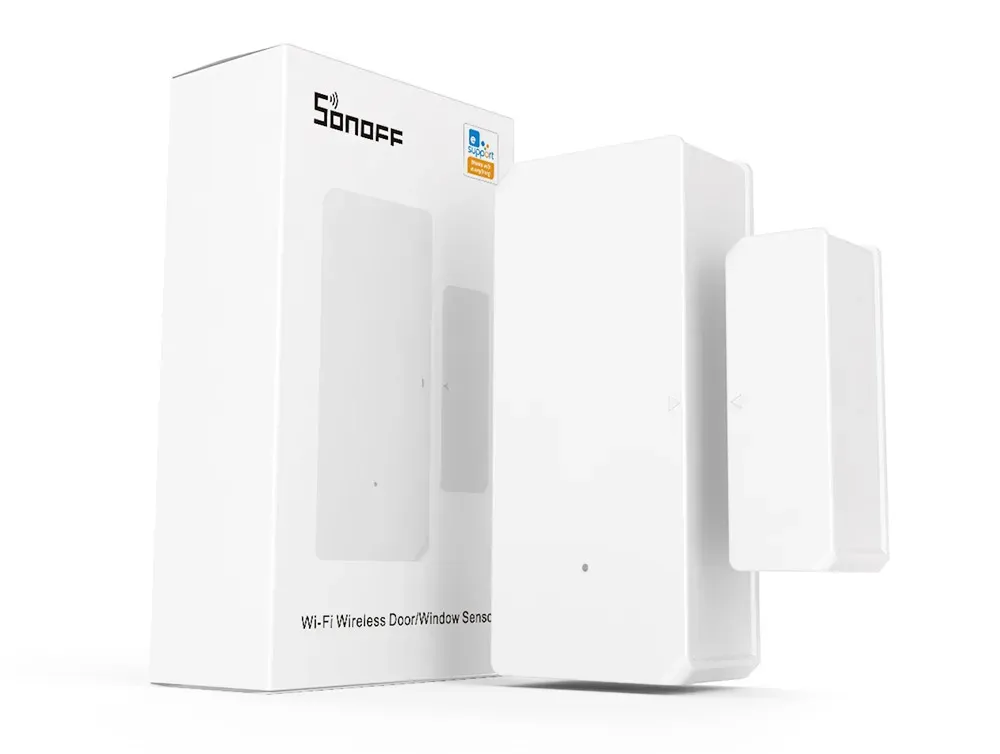
Sonoff rates the sensor at a very low quiescent current of up to 40 μA, which helps explain why it can remain on standby for long periods. The brand also states up to three months of use with three openings or closings per day, so the workload of the door matters more than the sensor itself.
It runs on two AAA 1.5V batteries, and that choice is useful because replacements are easy to source almost anywhere. The app’s battery-level display and low-battery reminder are the real quality-of-life features here, since they remove guesswork before the device goes silent.
Installation on frames, sills, and narrow spaces
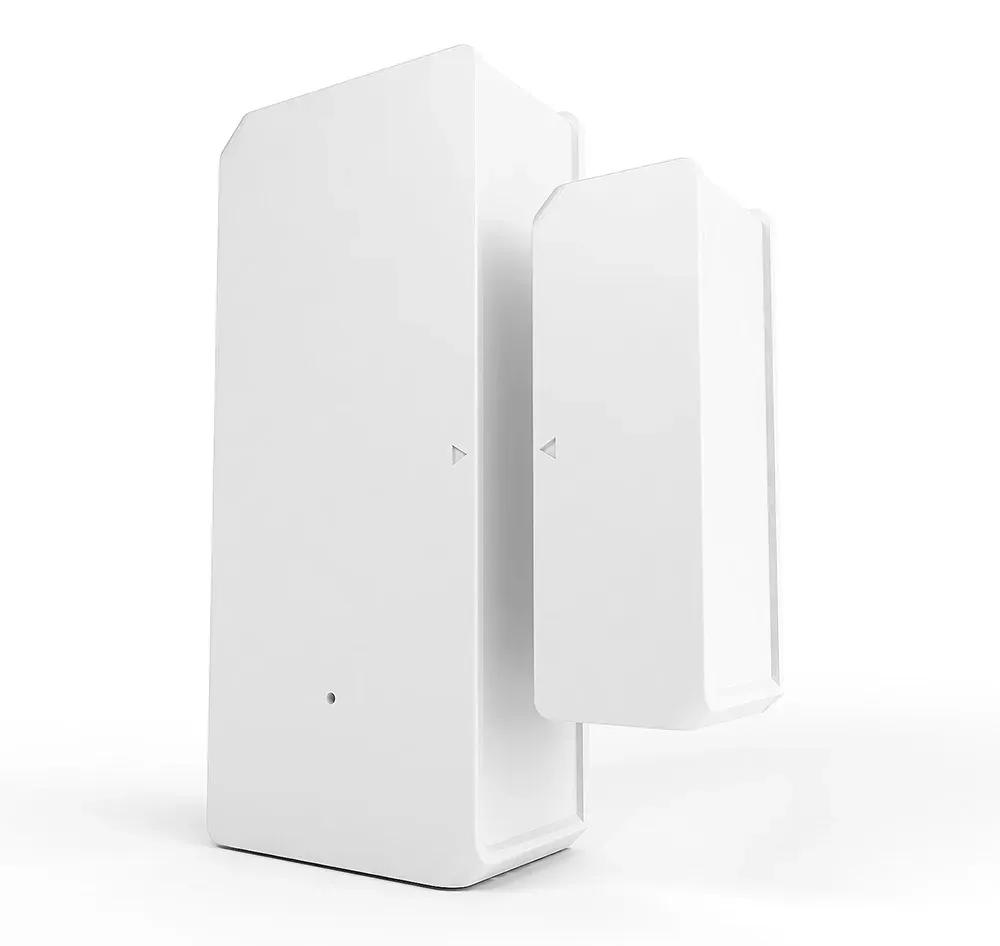
The sensor arrives ready to go, with a peel-and-stick format that suits door frames and window sills where drilling is not desirable. Its compact white PC V0 body keeps the look discreet, so it blends into trim instead of drawing attention.
That small footprint is not just cosmetic; it helps the transmitter and magnetic piece fit where bulkier security sensors can look awkward. Users repeatedly mention the small size and easy installation, which is a good sign for renters, apartment owners, and anyone who wants a clean finish without tools.
eWeLink alerts and automation routines
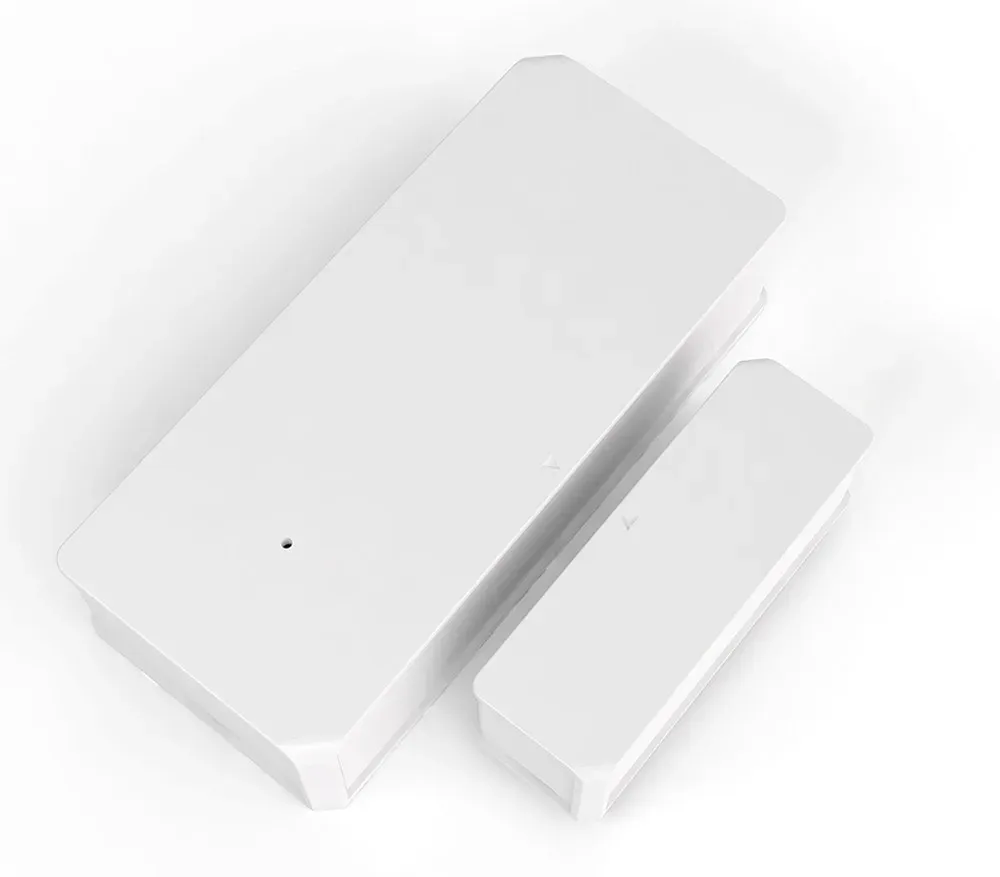
The strongest argument for this model is how it behaves inside the eWeLink ecosystem. You can check real-time open or closed status, receive smartphone alerts, and connect compatible Sonoff devices or IFTTT routines for actions like switching lights when a door opens.
If you already use Alexa or Google Home, voice status checks add another layer of convenience, though the sensor’s main value is still event detection rather than voice control. For households building a layered smart home, it becomes a useful trigger rather than a flashy standalone device.
Where it fits best, and where to think twice
This sensor makes the most sense for front doors, balcony doors, cabinets, and windows that need simple state monitoring rather than full intrusion analytics. It is also a practical add-on for anyone who wants a low-cost entry point into security automation without installing a larger control panel.
The main caution is compatibility discipline: one real review reported pairing trouble with eWeLink, so the setup experience may depend on network conditions and app configuration. If you already run a stable 2.4 GHz smart home network, the device is easier to appreciate; if not, the setup step deserves patience before you expand the system.