











Clean ride data without the handlebar clutter
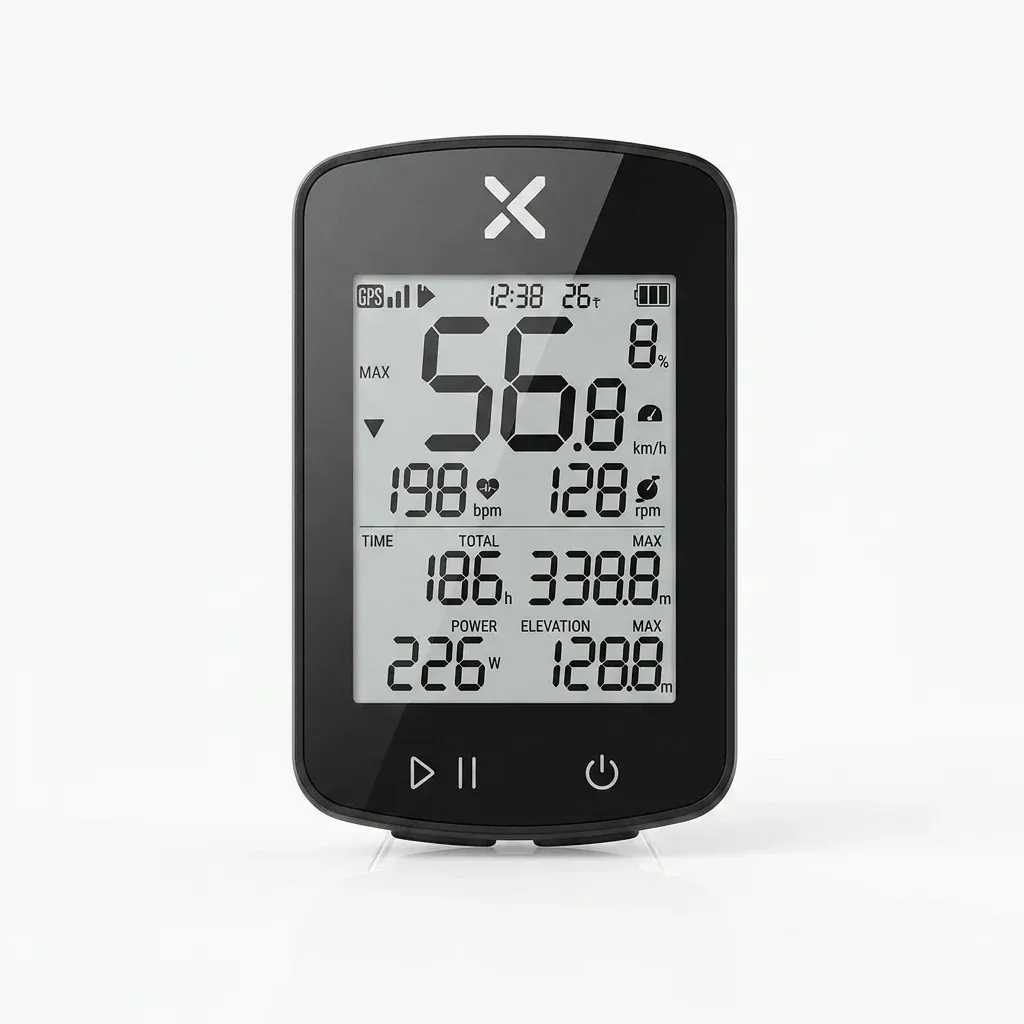
The BSC100S solves a common problem for road and commuter riders: you want ride data at a glance without mounting a phone or dealing with a bulky screen. This unit keeps the cockpit tidy while still showing the essentials in a format that is easy to read mid-ride.
Users who prefer a simple setup seem to appreciate that balance, and the 2.6-inch black-and-white display helps keep information visible in bright daylight. That simplicity is the point here, but how well does it hold up once you start pairing sensors and riding longer routes?
What the 2.6-inch display changes on the road
The screen is not large by modern GPS standards, yet the monochrome layout works in its favor because numbers stand out clearly instead of competing with color graphics. For riders who glance down for speed, distance, or elapsed time, that can feel faster than navigating a more complex interface.
Because there is no touch layer, the unit avoids accidental inputs from gloves, rain, or sweaty hands. That makes it better suited to practical riding than to phone-like interaction, especially when the road gets rough and you want the display to stay predictable.
Wireless setup for speed and cadence tracking
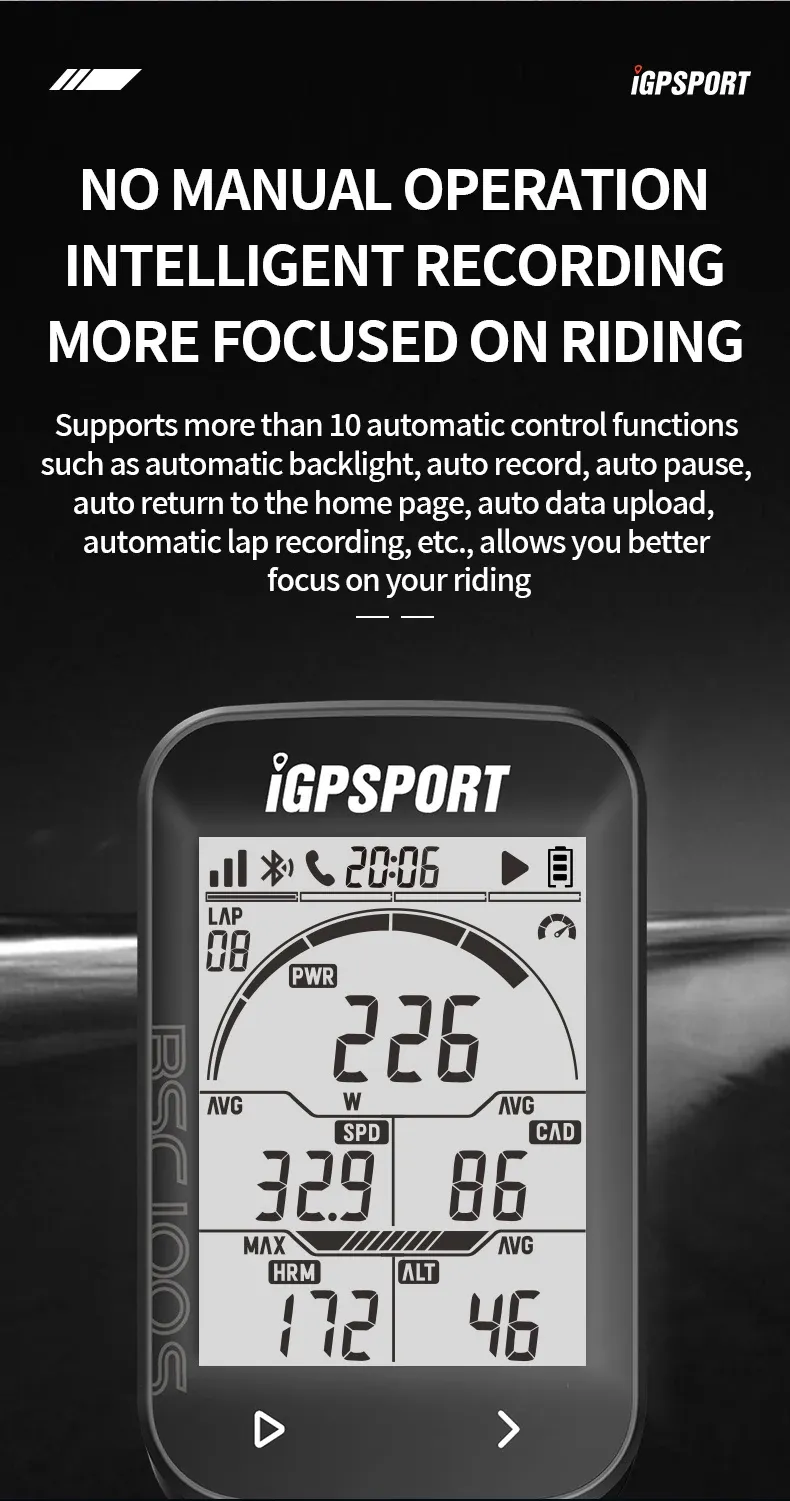
This model supports external devices, which matters if you want more than basic odometer readings. Paired with sensors, it can turn a simple head unit into a more complete training tool, and customers frequently mention that pairing with speed and cadence sensors makes the experience feel much more capable.
The tradeoff is that setup depends on the companion app and initial configuration, so first-time users should expect a little preparation before the ride feels seamless. Once configured, the system is straightforward, which is why it suits riders who want useful data rather than a complicated navigation platform.
IPX7 sealing and Type-C charging in real use
IPX7 water resistance gives the BSC100S a meaningful edge for all-weather commuting and endurance rides, because sudden rain is less likely to end the session. Type-C charging is another practical win, since it fits the same cable ecosystem many riders already carry for lights, phones, and power banks.
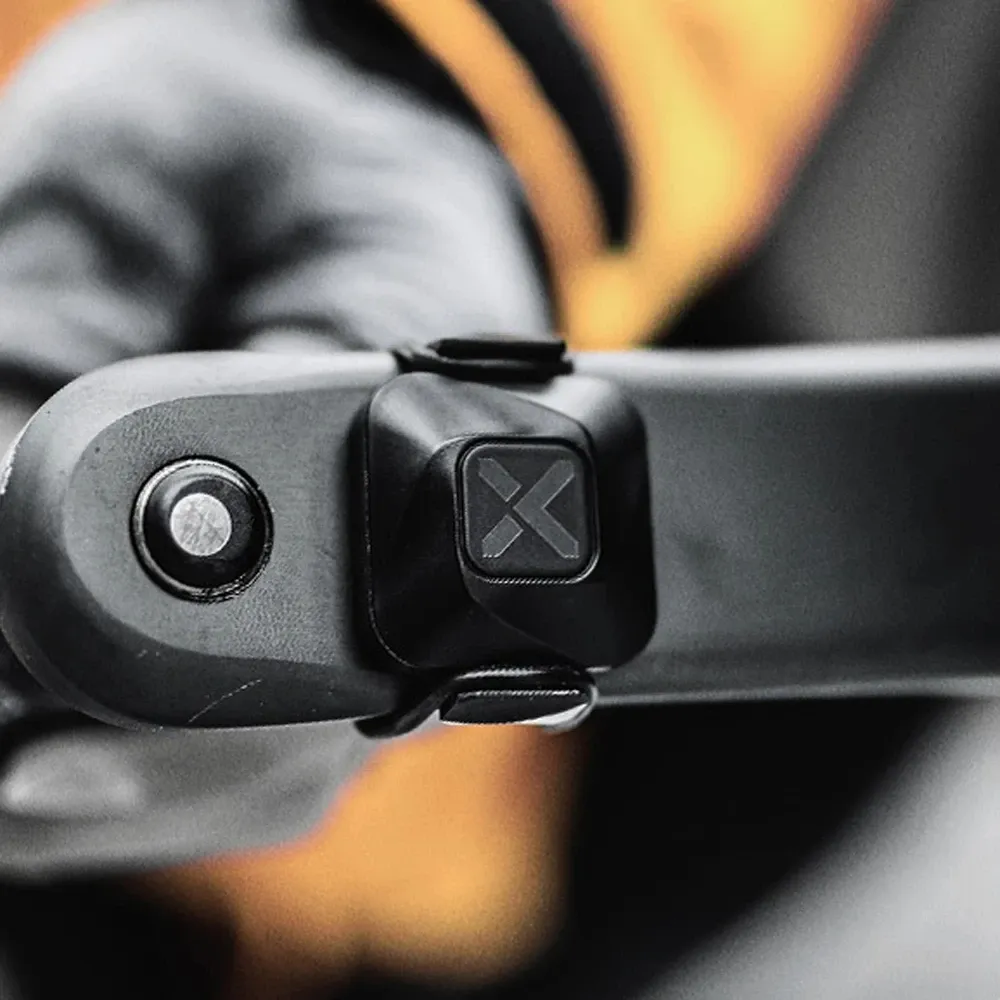
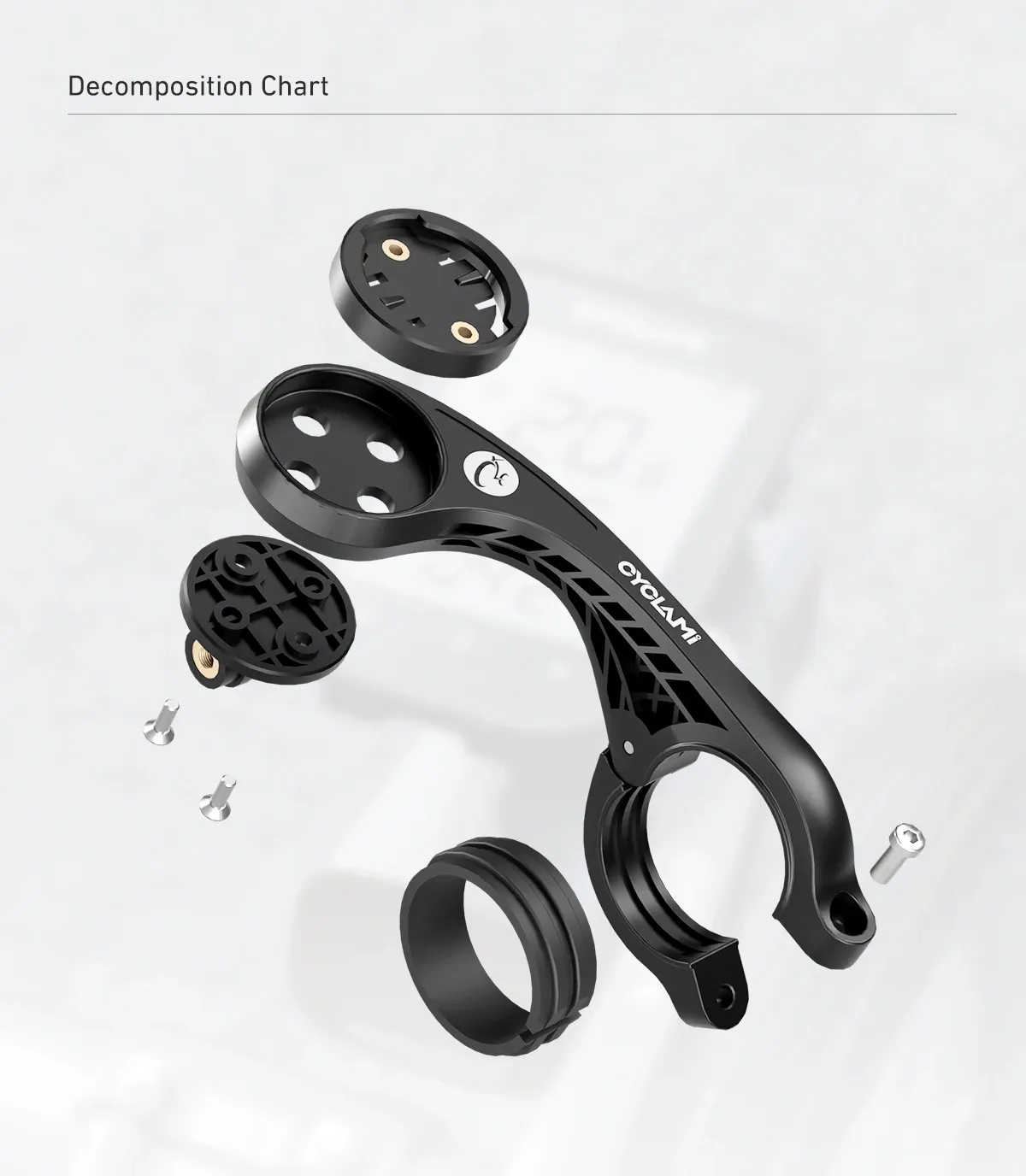
The body is compact enough to sit neatly on a stem or handlebar mount, and the wireless design reduces cable mess around the front end. That cleaner installation is easy to appreciate on bikes with limited space, especially if you are already running lights or a front bag.
Who will get the most from it
This computer makes the most sense for riders who want dependable ride stats, not turn-by-turn routing or a full color dashboard. According to customers, the interface feels intuitive and the brightness is strong enough for outdoor use, which is a good sign for everyday training and commuting.
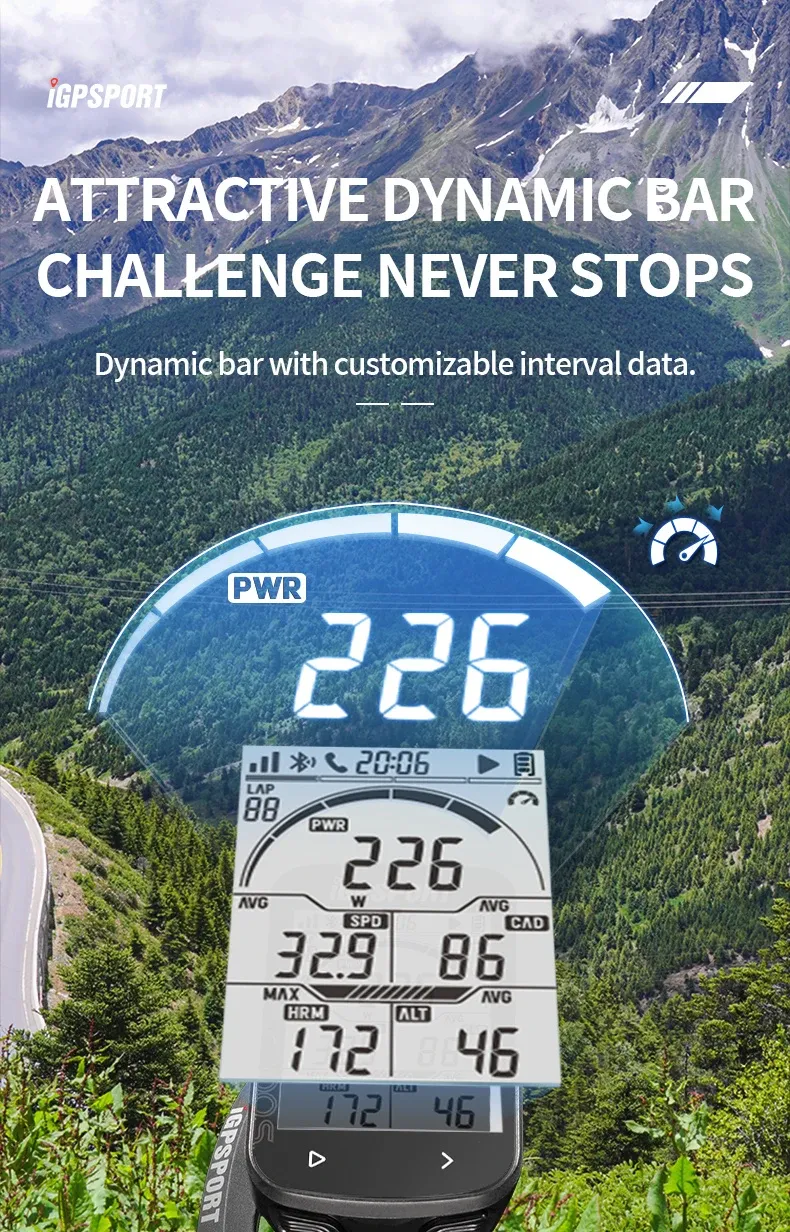
If you are comparing it with a phone-based setup, the advantage is focus: fewer distractions, better visibility in motion, and less battery drain on your phone. For a modestly priced head unit in the AliExpress United States catalog, that combination is where the BSC100S earns attention.
Practical strengths riders notice first
- Easy-to-read monochrome display for quick speed checks
- Wireless cockpit layout with less cable clutter
- Type-C charging for convenient everyday use
- IPX7 protection for wet rides and unpredictable weather
- External sensor support for more complete ride data
- Simple interface that suits commuting and training
Where the experience is less polished
- No navigation function, so it is not a route-guidance device
- Initial pairing can take a few minutes before everything is synced
- Basic display design favors clarity over advanced graphics
- Best results depend on using the app and compatible sensors correctly