










Training data without a cluttered cockpit
The XOSS G3 series solves a common rider problem: you want reliable speed and ride tracking without mounting a phone on the bars or draining its battery. This unit keeps the cockpit tidy while giving you the core ride metrics that matter on long road sessions and rough MTB routes.
XOSS has built a solid reputation in the AliExpress cycling niche by focusing on practical hardware rather than flashy extras, and this model follows that pattern. The brand’s strength is straightforward ride computers that are easy to set up, widely used by budget-conscious cyclists, and usually well matched to the needs of everyday training, which makes the G3+ worth a closer look.
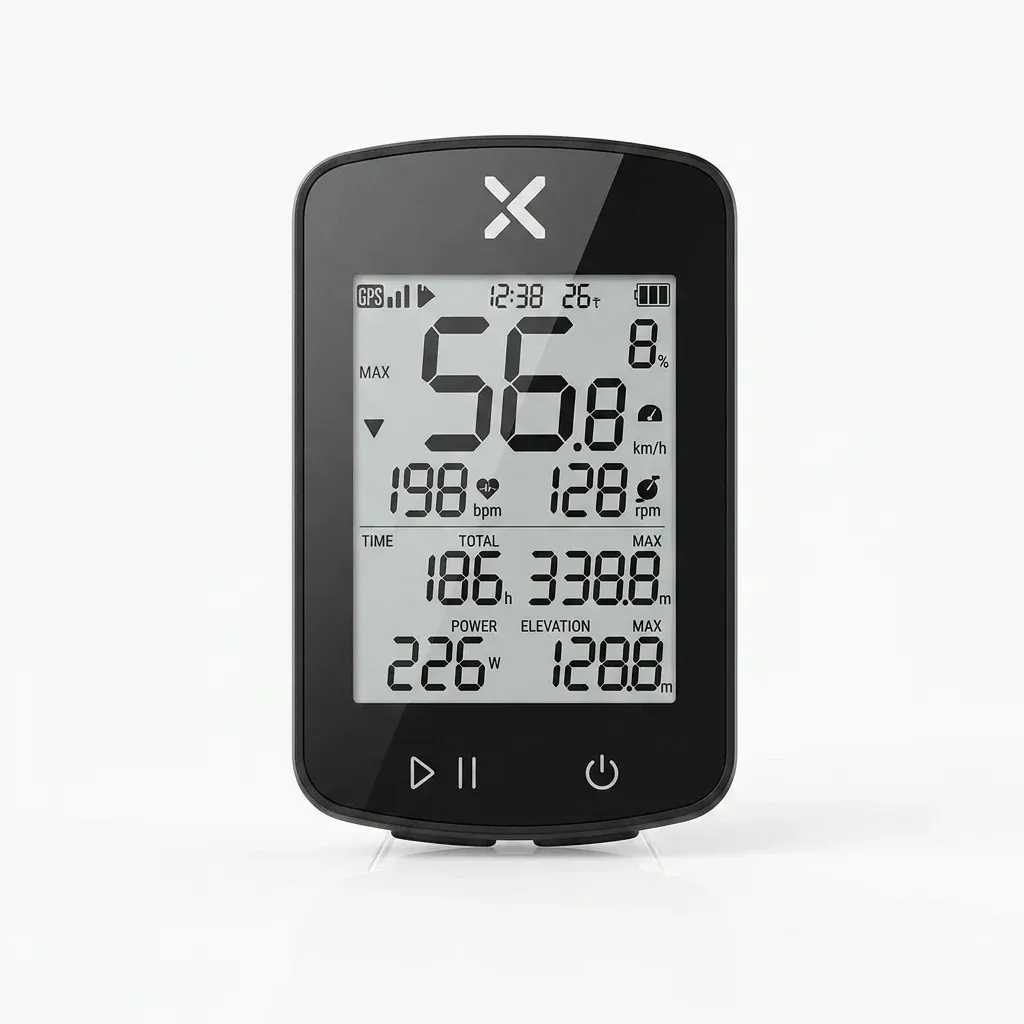
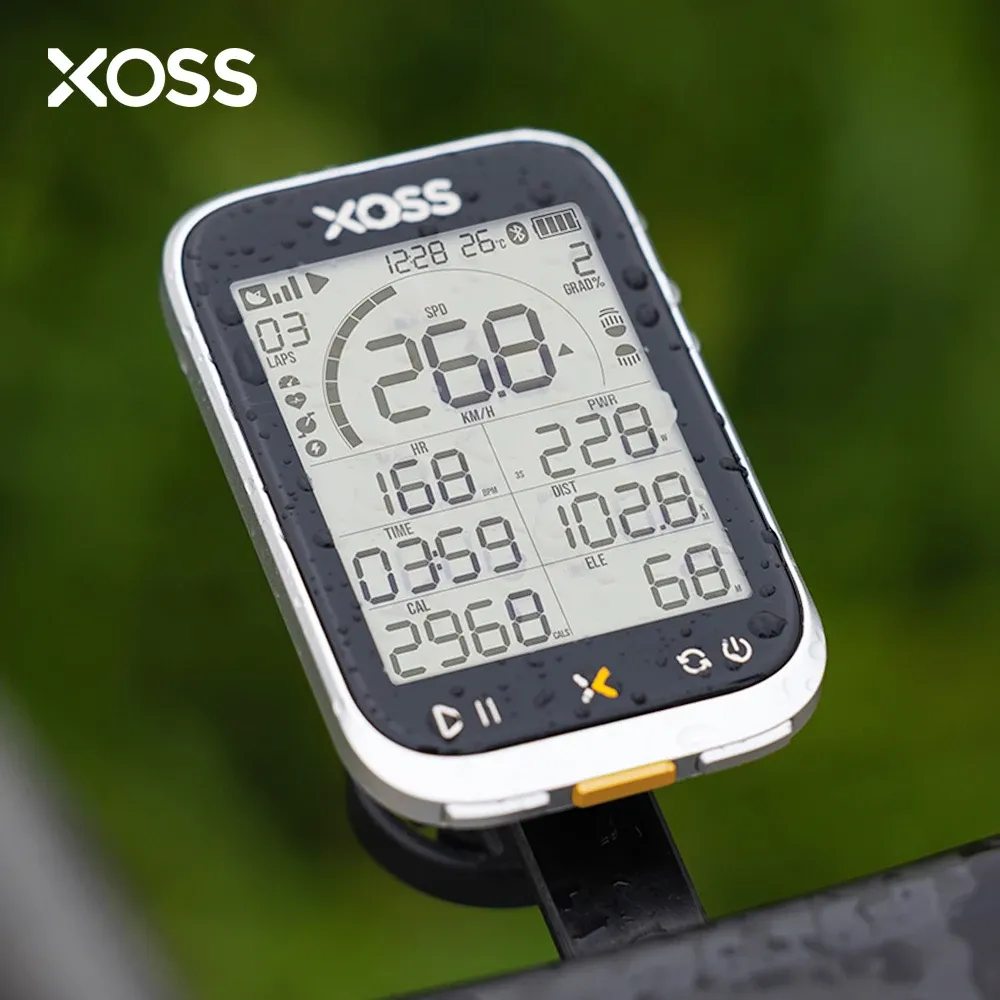
2.8-inch screen: enough room to read at speed
The 2.8-inch display is the feature that changes the experience most, because you can check speed, distance, and timing without squinting. On rough roads or during interval work, a larger screen reduces the need to lean forward and stare at the bars, which keeps attention on the trail or traffic ahead.
That size also helps when you want multiple fields visible at once, especially if you prefer a simple training layout instead of scrolling through screens. Compared with smaller GPS units, this one feels easier to read in motion, and that matters more than raw spec sheets suggest.
G3 versus G3+: the external-device difference matters
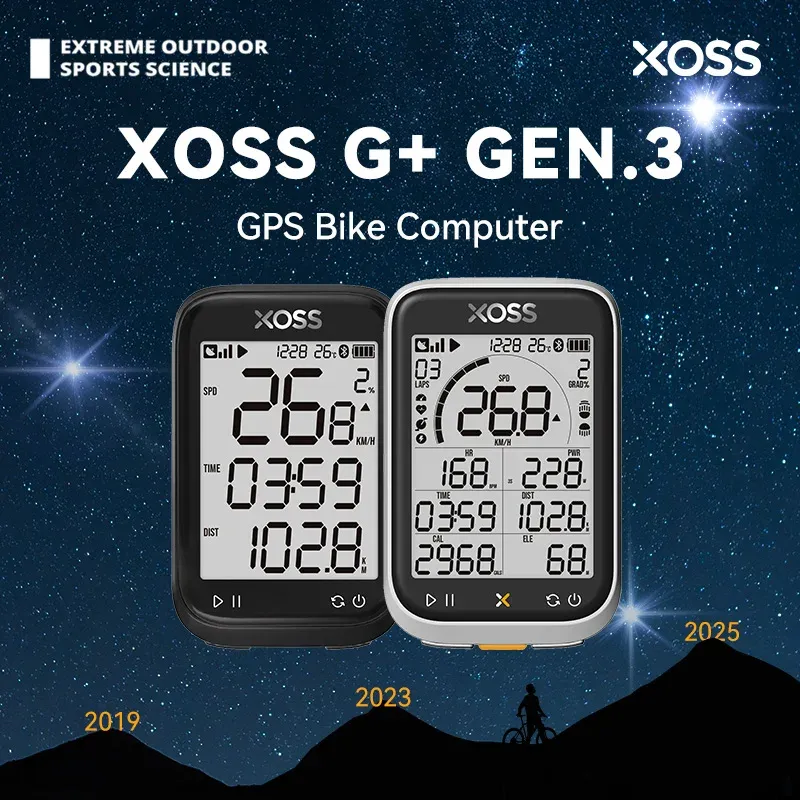
The most important buying detail is the version split: the G3 cannot connect to external devices, while the G3+ can. If you plan to pair sensors for cadence, speed, or other accessories, the G3+ is the safer choice because it gives you room to expand beyond basic GPS tracking.
For riders who only want ride logging and a visible speed readout, the standard G3 can still be enough. If structured training is part of your routine, the G3+ is the version that better fits that workflow, and that distinction is easy to miss if you only look at the product title.
IPX7 protection for wet rides and easy cleaning
IPX7 water resistance means the unit is designed to handle rain, spray, and the occasional wash-down after a muddy ride. That is useful for commuters and trail riders alike, because electronics on a handlebar mount need to survive real weather rather than fair conditions only.
It will not turn the computer into an action camera-grade sealed device, but it does remove a lot of everyday anxiety. For riders who train through changing seasons, that level of protection is the difference between a fair-weather accessory and a practical all-rounder.
Type-C charging and wireless setup
Type-C charging is a welcome detail because it uses the same cable ecosystem as many phones and cycling accessories. Wireless operation also keeps the cockpit cleaner, with fewer dangling leads and less installation fuss than older wired bike computers.
The setup feels aimed at riders who want quick preparation before a ride, not a device that demands a long calibration routine. According to users, the unit has been well received for meeting basic cycling needs cleanly, and that kind of feedback usually points to dependable day-to-day use rather than gimmicks.
Who gets the most value from it
This bike computer makes the most sense for riders who want GPS-based ride data, a readable screen, and weather resistance without moving into premium pricing territory. Road cyclists, MTB riders, and commuters will all benefit, but the G3+ is the stronger pick if external sensors are part of your training plan.
If you already rely on a phone app for every ride, this device offers a more focused experience with less distraction and better battery discipline. If you want to compare it against other compact bike computers, the real question is whether you need the G3+ sensor support or only the essentials.