












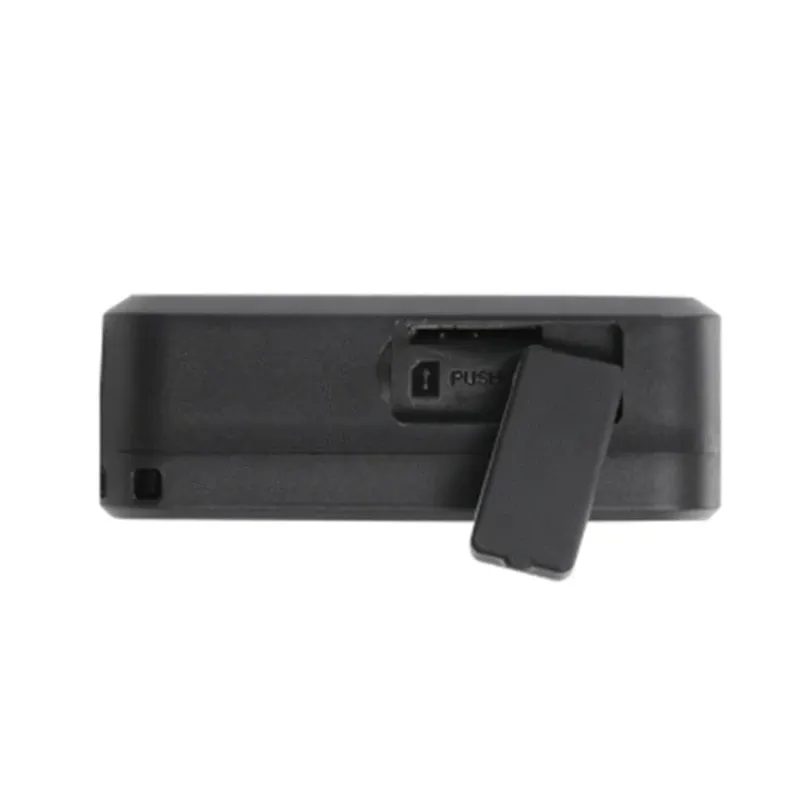
Real-time tracking in a body small enough to hide in plain sight
The main appeal of the G68 is simple: it gives you live location visibility without turning the tracked item into something bulky or obvious. That matters for a child’s backpack, a bicycle frame, or a travel bag, where a larger unit can be awkward to mount or easy to notice.
AliExpress United States shoppers usually compare devices like this against Bluetooth tags, but the G68 sits in a more practical middle ground because it uses 4G and GPS instead of short-range proximity. That means you are not limited to being near the object to check its position, which is the key difference users notice first.
4G and GPS working together for wider coverage
This tracker is designed for situations where a simple “nearby” signal is not enough. GPS provides outdoor positioning, while the 4G connection lets the device send updates through the mobile network, which is why it suits moving assets and people rather than static indoor items.
Users’ feedback points to fast position acquisition and strong GPS sensitivity, which is encouraging for a compact tracker in this class. In practice, that can mean less waiting when you open the app and a better chance of getting a usable fix in open air, so the next question is how easy the daily use feels.
App control that lowers the learning curve
The included mobile app is one of the product’s strongest practical points because it removes the need for a separate receiver or a complicated dashboard. The interface is described by customers as intuitive, which is especially useful for parents, caregivers, or anyone who wants quick checks rather than constant configuration.
That ease of use matters more than it sounds, because tracking devices often fail in the real world when setup is too technical. Here, the appeal is not advanced fleet software; it is fast access to location data from a phone, which makes the device feel closer to a daily tool than a niche gadget.
USB-C charging fits modern carry and reuse habits
USB-C charging is a small detail that improves the experience every day, especially if you already use the same cable standard for phones, power banks, or earbuds. It reduces the friction of keeping the tracker ready, and that is important for a device you may only notice when you actually need it.
Compared with older micro-USB trackers, this is easier to integrate into a modern bag or vehicle kit. The trade-off is that any GPS tracker depends on battery management, so the best results come from treating it as a monitored device rather than a set-and-forget accessory, which leads naturally to where it fits best.
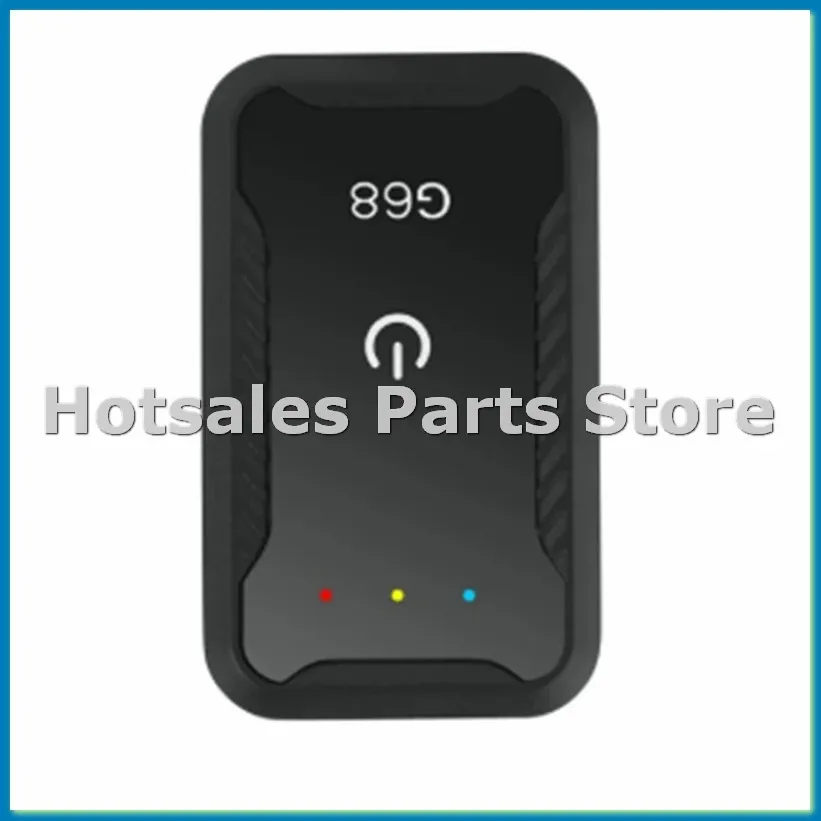
Best use cases: people, bikes, and everyday assets
The G68 makes the most sense for items and people that move across large areas: a child on the way to school, an elderly family member who needs supervision, a commuter bicycle, or a bag with important gear. Its compact form keeps installation flexible, so you can place it where it is least visible and most secure.
It is less compelling for users who want ultra-long standby time or deep enterprise tracking features, because this product is aimed at straightforward personal monitoring. For that audience, the 4.6-star average from early customers and the strong positive response suggest a device that does the core job reliably, without pretending to be more than it is.
What to keep in mind before choosing it
- Real-time updates depend on mobile network coverage, not just GPS signal.
- Compact size helps concealment, but it also means battery capacity is naturally limited.
- The app-first design is ideal for quick checks, not complex fleet management.
- Best results come from outdoor or semi-open environments with clear satellite access.