













Compact climate sensing for smarter room control
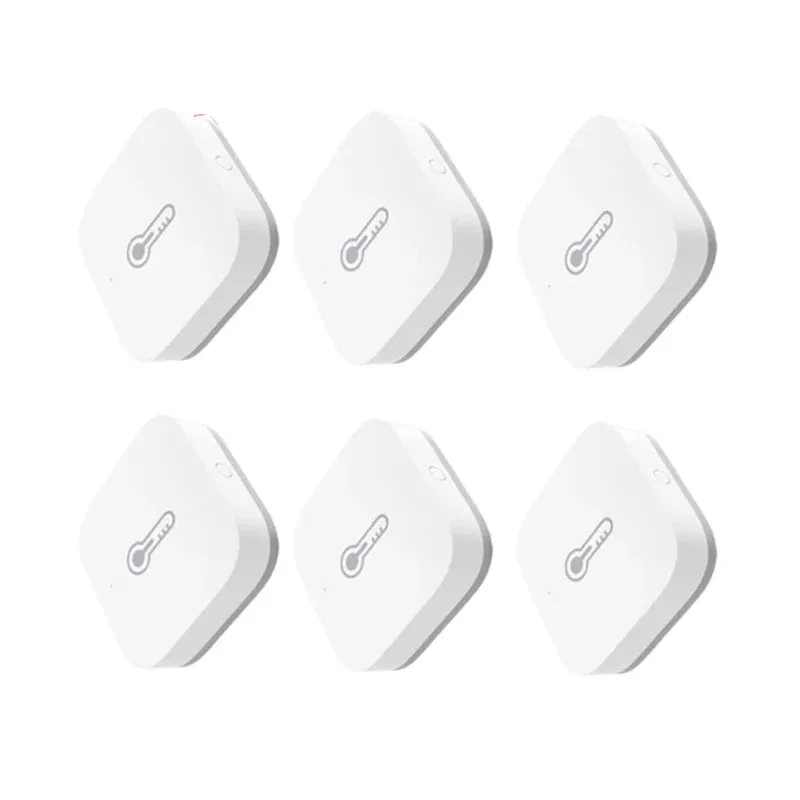
This Aqara sensor solves a simple problem: it gives your smart home real environmental data instead of guesswork. As a Xiaomi brand product, it carries the kind of ecosystem focus that has made Aqara a dependable name in the AliExpress smart home niche, especially for users who want stable Zigbee accessories rather than noisy Wi‑Fi gadgets.
At just 36 × 36 × 9 mm, it disappears on a shelf, wall, or cabinet edge while still monitoring temperature, humidity, and air pressure in one unit. That small footprint matters when you want room data without adding clutter, so the real question becomes how well it integrates with the rest of your setup.
Zigbee connection that keeps the sensor light and efficient
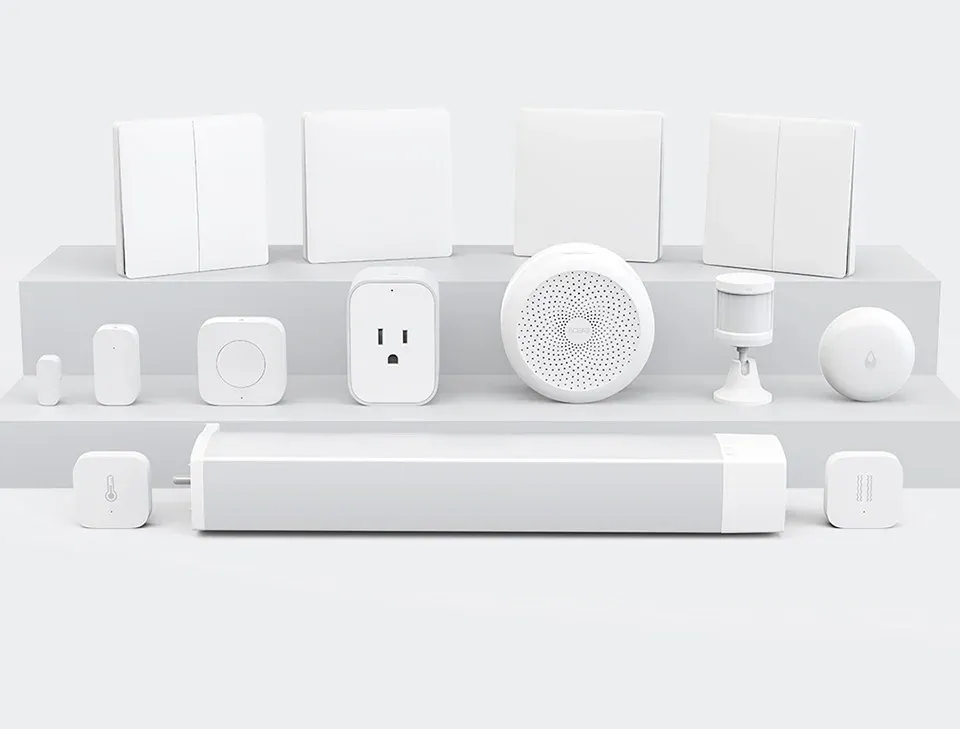
The Zigbee protocol is the main reason this model stands out against app-only Bluetooth sensors or power-hungry Wi‑Fi alternatives. It needs an Aqara or Xiaomi multifunction gateway to operate, but that tradeoff usually brings faster pairing, lower battery drain, and a more stable mesh for whole-home automation.
Users report easy setup with Home Assistant, Zigbee2MQTT, and EU server environments, which suggests the sensor is strongest in mixed-platform homes. If your smart home already runs on a hub, this is the kind of device that can quietly join the system and stay there for months without attention, which is exactly what a sensor should do.
Why the three-in-one readings matter in daily use
Temperature accuracy of ±0.3°C and humidity precision of ±3% make the readings useful for more than casual checking. That level of detail helps when you are tuning a humidifier, watching a nursery, or trying to stop a room from feeling stuffy before it becomes uncomfortable.
Air pressure monitoring is the extra layer that many cheaper climate sensors skip, and it can be useful for weather-aware automations or tracking environmental shifts in sensitive spaces. In practice, that means one tiny device can support comfort routines, ventilation triggers, and even alert-based scenes without needing separate sensors for each task.
HomeKit and Aqara automation depend on the hub
The biggest buying detail is not the sensor itself but the hub requirement, because HomeKit support only works through an Aqara gateway. That is not a flaw so much as a platform rule, yet it matters if you expected direct phone control without a bridge.
Once the hub is in place, the sensor can trigger other devices such as smart plugs or fans when thresholds are crossed. According to customers, the battery life can stretch beyond a year, which makes the included CR2032 cell more than a starter accessory and helps the device stay practical over time.
What the small body hides inside
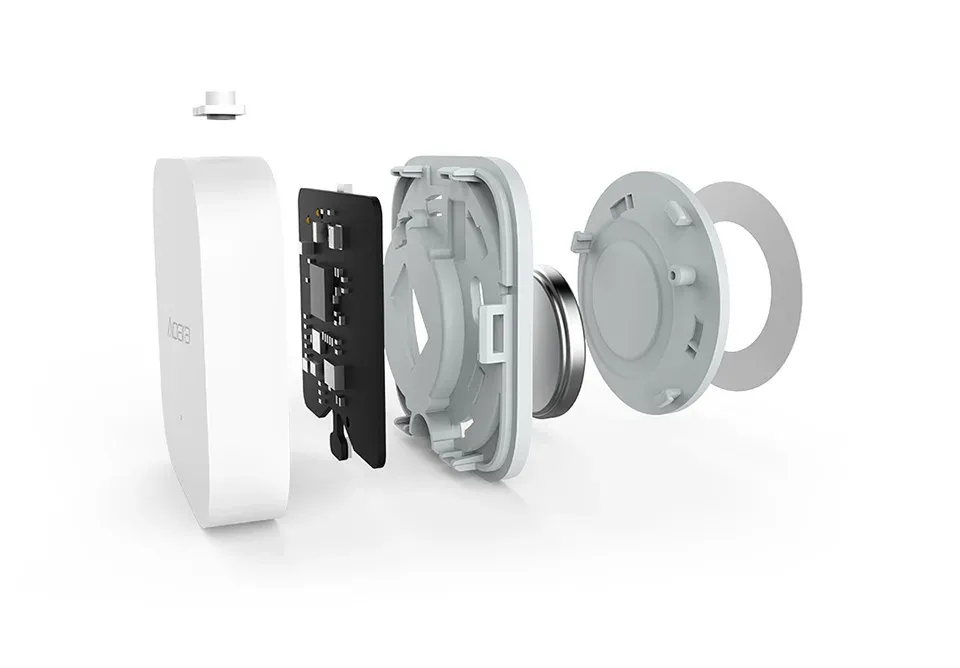
The use of a Sensirion sensor chip is a meaningful detail because it points to the kind of measurement consistency buyers usually want from a room monitor. You do not get a screen, sound alert, or direct remote function on the device itself, so the value comes from clean data feeding into your automation rules.
That makes it better suited to users who already think in scenes and thresholds than to anyone looking for a standalone display gadget. If your goal is to make a fan, humidifier, or notification routine react to real conditions, this sensor is built for that workflow, and the setup path is where the next tradeoff appears.
Best fit for hub-based smart homes
For homes built around Aqara, Xiaomi Home, or HomeKit through a gateway, this sensor is a neat, low-maintenance climate node. It is especially appealing when you want accurate room data in a device so small you stop noticing it, yet still reliable enough to keep automations honest.
AliExpress United States readers looking for a simple Zigbee climate sensor will find the value in its balance of size, precision, and ecosystem support. The main question is not whether it can measure the room, but whether your hub setup is ready to let it do the rest.