














Aqara’s strength: compact hardware that fits serious smart home setups
Aqara has earned its reputation in the AliExpress smart home niche by focusing on small, dependable sensors that integrate cleanly with major ecosystems. This model follows that pattern with a discreet body, broad platform support, and the kind of hardware-first approach that appeals to users building a stable automation setup.
What sets the brand apart is not flashy design but consistency in pairing, ecosystem compatibility, and low-power wireless operation. That matters here because a climate sensor is only useful if it stays connected and reports data without becoming a maintenance task, so how does this one handle daily use?
Small body, useful data: why the size matters
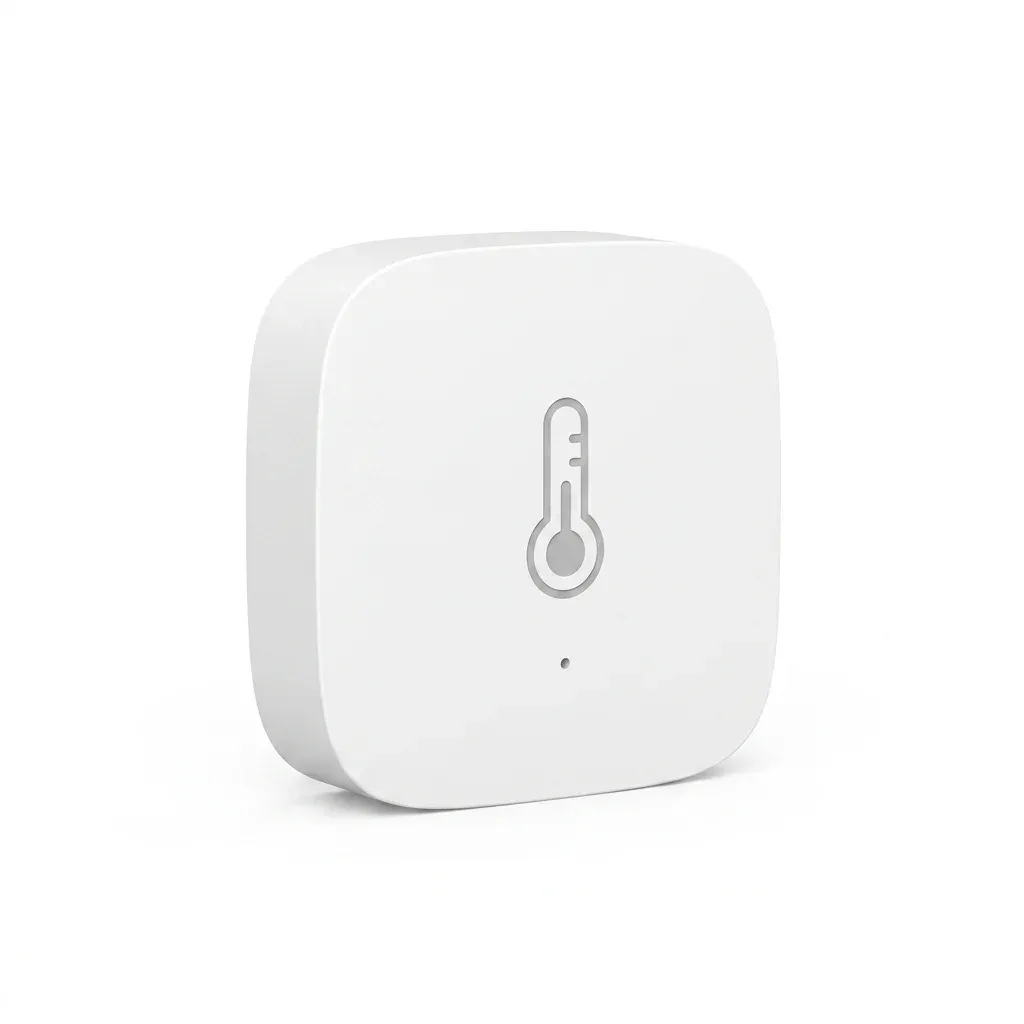
The sensor is tiny enough to disappear on a shelf, desk, or wall-mounted accessory area, which makes it easier to place where readings are actually meaningful. In practice, that helps avoid the common problem of oversized sensors that look out of place and end up measuring the wrong part of the room.
Users also describe it as precise and aesthetically pleasing, which fits the product’s role as a quiet background device rather than a visible gadget. The trade-off is that the battery compartment design has drawn criticism, so the physical build is not as friendly as the measurement side, which leads to an important setup detail.
Zigbee over Wi-Fi: the benefit is stability, not speed
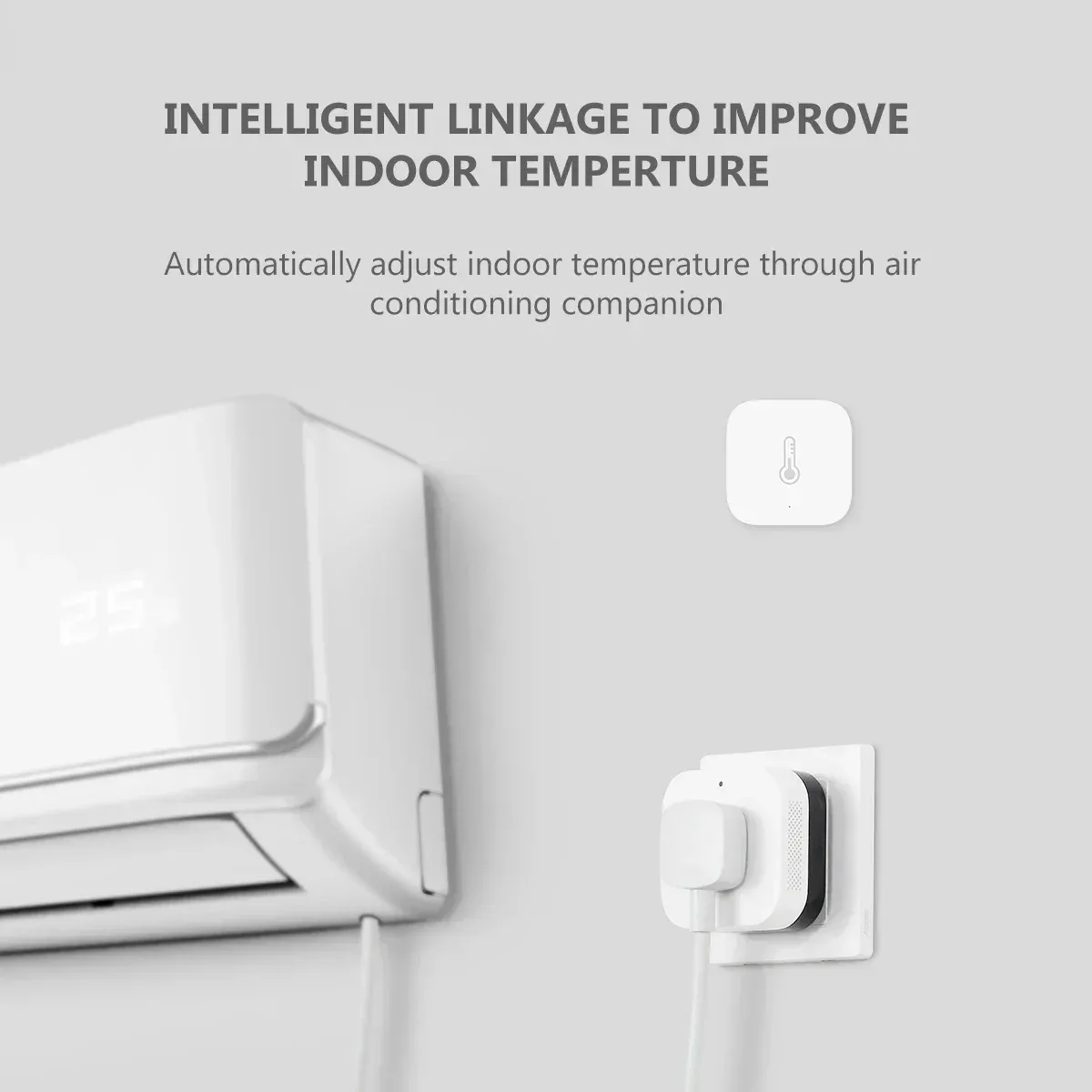
This model uses Zigbee, which is a better fit than Wi-Fi for a sensor that only needs to send small bursts of data. The payoff is lower power use and a cleaner smart home network, especially if you already rely on an Aqara or Mijia gateway for sensors, switches, and automations.
That gateway requirement is the main ownership condition: the sensor needs a compatible hub to work, and HomeKit support depends on the Aqara gateway hub. For Apple Home users, that means the sensor is not a standalone shortcut; it is part of a larger ecosystem, and that is exactly where it becomes useful.
HomeKit and app setup: where the region setting matters
The listing identifies this as a China version, so the app region must be set to Mainland China before pairing. That detail can save time during setup, because region mismatches are one of the most common reasons smart home devices appear to be faulty when the real issue is software configuration.
Real customer feedback is mostly positive, with the product scoring 4.6 out of 5 across 19 reviews, and several users reporting that pairing works well and the sensor functions as expected. A small number of reviews mention battery or calibration concerns, so it is worth checking the battery state immediately after unboxing and confirming readings against another thermometer if accuracy is critical.
What it is best at in a real home
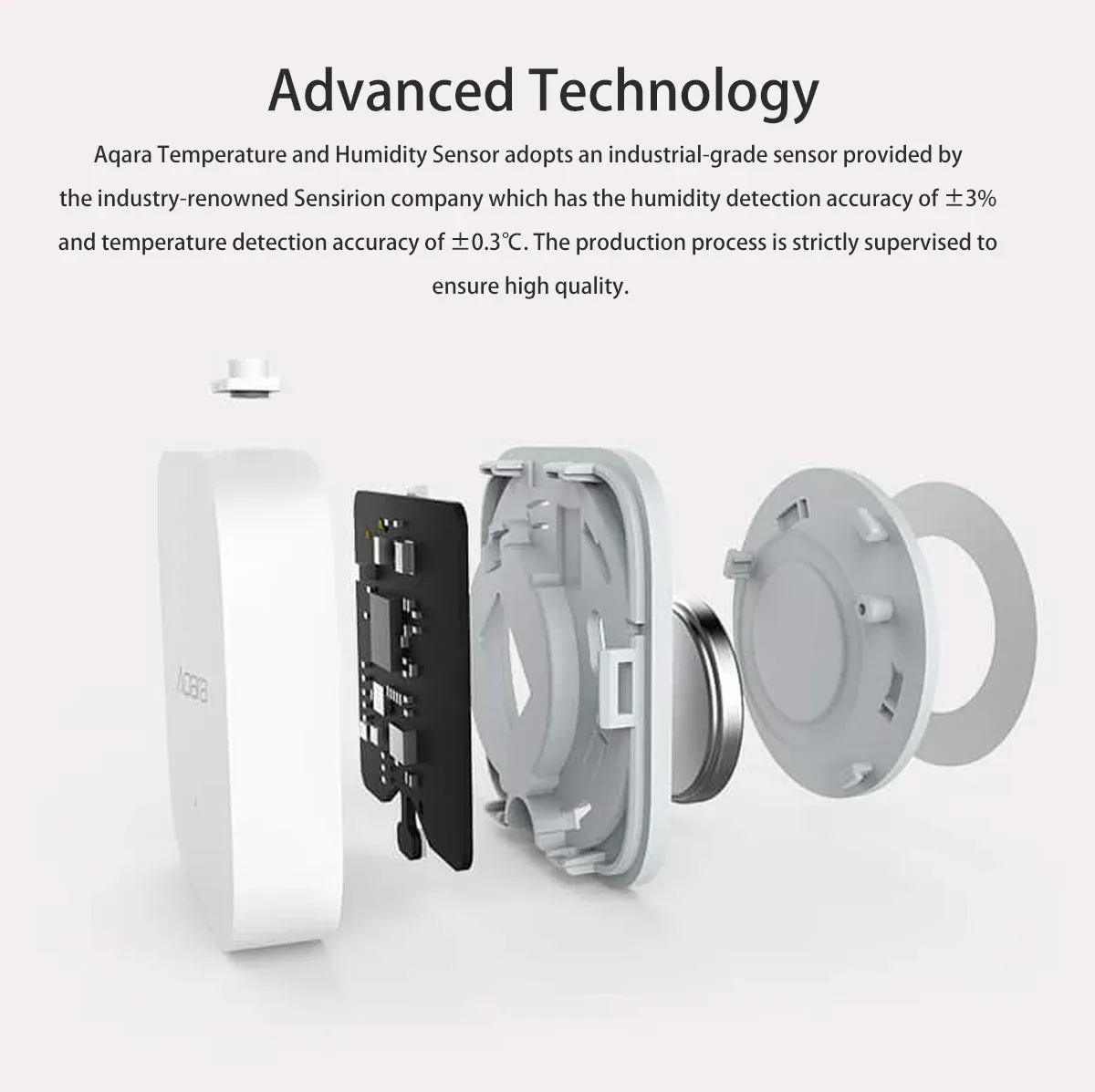
This sensor makes the most sense in bedrooms, nurseries, storage rooms, and climate-controlled spaces where humidity changes matter as much as temperature. It can help trigger a dehumidifier, fan, or air conditioner routine before conditions drift too far, which is more useful than checking a phone app after the fact.
Compared with basic Bluetooth thermometers, the Zigbee route gives better automation potential and usually more reliable always-on placement through a hub. If you want a simple screen to read on the device itself, this is not the right category, but if you want silent background monitoring, it is built for that job.
Battery life and maintenance: the quiet part buyers notice later
The sensor includes a battery and is designed for low-power operation, which is the main reason devices like this can run for long periods without attention. That is a practical advantage in smart home deployments, because a sensor that needs frequent battery changes quickly becomes the least convenient part of the system.
The weak point is access, not endurance, since one review specifically noted a difficult battery compartment. If you plan to mount several units around the home, it is smart to install them where battery changes will still be manageable later, and that small planning step can matter more than the initial setup.