













Xiaomi-backed reliability in a tiny contact sensor
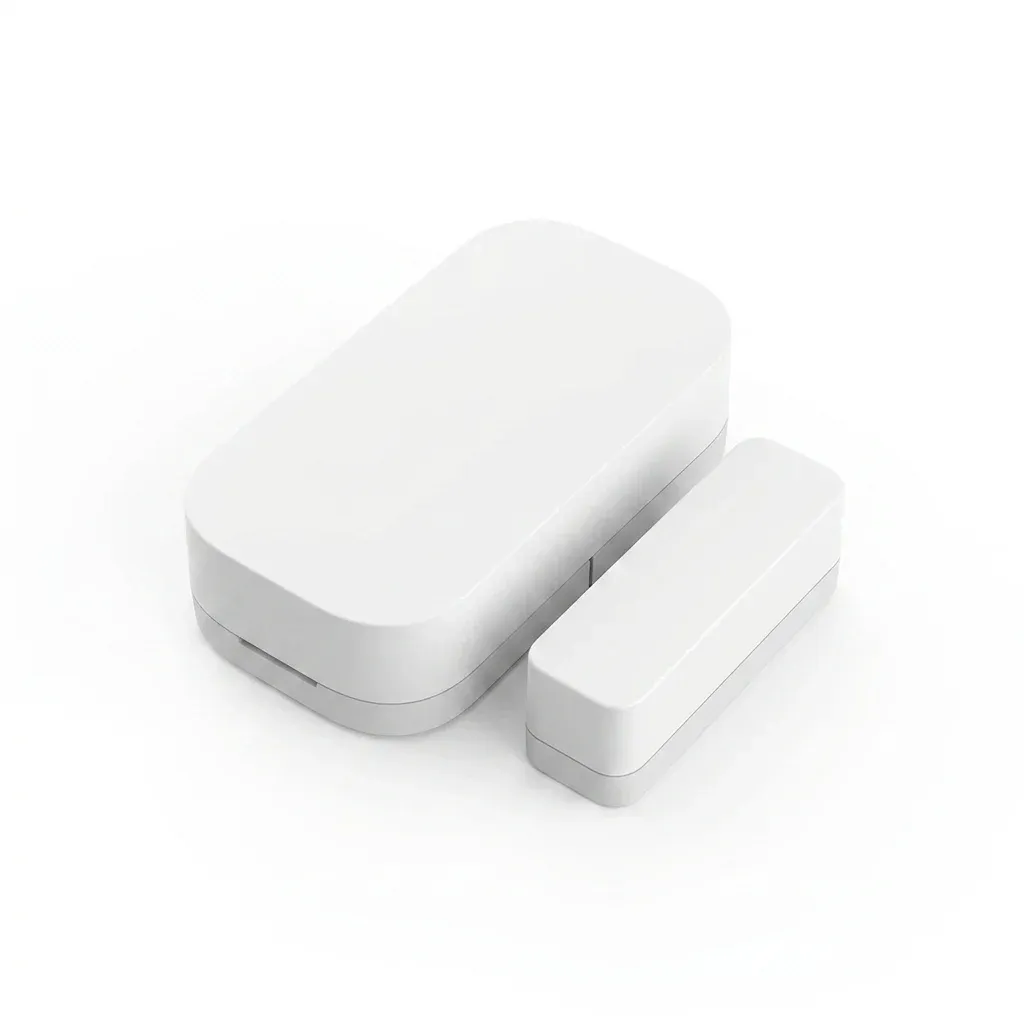
Aqara has built a strong reputation in the AliExpress smart home niche by focusing on stable Zigbee accessories that integrate cleanly with larger ecosystems. This sensor follows that formula, pairing Xiaomi ecosystem compatibility with a minimalist design that disappears on a frame while still doing one job very well.
It is the kind of device that makes sense when you want dependable entry-level automation without cluttering a room with bulky hardware. The real question is not whether it looks smart, but whether it behaves like a smart-home part should, and that starts with the connection method.
Zigbee connection that keeps the sensor responsive
Because it uses Zigbee rather than Wi-Fi, the sensor is designed to sip power and stay responsive through a compatible hub. In practice, that usually means faster event triggering and less battery stress than many budget Wi-Fi contact sensors, which is useful if you want a door alert that feels immediate.
The trade-off is simple: you need a Xiaomi multifunctional gateway or Aqara hub, and HomeKit use requires an Aqara gateway hub as well. That extra step may sound limiting, yet it also explains why the product is aimed at users who value a cleaner mesh-based setup over a standalone gadget, so what does that mean for daily use?
What the door and window detection actually enables
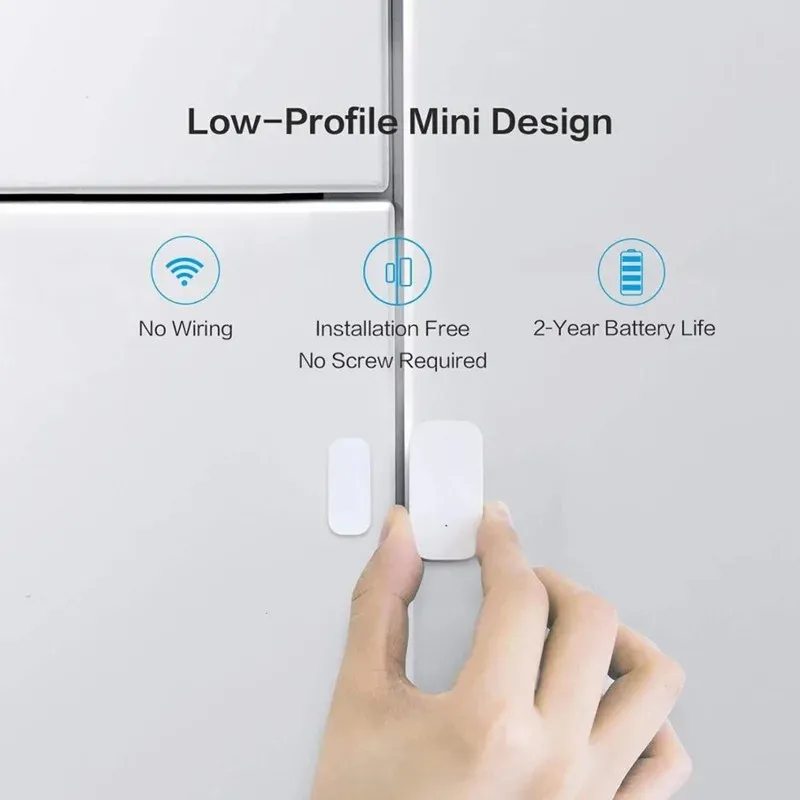
As a contact sensor, it detects open and closed states on doors, windows, cabinets, or even a storage box lid if the alignment is correct. That makes it useful for automation scenes such as turning on lights when a balcony door opens or sending a phone alert when a window is left open.
With two control channels listed, the product is positioned as a simple trigger rather than a complex controller, which is exactly where it should be. Users looking for motion sensing or presence detection should look elsewhere, but for contact-based monitoring this focused approach keeps setup and behavior easy to understand, doesn’t it?
Battery-powered installation with almost no visible footprint
The sensor ships ready to go with the battery included, so there is no separate power planning before first use. Its compact body and wireless design make it a practical choice for rental homes, apartments, and finished interiors where drilling or cabling would be inconvenient.
That small size also improves placement flexibility, since the main body and magnet can be aligned on narrow frames or tight sash windows. According to customers, the appeal is often how unobtrusive it feels once mounted, which matters when you want security feedback without turning the doorway into a tech display.
Best fit for Xiaomi Home and HomeKit households
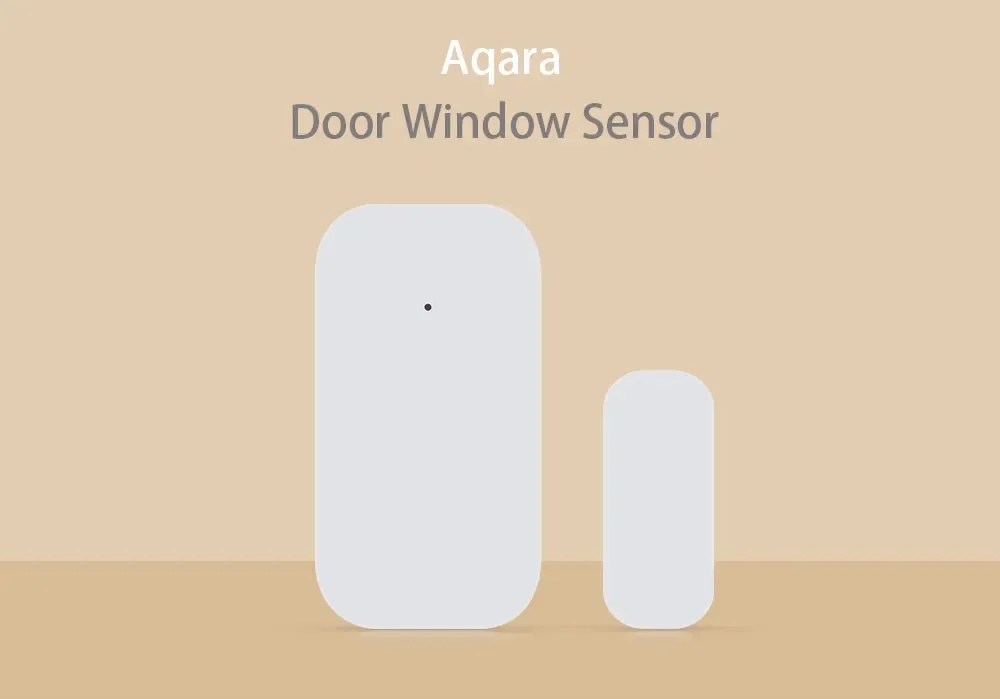
This sensor makes the most sense if you already use Xiaomi Home or Aqara hardware and want another reliable trigger in the same ecosystem. It is less attractive as a one-off purchase for people who do not already own a compatible hub, because the hub requirement is not optional.
For smart-home builders, that limitation can be a strength because it keeps the device focused and predictable rather than overloaded with app compatibility promises. If your setup already runs on Zigbee, the sensor can become a quiet but important part of routines, alerts, and scene automation, so the next step is deciding where it should be mounted first.
Where it outperforms generic budget sensors
Compared with many generic contact sensors, this Aqara unit stands out for ecosystem maturity, certification, and the confidence that comes from a recognized smart-home brand. The CE and RoHS markings also suggest a more disciplined hardware approach than the no-name alternatives that often flood the marketplace.
That does not make it universal, and it does not remove the need for a hub, but it does make the product easier to trust in a primary entry point or frequently used window. For a small sensor, that combination of polish and restraint is what gives it lasting value, especially if your automations depend on it every day.