













Mijia reliability in a sensor that disappears on the frame
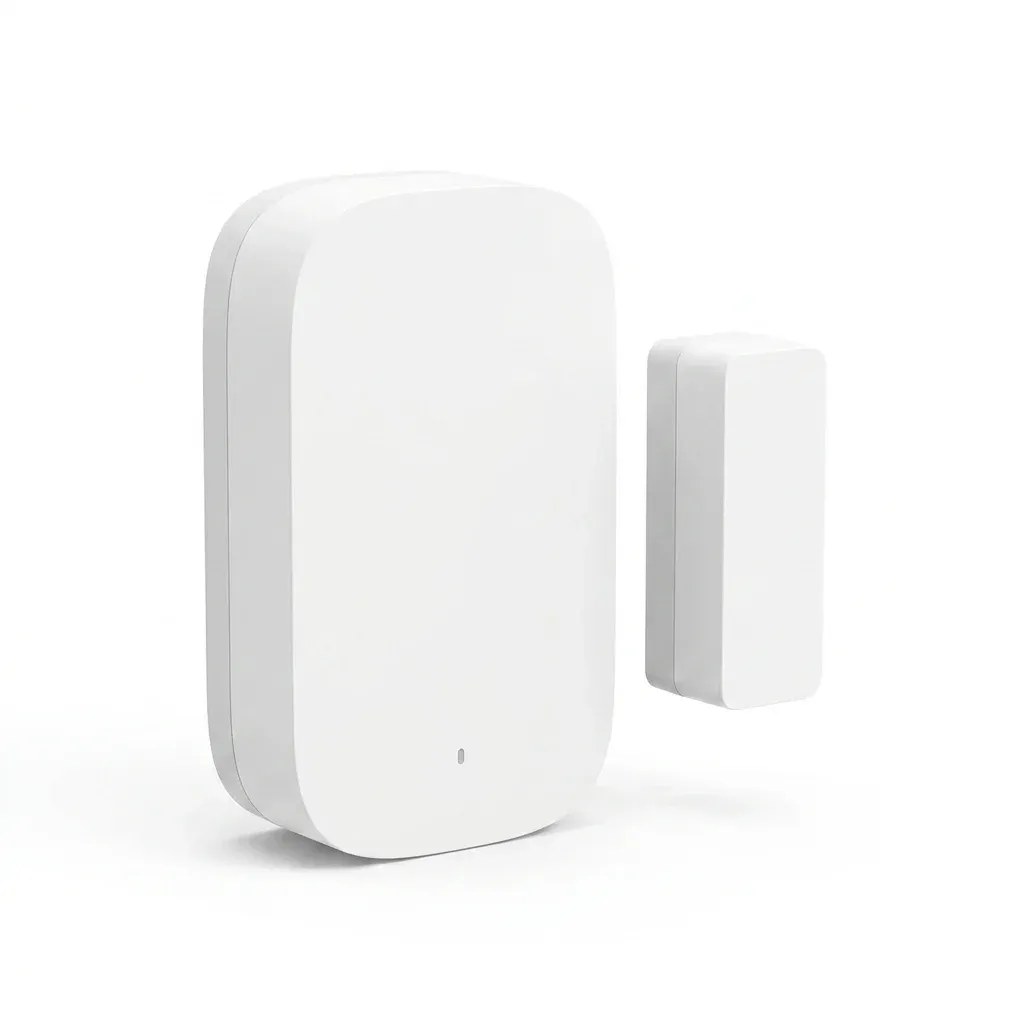
Mijia has earned a strong reputation in the AliExpress smart home space by focusing on compact hardware, stable ecosystem support, and clean integration with major platforms. This sensor follows that pattern, using a tiny body and Zigbee communication to turn a simple door or window into a dependable automation trigger.
What stands out is not flashy design but predictable behavior, which is exactly what matters in entry monitoring. If you want a contact sensor that blends into the frame and reacts fast enough for security scenes, the real question is how it behaves in daily use.
What Zigbee changes in everyday security
Zigbee is the key advantage here because it keeps the sensor responsive without relying on a direct Wi-Fi connection. In practice, that means faster state changes, lower power demand, and a cleaner smart home setup when paired with an Aqara hub or Xiaomi gateway.
Users also report that the sensor responds sensitively and connects reliably once it is added to the right hub, which matches the way well-tuned Zigbee accessories should behave. The catch is simple: this is not a standalone gadget, so the hub decision matters more than the sensor itself.
HomeKit and Mi Home: where the setup pays off
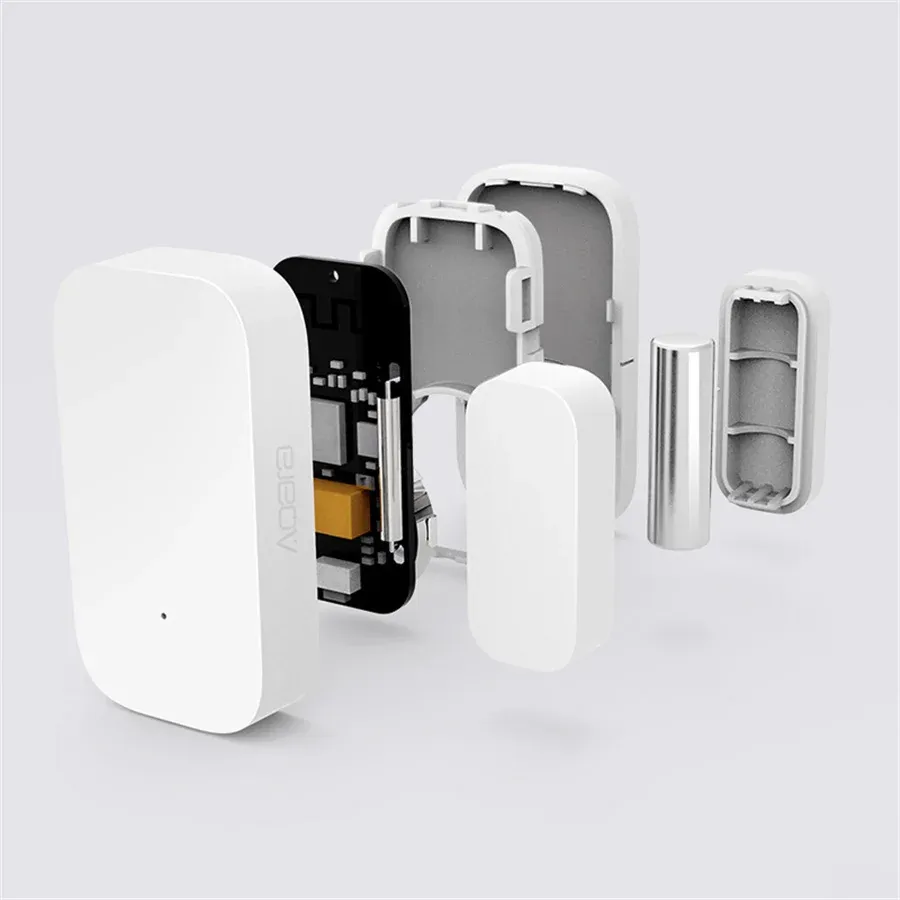
The sensor can work with Apple HomeKit, Mi Home, and Aqara Home, but only when the compatible hub is already in place. That makes it a better choice for people building a coordinated smart home than for someone looking for a direct phone-only alert device.
For HomeKit users, the Aqara hub requirement is the detail that prevents frustration later. Once connected, the sensor can help trigger lights, cameras, or alarms when a door opens unexpectedly, which is a useful layer for apartments, closets, cabinets, and main entry points.
Small body, tight mounting gap, and a practical use case
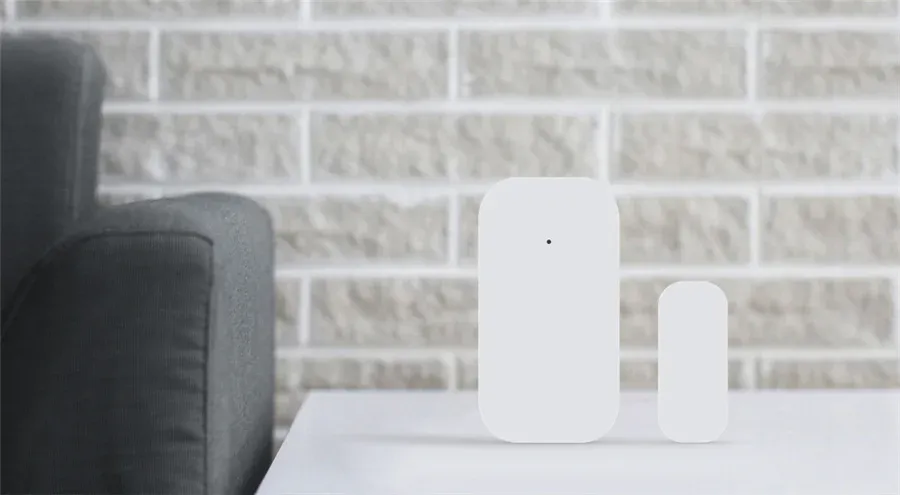
The maximum detection distance is 22 mm, so placement needs to be accurate, especially on older doors with uneven gaps. That limitation is also what allows the sensor to stay so discreet, with a slim profile that does not draw attention on white frames or painted trim.
This is a strong fit for users who want a clean installation on a front door, balcony door, or frequently opened window without a bulky look. Compared with larger battery-powered contact sensors, it feels more like a built-in security detail than an add-on, which makes the next point worth checking.
Battery life and maintenance: the hidden convenience
The included CR1632 battery keeps the setup simple out of the box, and real-world feedback suggests long battery life is one of the product’s strengths. That matters because a door sensor is only useful when it stays invisible in the background instead of becoming another item to maintain.
One user note to keep in mind is that the battery is not meant to be replaced in the same casual way as some larger sensors, so long-term maintenance is more about eventual replacement than frequent servicing. For most households, that trade-off is acceptable if the goal is a small, stable contact sensor with minimal clutter.
Who gets the most from it
According to customer feedback, the sensor’s best qualities are its sensitivity, compact size, and quick response once paired correctly. It is less attractive for casual users who have no Zigbee hub, but it makes more sense for people already invested in Aqara, Xiaomi, or Home Assistant-style automation.
In that context, the value is easy to understand: a discreet security sensor that fits neatly into a mature smart home setup and behaves like a proper ecosystem component. If you are building around Zigbee rather than chasing standalone convenience, this one earns attention.