














Why this relay solves a real retrofit problem
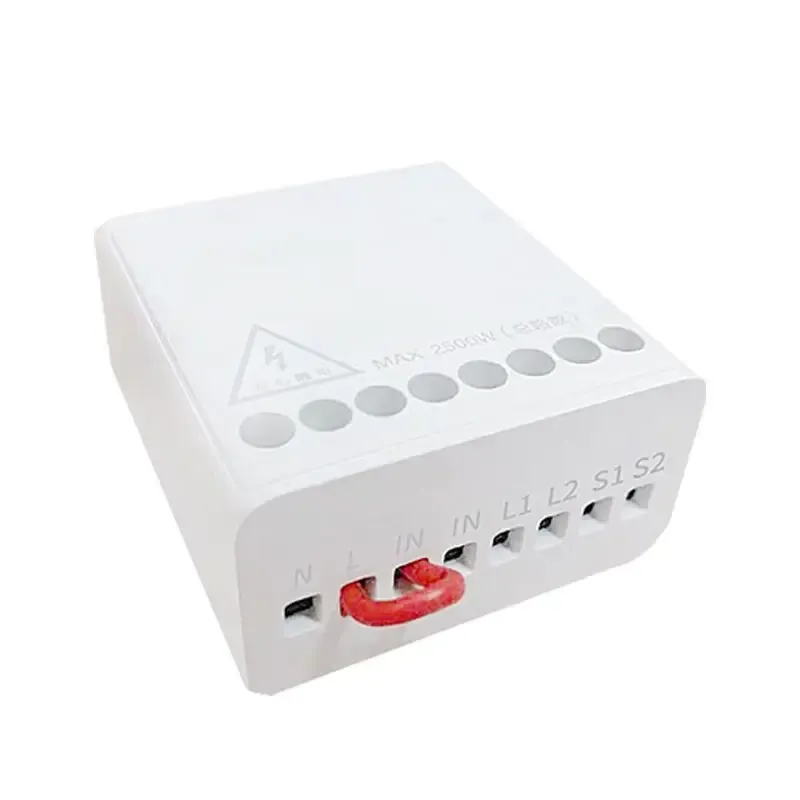
This controller is for homes where the wiring works, but the switch logic feels outdated. It lets you keep a familiar wall setup while adding app control, scheduling, and automation through Zigbee.
That makes it especially useful in apartments and renovation projects where replacing the whole switch assembly is not practical. The appeal is not flash, but a cleaner way to modernize lighting without changing the room’s daily habits.
What Mijia and Aqara bring to the table
Mijia and Aqara have built a strong reputation in the AliExpress smart home niche by focusing on ecosystem stability rather than gimmicks. Their devices usually stand out for reliable hub-based control, broad app support, and tidy integration with automation platforms.
This relay follows that pattern closely, with Zigbee communication and HomeKit compatibility available when paired with the correct Aqara gateway. In other words, the hardware is only half the story, and the ecosystem is where the product earns its value.
Two channels, one compact module
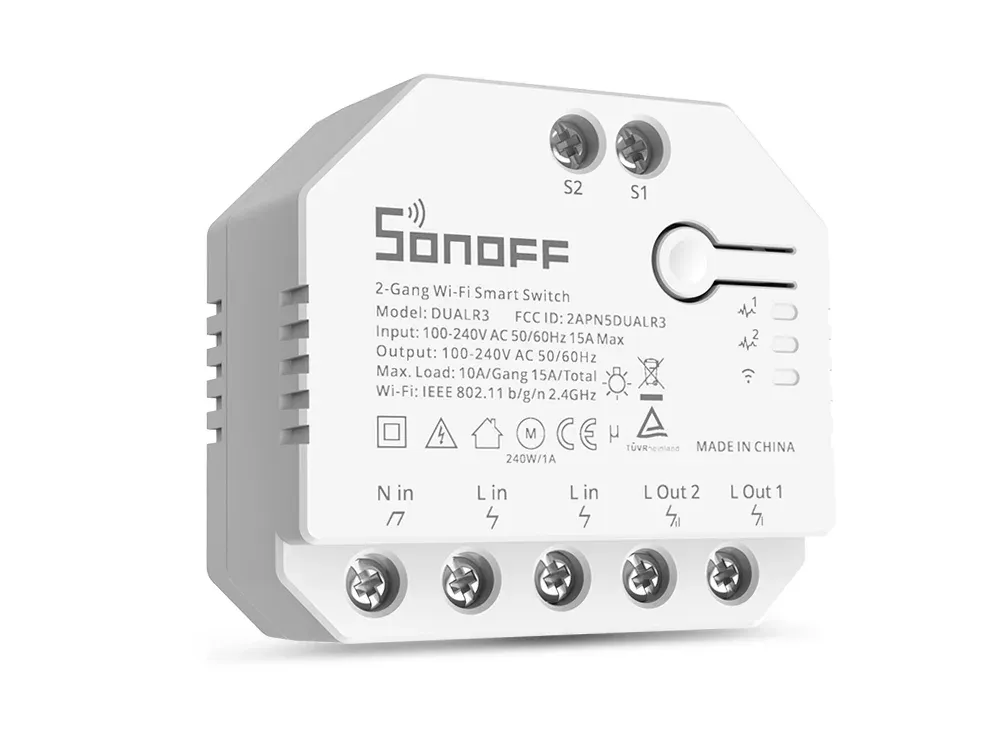
The 2-channel layout means the controller can manage two circuits from a single unit, which is useful for paired lights or split-room setups. For users, that can mean fewer devices behind the wall and a simpler installation footprint.
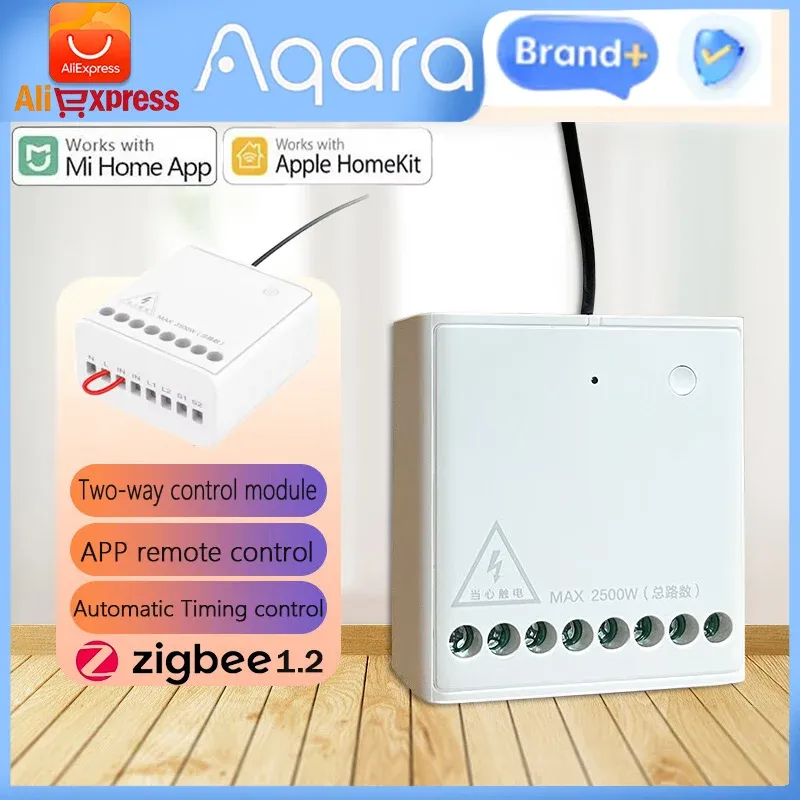
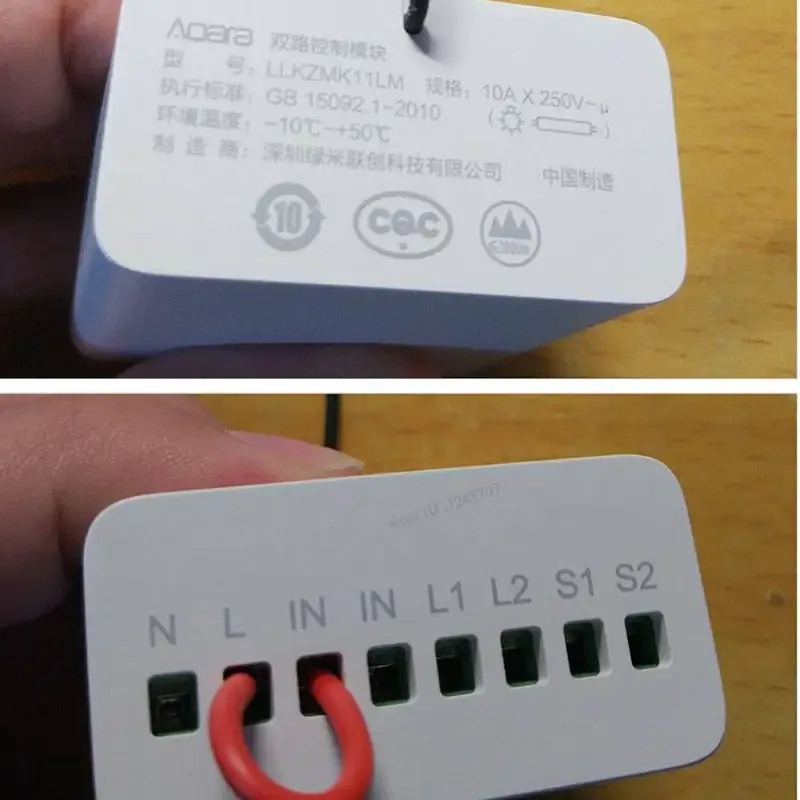
Because it is a ready-to-go module, it is designed more like a retrofit component than a hobby kit. That matters if you want smart control without turning the electrical box into a crowded project, but the wiring details still deserve attention.
Zigbee control feels more dependable than Wi-Fi-only relays
Zigbee is the right choice here because it typically keeps smart home traffic off the home network and responds quickly through a hub. In practical use, that usually means fewer dropouts than budget Wi-Fi relays that depend on cloud access.
Customers note quick arrival and smooth operation when the region and relay mode are set correctly, which is encouraging for a niche controller like this. The small catch is that it needs a compatible Xiaomi multifunctional gateway or Aqara hub, so the relay is not a standalone solution.
HomeKit support is useful, but only with the right gateway
HomeKit compatibility is a genuine advantage for users already invested in Apple automation, yet it is not built into the relay alone. The Aqara gateway is required to expose the device to HomeKit, so the final experience depends on the hub as much as the relay.
That setup may sound restrictive, but it also helps explain why Aqara devices tend to behave more consistently than many generic smart switches. If your home already uses Aqara or Mi Home, this module fits naturally into that environment, which is where the next question becomes installation.
Best use cases: retrofits, paired lights, and timed routines
This controller makes the most sense for lighting that benefits from automation but still needs manual wall control. Stair lights, corridor circuits, and multi-point switching are strong candidates because the relay can preserve the familiar on-off behavior while adding timer logic.
The smart timer feature is useful for routines such as evening shutdowns or wake-up sequences, and it can reduce the need to touch the wall switch at all. That said, the product is less compelling if you want a fully wireless experience, because this is a wired relay first and a smart accessory second.
What to check before you install it
The main buying mistake is assuming it works on its own, when the hub requirement is actually essential. You also need to confirm the relay mode, the region setting, and the compatibility of your existing wiring before installation begins.
Because the unit is CE certified and backed by a one-year warranty, it looks better supported than many unbranded alternatives in this category. For a deeper AliExpress smart-home comparison, AliExpress United States would place it in the group of products that reward careful setup rather than casual plug-and-play use.