














Xiaomi’s connected-home approach in a gas safety device
Xiaomi has built a strong reputation in the AliExpress smart home niche by focusing on practical devices that integrate cleanly into larger automation setups. That matters here, because a gas detector is only useful if it reacts quickly, stays reliable, and fits into the home ecosystem you already use.
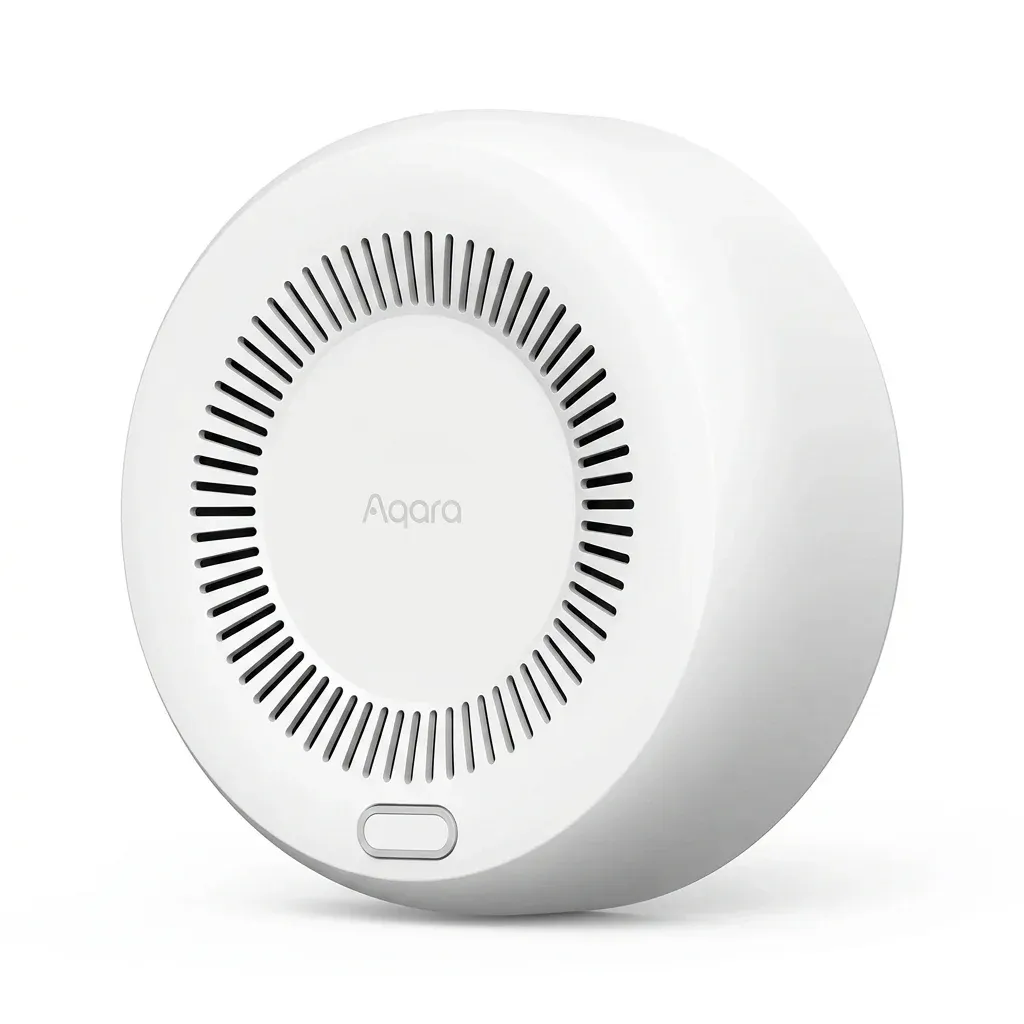
This Aqara detector follows that logic with Zigbee 3.0 connectivity, HomeKit support, and app-based status monitoring. It is less about flashy hardware and more about turning a safety sensor into a real automation trigger, which is exactly where the brand tends to be strongest.
What 80dB means when gas levels rise
The built-in 80dB alarm is loud enough to cut through a normal kitchen environment, especially when you are cooking or moving between rooms. In practical terms, that sound level gives the detector a local warning layer even if your phone is not nearby.
Users do not have to rely only on notifications, which is important in a safety product where seconds matter. The device is designed to alert both on the spot and through the app, so the warning reaches you in more than one way, and that redundancy is the real value here.
Zigbee 3.0 linkage and why it matters
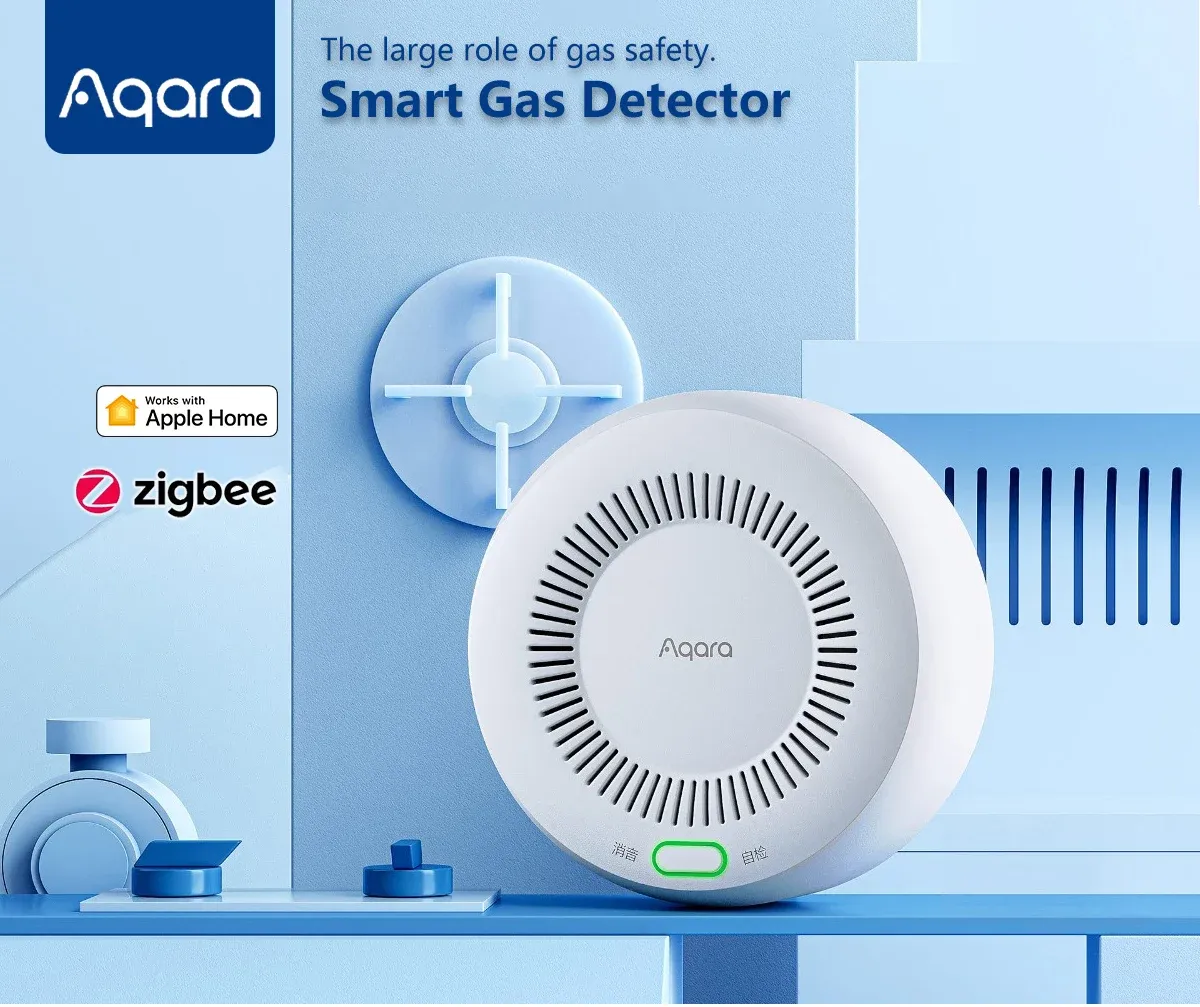
Zigbee 3.0 is the feature that turns this from a standalone alarm into part of a broader smart home system. Paired with a compatible Aqara hub, it can trigger linked actions such as shutting a solenoid valve, which is a more meaningful response than a simple alert.
That automatic shut-off path is the main reason this model stands out from basic gas alarms sold on AliExpress. The valve is sold separately, but the detector already supports the logic needed for a layered safety setup, which is the kind of detail that makes a difference in daily use.
HomeKit and Mi Home support for mixed ecosystems
Support for Apple HomeKit and Mi Home gives this detector wider compatibility than many budget smart alarms. For households already using Aqara accessories, it fits naturally into scenes, status checks, and remote monitoring without forcing a separate app experience.
The listing also notes that the China-region app setting must be changed before pairing, which is useful to know before installation day. That small setup step is not unusual in the AliExpress smart home niche, and it is the sort of detail that can save time when you are building a stable system.
Flame-retardant housing and low-voltage design
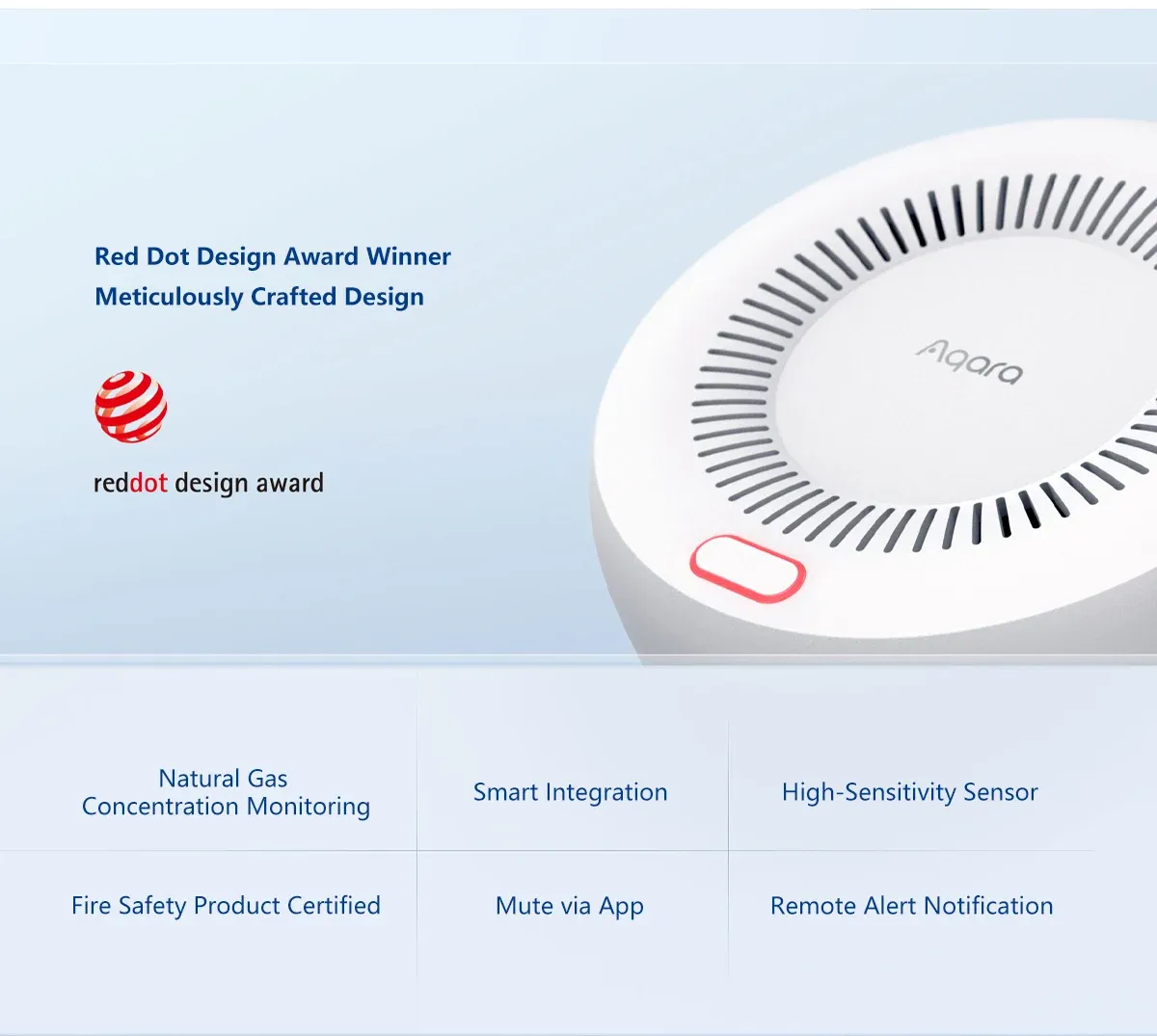
The detector uses PC+ABS flame-retardant materials, which is a sensible choice for a device meant to live near a stove or gas line. The low-voltage design also keeps the hardware aligned with modern home safety expectations rather than old-style alarm units.
CE certification adds a basic layer of confidence for buyers comparing imported smart home security gear. One verified customer rating is not enough to judge long-term durability, but the early feedback is positive, and the overall design suggests a product aimed at dependable daily monitoring rather than novelty.
Best fit: kitchens, rentals, and smart safety upgrades
This detector makes the most sense in homes that already use Aqara or HomeKit and want gas monitoring tied into automation. It is also a smart pick for rentals and compact apartments, where a visible local alarm and app alert can be more useful than a simple standalone siren.
If you want a device that only screams when gas is present, cheaper alarms exist. If you want a detector that can also participate in a broader safety routine, this Aqara unit is built for that job, and the next question is whether your hub setup is ready for it.