














Why the front of the foot gets cold first
Cold rides usually start at the toes, where wind hits hard and shoe ventilation works against you. These toe covers solve that narrow but important problem by shielding the front of the shoe while leaving the rest of the setup light and flexible.
That makes them a smarter choice than full overshoes when the weather is cool rather than deep winter, and the low-profile shape is easier to live with during stop-and-go commutes or training loops. The real question is how much warmth they add without changing the feel of the shoe?
Elastane stretch and the fit around road shoes
The elastane construction gives the covers enough stretch to pull over most cycling shoe toes without fighting the upper. Users consistently mention a snug fit on road shoes and MTB cleat shoes, with the material sitting close enough to avoid the loose, flapping feel that cheap covers often have.
That close fit matters because it keeps the front of the shoe covered without adding bulk under the pedal stroke. One practical tip from customer feedback is to let them stretch on the shoes before a ride if you want the smoothest fit, which hints at how form-fitting the material is.
Windproof coverage for cool, not extreme, conditions
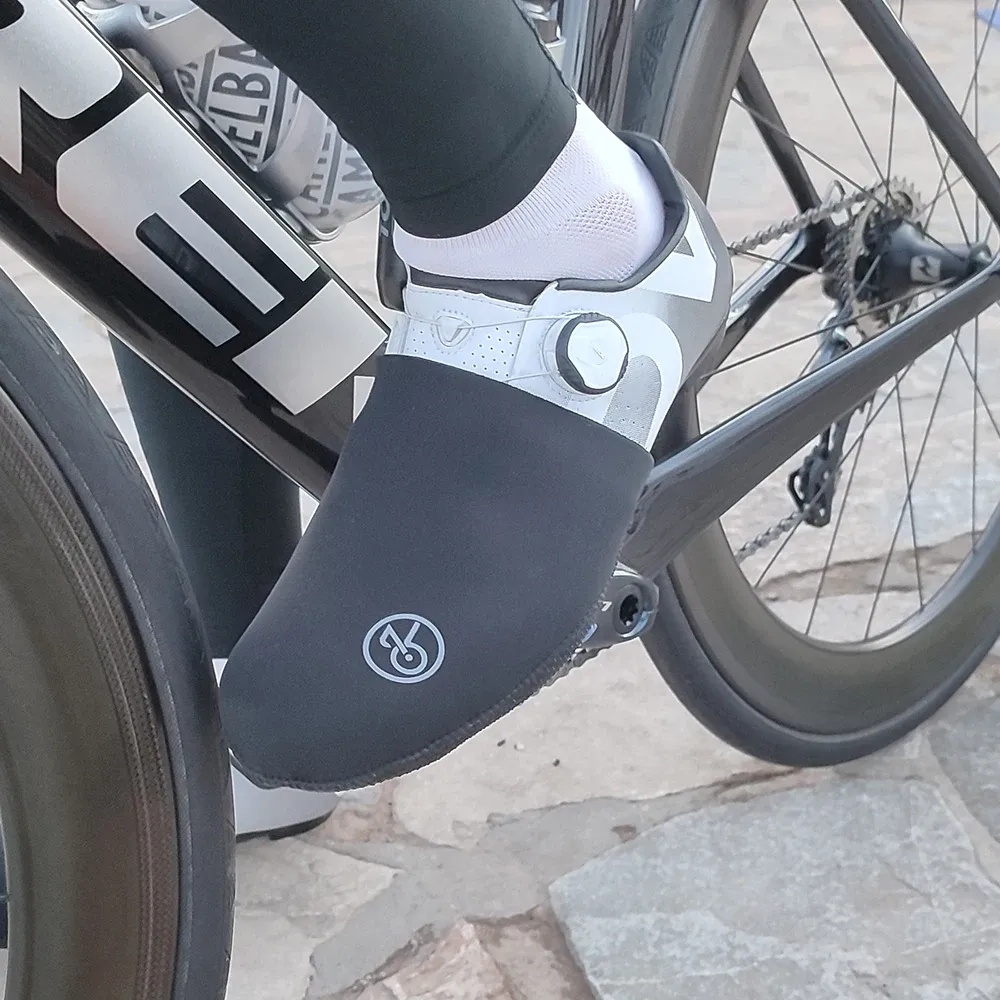
These covers are aimed at rides where wind chill is the main issue, not snow or heavy rain. Real-world feedback suggests they perform well around 5 to 10 degrees Celsius, with the toe area staying noticeably more comfortable for several hours when the pace is steady.
That puts them in a useful middle zone between bare shoes and full winter booties, especially for riders who overheat easily. If your rides often start cold and warm up later, this kind of partial insulation can feel more balanced than a full cover, so what do they do for wet roads?
Rain and road spray protection without the bulk
The rainproof claim is best understood as splash and spray resistance rather than stormproof protection. The toe area gets a useful barrier against road grime, small splashes, and grit, which helps keep both the shoe and the front of the sock cleaner after winter rides.
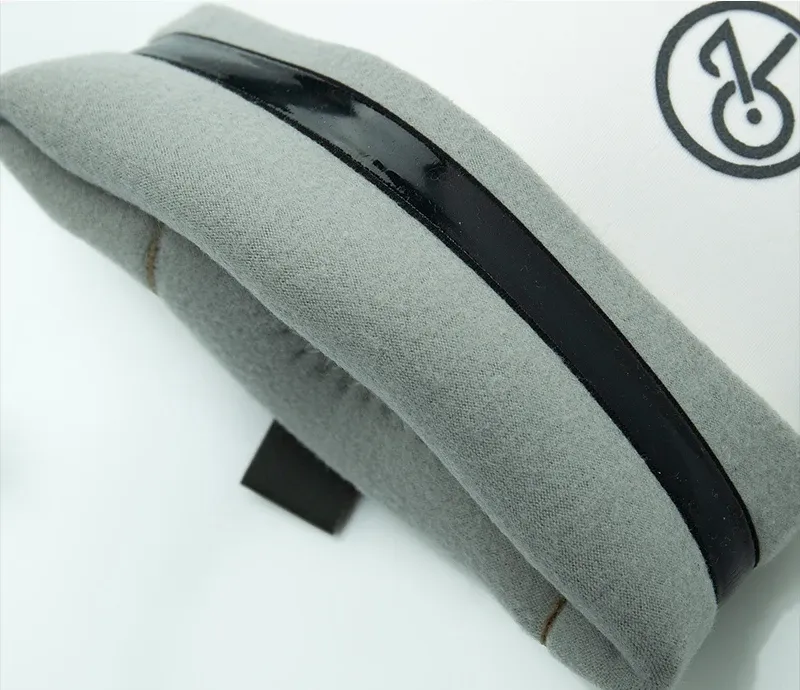
Customers also note that the covers help protect shoes from scratches and dirt, which is a quiet but real benefit if you use premium road footwear. The silicone grip detail mentioned in reviews suggests the covers are designed to stay put instead of creeping upward, and that stability is what makes them practical on rougher roads.
What the low price changes in practice
At $0.99, the value proposition is simple: this is an easy seasonal add-on rather than a major gear investment. For riders who only need a small boost in warmth, the cost makes experimentation almost risk-free, which is unusual in cycling accessories.
That low entry point does not turn them into a technical winter system, but it does make them appealing as a backup pair for the jersey pocket, travel bag, or spare training kit. If you already own heavier overshoes, these can still earn a place for milder days, and that is where the next trade-off appears.
Where they fit better than full overshoes
Toe covers are easiest to appreciate when the temperature is cool and the ride is active, because they preserve more of the shoe’s original breathability and shape. Compared with full booties, they are quicker to put on, less fussy around the heel, and less likely to feel excessive once you start climbing or riding hard.
The limitation is obvious: they only protect the front section, so riders with very cold soles or exposed ankles will still want a fuller winter layer. For many road cyclists, though, that narrower coverage is exactly why they work, and the review pattern from users suggests the fit and finish are better than the category’s usual budget baseline.