









Why Sonoff still matters for local smart home control
Sonoff has earned a solid reputation in the AliExpress ecosystem by shipping hardware that usually plays well with Home Assistant, Zigbee2MQTT, and other local-first platforms. The brand’s appeal is consistency: users know what they are getting, and the dongle arrives ready for serious automation work rather than casual plug-and-play lighting control.
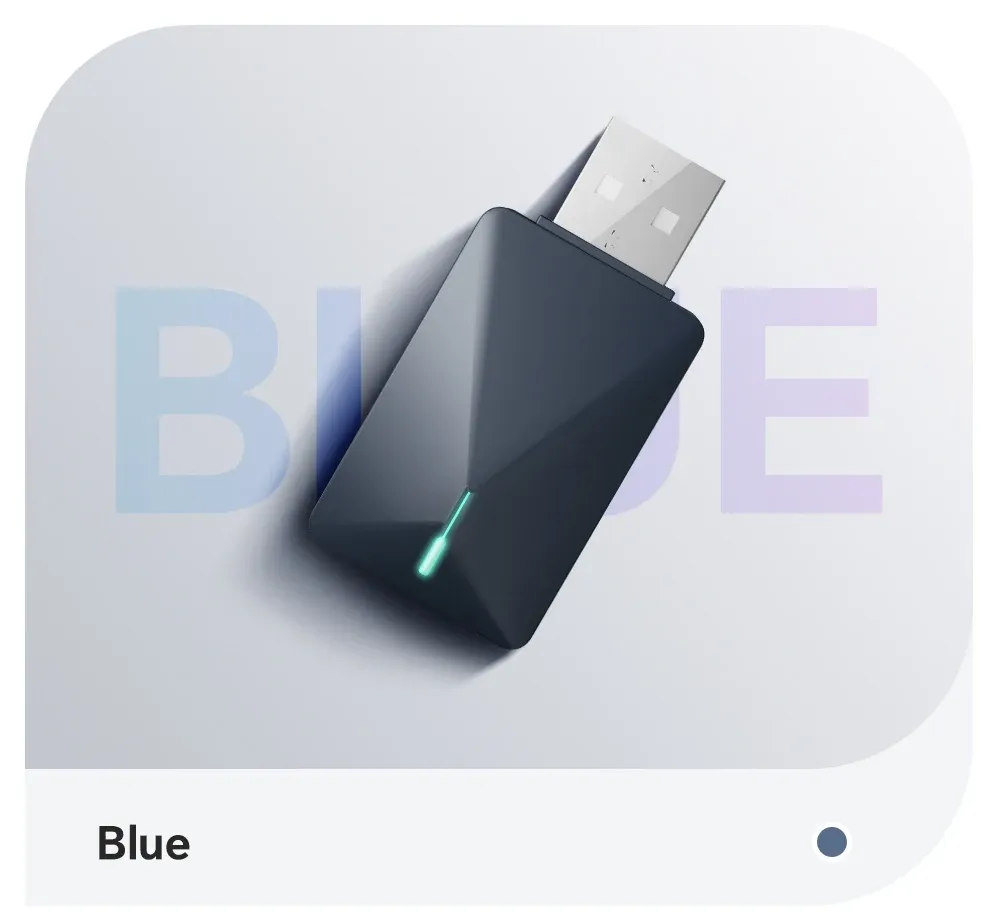
The Dongle Plus MG24 follows that pattern with a newer EFR32MG24 radio, a metal shell, and a high-gain antenna that aims to improve coverage in real homes. That matters most when a hub has to sit behind a desk, near a server, or inside a cabinet, where weak radios often become the hidden problem.
EFR32MG24 and what the newer chip changes
The EFR32MG24 is the headline upgrade here, and in practice it is about headroom rather than novelty. It gives the dongle a more modern radio foundation for Zigbee 3.0 and Thread workflows, which helps if you are building a mixed ecosystem instead of a single-brand setup.
For users who already run a local coordinator, the practical benefit is cleaner scaling: more devices, fewer awkward range gaps, and less dependence on cloud bridges. One customer note did mention lower LQI versus the older Dongle-E, so the MG24 is not automatically a universal upgrade for every house layout; that makes placement and antenna positioning worth paying attention to.
200 meters on paper, real homes in practice
The stated free-line-of-sight range of 200 meters is impressive, but the real value comes from how the dongle handles obstacles and interference indoors. A 2.4 GHz Zigbee radio with a claimed high-gain antenna is useful when you need a coordinator that can reach sensors through walls, appliances, and dense apartment wiring.
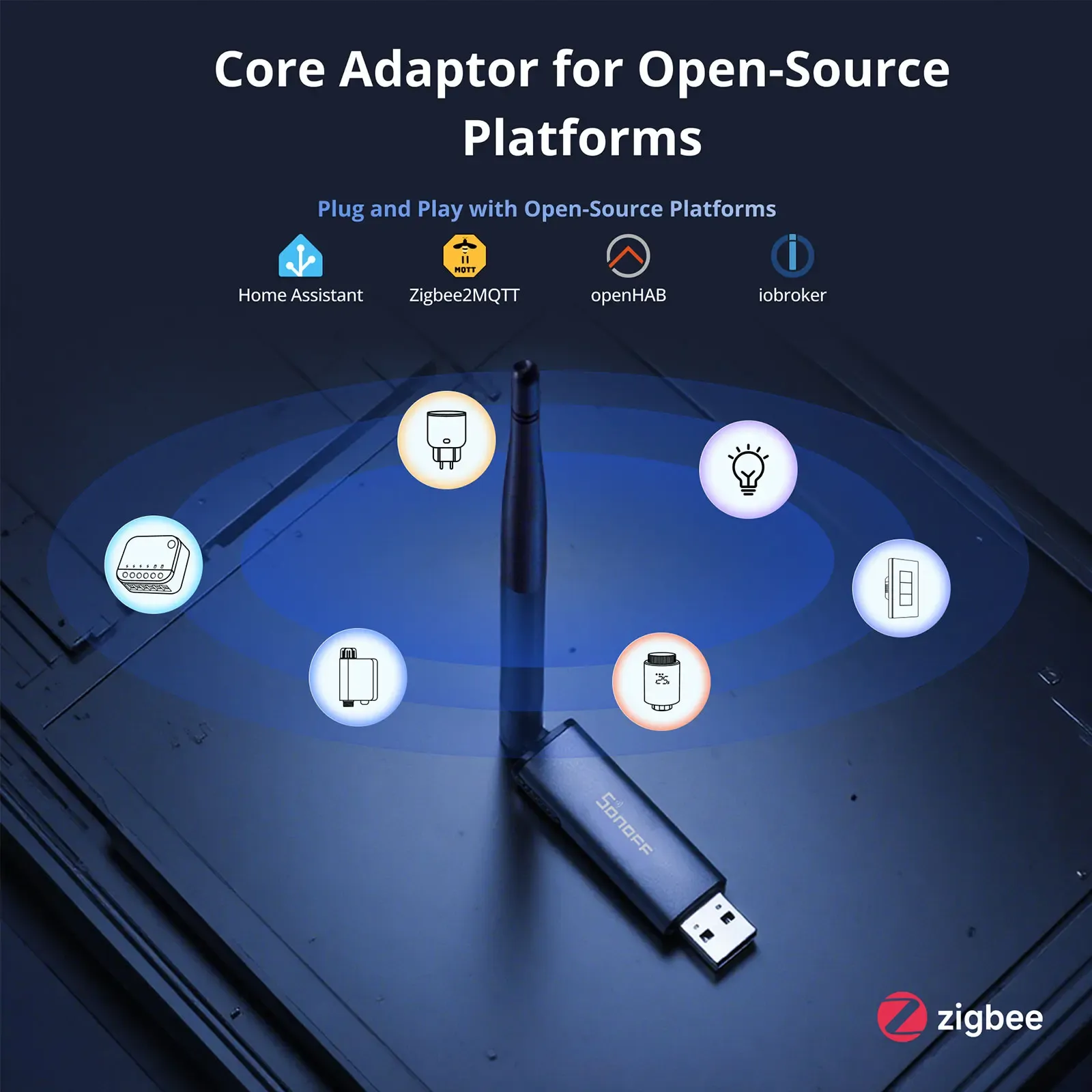
In a typical smart home, this means fewer dead spots for contact sensors, switches, and motion devices placed at the edge of the floor plan. If your current hub struggles near a garage, hallway, or upper floor, this dongle is aimed at that exact problem, and the next question is whether your software stack will recognize it cleanly.
Zigbee2MQTT and open-source setup
This model is clearly aimed at users who want local control through Zigbee2MQTT, Docker, Raspberry Pi OS, Ubuntu, or Windows. The ready-to-go assembly and USB power input make it simple to deploy as a coordinator, not just as a generic radio accessory.
The strongest use case is a multi-vendor smart home where devices from different brands need one stable bridge. According to users, setup can take some patience, but once configured the system tends to feel steady and responsive, which is the part that matters after the first hour of installation.
Aluminum body, low standby draw, and everyday reliability
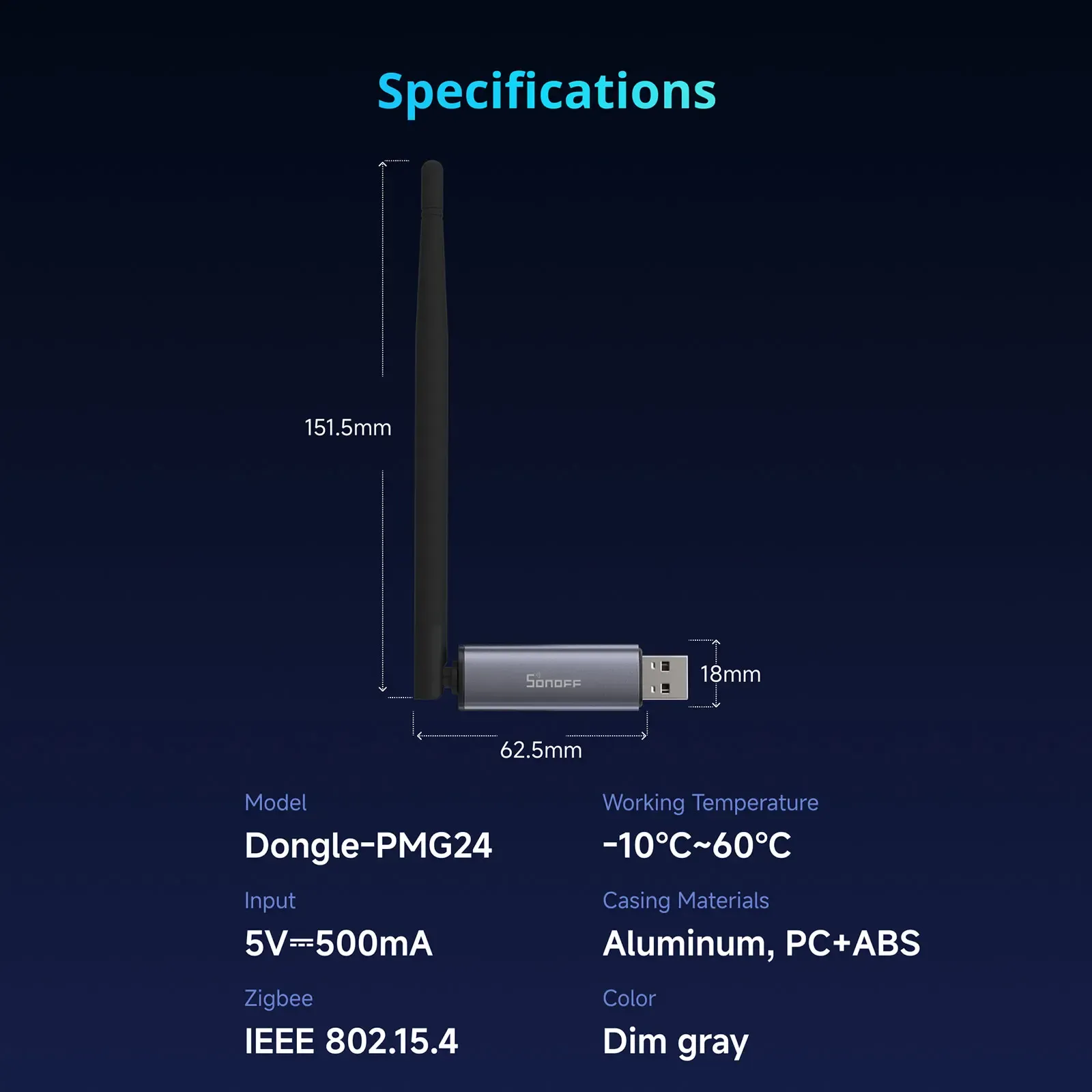
The aluminum housing gives the dongle a more finished feel than bare plastic adapters, and it should help with durability in a crowded USB environment. Its 40 mW standby consumption is tiny, so leaving it connected to a home server or mini PC does not meaningfully change the power profile.
The 5V 500mA input requirement is also modest, which keeps compatibility broad across USB ports, hubs, and SBCs. That combination makes it a sensible permanent coordinator for a rack, media center, or Raspberry Pi build, especially when you want the radio to disappear into the background while the automations keep running.
Who should get the MG24, and who should stay with older hardware
This dongle makes the most sense for users starting a new Zigbee or Thread coordinator setup, or for those who want a compact bridge with modern radio support. It is also a strong fit for people building around eWeLink CUBE or other local platforms that benefit from a dedicated USB radio.
If your current coordinator already delivers excellent link quality across your home, the newer chip alone may not justify a swap. The better match is for users who want a current-generation Sonoff radio, a tidy aluminum enclosure, and a path toward broader interoperability rather than a one-device cloud shortcut.
What customer feedback suggests
Real customer feedback is broadly positive, with most users praising the build quality, stable operation, and strong Zigbee coverage after setup. The main caution is that installation can be less intuitive than a basic smart plug, so the value is highest for users comfortable with coordinator settings and local automation tools.
That pattern fits the product itself: it is a technical tool that rewards a careful setup. If you are already comfortable tuning a smart home stack, the MG24 looks like a practical upgrade path rather than a flashy gadget, and that is usually where the best AliExpress hardware earns its place.