













Built for parking mode, not just driving footage
This hardwire kit solves a common dash cam problem: how to keep recording after the ignition is off without draining the battery too quickly. For Viofo A119Mini, A229, T130, and WM1 setups, the ACC-based wiring approach is aimed at smarter parking monitoring rather than simple always-on power.
That matters because a dash cam that shuts down the moment you park leaves a blind spot exactly when incidents often happen. AliExpress United States buyers looking at Viofo accessories usually want a clean, OEM-style install, and this kit is built around that use case, so what does the dual-wire design actually change in daily use?
ACC plus constant power: why the wiring matters
The key benefit is the combination of ACC and constant power lines, which lets the camera recognize when the car is running and when it is parked. After shutdown, the dash cam can switch into 1 fps time-lapse mode, stretching storage capacity and making long parking sessions easier to cover.
According to the product description, this approach can increase parking coverage and storage efficiency by up to 30 times compared with standard recording behavior. In practical terms, that means fewer overwritten clips and a better chance of catching the moment a door ding, bump, or suspicious approach happens, but how neatly does it fit in the car?
Type-C compatibility for newer Viofo models
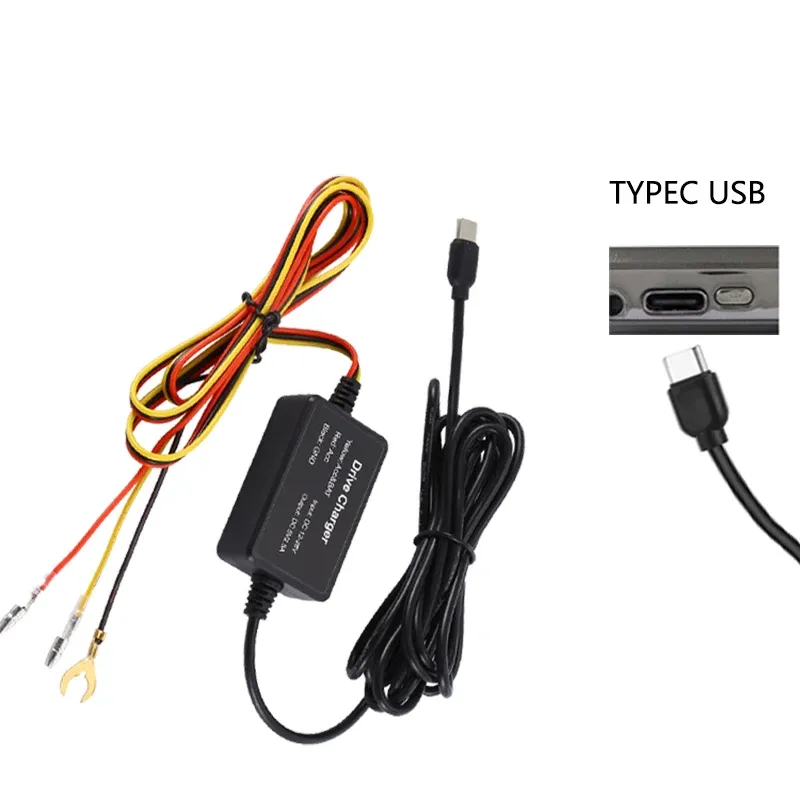
This kit uses a Type-C interface and is listed for Viofo A119Mini, A229, T130, and WM1 models, which makes it relevant for newer dash cams that no longer rely on older mini-USB wiring. That is useful for buyers upgrading from legacy installations, because the connection style is already aligned with newer hardware.
The 3.5-meter cable length gives installers more room to route the line behind trim panels and around the A-pillar without making the cabin look cluttered. If you prefer a factory-like finish, that extra reach is often the difference between a visible cable run and a clean hidden install, so where does it stand on day-to-day convenience?
What you gain from a hardwired install
Compared with a plug-in adapter, a hardwire kit keeps the 12V socket free and avoids dangling leads near the console. It also removes the need to manually power the camera every time you start the car, which is a small change that makes the system feel more integrated.
Users with one real review gave the kit a perfect score, which is encouraging but still too limited to treat as a full reliability sample. The stronger case here comes from the spec sheet itself: a 5V output, USB 2.0 interface, and vehicle-status detection are exactly the ingredients you want in a parking-mode power solution, so what should buyers watch before installing?
Where this kit fits best
This is best suited to drivers who leave their car parked in public lots, apartment garages, or street parking zones and want continuous surveillance without babysitting the camera. It is also a sensible match for owners who already run a Viofo system and want a purpose-built accessory instead of a generic universal cable.
The main tradeoff is that the kit is model-specific, so it is not a universal dash cam power line and should be matched carefully to the correct Viofo platform. If your camera is on the compatibility list, the value is in the tidy installation, parking-mode logic, and storage-saving recording behavior that supports longer monitoring sessions.