















Why four channels matter when one camera is not enough
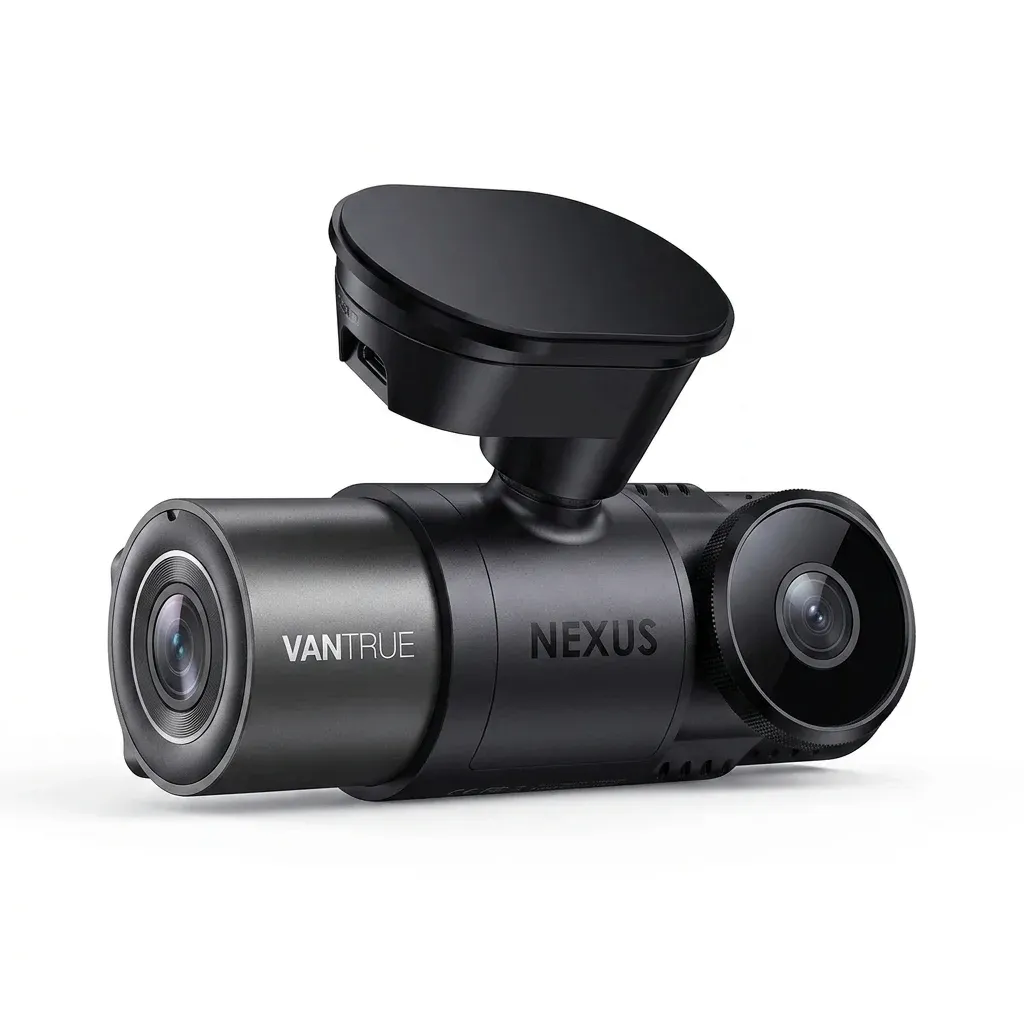
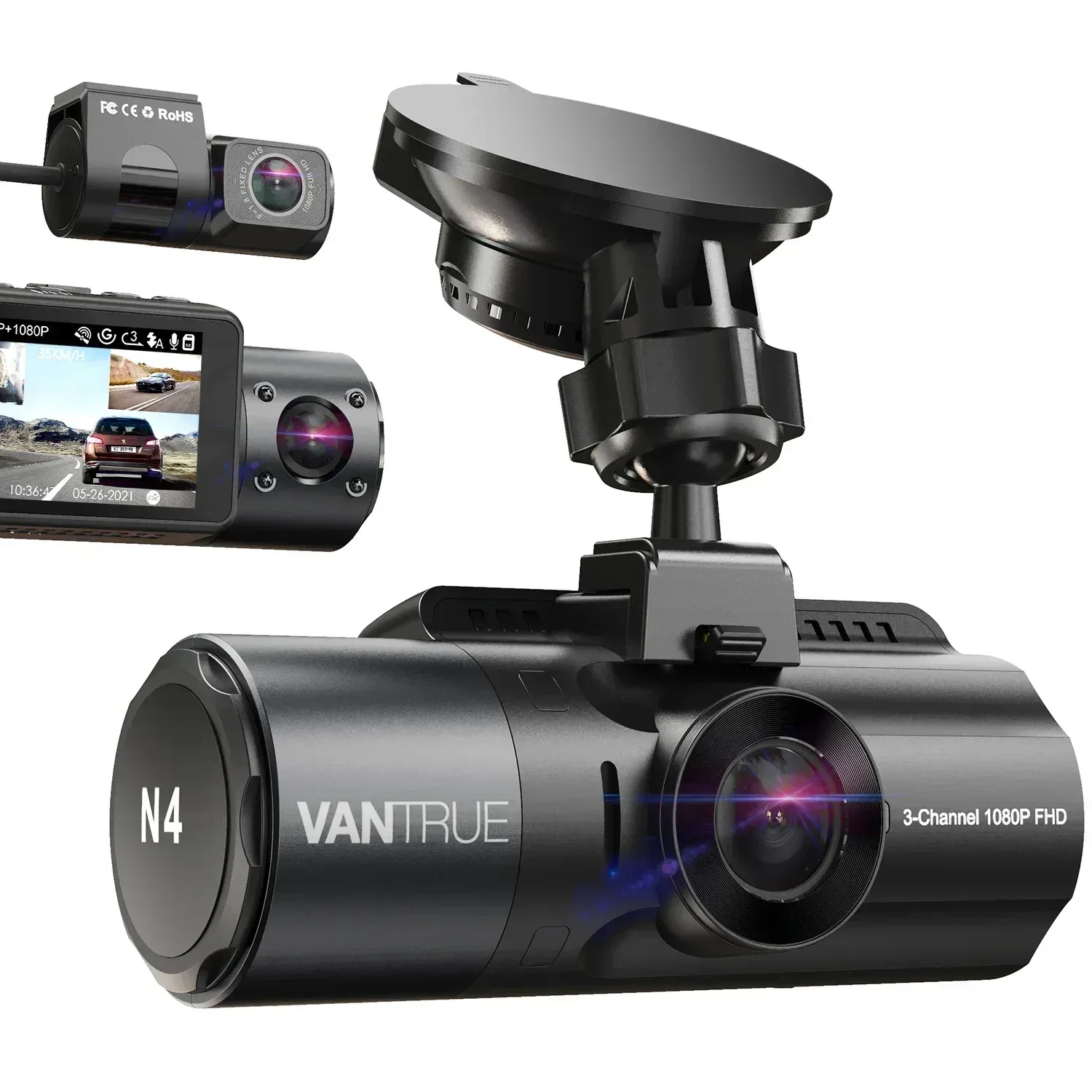
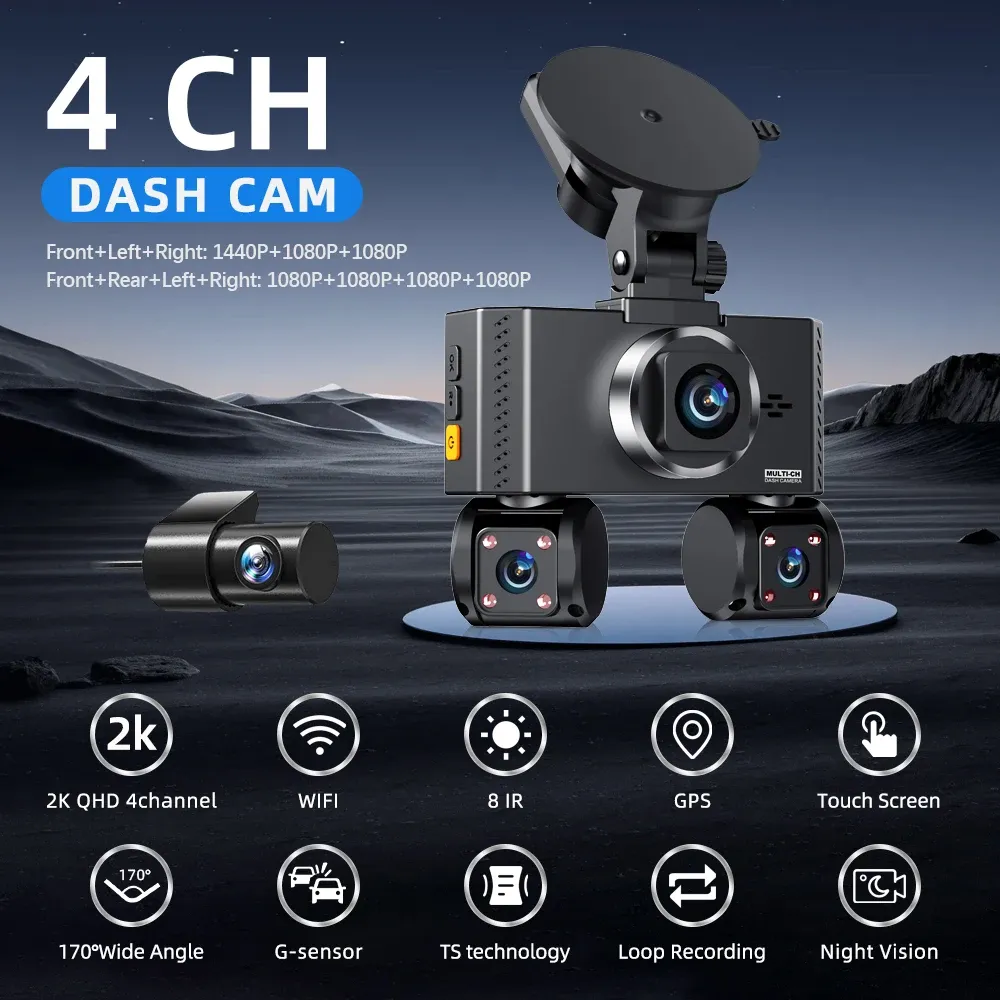
This FOXGOD dash cam is aimed at drivers who want more than a front-facing clip of the road. With four lenses and a 170-degree viewing angle, it is designed to capture wider context around the vehicle, which can be useful in lane changes, parking lot contact, and rear-end disputes.
The 2K QHD main recording at 2560x1440 gives it a sharper edge than basic 1080p models, so signs and plate details are easier to read in daylight. For AliExpress United States shoppers comparing multi-channel recorders, that extra clarity is the first reason this unit stands out, but the real question is how well it handles night driving.
Night recording that aims beyond streetlights
The NightShot function, GC2053 sensor, and f/2.0 aperture work together to pull in more light when the road turns dark. In practice, that should mean cleaner cabin and roadway footage with less of the muddy blur that often appears in lower-cost dash cams after sunset.
Users often judge a dash cam by whether it can preserve useful detail in rain, tunnel exits, or dim parking structures, and this model is built for those conditions. The camera still relies on good installation and lens placement, so the next factor to consider is how the GPS and Wi-Fi tools make that footage easier to use.
GPS and Wi-Fi turn footage into evidence, not just video
Built-in GPS logger support is one of the most practical parts of the package because it adds route and speed context to each clip. That matters when you need to show where an incident happened, not only what happened, and it is especially useful for fleet-style or commuter use.
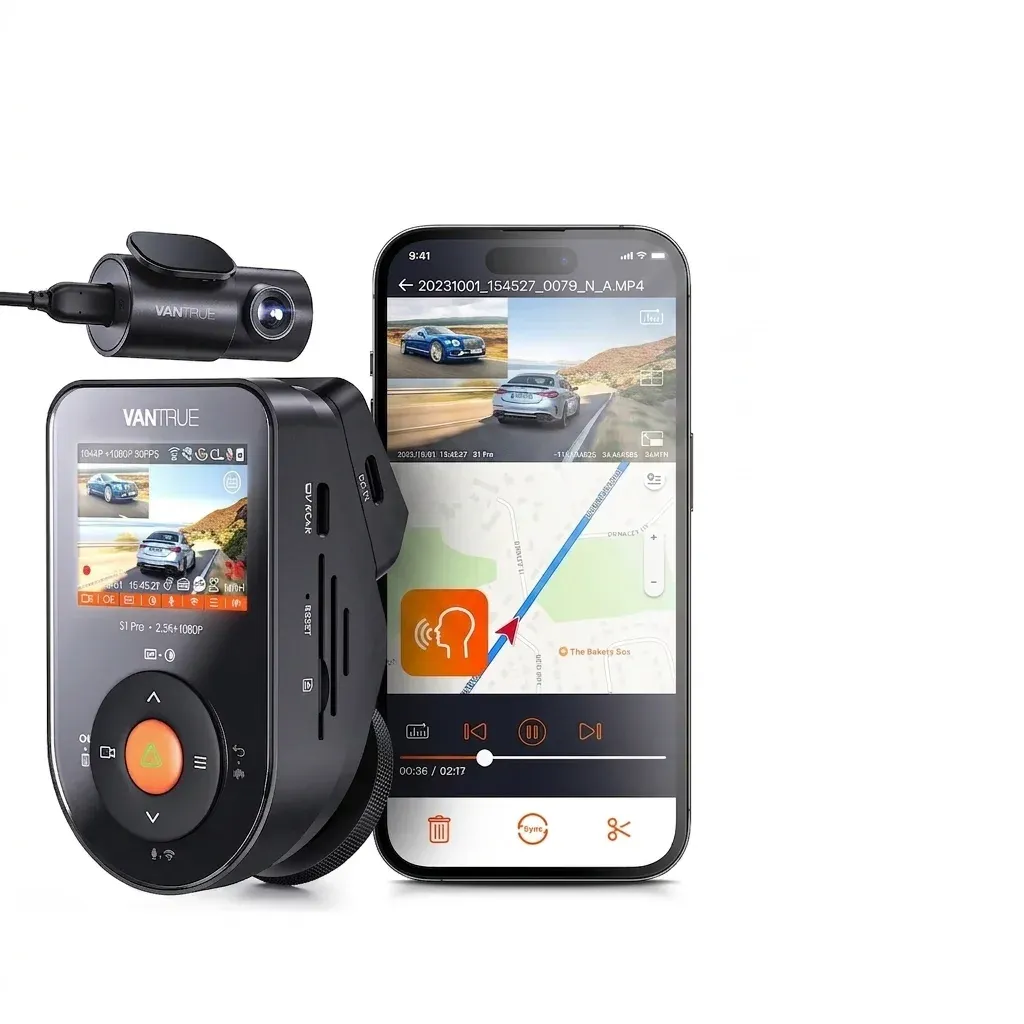
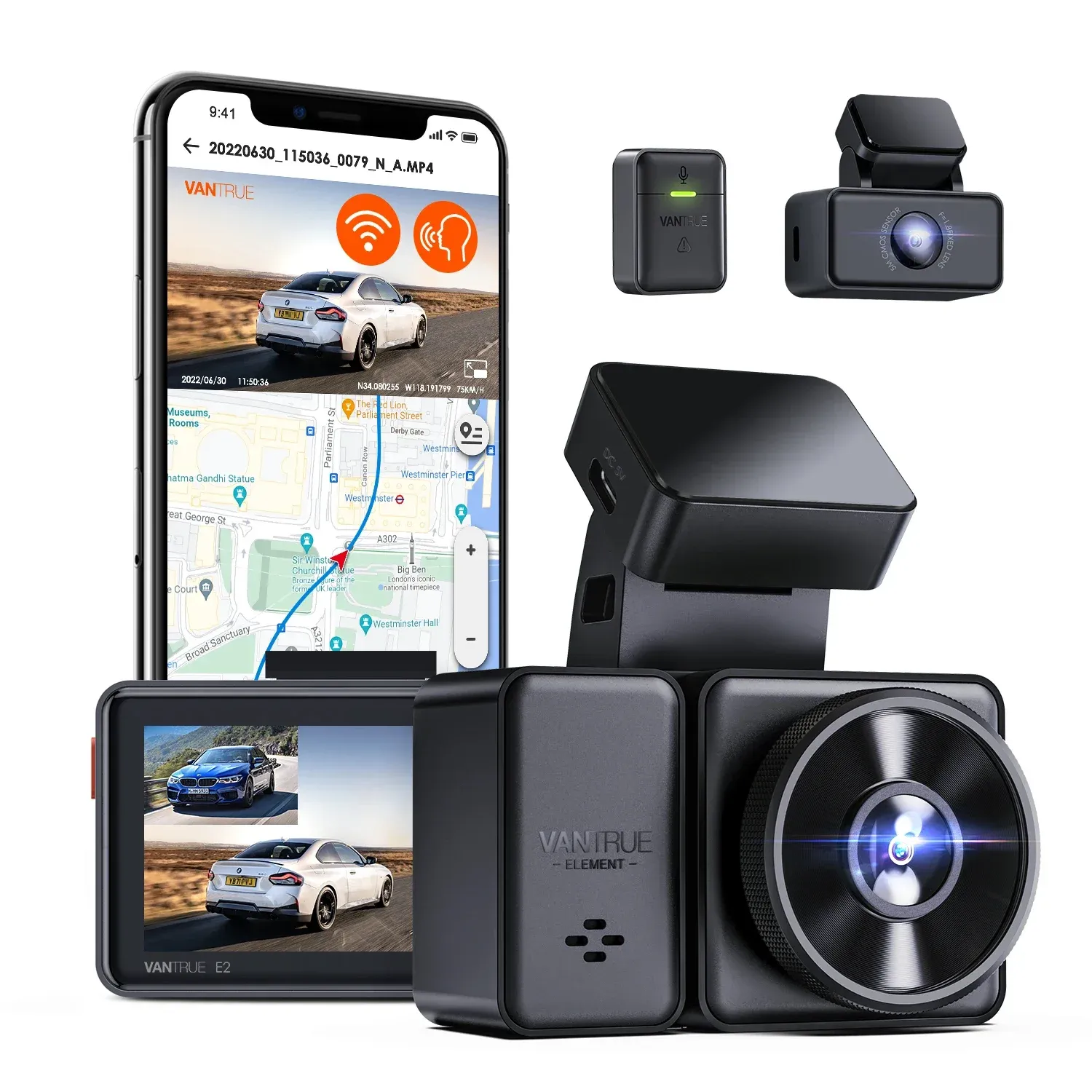
The Wi-Fi and app compatibility make transfers much easier than removing a card every time you want a file. You can review, download, and share clips on a phone, which is a real convenience after an incident when you want to check footage quickly before driving off again.
Parking monitoring for cars that sit in busy lots
The optional 24-hour parking monitor is the feature that gives this recorder its strongest security angle. When hardwired correctly, it can wake on vibration or impact and save a clip, which is useful in apartment lots, shopping centers, and street parking where minor contact is easy to miss.
That said, parking mode depends on proper power management, so it is not a plug-and-forget feature. The included G-sensor and loop recording help preserve important files while overwriting routine footage, and that balance is what keeps the card usable during long drives and long idle periods.
Screen, touch controls, and storage capacity in daily use
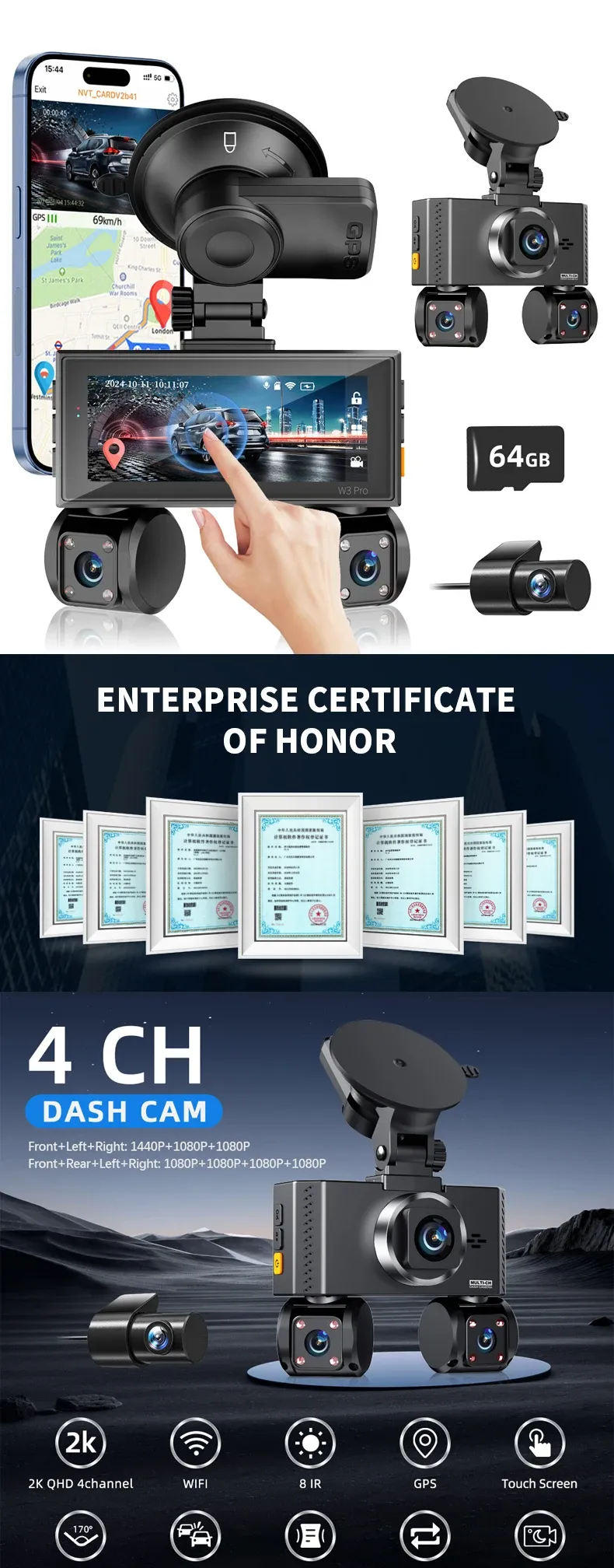
The LCD touchscreen should make setup faster than button-only systems, especially for drivers who want to adjust sensitivity, time stamps, or Wi-Fi settings without digging through menus. A 16:9 display also helps playback feel familiar and readable, which is useful when checking a clip at the roadside.
Storage support goes up to 128GB with Class 10 cards, and the product includes a 64GB card in the listing, which reduces the usual first-step hassle. With loop-cycle recording and H.264 compression, the system is built to keep recording continuously without filling the card too quickly, but how well it performs still depends on installation quality and cable routing.
What the real-world tradeoffs look like
The single real review available is only average, so expectations should stay grounded rather than inflated. Still, the feature list is unusually complete for the segment, combining four channels, Wi-Fi, GPS, rear camera support, and parking surveillance in one package.
The main tradeoff is complexity: more channels mean more setup time, more cabling, and more chances to mount a camera poorly if you rush the install. If you want broader coverage and are comfortable with a more involved setup, this recorder offers a lot of practical tools for the money, which makes the next step all about fit and use case.