













Compact recording for moments that happen too fast
The BOBLOV IDV007 is aimed at one problem: capturing clear footage when carrying a full-size camera is impractical. Its pocketable body and 1080P sensor make it a practical fit for cycling, patrol-style use, and quick evidence capture, especially when you need something you can clip on and forget.
At this level, the appeal is not cinematic polish but convenience and speed. The camera’s small footprint, USB 2.0 transfer, and microSD-based workflow keep it simple, which is exactly what many AliExpress buyers want from a compact dash-style recorder.
1080P recording: useful detail without bulk
The headline spec is Full HD 1920x1080 recording, and in practice that means better legibility of shapes, faces, and nearby objects than older 720P mini cameras. The 16:9 aspect ratio also matches modern playback screens, so the footage should look natural on phones, laptops, and standard media players.
It uses CMOS sensor technology and M-JPEG encoding, a combination that favors straightforward compatibility over advanced compression efficiency. That matters if you want files that are easy to open on Windows, macOS, or Linux without extra software, and it hints at a camera designed for utility rather than deep post-production.
Motion detection and loop recording change how you use it
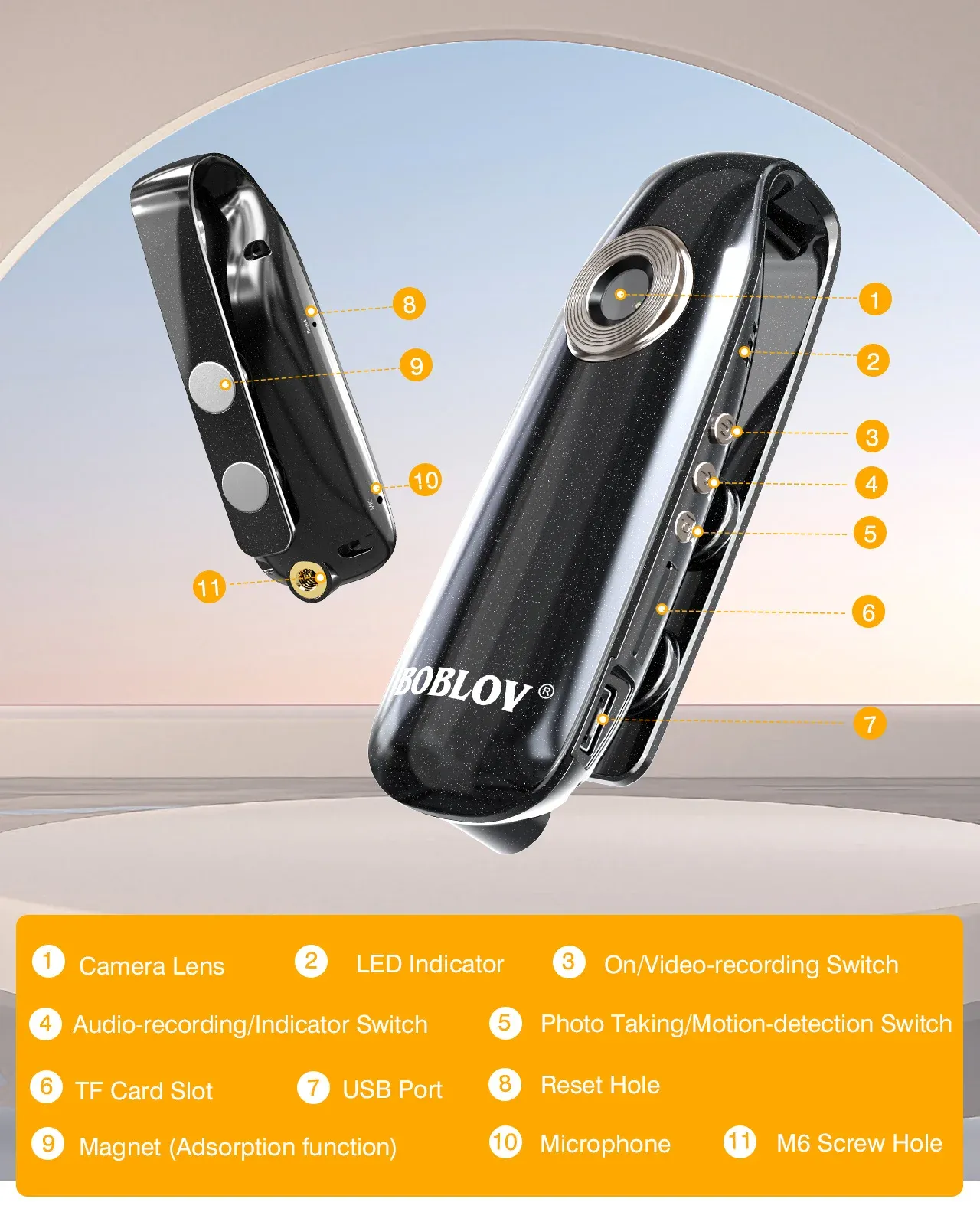
Motion detection is the feature that gives this model real value for stationary monitoring. Instead of recording long stretches of empty space, it can wake up when activity appears, which is useful for a parked bike, a desk setup, or a brief security check around a vehicle.
Loop recording and recording while charging make it more flexible than many low-cost mini cams. If you leave it mounted in a car or on a handlebar, it can keep overwriting old clips and continue running from external power, which is a practical advantage for longer sessions.
Battery life and storage: what the numbers suggest
The built-in 560mAh battery is modest, but the stated recording time of about 3 hours is respectable for such a small body camera. Audio recording can stretch to about 7 hours, so the device is clearly more comfortable as a short-form video tool with longer audio capture capability.
Storage is handled through microSD or TF cards, with support mentioned up to 64GB in the technical sheet and up to 128GB in the original description. That inconsistency is worth noting, so buyers should treat 64GB as the safer planning point unless the seller confirms higher-capacity support in the package listing.
Who will get the most from it?
This camera makes the most sense for users who value portability over stabilization, since it has no stabilization system and no built-in memory. That means it is better for relatively steady mounting positions than for fast, shaky action footage, which is why it fits dash, bike, and body-mounted recording more naturally than sports capture.
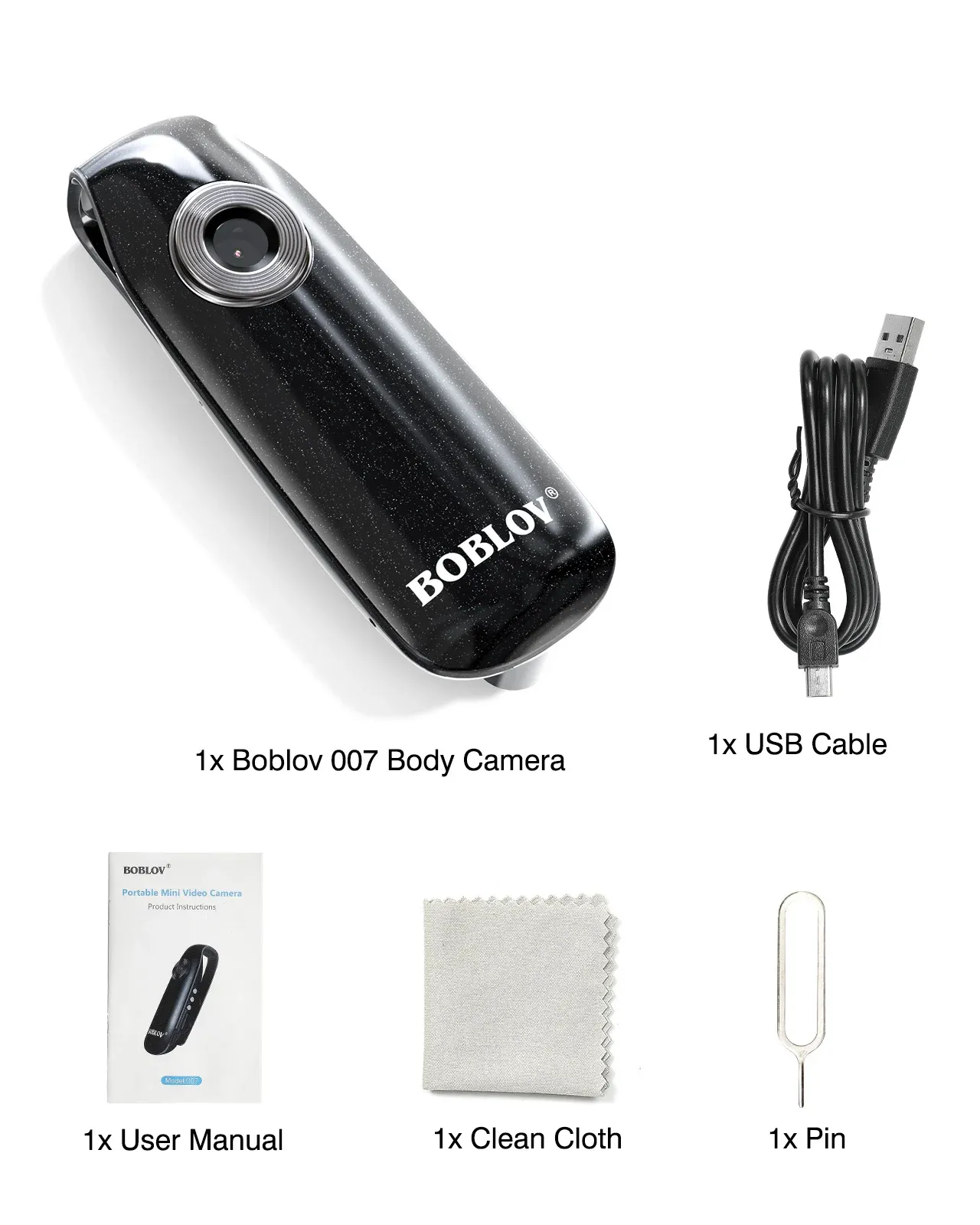
According to customers, the camera has been well received, with a small but perfect review record on the listing. That does not prove professional-grade performance, yet it does suggest the core experience is meeting expectations for a budget mini recorder, so the real question is how you plan to mount it.
Best use cases
- Bike rides where a small forward-facing recorder is easier to carry than a full dash cam
- Body-worn documentation for short shifts or personal security needs
- Parked-vehicle monitoring with motion-triggered clips
- Quick evidence capture for everyday commuting or campus movement
Limits to keep in mind
- No stabilization, so handheld footage can look shaky
- No built-in memory, so a microSD card is required
- Battery capacity is modest for a camera with video recording
- Storage-capacity claims vary between the listing and the description