











Cleaner footage starts with less windshield glare
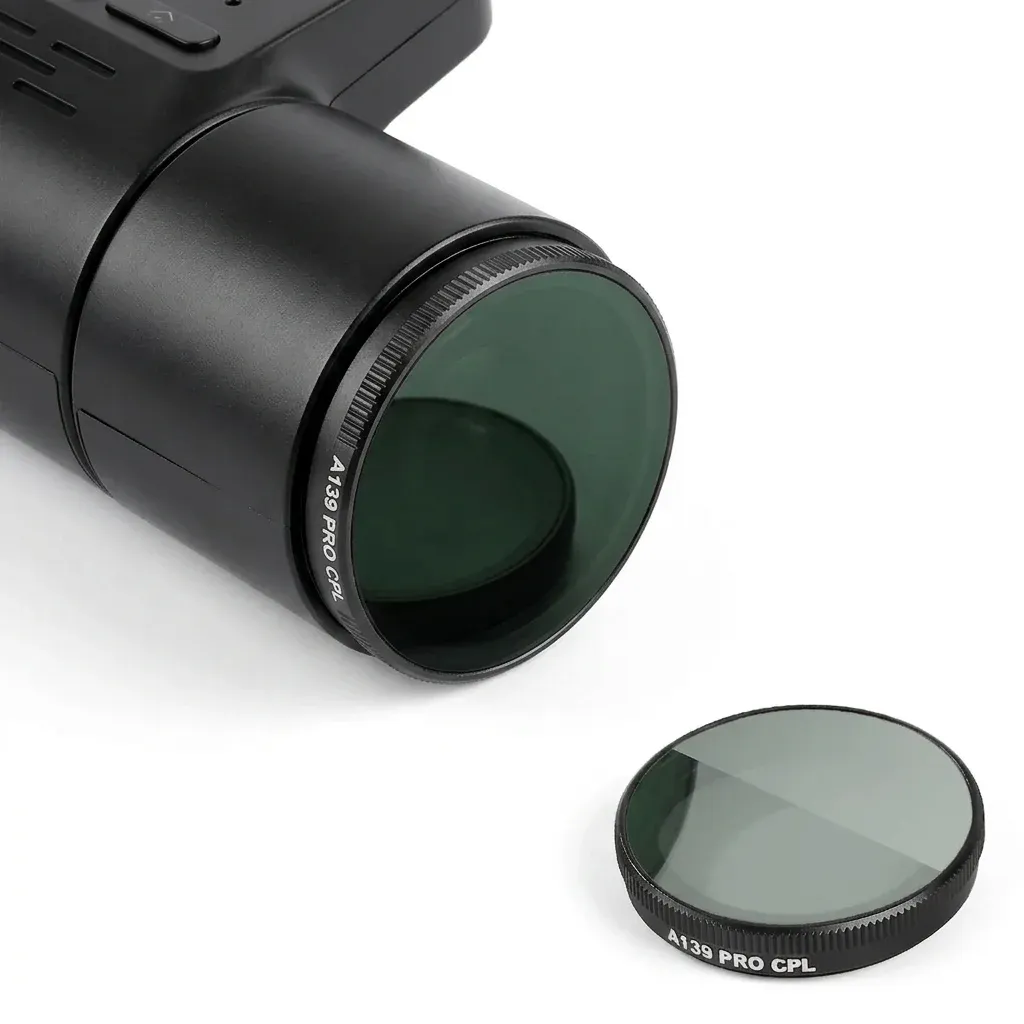
A dash cam can record in high resolution and still struggle if the windshield throws reflections back into the lens. This Viofo CPL filter tackles that problem at the source by reducing glare from glass, dashboard trim, and sunlit surfaces.
For drivers who spend time on bright roads or in cars with glossy interiors, the benefit is immediate: more readable footage and less washed-out sky detail. That makes this small accessory feel more useful than its size suggests, and the real question is how much it improves day-to-day recording.
Why Viofo accessories usually feel more dependable
Viofo has built a strong reputation in the AliExpress dash cam niche by keeping accessories tightly matched to its camera ecosystem. That matters because a filter that fits properly is easier to install, stays aligned better, and is less likely to introduce unwanted edge artifacts.
Users often value Viofo parts for their practical design rather than flashy extras, and the early feedback here points in the same direction with simple comments like fast shipping and everything working well. When an accessory is this specialized, compatibility is the real measure of quality, so which models does it actually suit?
Compatibility tuned for A329, A229, A139 Pro, T130, and WM1
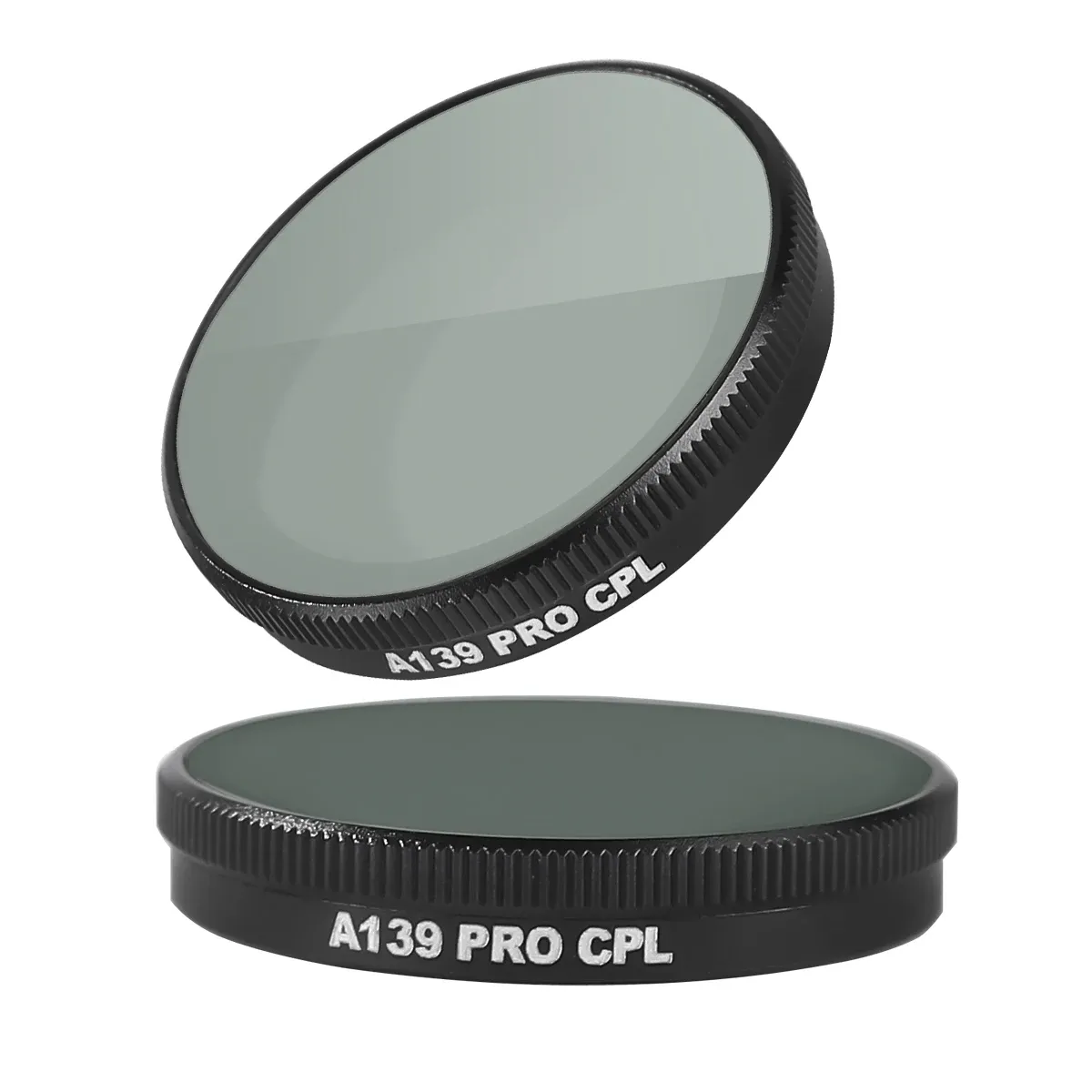
This CPL filter is meant for a specific group of Viofo dash cams, which is a strength if you already own one of the supported models. A precise fit helps the filter sit correctly in front of the lens, so the polarizing effect can do its job without awkward movement or loose mounting.
That narrow compatibility also means it is not a universal lens cap or a generic clip-on solution. If your camera is outside the supported list, the better choice is to confirm the exact series first, because the next section explains why polarizing filters need the right angle to work properly.
What a CPL filter changes in real driving conditions
A circular polarizing lens filter works by cutting reflected light, which is why it is so effective on dashboards, hoods, and side windows during strong sun. The result is footage with deeper contrast and fewer bright patches that can hide details on license plates or road signs.
It is especially useful during morning and late-afternoon commutes, when low-angle light creates the harshest reflections. In overcast weather the effect is less dramatic, but even then the footage can look a touch more controlled and less shiny, which is a useful trade-off for regular drivers.
Small accessory, real installation payoff
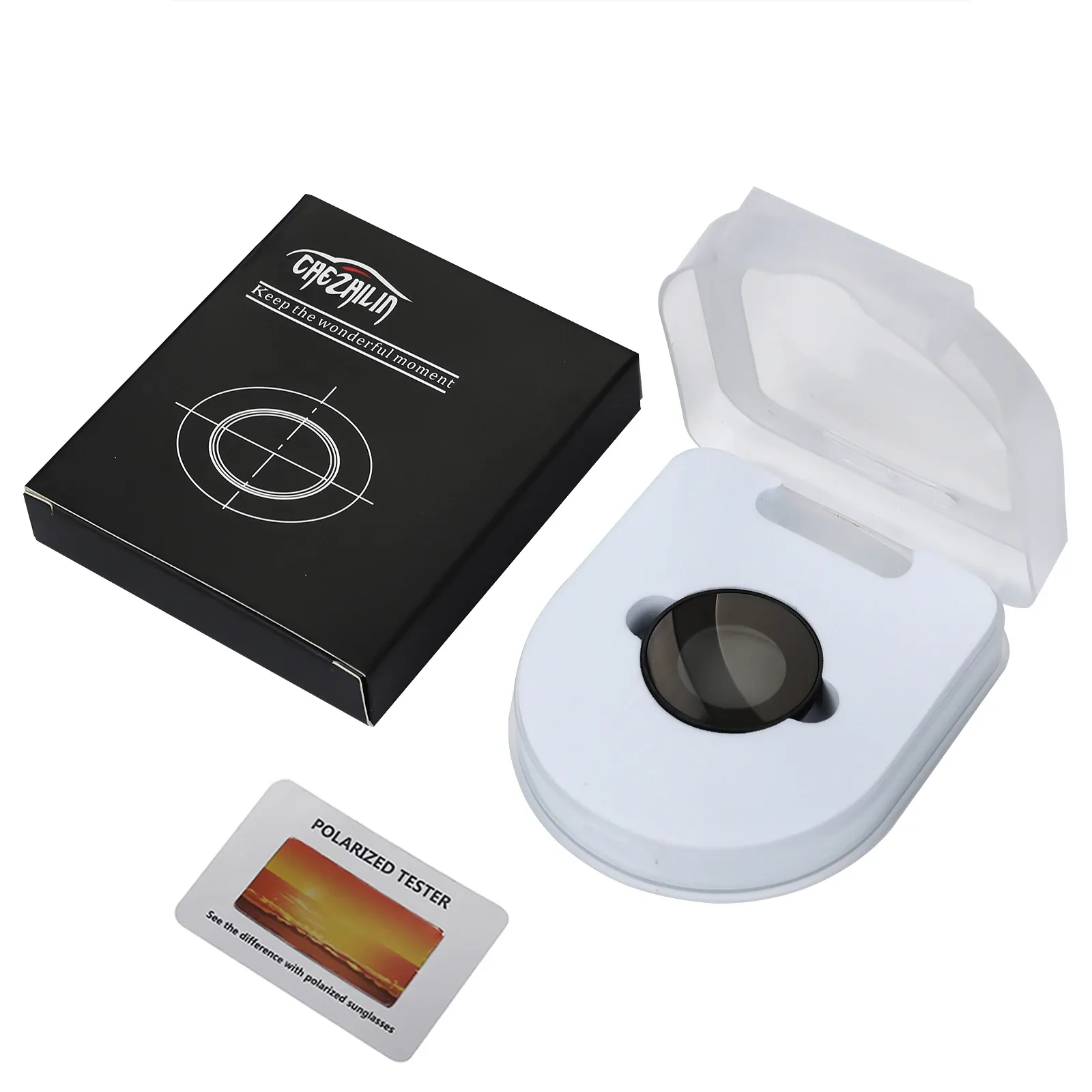
The filter does not need batteries or software, so the value comes from mechanical simplicity. Once fitted, it becomes a set-and-forget upgrade that does not add clutter or change how you operate the camera.
That simplicity is part of its appeal for drivers who want a cleaner cabin setup without extra wires or charging routines. If you are comparing it with a full dash cam upgrade, this is the lower-cost path that improves image quality before you replace the camera itself.
What the price suggests about value
At $14.22, this sits in the range where a single accessory has to justify itself through visible results rather than feature count. The real value is not in specifications, because there are almost none to debate, but in how much glare reduction it delivers on your actual windshield.
Given the strong rating and small review base, the early signal is positive, though still limited. That makes it a sensible add-on for owners who already know they need glare control, especially if their current clips look bright at the center and hazy near the edges.