












Cleaner dash cam footage starts with less windshield glare
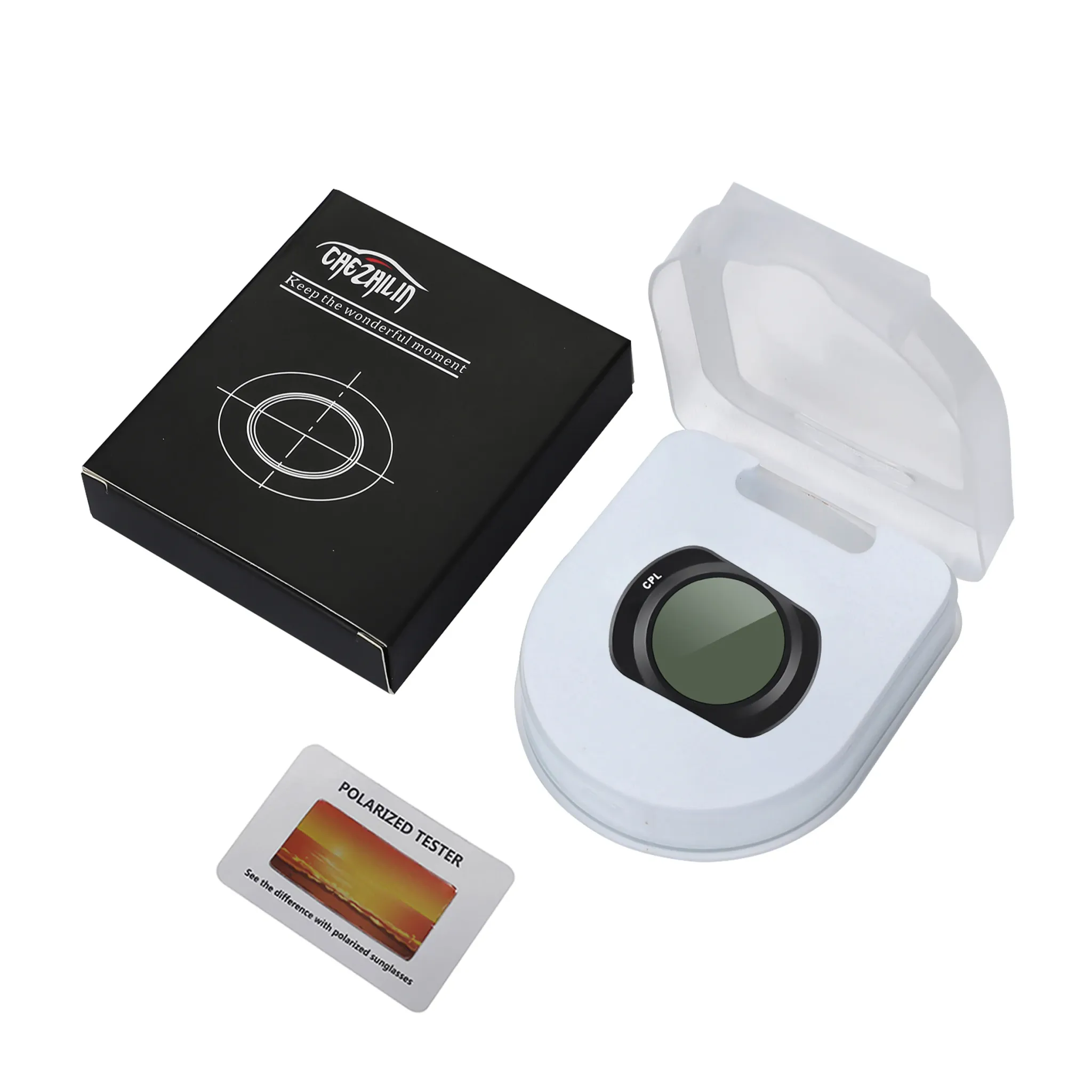
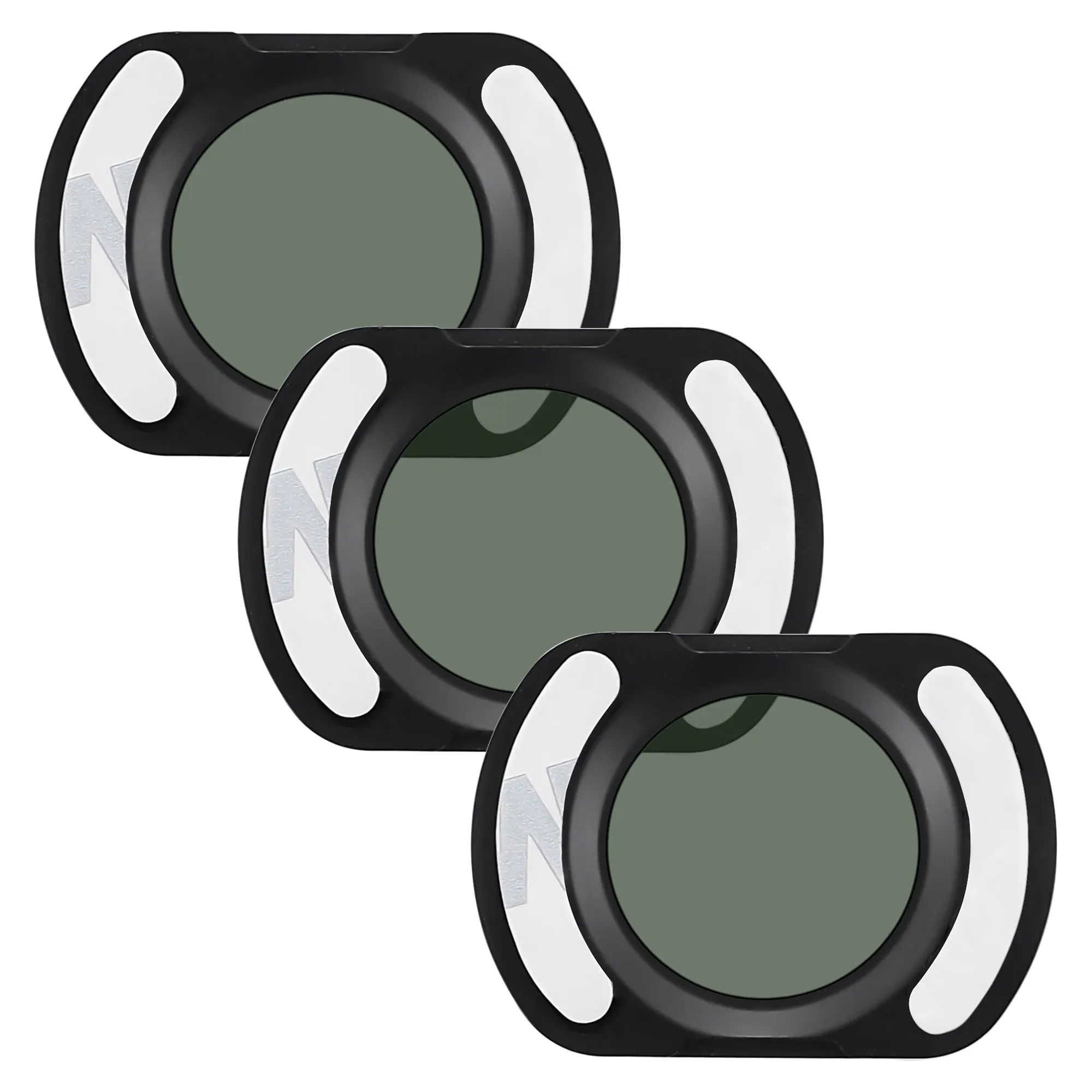
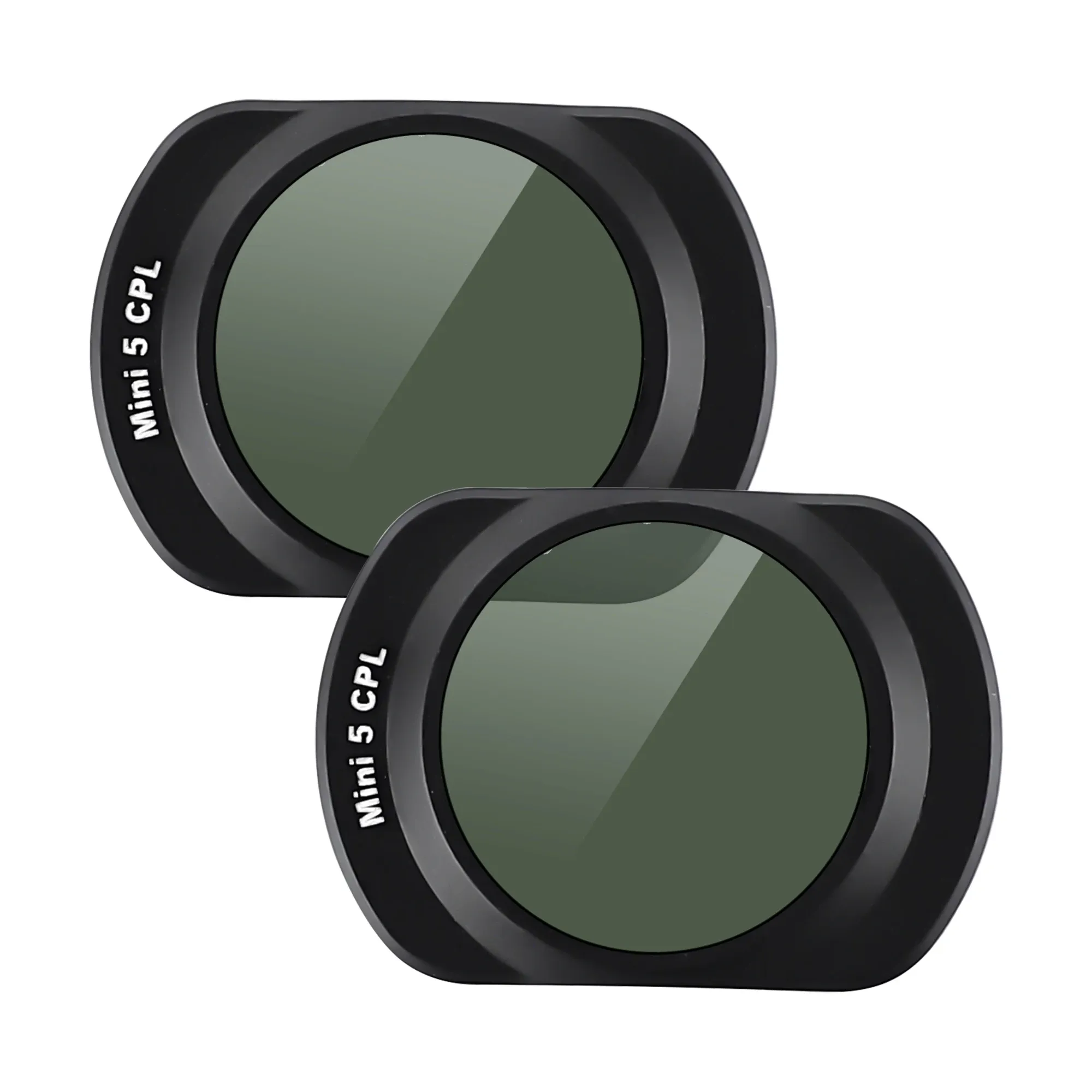
This CPL filter tackles one of the most common problems in dash cam recording: washed-out footage caused by reflections from the dashboard and windshield. For daily commuting, highway driving, and sun-heavy routes, that means the camera can capture the road with more usable contrast and fewer distracting light artifacts.
Viofo has built its reputation in the AliExpress dash cam niche by focusing on accessories that match specific camera bodies and preserve image quality rather than just adding bulk. That approach matters here, because a polarizing filter only helps when the optics and fit are controlled well, so what does it actually change on the road?
What the polarizing glass changes in real driving
The thin optical glass and high polarization coefficient are meant to reduce reflections from shiny surfaces such as glass, water, and glossy plastics. In practice, that can make the dashboard disappear from the frame and let lane markings, road texture, and vehicle details stand out more clearly.
Users who film during bright midday hours usually notice the biggest gain, since polarized light from the sky can deepen cloud contrast and make outdoor scenes look less flat. The effect is not dramatic in every condition, but when the sun is strong, the footage can look cleaner and easier to review later.
Why this style of accessory fits Viofo cameras better than generic filters
This model is aimed at specific Viofo dash cams such as the A119 V3, A119 Mini 2, A129 Plus, and A129 Pro, which reduces the guesswork that often comes with universal clip-on accessories. A proper fit matters because a loose filter can shift, vignette the frame, or become annoying to remove when you need to clean the lens.
Compared with software-based exposure tweaks, a CPL filter works before the image is captured, so it addresses glare at the optical level instead of trying to fix it afterward. That makes it especially useful for drivers who already have a good camera but want more consistent footage in changing light, and the single customer rating available so far is fully positive.
Where it makes the most sense
- Bright urban routes with reflective glass buildings and heavy windshield glare
- Long highway drives where contrast and plate readability matter
- Cars with glossy dashboards that show up strongly on camera
- Outdoor or scenic driving where richer sky tones improve the frame
The main trade-off is light loss, which is normal for any polarizing filter and can matter in dim garages or night scenes. If your driving is mostly after dark, the benefit drops, but for daytime footage this accessory is one of the simplest ways to make a compatible Viofo setup more useful.