









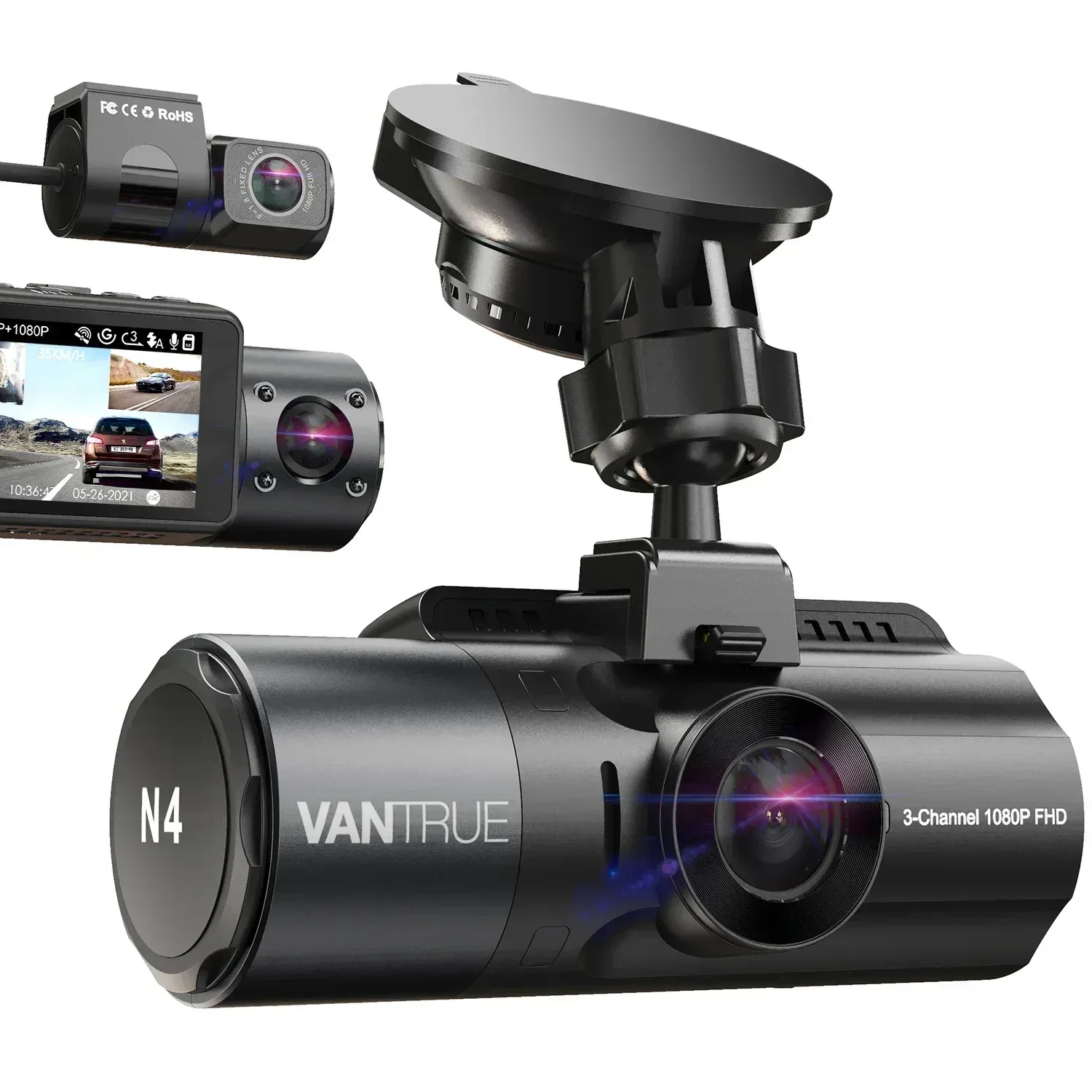


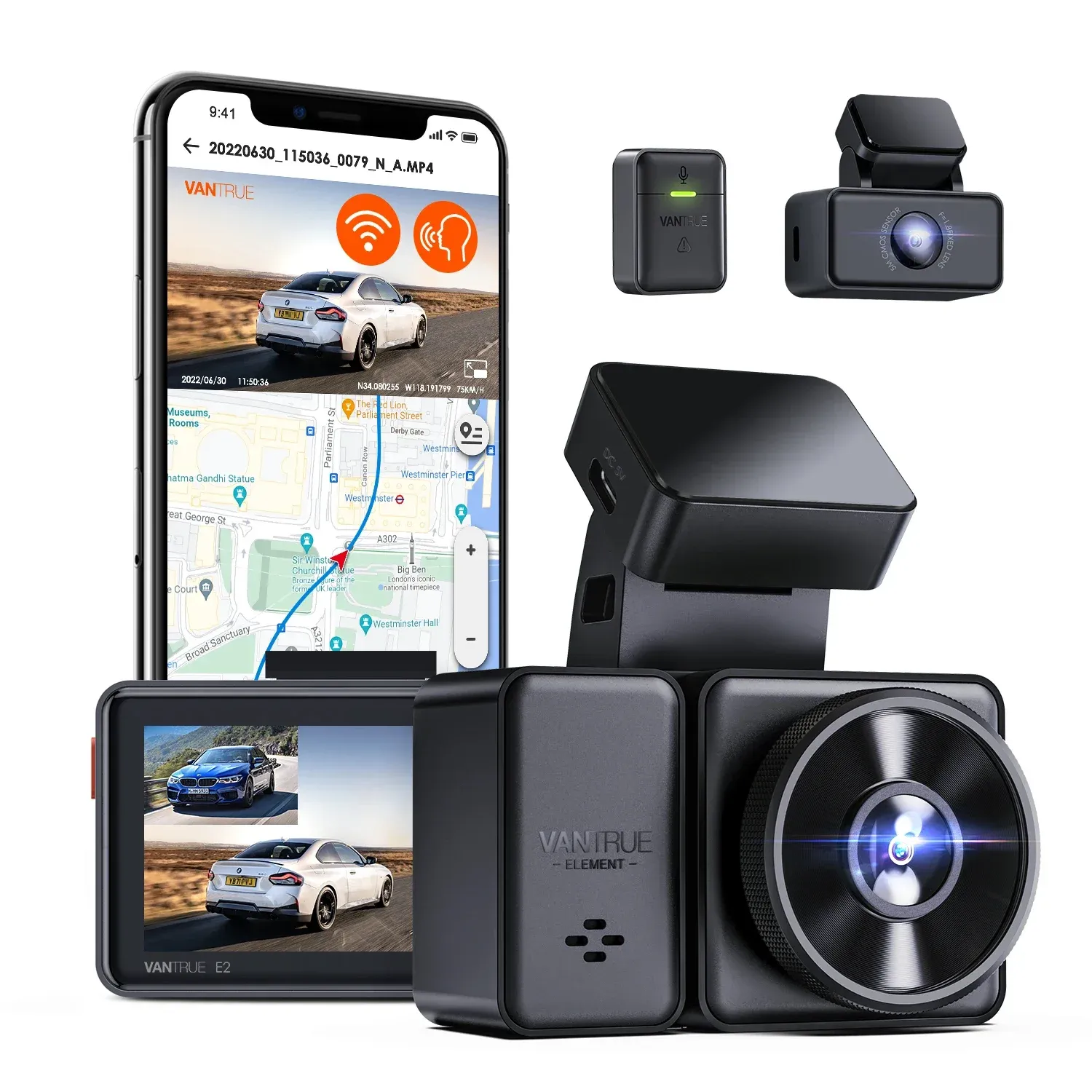

Small windshield footprint, clearer everyday driving records
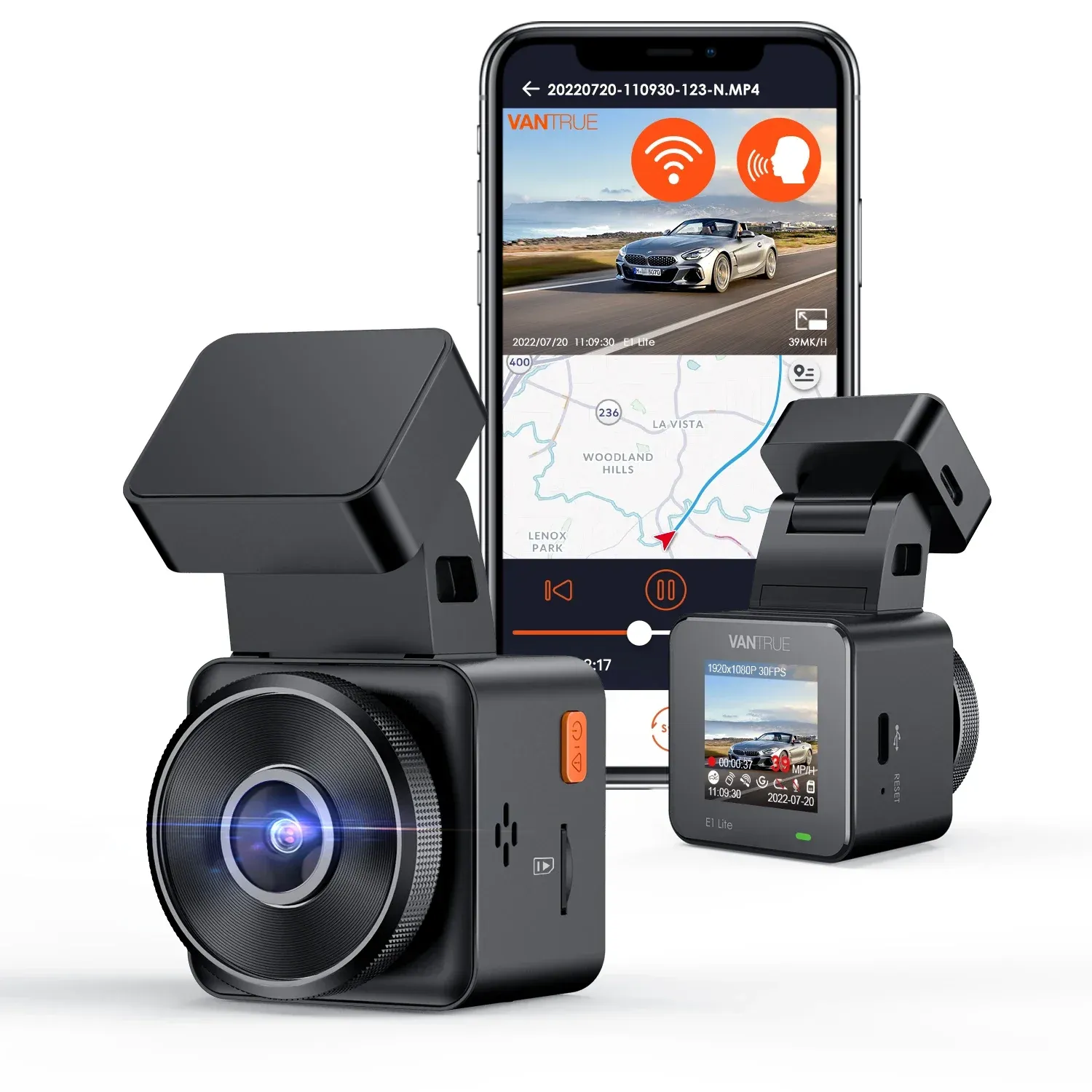
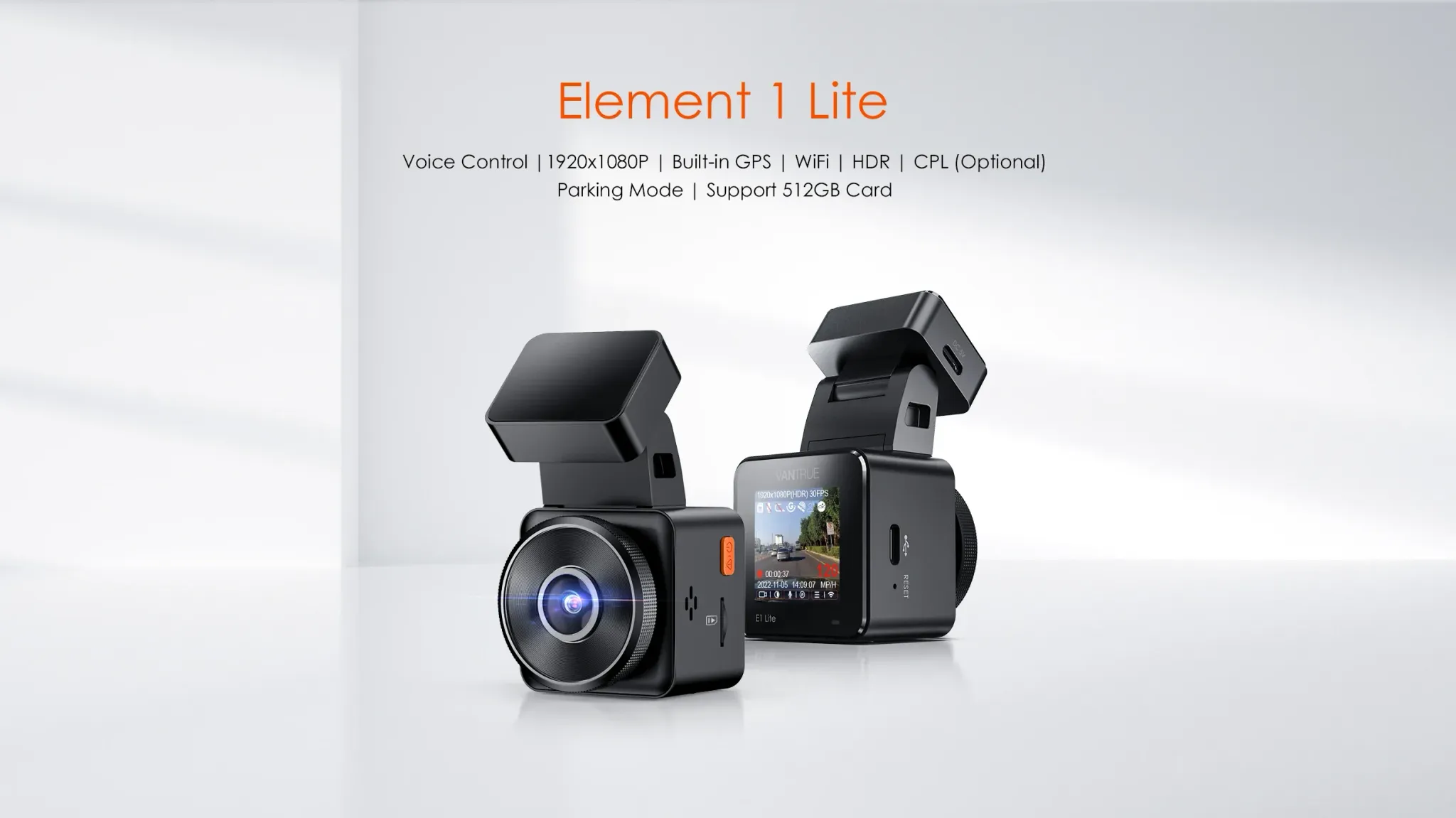
The main problem this dash cam solves is simple: you want reliable incident footage without adding a large device that dominates the cabin. The Vantrue E1Lite keeps the setup compact while still covering the essentials that matter in daily traffic, from front-facing recording to location-linked evidence.
That balance makes it a practical fit for commuters, rideshare drivers, and anyone who prefers a cleaner windshield view. It feels like a camera designed to disappear into the car rather than call attention to itself, so what does that compact form change in real use?
1080P recording that prioritizes usable detail over excess bulk
This model records in 1080P, which is the right middle ground for drivers who want readable plates and road context without moving into the larger, hotter, more power-hungry 2K and 4K class. In city traffic, that matters because the footage stays manageable for storage and review, especially when you are checking a short clip after a fender-bender.
Users usually value dash cams for evidence, not cinematic sharpness, and that is where this format makes sense. If you already run a high-resolution rear or cabin system, the E1Lite can work as a focused front camera rather than a complicated multi-channel setup, so how does it handle the extra data that makes footage more useful?
GPS speed logging adds context to every clip
The built-in GPS is one of the most useful features here because it ties your recording to speed and route data. In practice, that gives you a cleaner record when you need to explain where the car was, how fast it was moving, or whether a stop was complete.
This is especially helpful for insurance disputes, delivery work, and fleet-style use where location context can matter as much as the image itself. Compared with a basic non-GPS dash cam, the E1Lite adds evidence that is harder to argue with, which becomes even more valuable once you start using voice commands on the road.
Voice control keeps your hands on the wheel
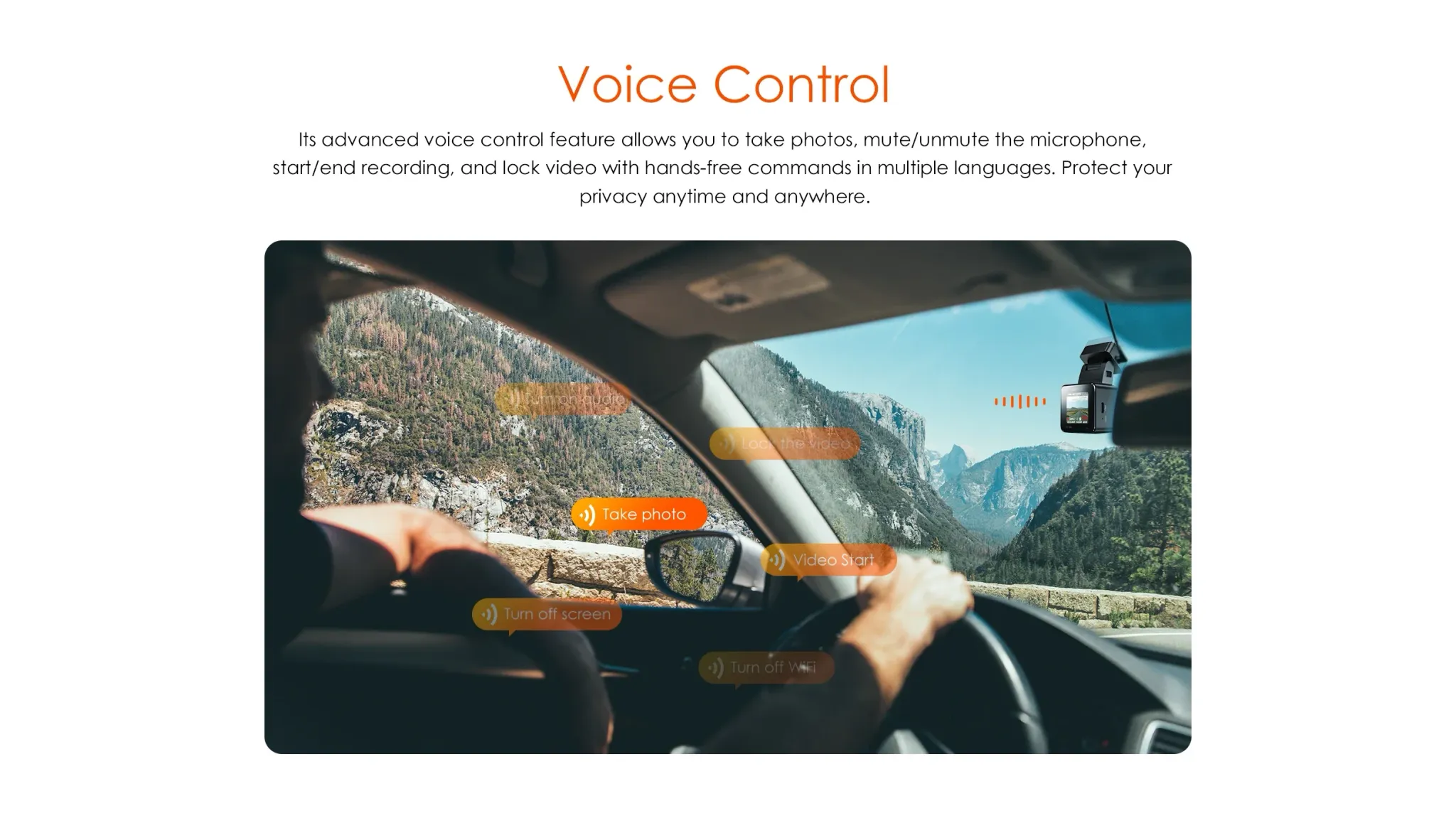
Voice control is a meaningful convenience feature because it lets you trigger actions without reaching for the camera during traffic. That reduces distraction and makes the dash cam feel more integrated into the drive, especially when you want to save a clip after a near miss or unexpected event.
According to users, this kind of hands-free operation is most useful when the camera is mounted out of easy reach or when the driver wants to avoid tapping a small screen. The detachable design also suggests a setup meant for quick removal or repositioning, which leads into one of the model’s most practical use cases: parking protection.
24-hour parking mode for overnight peace of mind
The 24-hour parking mode is the feature that extends the camera’s value beyond commuting hours. It gives the car a watchful front eye when the vehicle is parked, which is useful in apartment lots, street parking, and busy retail areas where low-speed bumps and door impacts happen without warning.
Because parking mode depends heavily on installation quality and power management, this is best treated as a real security layer rather than a set-and-forget promise. If you want the camera to work as intended, the hardwired or supported power setup matters just as much as the sensor itself, so what should you expect from the build and certifications?
Certified for the essentials, built for the AliExpress dash cam niche
The product carries CE, FCC, RoHS, and WEEE certifications, which is a reassuring sign for buyers comparing options in the AliExpress United States catalog. Those markings do not guarantee premium imaging, but they do show the camera is positioned as a compliant electronics accessory rather than an unverified generic unit.
Vantrue has built a reputation in the dash cam niche for balancing practical features with compact hardware, and that consistency matters when you are choosing between many lookalike models. For drivers who want a discreet front camera with GPS, voice control, and parking coverage, the E1Lite lands in a very usable part of the market, but what are the trade-offs?
Where it makes the most sense
- Daily commuting where a compact mount is easier to live with.
- Rideshare or delivery work that benefits from GPS-linked evidence.
- Parked-car monitoring in lots and curbside spaces.
- Drivers who prefer voice control over screen tapping.
What to keep in mind
- 1080P is practical, but not the sharpest option for long-range plate capture.
- Parking mode depends on the right power setup.
- It is a front-focused solution, so buyers wanting full cabin or rear coverage should look at multi-camera systems.