












One button that replaces a whole routine
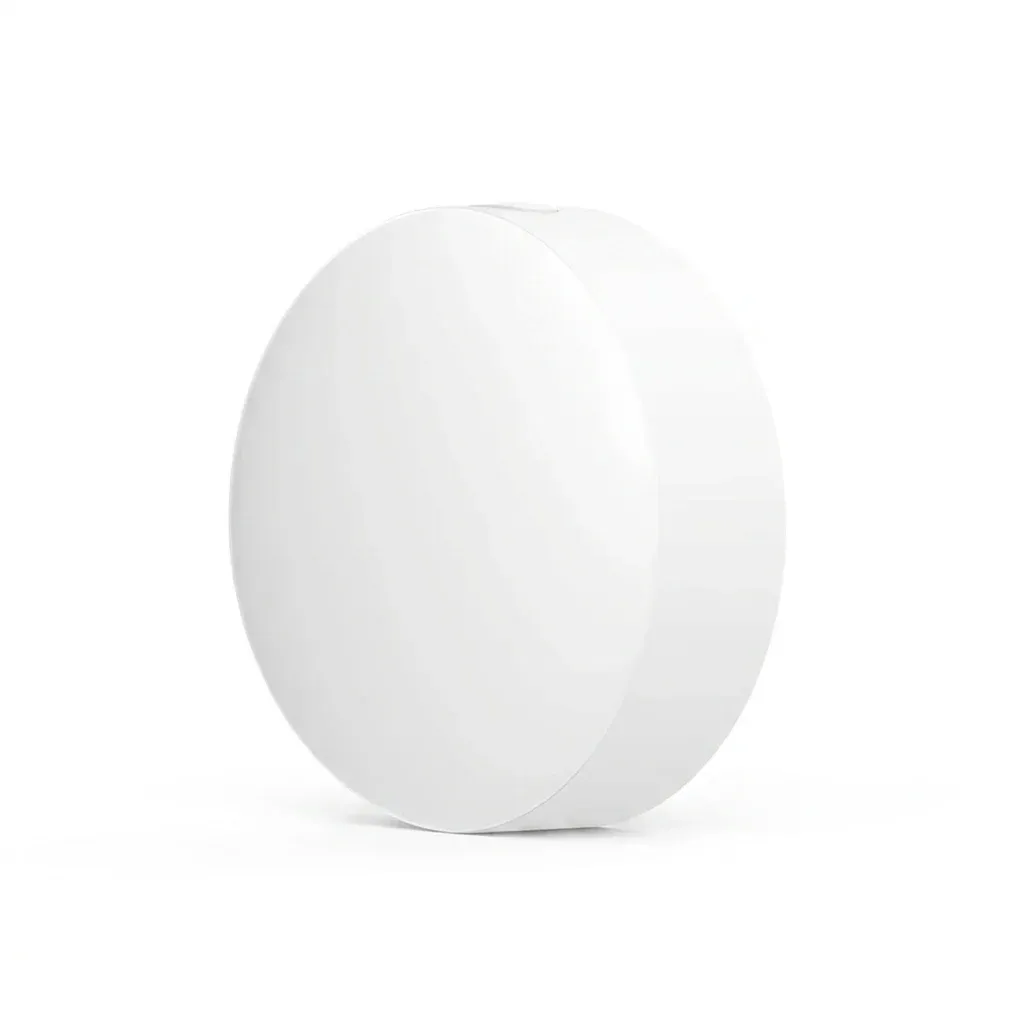
This scene switch solves a familiar smart-home problem: not every action deserves a phone unlock or a voice command. With one press, it can trigger lighting scenes, media modes, or room presets through a ZigBee hub, which is why it feels more practical than a screen-heavy app workflow.
The appeal is not raw hardware complexity but convenience, and that is exactly where it earns attention in an AliExpress United States smart-home setup. Users consistently note quick pairing with ZHA, Zigbee2MQTT, or Tuya-compatible hubs, so the real value starts once the gateway is already in place.
What ZigBee 3.0 changes in daily use
ZigBee gives this button a low-power, always-ready character that suits wall placement better than Bluetooth-only gadgets. Because it is battery powered and ready to go out of the box, it avoids wiring and makes sense for renters, bedrooms, hallways, and media corners where a fixed switch would be inconvenient.
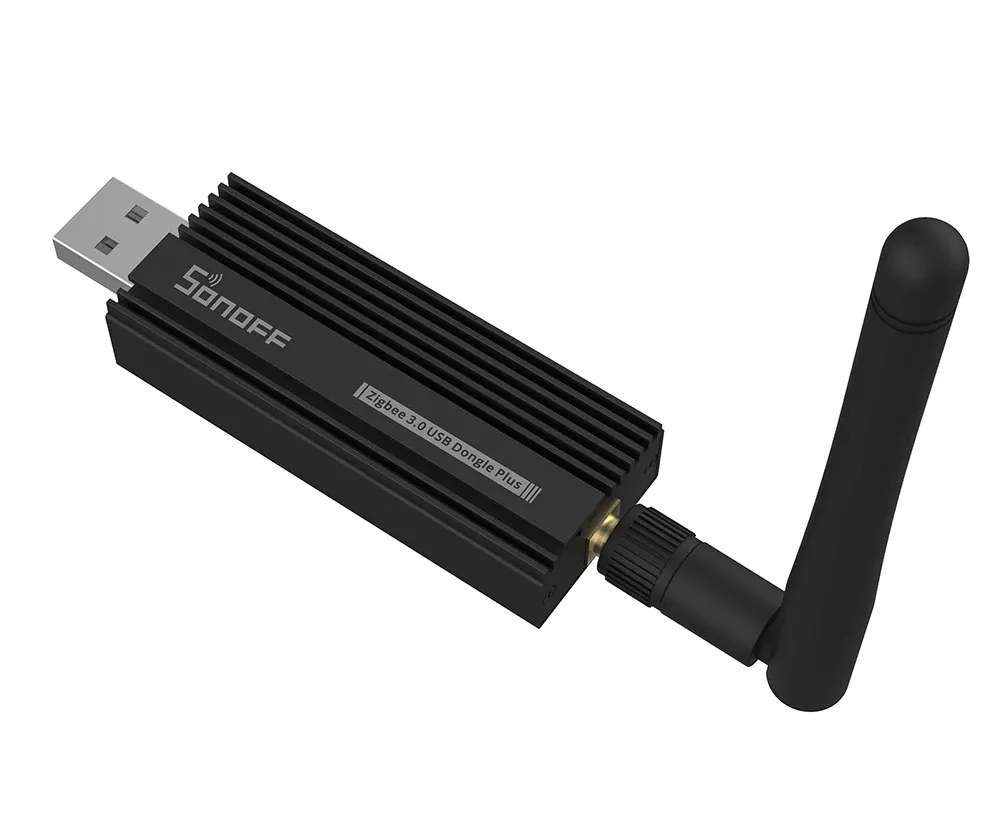
The catch is simple: it needs a Tuya ZigBee gateway or another compatible ZigBee coordinator to work properly. That dependency is not a flaw so much as a boundary, and it matters if you are building a mixed ecosystem rather than a fully Tuya-based one.
Scene control that feels faster than app navigation
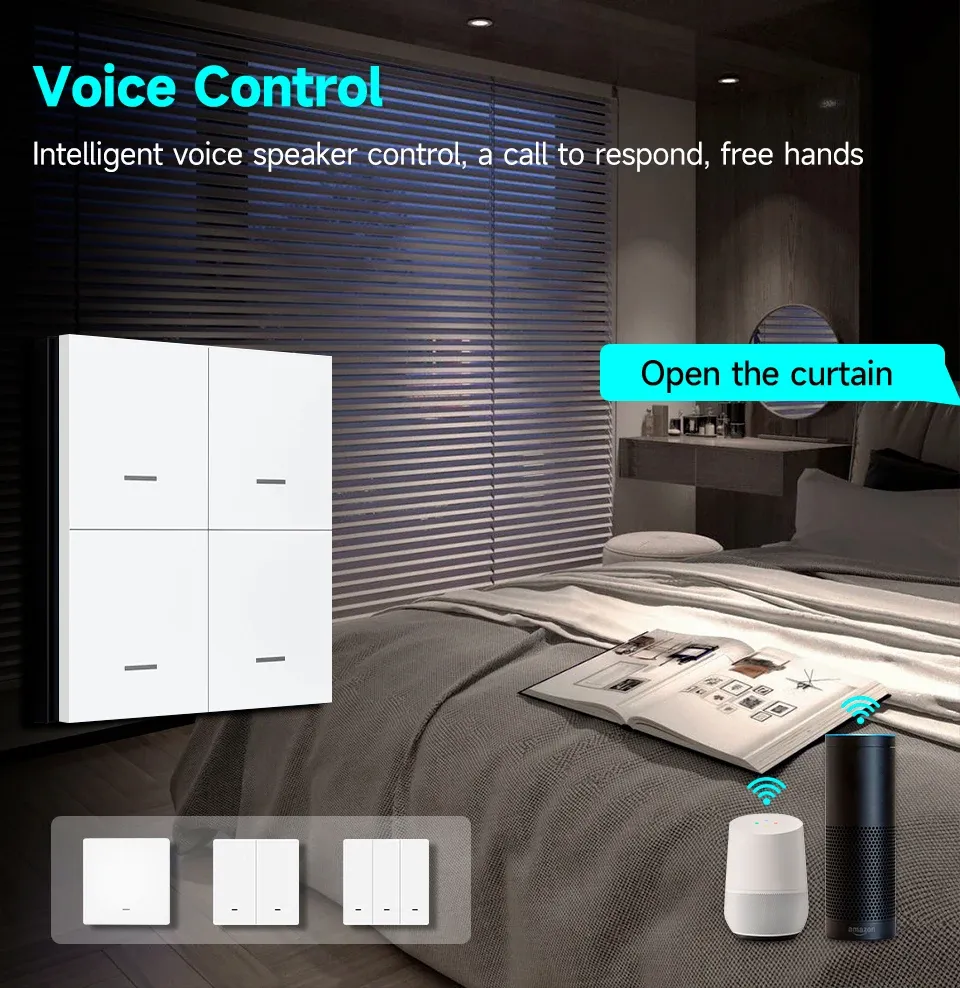
In practice, a physical button is faster than opening an app when your hands are full or the room is dark. Customers mention using it for light scenes, three-way control, and Home Assistant automations, which suggests it is most useful when assigned to actions you repeat every day.
The push-button format also gives a clearer tactile cue than touch panels, especially when mounted near a bed or sofa. Some users report that the click can feel firm and a little loud, but that same firmness helps confirm the press without looking at the switch.
Mounting flexibility without rewiring
Because it ships with a free sticker-style wall mount approach, the switch can be placed where a traditional electrical box is missing. That makes it a strong fit for temporary layouts, workshop corners, or secondary rooms where drilling and rewiring would be overkill.
One practical detail matters here: the back panel may not sit perfectly flat on every wall, according to some customer feedback. If you want the cleanest result, a smooth, dust-free surface will help the adhesive hold better and keep the button aligned over time.
Battery-powered convenience, with a few setup habits
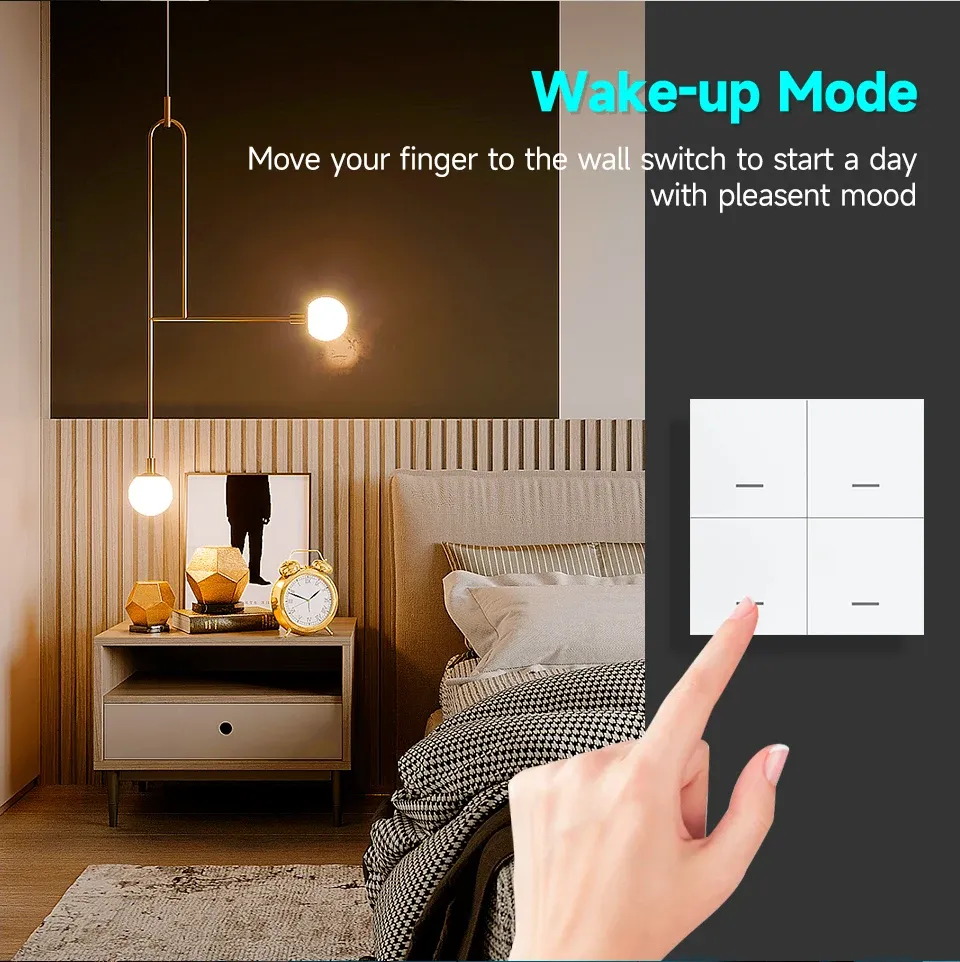
The included battery means the switch is ready for pairing rather than assembly, which is unusual at this entry-level cost. Real-world reports also show that a fresh battery check can matter during setup, since some users had to remove and reinsert the battery before the hub recognized the device.
That small extra step is worth remembering if pairing stalls on the first attempt. Once connected, the button appears to behave reliably with common ZigBee ecosystems, and the 289-review sample behind this listing points to a strong satisfaction pattern rather than a one-off success story.
Who should choose it over a smart wall panel
This is a better fit than a display-based controller if you want a dedicated trigger for one room or one scene. It is especially attractive for automation users who already map single press, double press, and long press actions to different routines, because that multiplies control without adding clutter.
If you need a polished premium finish or a perfectly flush wall fit, more expensive alternatives may feel better in the hand. If you want a low-cost, functional scene trigger that works with common ZigBee stacks and keeps the interface physical, this small button does a lot for very little.