











Sonoff’s coordinator approach feels mature from the first setup
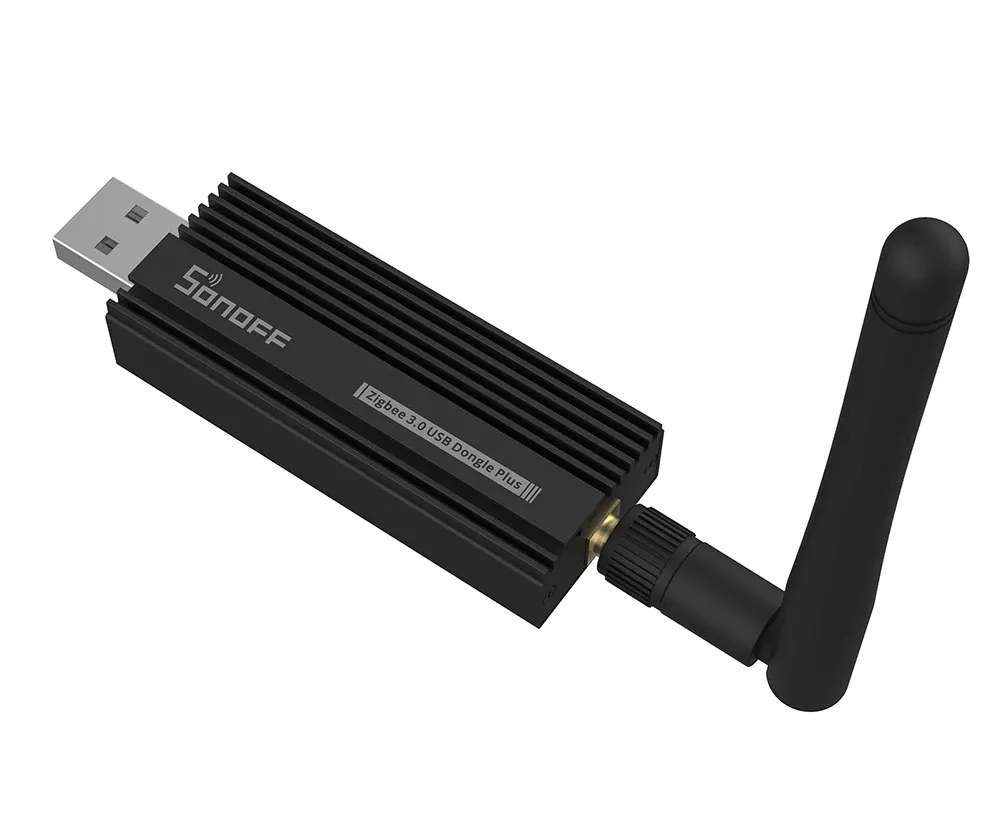
Sonoff has built a strong reputation in the AliExpress smart-home niche by shipping hardware that is practical, well-documented, and widely supported by open-source platforms. This dongle follows that pattern with pre-flashed coordinator firmware, so the first step is usually integration rather than tinkering.
That matters because Zigbee projects often fail at the setup stage, not the device stage. If you want a single radio that can replace multiple brand hubs, this is the kind of product that makes the ecosystem feel simpler, so how does it behave in daily use?
Why the CC2652P radio matters in real homes
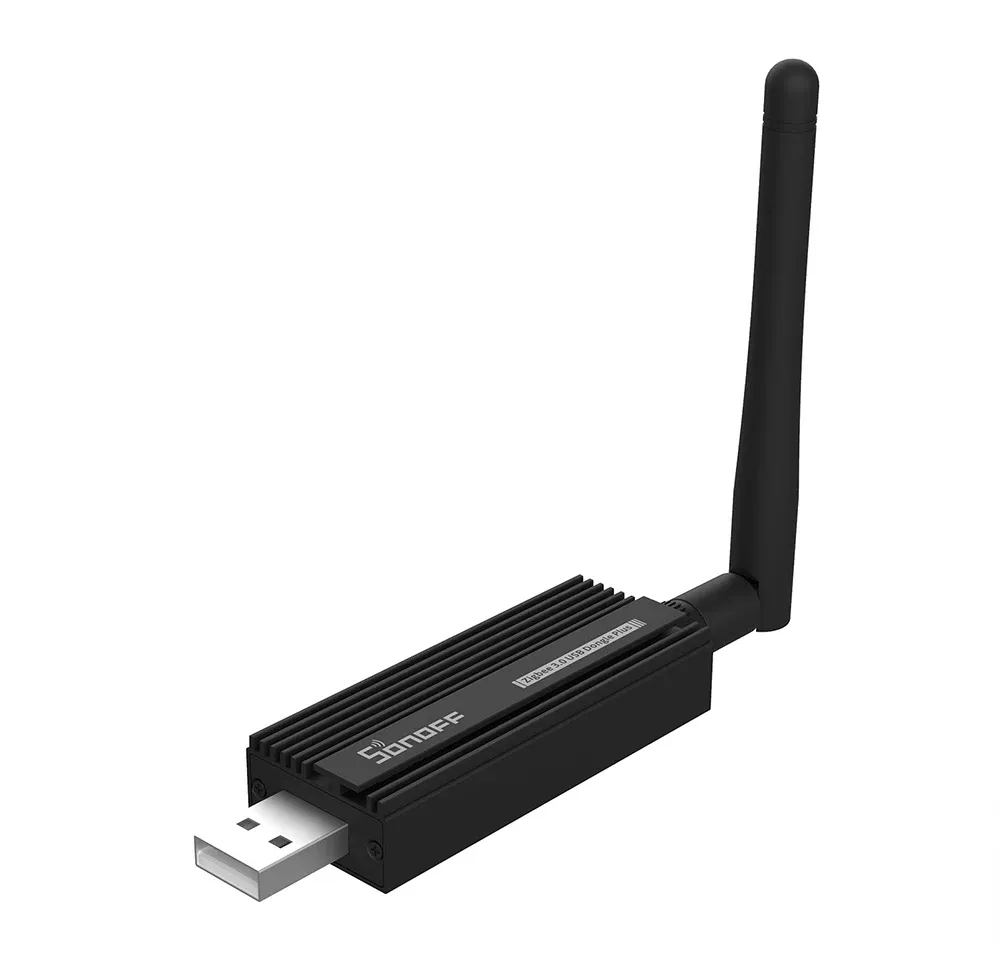
The dongle is based on the TI CC2652P chip with a CP2102 interface, which gives it the kind of compatibility many Home Assistant users look for. In practical terms, that means faster recognition, broad device support, and a better chance of keeping a mixed Zigbee network stable without constant resets.
The +20 dBm output gain is not just a spec line; it helps the signal push farther through walls and furniture than weaker USB sticks. Users often report solid coverage across an entire house, and the external SMA antenna gives you more flexibility when the coordinator sits behind a PC or a mini server, so placement becomes the next advantage.
Local Zigbee control without brand lock-in
This dongle is designed for ZHA and Zigbee2MQTT, which is the main reason many automation builders choose it over closed hubs. You can pair sensors, switches, relays, and other Zigbee sub-devices into one local network, reducing dependence on separate brand apps and cloud relays.
That local-first approach is especially useful if you already run Home Assistant Green, a Raspberry Pi, or another open-source controller. Real customer feedback is strong here, with users repeatedly noting instant detection, easy pairing, and reliable performance after setup, which raises an important question about range and expansion.
Aluminum housing and the practical side of placement
The aluminum alloy shell is more than cosmetic, because it helps reduce interference from nearby peripherals and gives the dongle a sturdier feel than bare-plastic adapters. It also runs in a sensible temperature range from -10℃ to 40℃, which fits indoor automation racks, media cabinets, and desk setups.
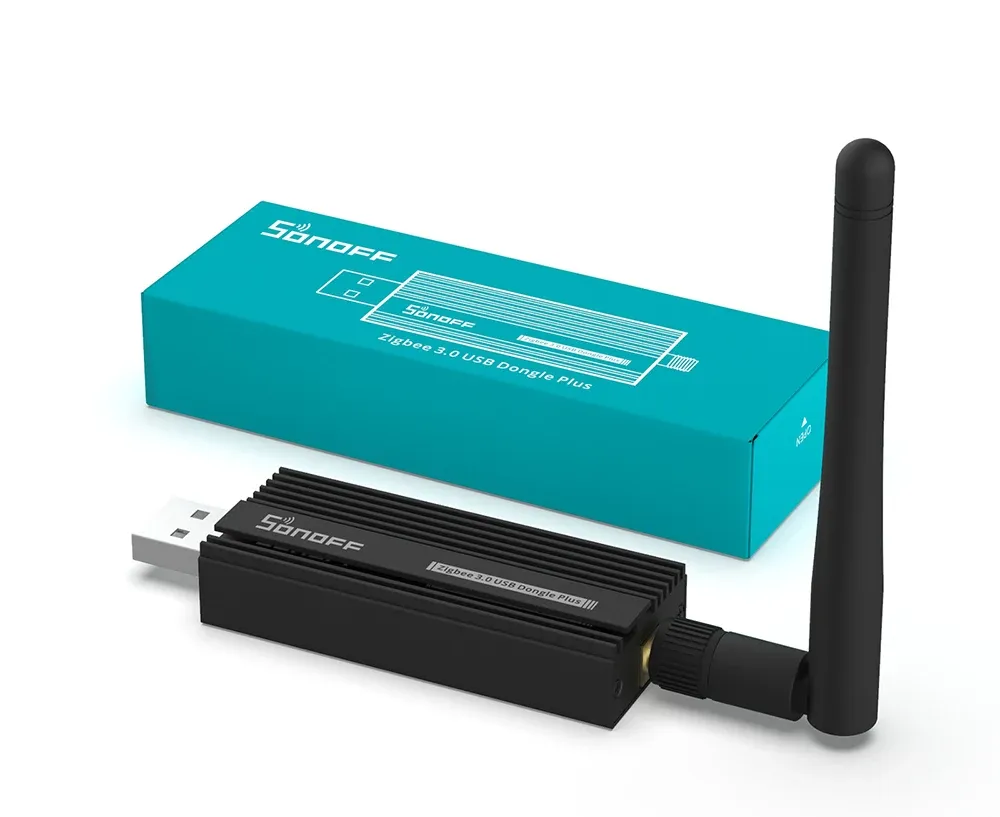
One useful detail is the optional 1.5 m USB extension cable, which can improve reception by moving the radio away from noisy USB ports and metal cases. For Zigbee, that small placement change can matter as much as the chip itself, especially if you plan to grow beyond a handful of devices.
Device capacity for expanding Zigbee networks
The official firmware supports 21 direct children by default, with room for up to 40, and the configuration can be adjusted higher in some setups. That makes it a sensible starting point for apartments and medium homes, while power users can treat it as a coordinator that grows with the network.
It is also compatible with many SONOFF sub-devices such as SNZB sensors and ZBMicro-related gear, plus a wide range of third-party Zigbee products. If you are comparing it with a branded hub, the main difference is freedom: you get one coordinator for many devices instead of one ecosystem per room, and that flexibility is where the value becomes clear.