














Why Aqara’s sensor line earns trust in smart home setups
Aqara has built a strong reputation in the AliExpress niche by focusing on compact sensors that integrate cleanly instead of trying to do everything at once. The brand’s hardware usually pairs quickly, stays consistent in daily use, and fits neatly into automation platforms that serious users already rely on.
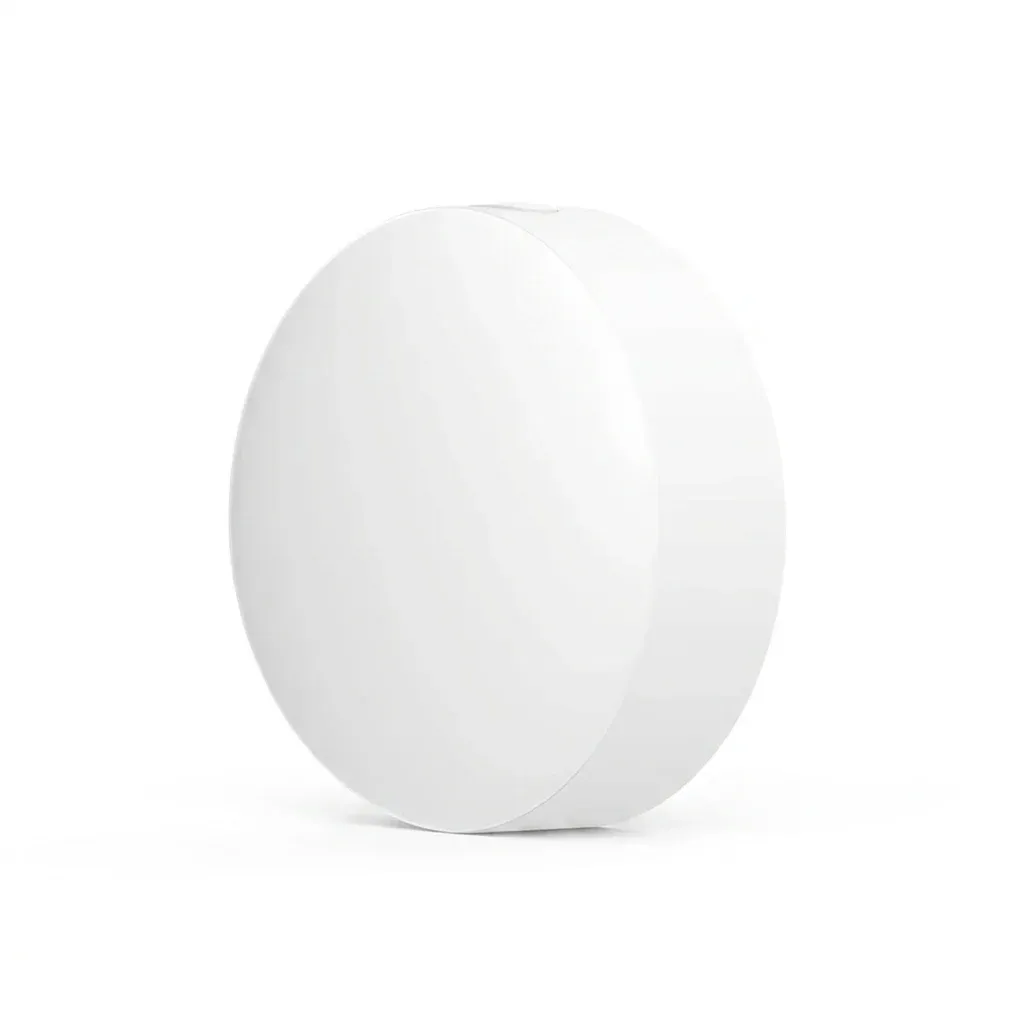
The Light Sensor T1 follows that formula with a narrow job done well: measuring brightness and sending that data into your Zigbee ecosystem. That makes it useful anywhere light changes matter, from curtain automation to plant shelves, and the real question is how much precision it brings to those tasks.
Lux readings that turn lighting into automation triggers
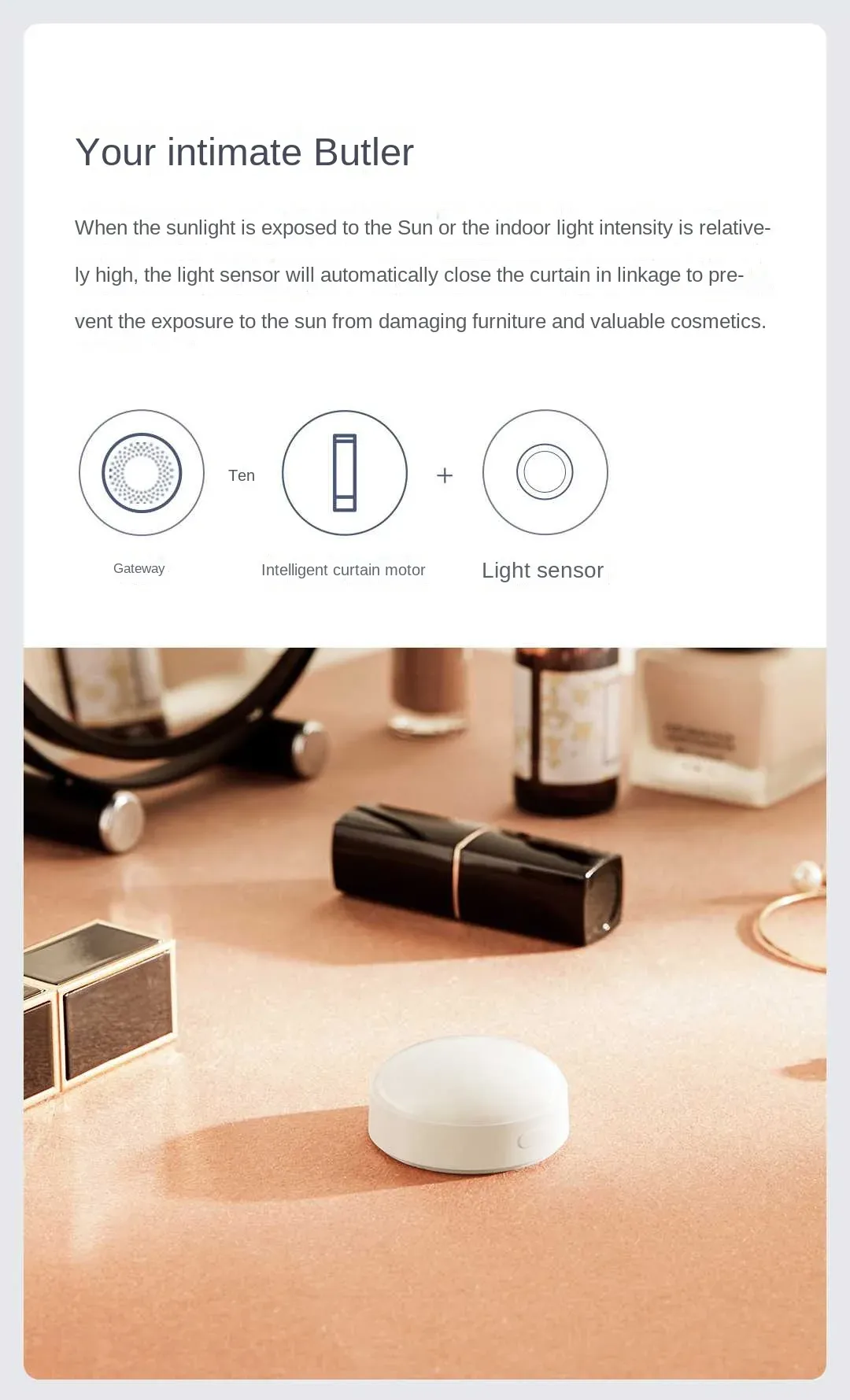
This sensor is designed for people who want light control based on actual ambient conditions, not guesswork. Users report that it reacts quickly and gives more dependable illuminance readings than the light data built into some motion sensors, which matters when you want shades or lamps to respond before a room feels too dim.
In practice, that means a hallway light can stay off until dusk really arrives, or a desk lamp can come on only when the room drops below a chosen threshold. Compared with broad ambient sensors, the T1 is more focused and easier to tune, which is exactly what makes it valuable in automation-heavy homes.
Zigbee 3.0 pairing and HomeKit-friendly control
Zigbee 3.0 is the key advantage here because it keeps the sensor on a low-power mesh network instead of depending on Wi-Fi congestion. Real-world reviews mention smooth pairing with Home Assistant, zigbee2mqtt, SmartThings, and Aqara Home, so the setup burden appears low for users who already run a hub.
That compatibility also makes the sensor flexible enough for mixed ecosystems, especially if you want one device to feed different automation platforms. If your home already has Zigbee coverage, the T1 can become a quiet input node rather than another app-managed gadget, which is a useful distinction for long-term reliability.
Small body, broad placement options
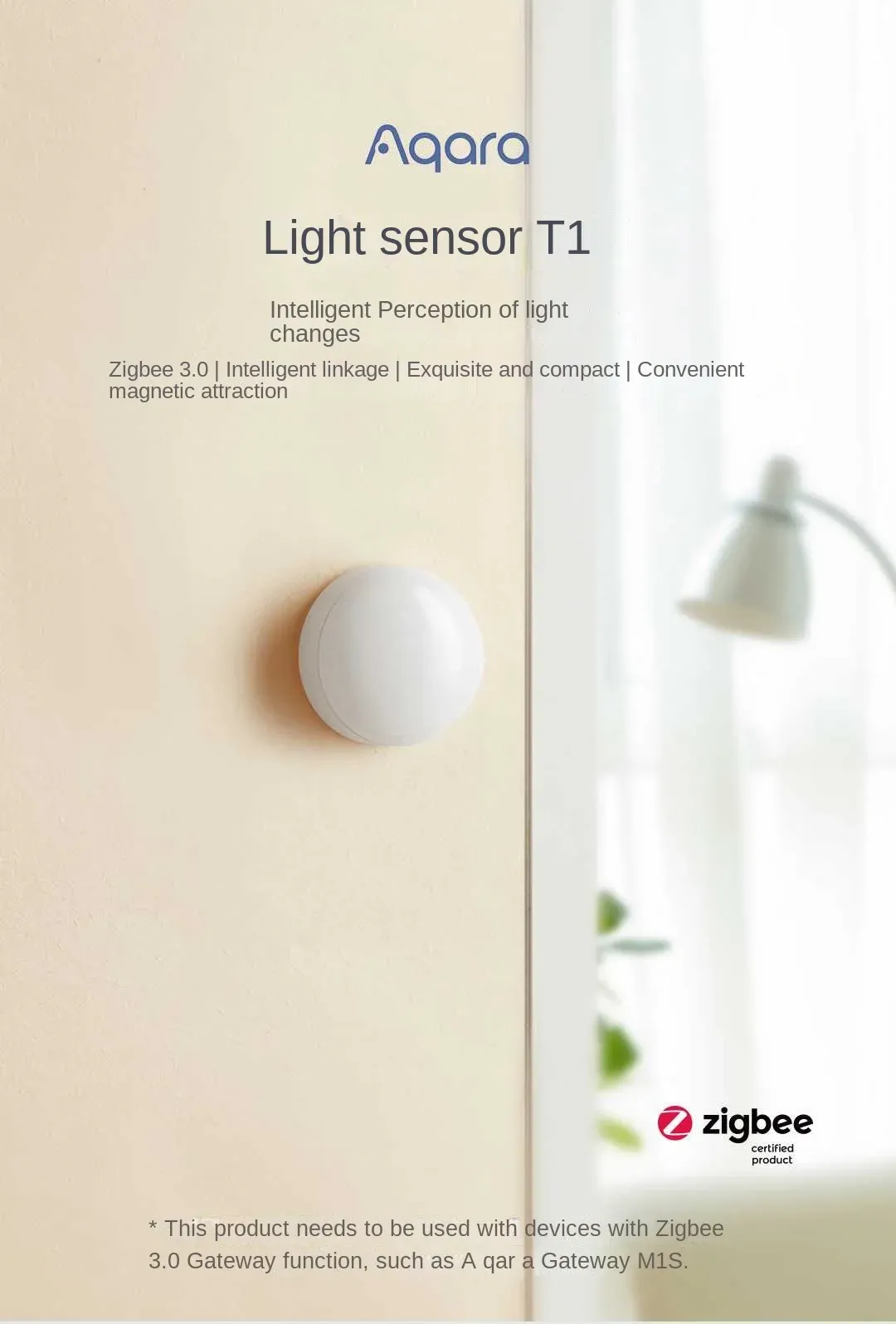
The compact design is one of its most practical strengths, because a brightness sensor only works well when it sits where light actually reaches the target area. Users describe it as discreet and easy to place, and the magnetic mounting approach makes it simpler to reposition than fixed sensors that need tools or adhesive strips.
That matters for plant shelves, window frames, office corners, and bedroom automations where you may want to test different angles before settling on a threshold. Since the sensor is ready to go out of the box and includes a battery, it is built for quick deployment rather than a complicated install, which leads naturally to runtime and maintenance.
Battery-powered convenience with low-maintenance use
The included battery and wireless design keep the T1 easy to place in spots where power is inconvenient or impossible. For light-based automations, that convenience is more important than raw size, because the sensor can sit exactly where the readings are most useful instead of where a cable reaches.
Users also note that the battery is easy to replace, which helps the device stay practical over time instead of becoming disposable hardware. If you are comparing it with camera-based or Wi-Fi sensors, this is the cleaner option for simple brightness monitoring, and that raises one last question: who benefits most from it?
Where the T1 makes the most sense
The strongest use cases are smart curtains, adaptive lighting, greenhouse or houseplant monitoring, and room scenes that should follow natural daylight. According to users, it performs especially well when paired with Home Assistant or Zigbee2MQTT, where its readings can drive precise automation rules instead of basic on/off triggers.
It is less about flashy features and more about dependable measurement, which is why it stands out in a crowded sensor category. If you want a brightness sensor that feels purpose-built, the T1 is the kind of device that quietly improves the logic of an entire smart home setup.