














Sonoff’s compact relay logic for DIY control
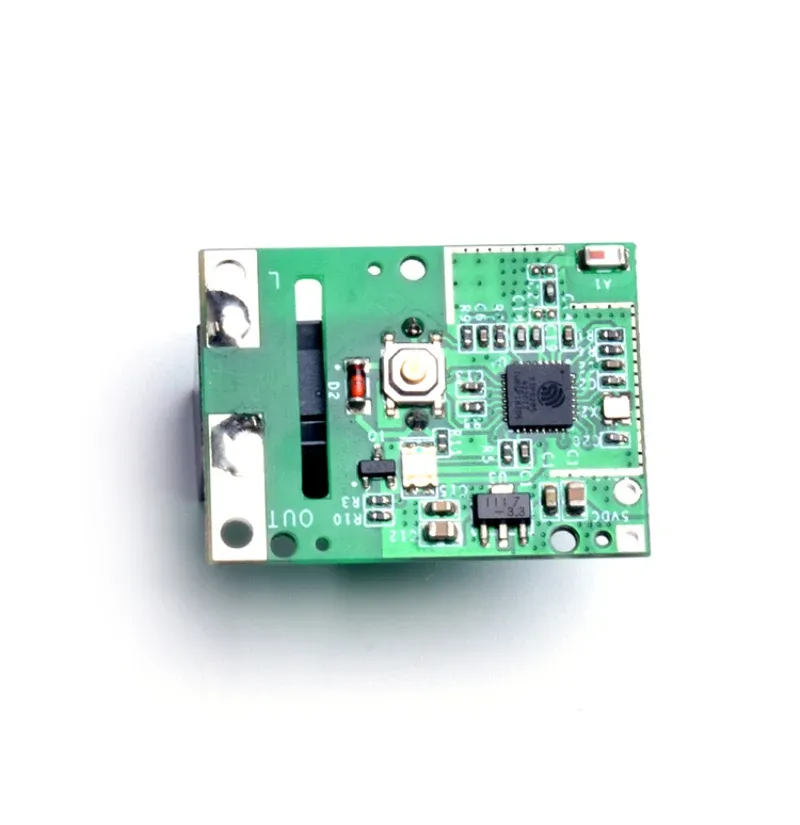
Sonoff has earned a solid reputation in the AliExpress smart-home niche by making Wi-Fi control hardware that is compact, practical, and easy to integrate into custom projects. This module follows that formula closely, giving makers a small relay board that turns ordinary low-voltage devices into app-controlled switches.
The appeal is not raw power, but control density: a tiny module, 5V DC input, and multiple switching modes in one board. If you need a clean way to trigger a device from eWeLink, Alexa, or Google Home, this is the kind of component that can simplify the whole setup, so how does it behave in real use?
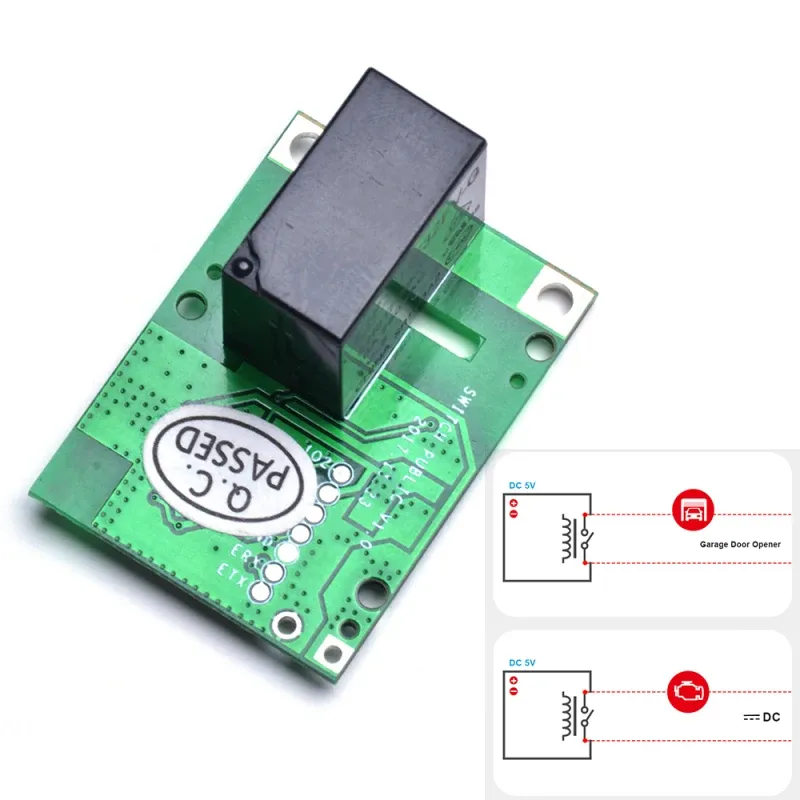
5V input and dry-contact output: why that matters
The 5V DC design makes this relay fit neatly into low-voltage DIY builds where a mains-powered smart switch would be unnecessary or awkward. Dry-contact output is the useful part here, because it lets the module act like a button or trigger rather than forcing a fixed electrical path.
That flexibility opens the door to garage doors, access triggers, pumps, small automation panels, and other circuits that only need a momentary or maintained signal. In practice, it is less about replacing a wall switch and more about adding smart control to equipment that was never designed for it, which changes the use case entirely.
Inching mode versus self-locking mode
The two operating modes are the feature that gives this module most of its value. Self-locking behaves like a standard on/off switch, while inching mode creates a brief pulse, which is ideal for push-button style automation or timed activation.
Users who want one-tap control will likely prefer self-locking, while builders working with gates, relays, or starter circuits can benefit from inching because it mimics a physical button press. That split makes the module more versatile than a basic Wi-Fi relay, and it helps explain why it has drawn positive feedback from customers so far.
eWeLink, voice control, and scheduling
Once paired with the eWeLink app, the module becomes useful beyond the local switch point, since remote on/off control and scheduling can be handled from a phone. Support for Alexa, Google Home, and IFTTT also makes it easier to fold into a larger smart-home routine without rebuilding the rest of the setup.
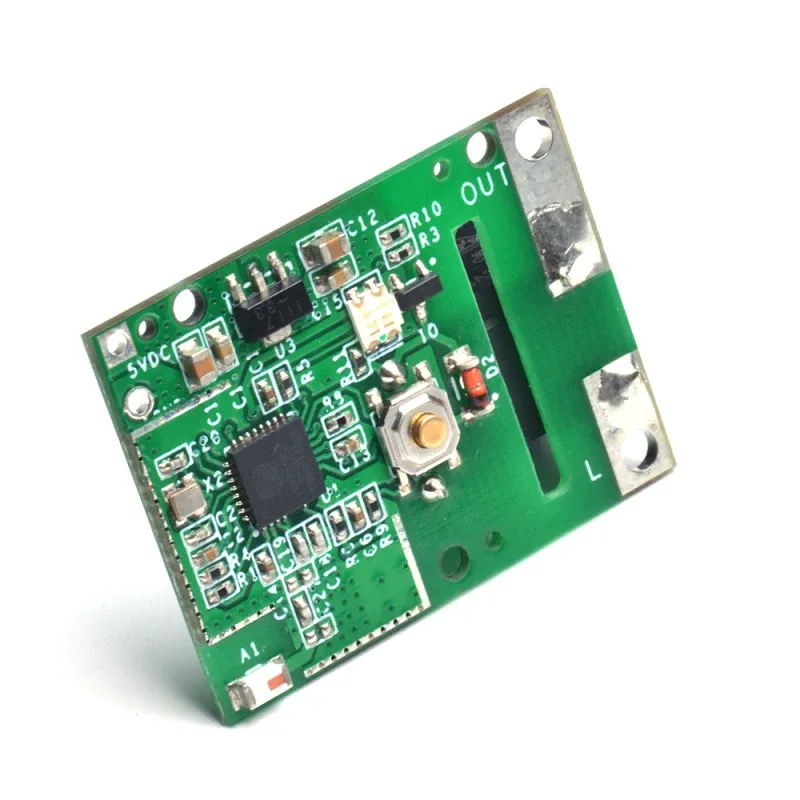
The real benefit is convenience with structure: you can trigger a device remotely, then automate it on a timer instead of remembering each step manually. For AliExpress buyers assembling budget-friendly smart systems, that combination usually matters more than a long feature list, so what should you watch before installing it?
What this module is best at
This is best treated as a control interface, not a universal smart switch for every appliance. It suits low-voltage DIY projects, momentary triggers, and compact enclosures where space is tight and a full-size controller would be overkill.
The CE marking adds a basic layer of reassurance, and the small number of real reviews is consistently strong, which suggests the module performs as expected for its category. The main limitation is that success depends on correct wiring and a project that actually matches a 5V relay’s strengths, so the next step is choosing the right application.