













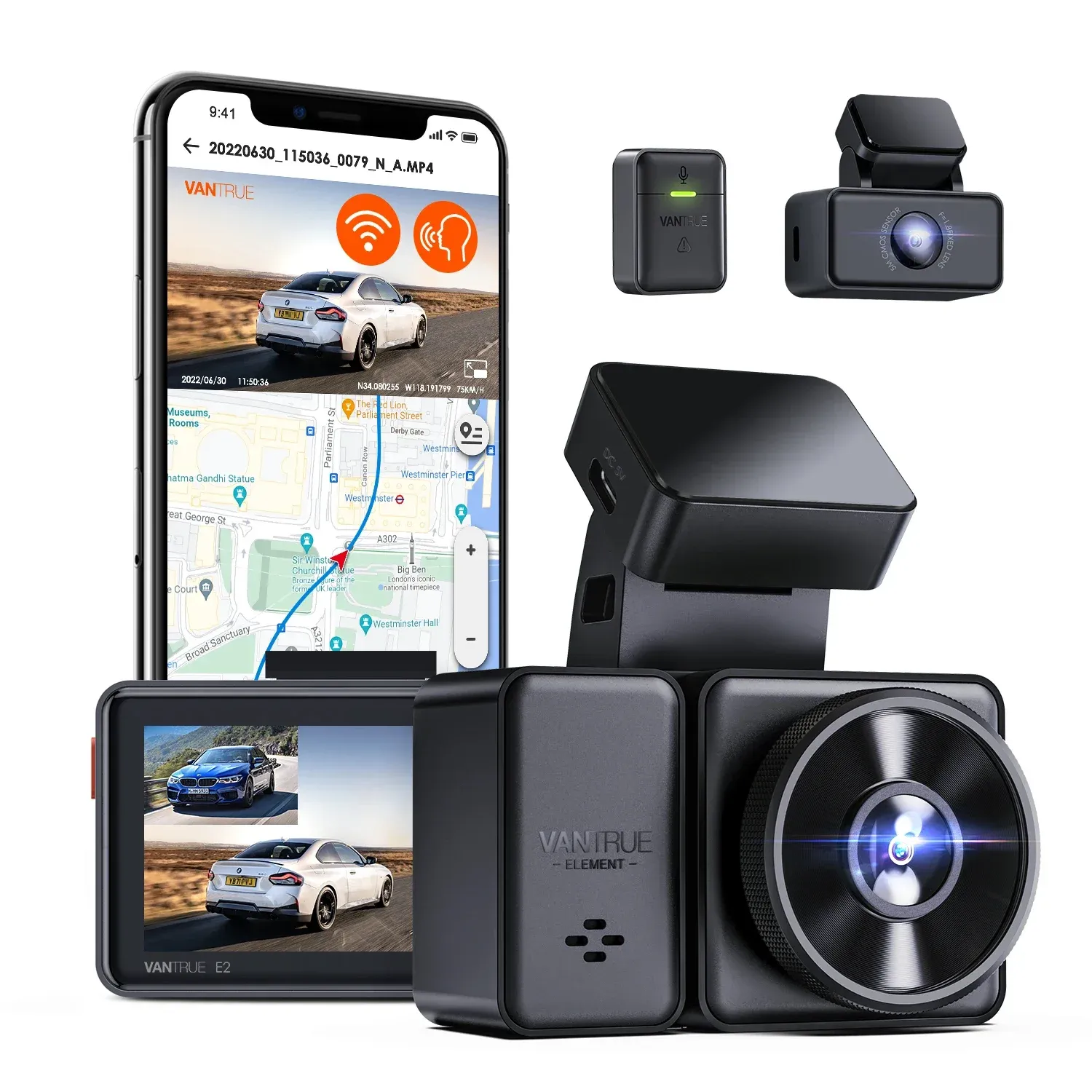

Wide-road coverage without a bulky setup
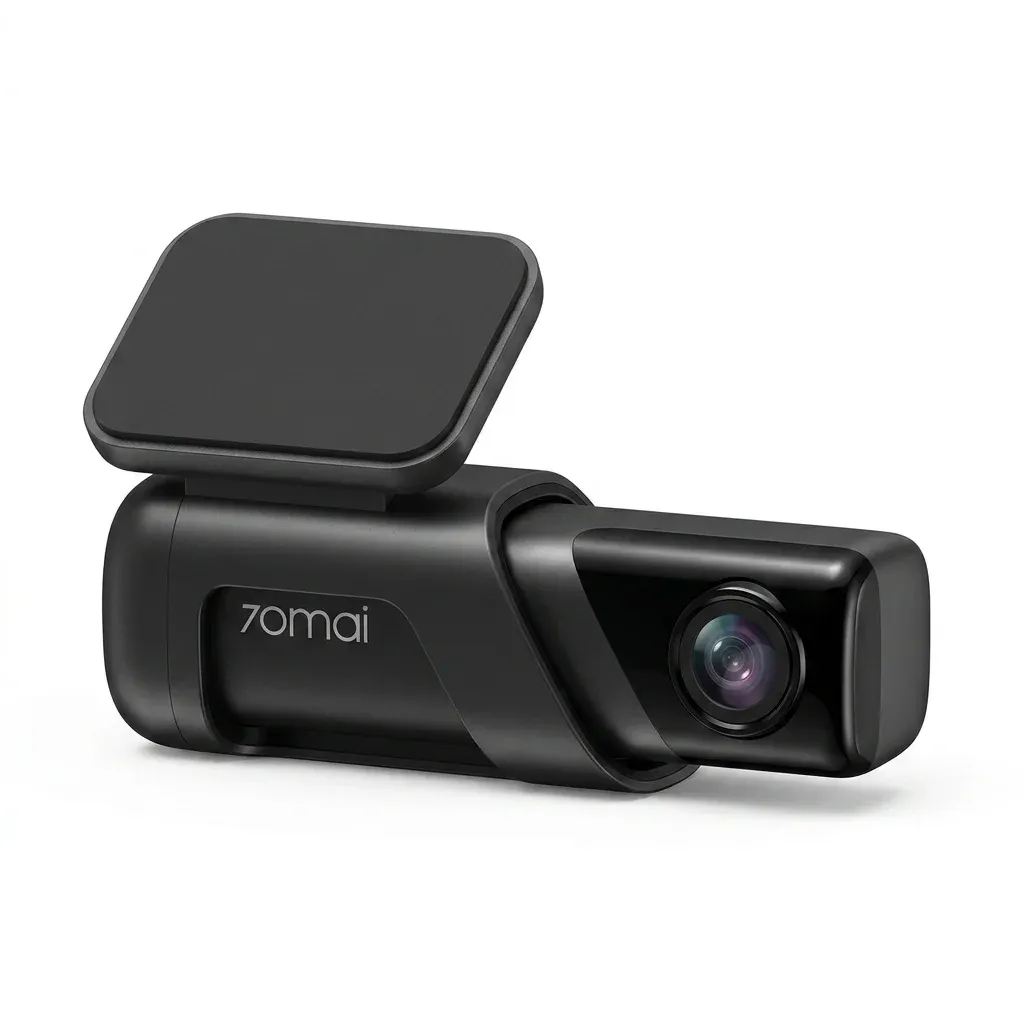
The 70mai M500 solves a common dash cam problem: missing important action at the edges of the frame. Its 170° field of view gives you a broader look at adjacent lanes, junctions, and roadside incidents, which is useful when a narrow lens would leave blind spots.
That wider view comes in a compact portable recorder body, so the windshield does not feel crowded. For drivers who want a clean install with fewer dangling parts, that balance is one of the camera’s strongest practical advantages, and the image detail is where it gets interesting.
1944P recording that holds up beyond basic commuting
The 2592x1944 resolution sits above standard 1080P dash cams, and the benefit is easy to understand in real use: license plates, lane markings, and roadside signage stay more readable when footage is zoomed or reviewed later. The OV OS05A10 sensor and NOVATEK chipset suggest a platform built for dependable daytime capture rather than gimmicks.
At 30 frames per second, motion looks smooth enough for city traffic and faster suburban roads. Users repeatedly mention that the video looks clear and the unit feels straightforward to use, which aligns with a camera aimed at reliable evidence capture rather than flashy display features.
GPS and ADAS make the footage more useful
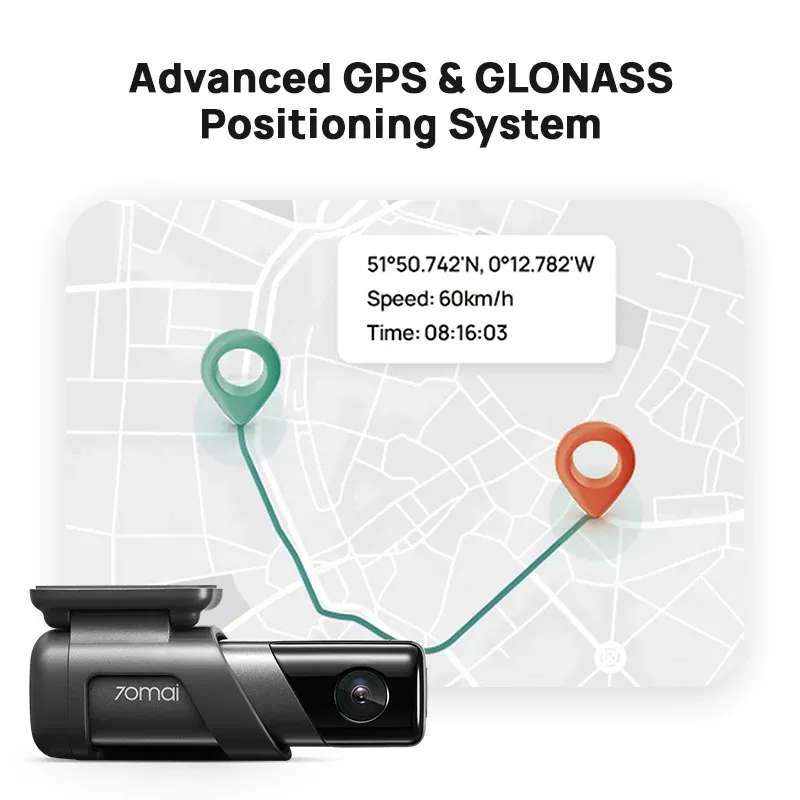
Built-in GPS is not just a map marker here; it adds speed and route data to clips, which can matter when you need to reconstruct what happened on a specific stretch of road. That extra context can be more valuable than raw resolution alone, especially in disputed incidents.
ADAS support also gives the M500 a more modern driving-assist layer, warning you about lane or distance-related situations depending on the setup. It is not a substitute for attention, but it can make long highway drives feel more informed, and the next feature is aimed at the car when you are not inside it.
Parking monitor and built-in storage for unattended moments
The 24H parking monitor is the feature that turns this from a daytime recorder into a security tool. When hardwired correctly, it can watch for motion or impact events while the car is parked, which is useful in crowded lots where door dings and low-speed bumps happen quietly.
Built-in eMMC storage reduces dependence on a removable card for core recording, which can improve convenience and cut one common point of failure. It still supports Micro SD up to 128GB, so users who want longer retention can expand storage, and that flexibility matters if you drive often.
App access and installation details that affect daily use
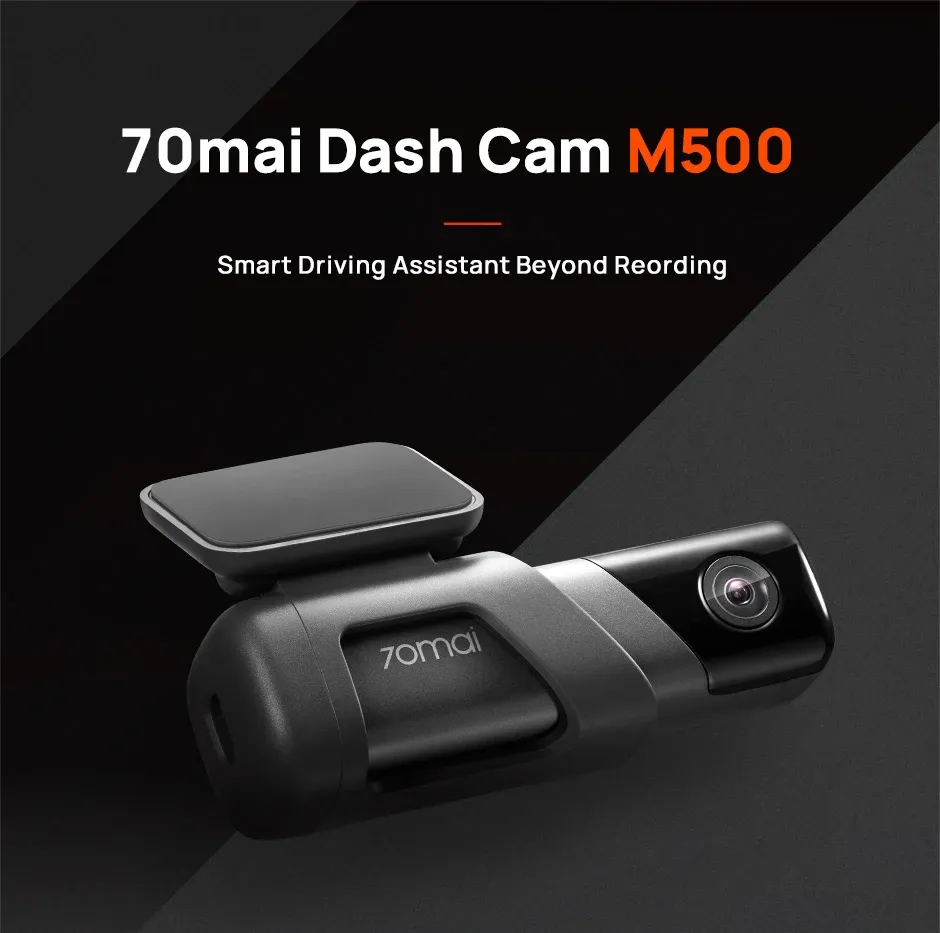
Wi-Fi and Bluetooth support make setup and file transfer easier than on older dash cams that rely on card removal. According to customers, installation is quick and the app connection works smoothly with Android head units, though some users note that the app should be downloaded before setup to save time.
The camera uses a built-in battery, but the listed battery life is effectively none for standalone driving use, so it is best understood as a buffer rather than a power source. For parking surveillance and continuous recording, a proper vehicle power connection is the practical way to get the most from it, and that is where the trade-offs start to matter.
Who will get the most from the M500
This model fits drivers who want sharper-than-basic footage, parking coverage, and GPS logs without moving to a more complex multi-channel system. It is especially appealing for daily commuters, rideshare drivers, and anyone who wants a single-lens camera that does several jobs well.
It is less compelling for buyers who want a rear camera in the same package or a screen-first interface, because this unit has no rear channel and no touch display. If your priority is front-road evidence, app-based control, and a tidy install, the M500 stays focused on that job instead of trying to do everything.