







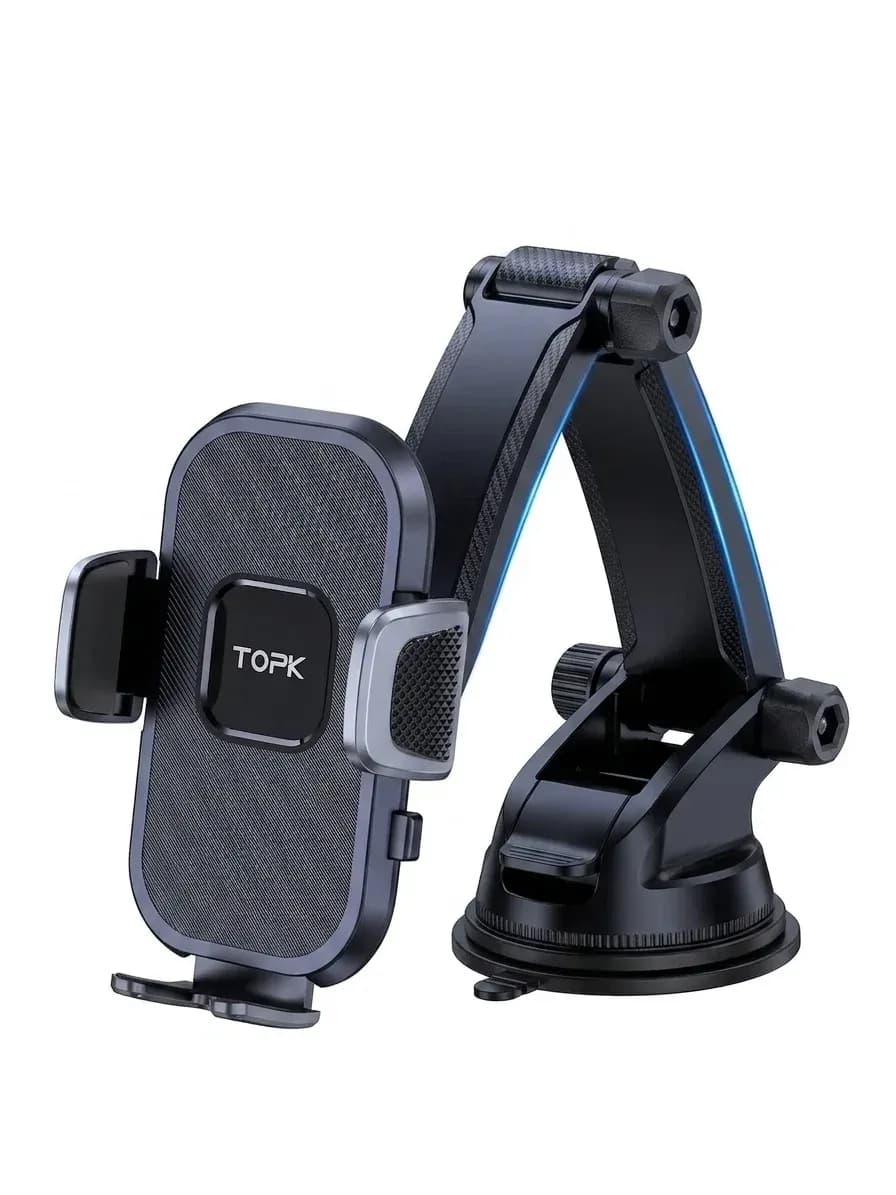
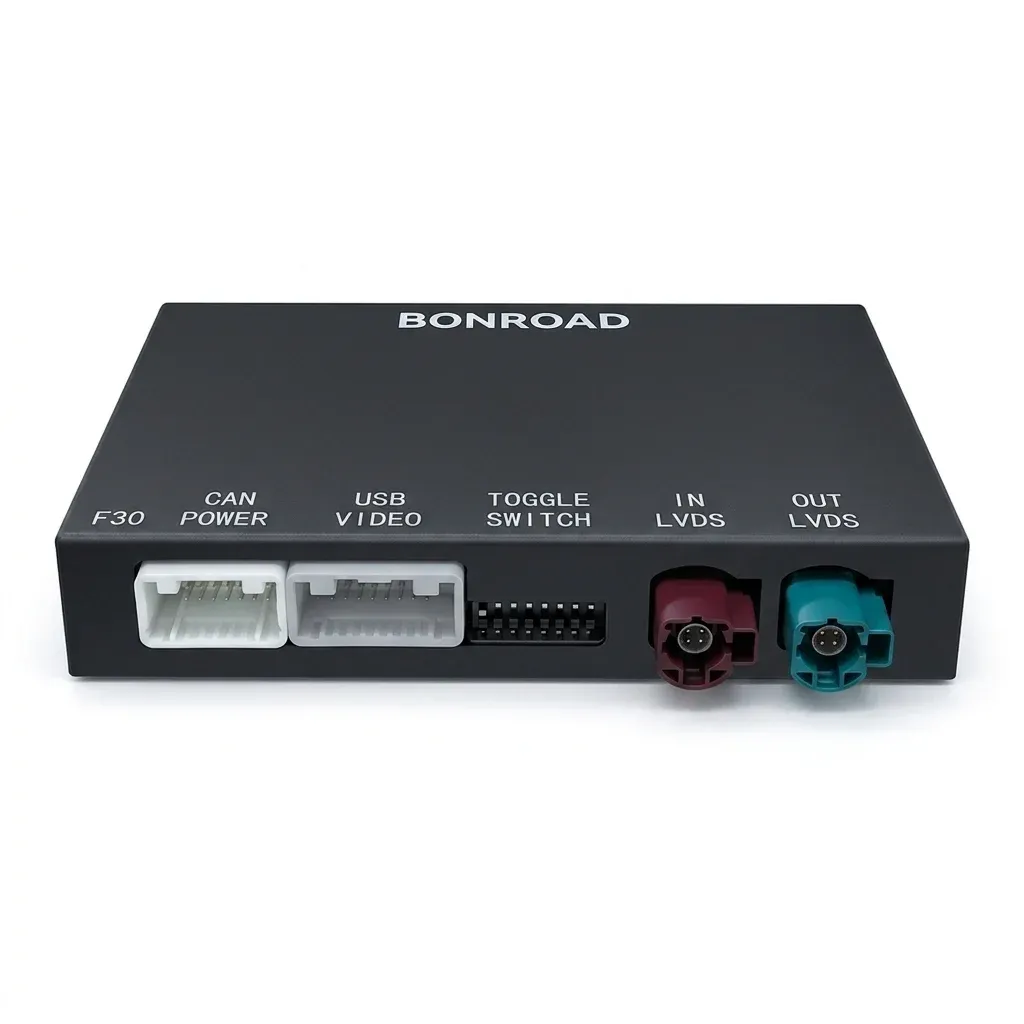
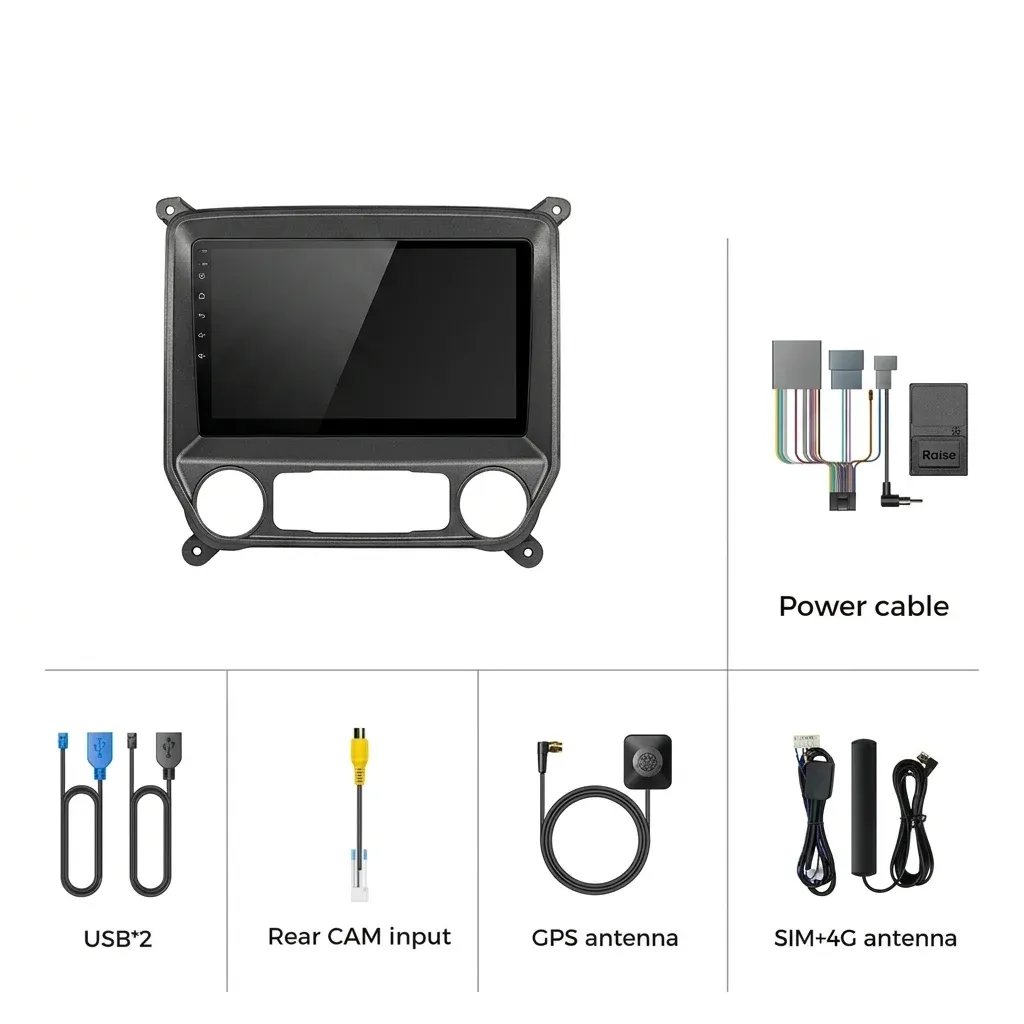

Modern phone integration without rebuilding the dashboard
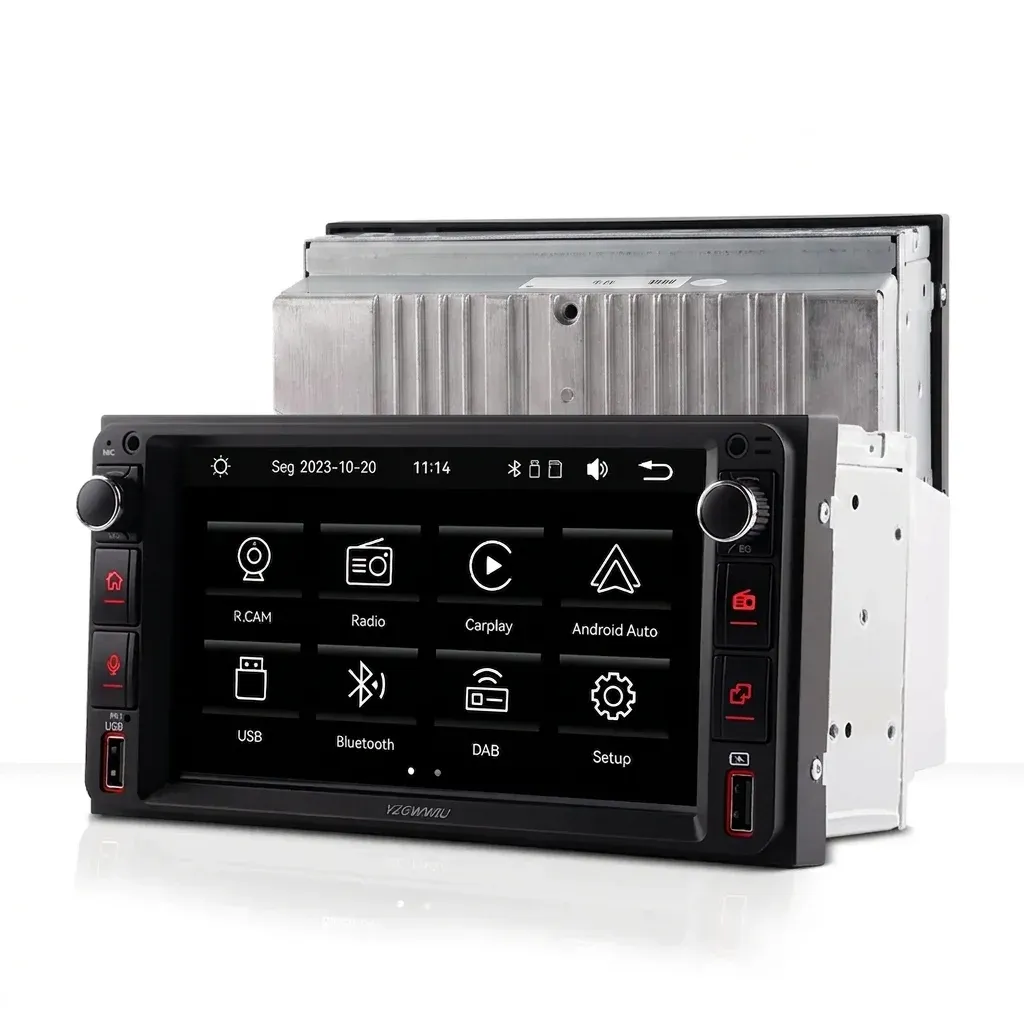
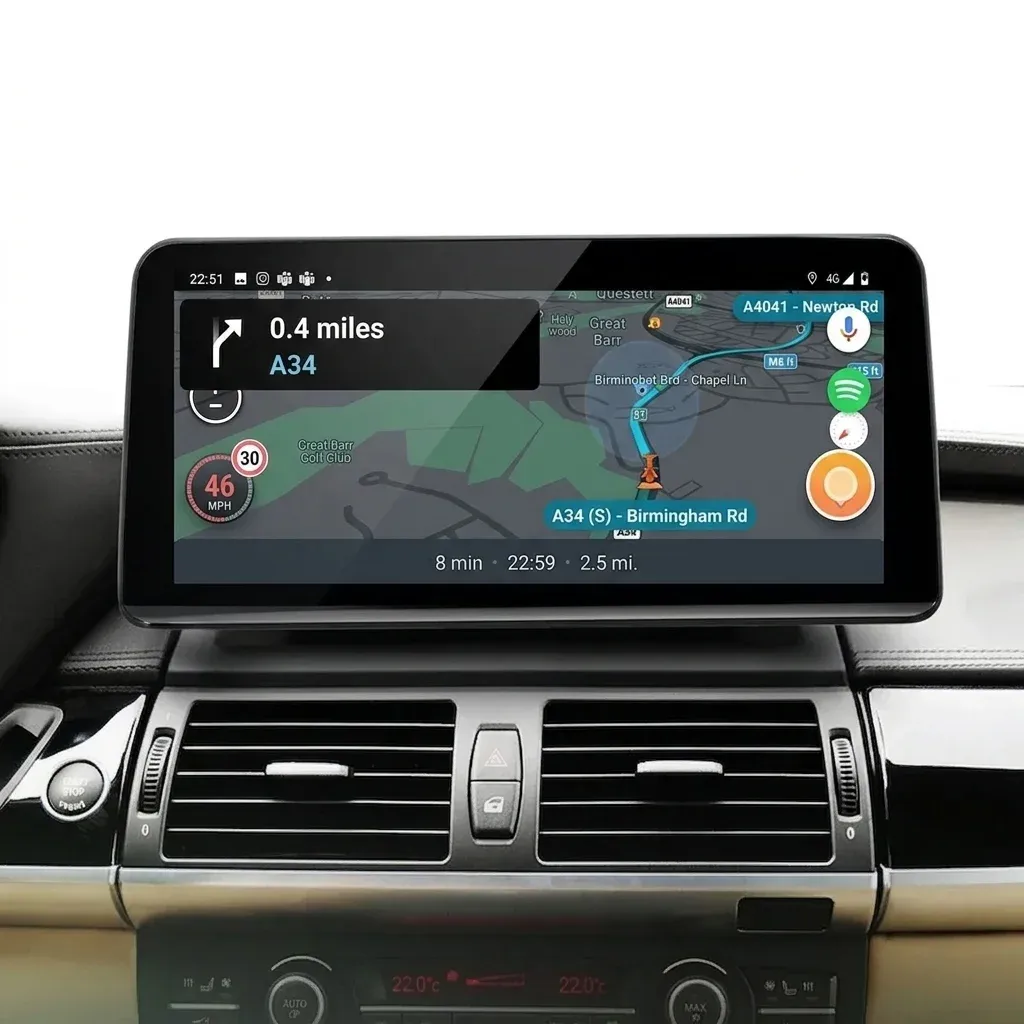
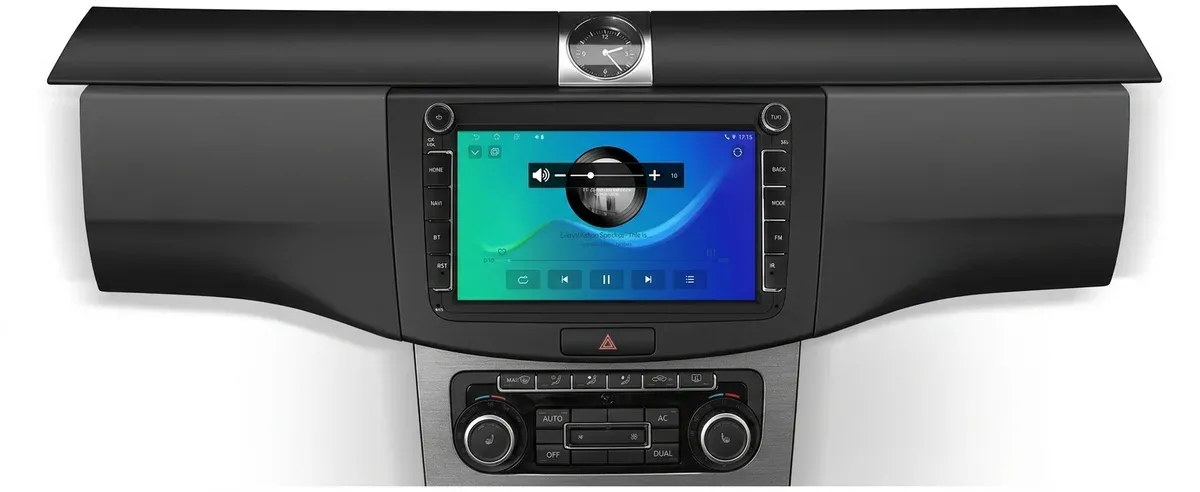
This unit solves a familiar problem in older Toyota cabins: the factory screen usually feels dated, while phone mounting turns the center console into a cluttered workaround. Here, wireless CarPlay and Android Auto move navigation, calls, and music into the dash itself, so the driving view stays cleaner and easier to read.
The 6.5-inch IPS panel with 1024 x 600 resolution is not oversized, but it is practical in Toyota dashboards that were designed around compact double-DIN layouts. The display should feel crisp enough for map text, while the IPS layer helps keep colors and contrast usable from the driver seat, which matters when the screen is angled low in the console.
Linux-based speed versus Android-style lag
Unlike many budget Android head units that try to do everything, this model runs a Linux system, and that choice usually favors stability over app-heavy flexibility. In daily use, that can mean faster boot behavior, fewer freezes, and a more predictable interface, which is exactly what users praised in real reviews.
That trade-off is worth noting if you want an infotainment unit that behaves like a dedicated car appliance rather than a mini tablet. If your priority is smooth CarPlay and Android Auto rather than installing extra apps, the lighter operating system is the more sensible path, and the next question is how it handles sound.
Sound tuning that goes beyond basic radio playback
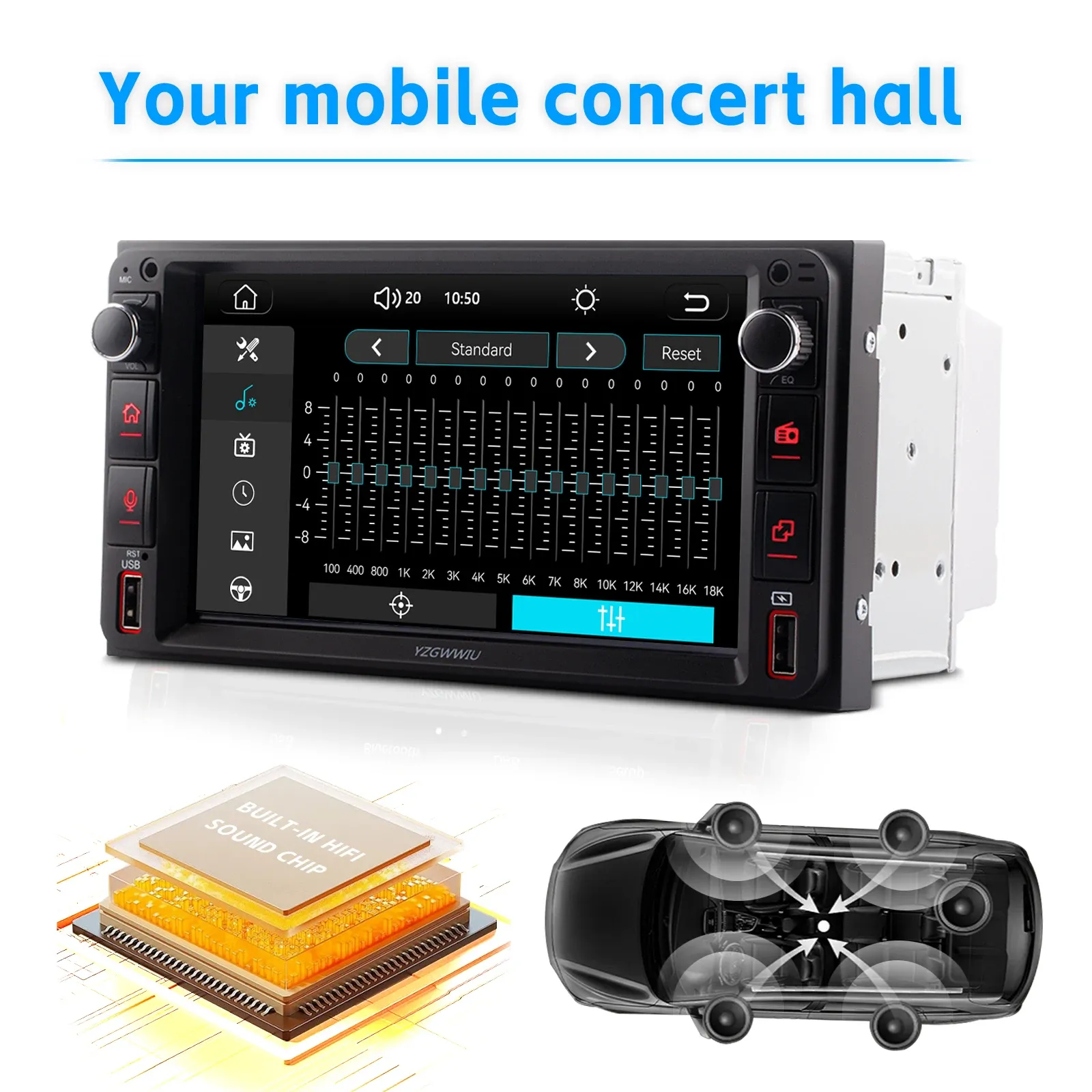
The built-in 4 x 50W output is only part of the story, because the unit also includes DSP, subwoofer output, and amplifier wiring support. In practice, that gives you more room to improve front-stage clarity, add low-end weight, and shape the cabin sound without starting from scratch.
Users consistently mention strong sound quality, and one review specifically noted clear front speakers, which suggests the tuning favors vocal presence and everyday listening. The rear output can feel less assertive in some installs, so this is a better fit for drivers who care about front-seat listening and plan to fine-tune the system through external amplification or speaker balance.
Toyota compatibility that reduces installation guesswork
This model is aimed at Toyota VIOS, CROWN, CAMRY, COROLLA, and RAV4 applications, and it ships with a wiring harness plus CAN-bus support. That matters because steering-wheel controls, reversing input, and factory-style integration are easier to preserve when the head unit speaks the same electrical language as the car.
The brand’s own note about checking the center-console size is important, because Toyota dashboards can vary by trim and year even within the same nameplate. If you are upgrading an older Camry or Corolla, confirming the fascia shape and connector type before installation is the difference between a clean fit and a frustrating adapter hunt, so the next feature worth checking is connectivity.
Wireless CarPlay and Android Auto for daily driving
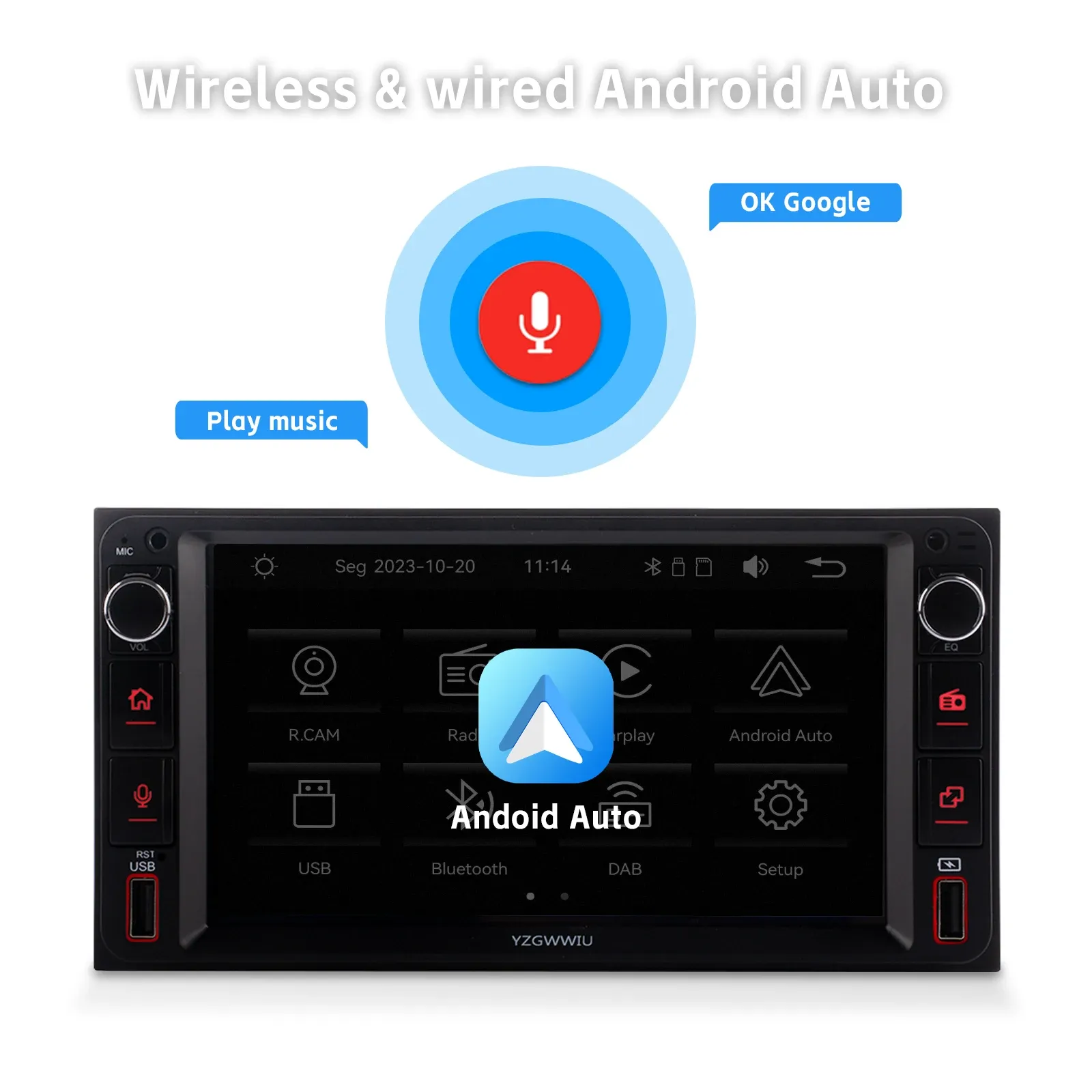
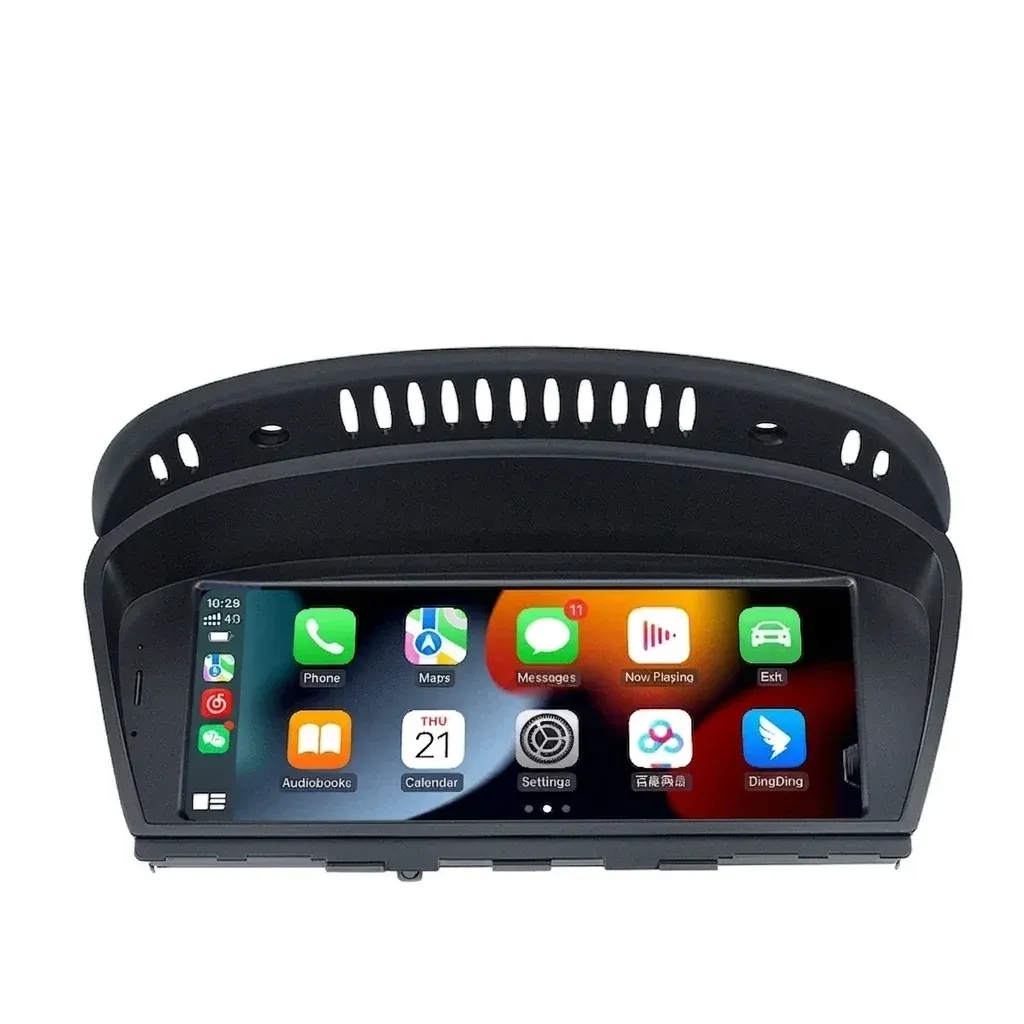
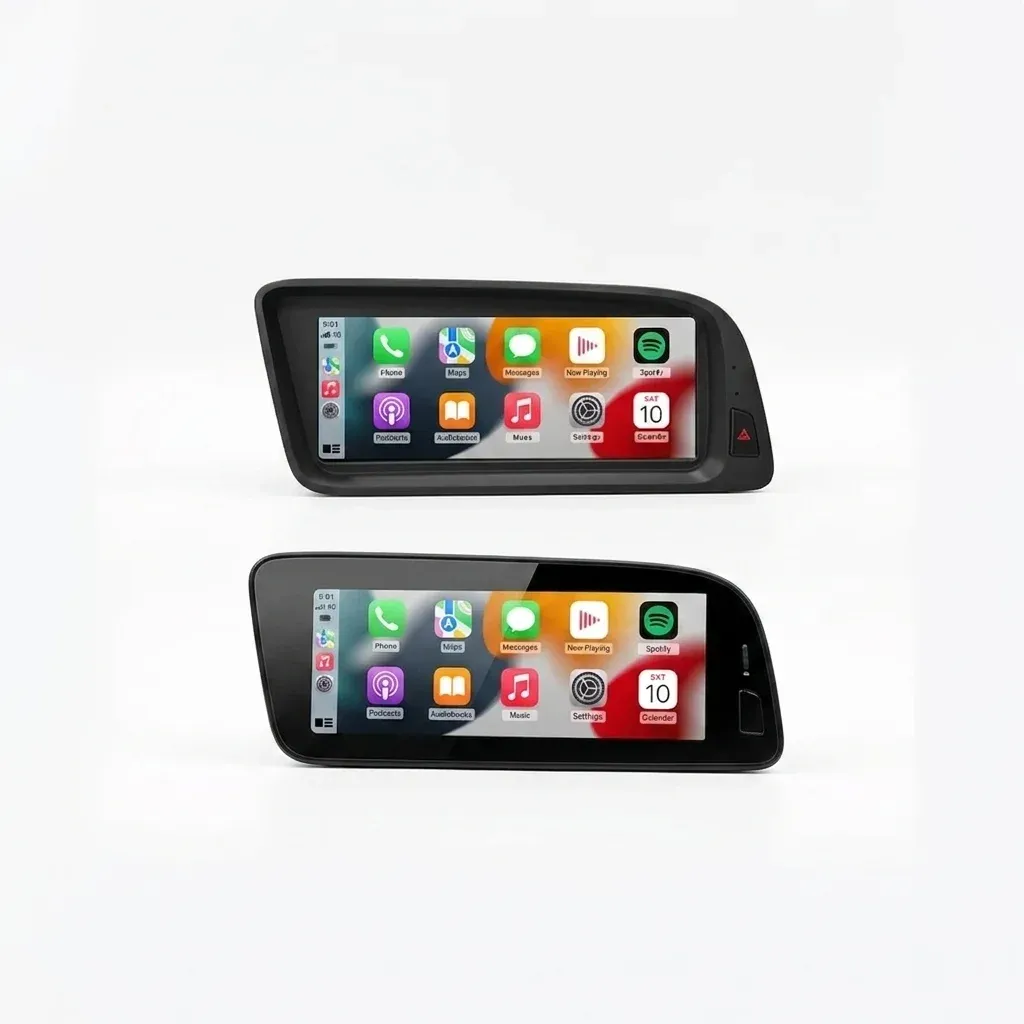
Wireless CarPlay is the headline feature, and it is the one that changes the way the system feels every morning. You can load maps, music, notifications, and voice control without plugging in first, while still keeping the radio active in the background.
Android Auto support works the same way, though real-world feedback suggests wireless performance may be less consistent than the wired path for some users. If you want maximum reliability for long commutes, the dual USB interface gives you a backup connection method, which is a smart safety net for a unit at this price.
Useful extras that matter after installation
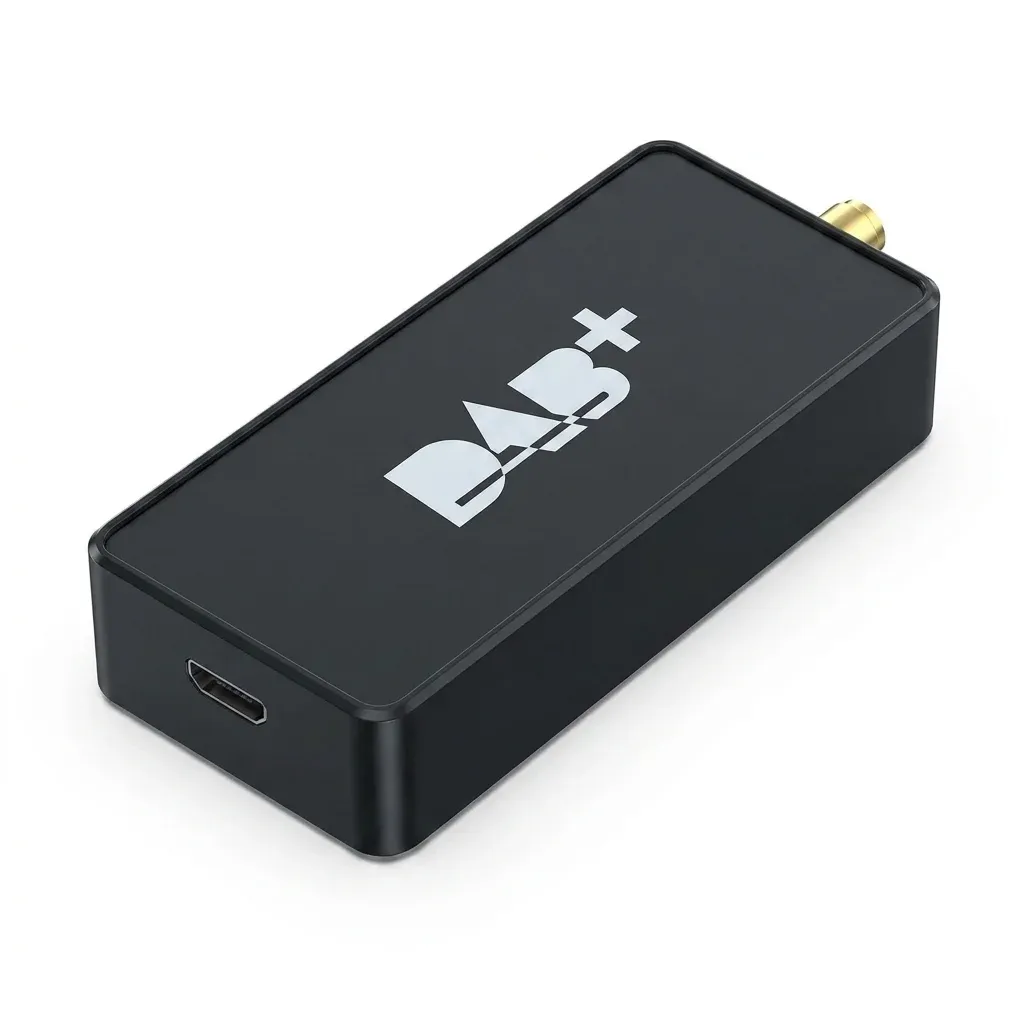
DAB+, RDS radio, rear camera support, headlight inspection support, and a customizable boot logo give the unit a more complete feel than a bare-bones screen swap. The CE, FCC, RoHS, and WEEE certifications also add confidence for shoppers who want a documented electronics package rather than a mystery board.
With 64GB maximum external memory support, dual USB, and firmware updating, the system is set up for ordinary media use and future maintenance rather than heavy app expansion. For AliExpress United States readers comparing Toyota infotainment upgrades, that makes this LXKLSZ unit a focused choice: it is less about experimentation and more about dependable phone mirroring, cleaner integration, and a cabin that feels newer the moment the screen wakes up.