








Factory controls, modern phone integration
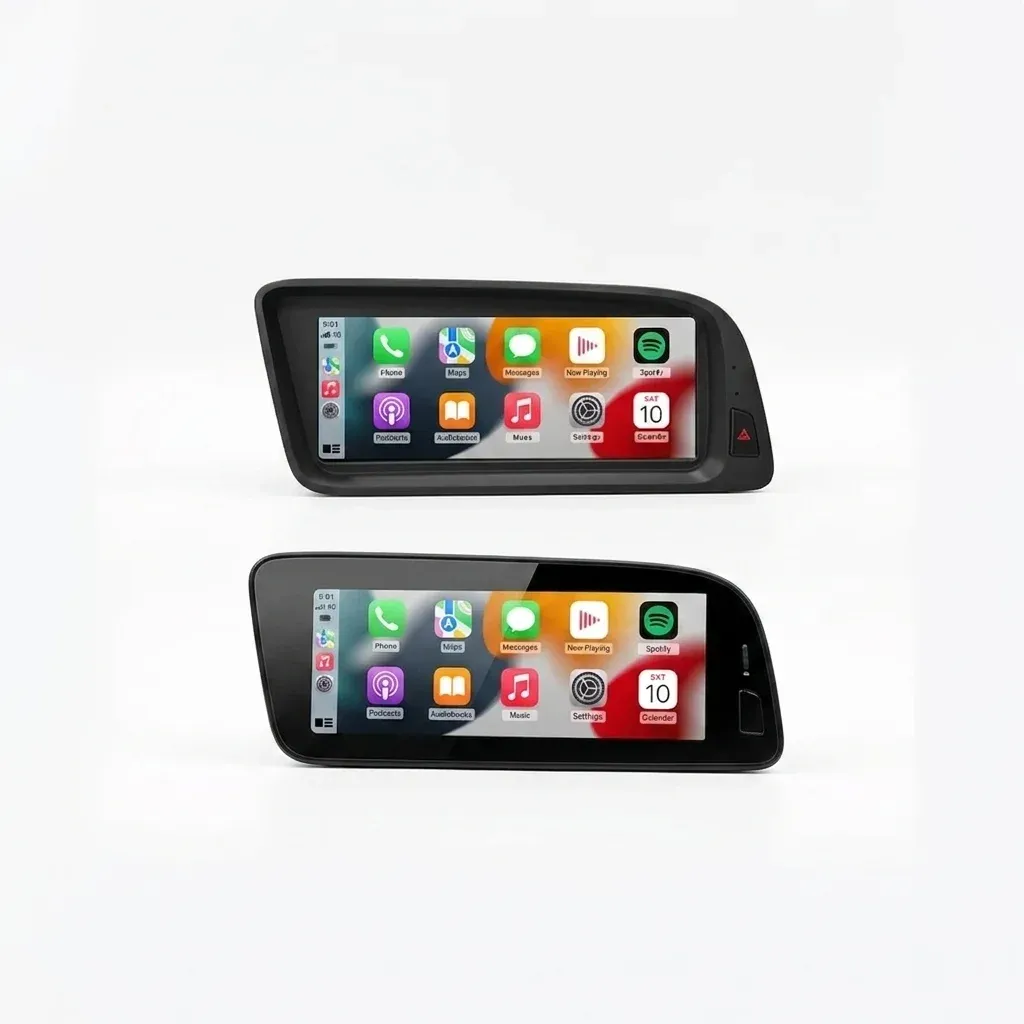
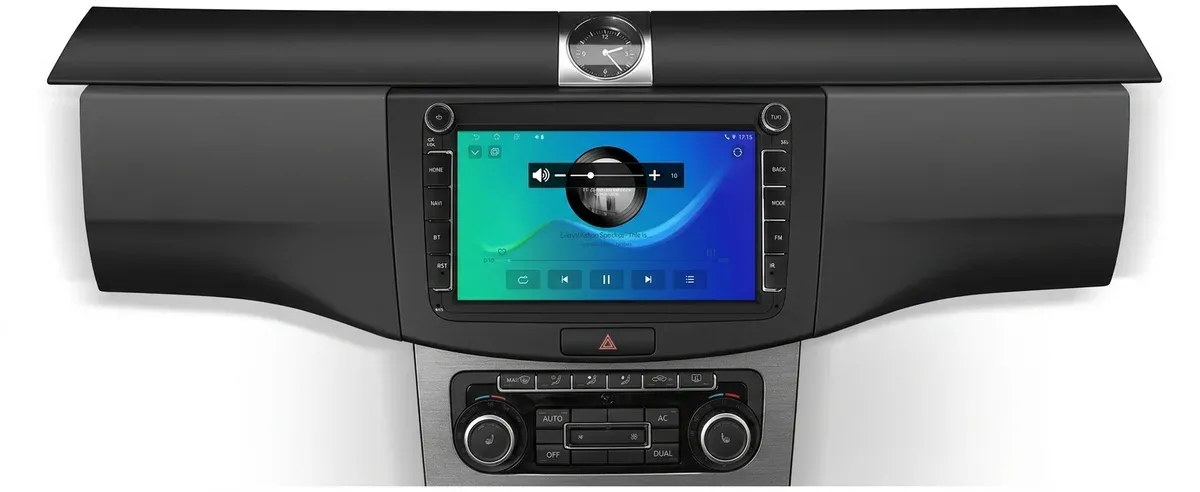
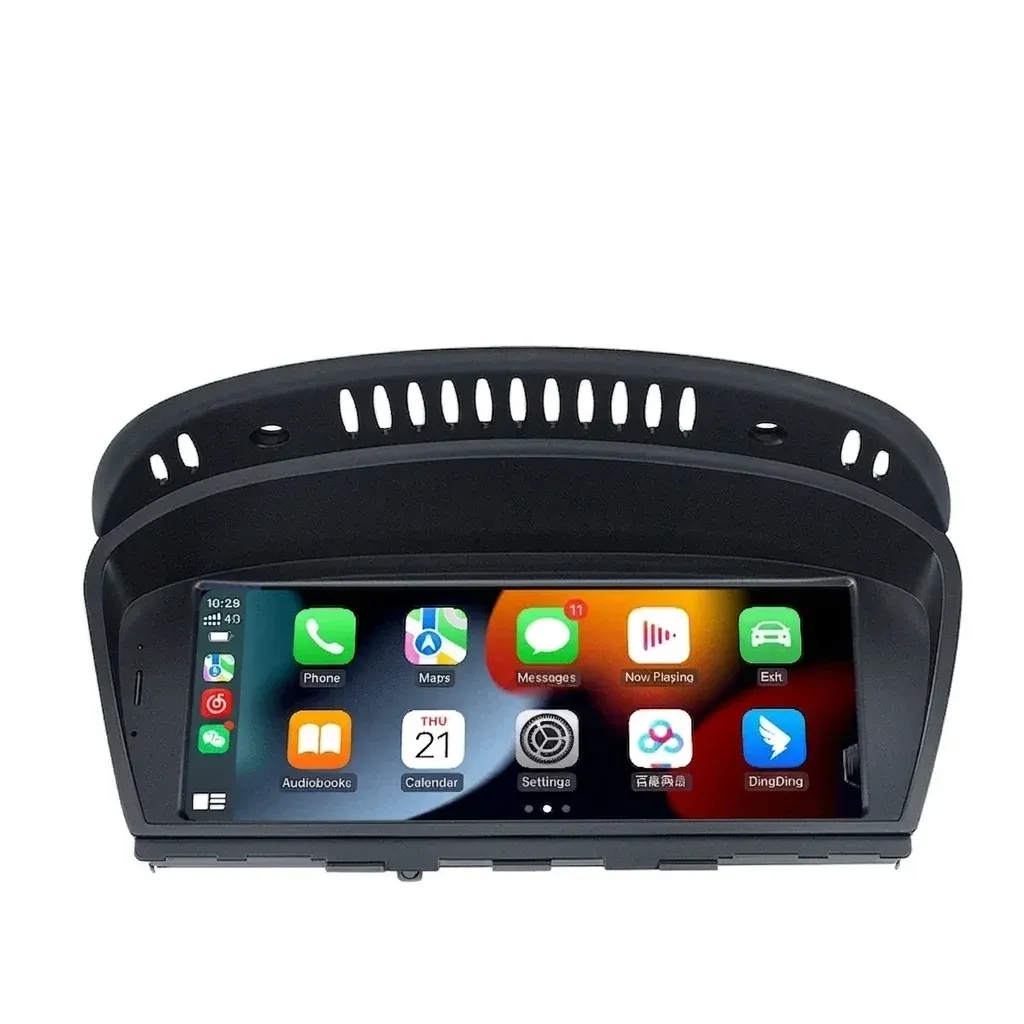
This screen solves a familiar Audi Q5 problem: the original infotainment can feel dated long before the car does. RoadTop’s Linux-based unit updates the cabin with wireless CarPlay, Android Auto, and AirPlay while keeping the OEM-style workflow that Q5 owners usually want.
The appeal is not just the app support, but the way it preserves familiar controls like the rotary knob and vehicle functions. In the AliExpress United States niche, that balance matters because many retrofit screens look modern yet feel disconnected from the car; this one is designed to avoid that split.
8.8 inches and 1920×720: what the display changes on the road
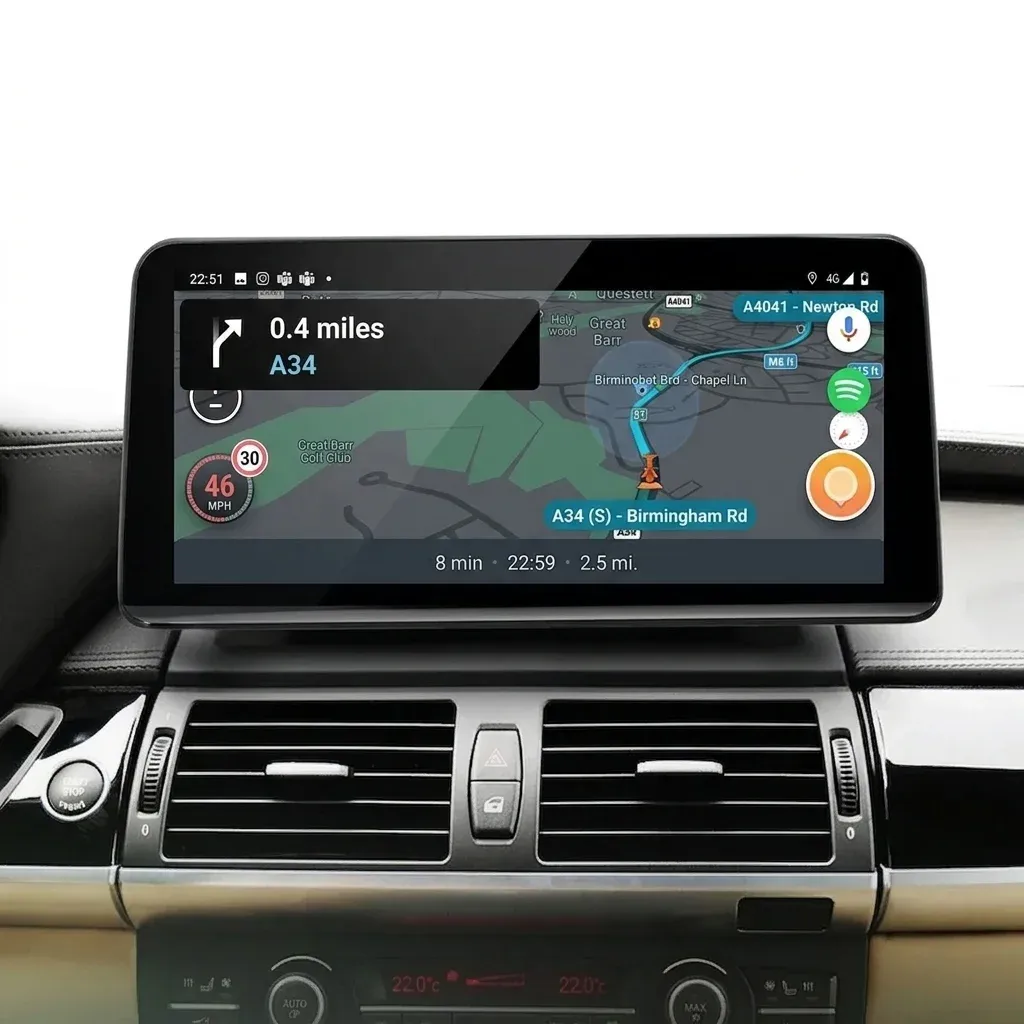
The 8.8-inch panel gives the dashboard a wider, more premium visual field than the stock interface, and the 1920×720 resolution keeps navigation maps and album art crisp enough to read at a glance. Text looks cleaner, icons are easier to scan, and the screen has the kind of clarity that makes split-second glances less tiring.
That matters most in daily use, where Google Maps, Waze, calls, and music all compete for attention. Users mention that the panel feels responsive and bright, which is exactly what you want when sunlight hits the cabin and reflections start working against smaller displays.
Wireless CarPlay without the cable clutter
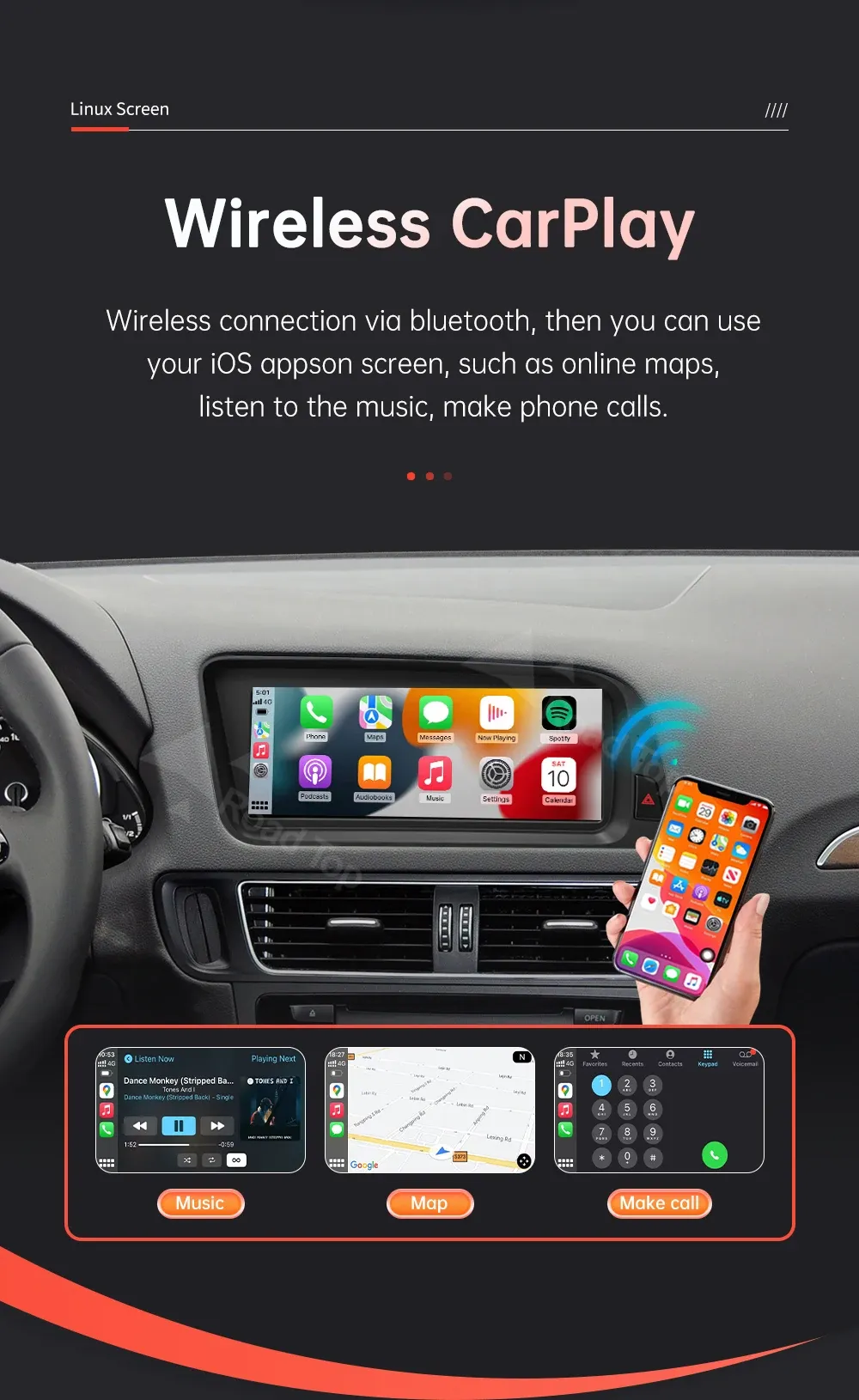
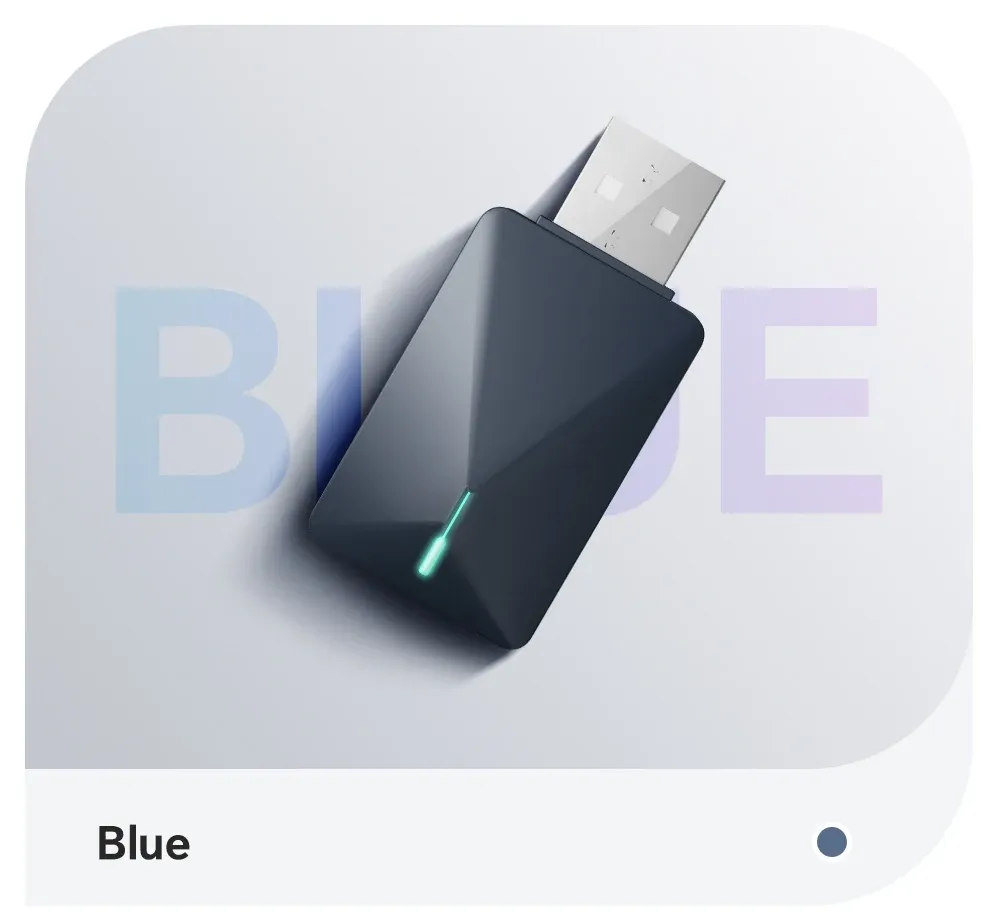
Wireless CarPlay is the feature that changes the routine most, because it removes the need to plug in every time you start the car. According to users, pairing is usually straightforward once the settings are tuned, and the connection is stable enough for navigation, messages, music, and calls.
Android Auto and AirPlay widen the use case for mixed households and passengers who do not all use the same phone ecosystem. If you switch between iPhone and Android devices, this flexibility is more practical than a single-platform retrofit, and it becomes even more useful on long commutes or road trips.
Linux OS: simpler, leaner, and easier to live with
The Linux operating system is a clue that RoadTop is aiming for stability rather than app-store overload. That usually means faster boot behavior, a cleaner interface, and fewer distractions than many Android-based head units, which can feel bloated after installation.
The trade-off is clear: this is not the kind of system meant for downloading a large library of third-party apps. For drivers who want navigation, media, phone mirroring, and OEM integration, that restraint can be a strength rather than a limitation, especially when the goal is to keep the cabin feeling original.
Installation fit and the real-world compromise
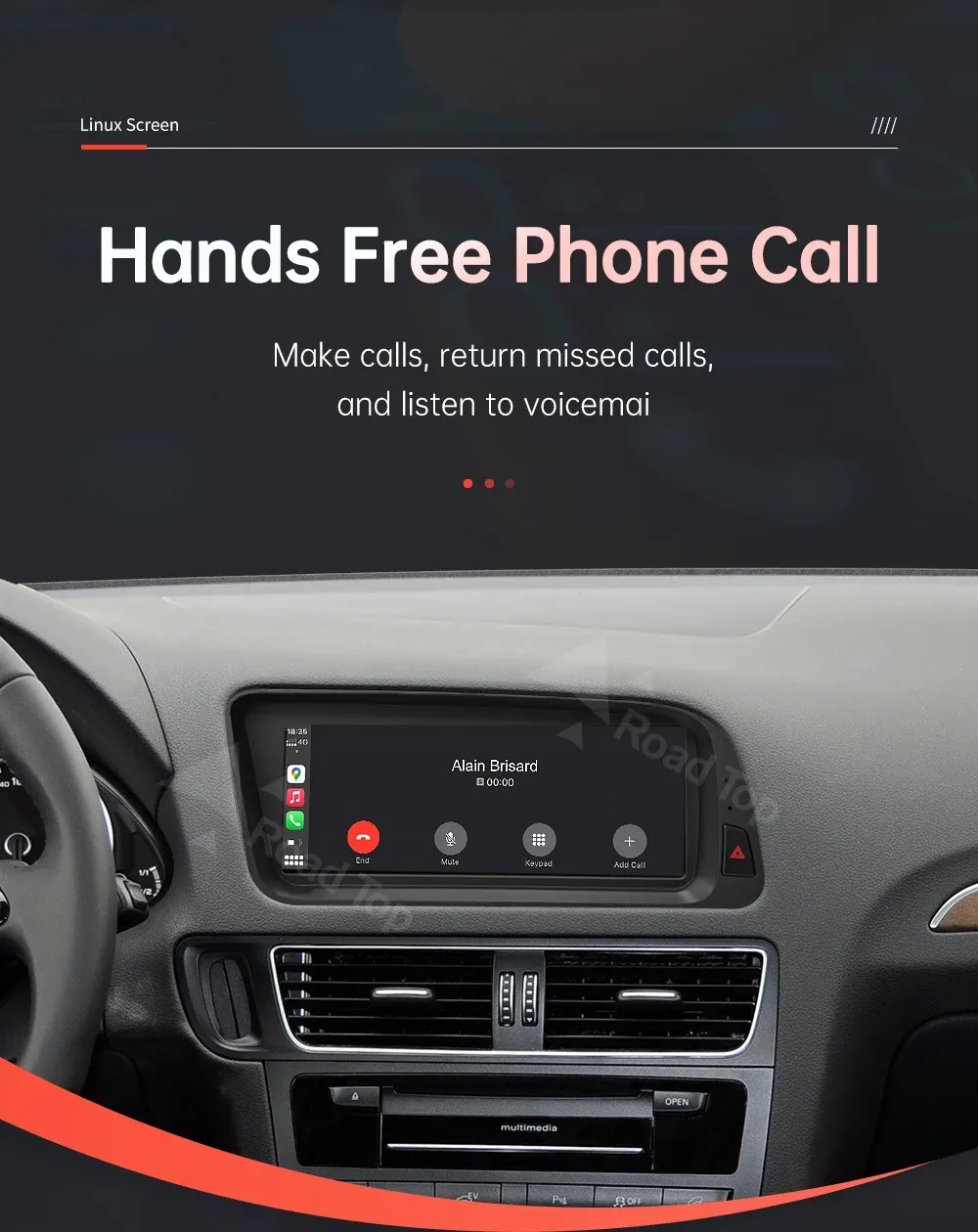
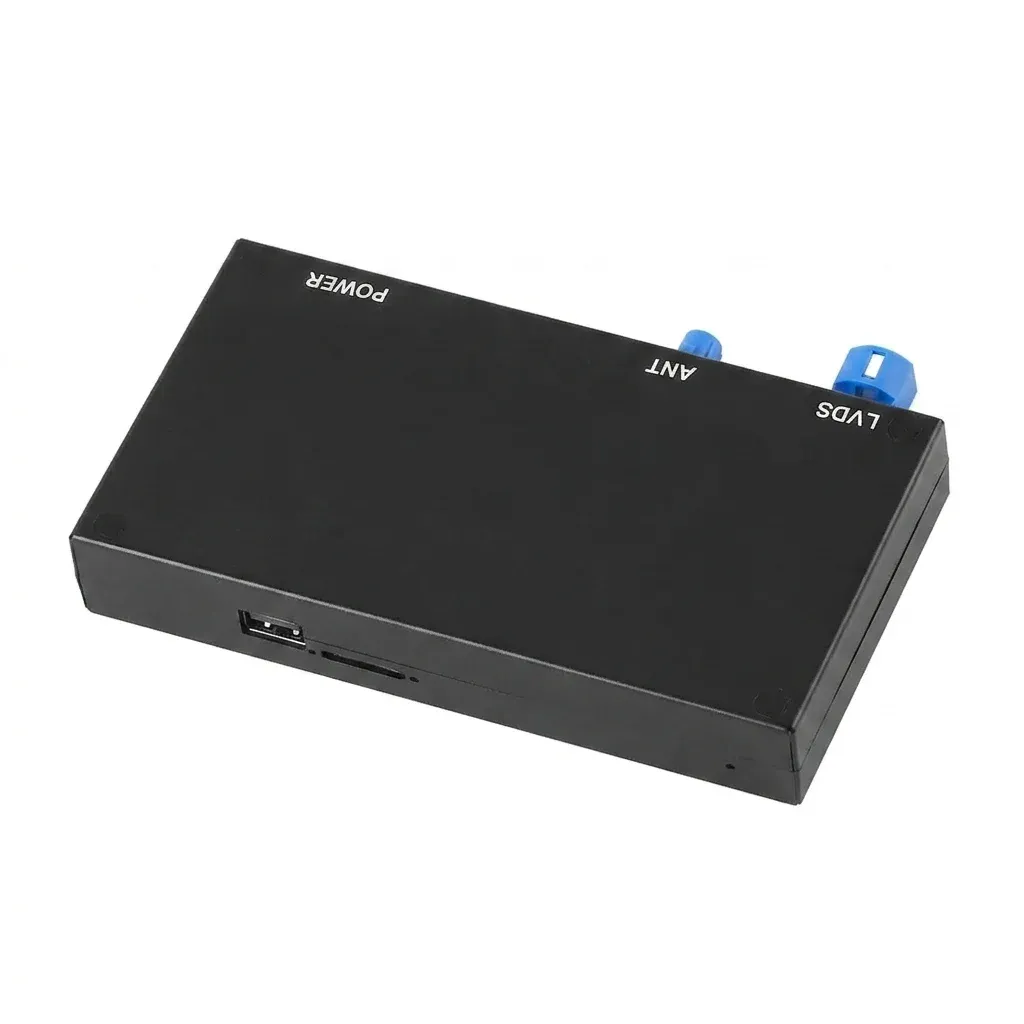
The unit is made for Audi Q5 models from 2009 to 2017, and the compatibility window is broad enough to cover many of the most common trims. Real customer feedback suggests the fit is generally good, but the installation can take patience, and some owners preferred a professional installer after trying the job themselves.
That is the main practical compromise here: the screen is not a casual plug-in accessory, even if the end result looks factory-integrated. One useful detail from users is that the original vehicle functions remain accessible, which helps when you still need climate or car-specific menus that some retrofit systems hide behind new interfaces.
What stands out after the first week
The strongest signal from reviews is that the unit makes older Q5 cabins feel current without forcing a complete electronics overhaul. Customers repeatedly mention clearer display quality, responsive touch input, and reliable support when setup questions come up, which matters because the first few hours often decide whether a retrofit feels worth keeping.
There are a few caveats worth watching: climate information may require switching back to the original menu on some setups, and the installation frame may not match every factory detail perfectly. If you want a modern phone interface while keeping the Audi character intact, this RoadTop screen points in a promising direction, and the small compromises are the next thing to weigh.