










Why this camera makes sense for wire-free perimeter coverage
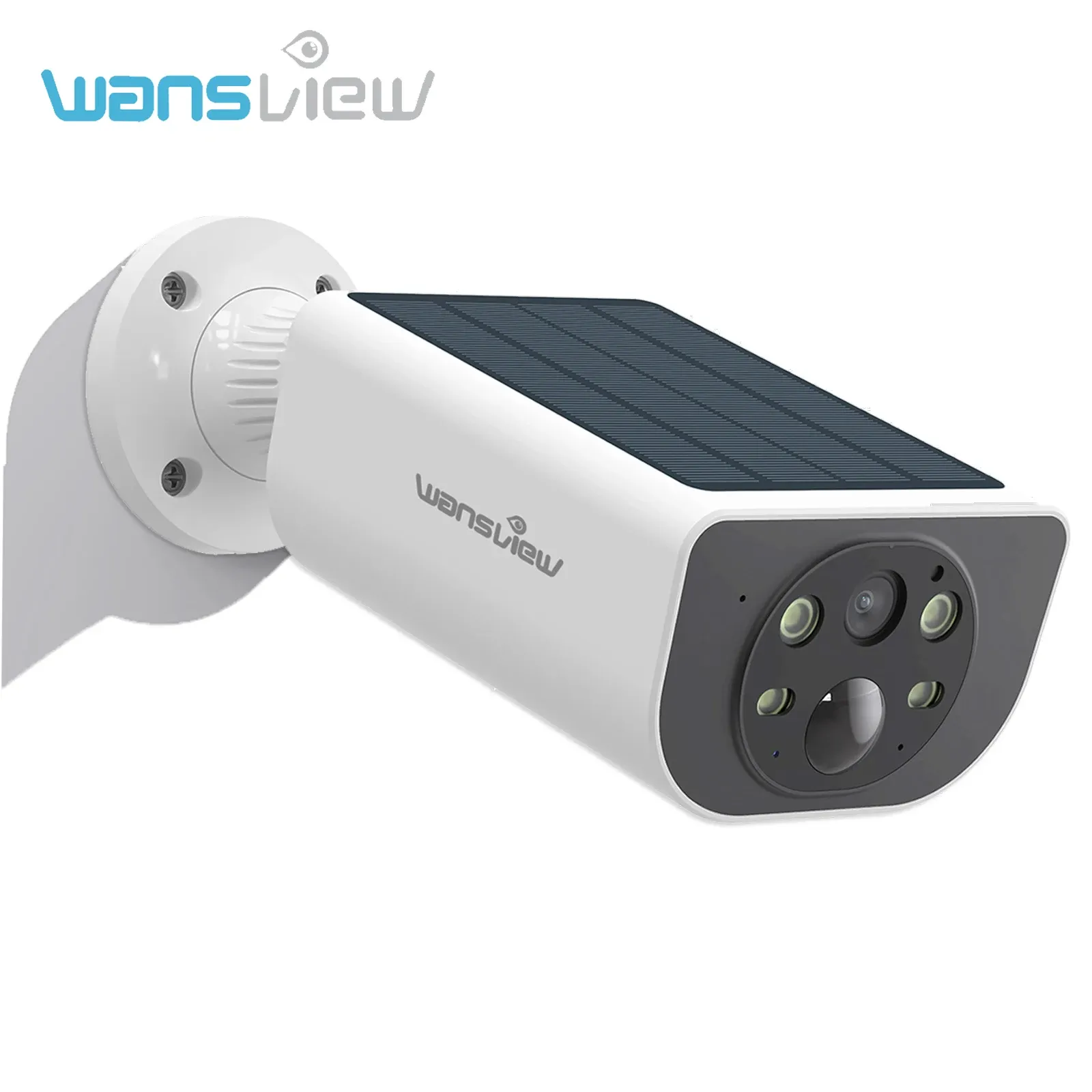
The main problem it solves is simple: you want outdoor monitoring without running power cables across a yard, driveway, or front porch. The Wansview S1 tackles that with a solar-assisted battery design, so the camera can stay in place longer and ask less of your daily routine.
That approach makes it especially useful for rentals, detached garages, and fence lines where drilling and hardwiring are not ideal. The real question is how much image quality and alert reliability you get at this entry-level AliExpress price point.
3MP clarity in a compact bullet body
With a 3MP sensor and 4mm lens, this camera sits in the practical middle ground between basic 1080p models and heavier premium systems. The 100° viewing angle is wide enough for doorways, patios, and small driveways, while the 16x digital zoom helps inspect motion after the fact.
Digital zoom will not replace an optical zoom lens, so it is best used for identification rather than long-range surveillance. For most home users, that trade-off is acceptable because the camera stays small, light, and easier to mount on a wall.
Color night vision changes how outdoor footage looks after dark
The color night vision feature is the standout spec here, because it gives nighttime scenes more context than standard black-and-white infrared footage. Street signs, clothing colors, and package details are easier to distinguish when the scene is lit enough for color capture.
Infrared still reaches up to 9 meters, so the camera remains usable when ambient light drops too low. Users looking for a porch camera that can show what happened after sunset will likely value this more than a wider but flatter monochrome image, especially when motion happens near the lens.
Solar power and battery backup for low-maintenance use
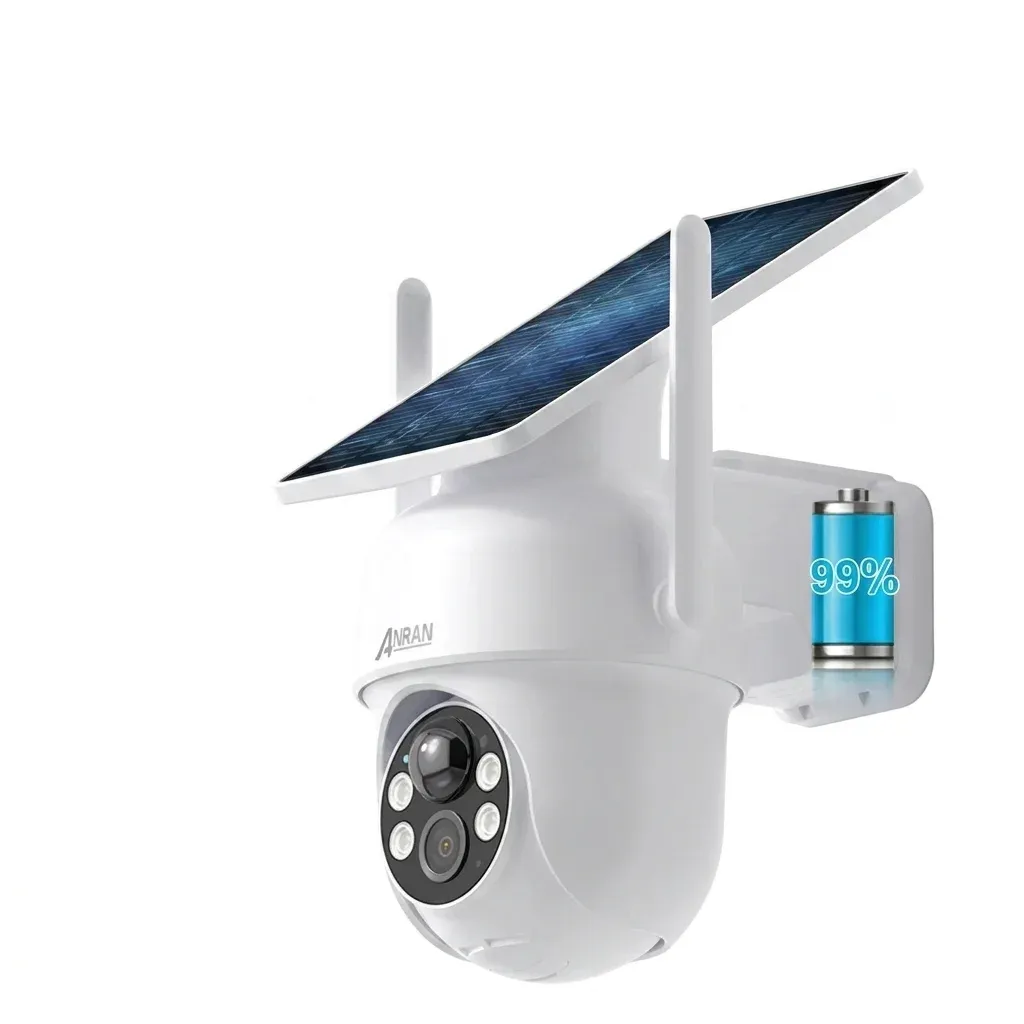
The built-in rechargeable battery and solar power mode are the reason this model feels convenient rather than fussy. In regular outdoor use, that means fewer charging interruptions and less need to remove the camera from the wall just to keep it running.
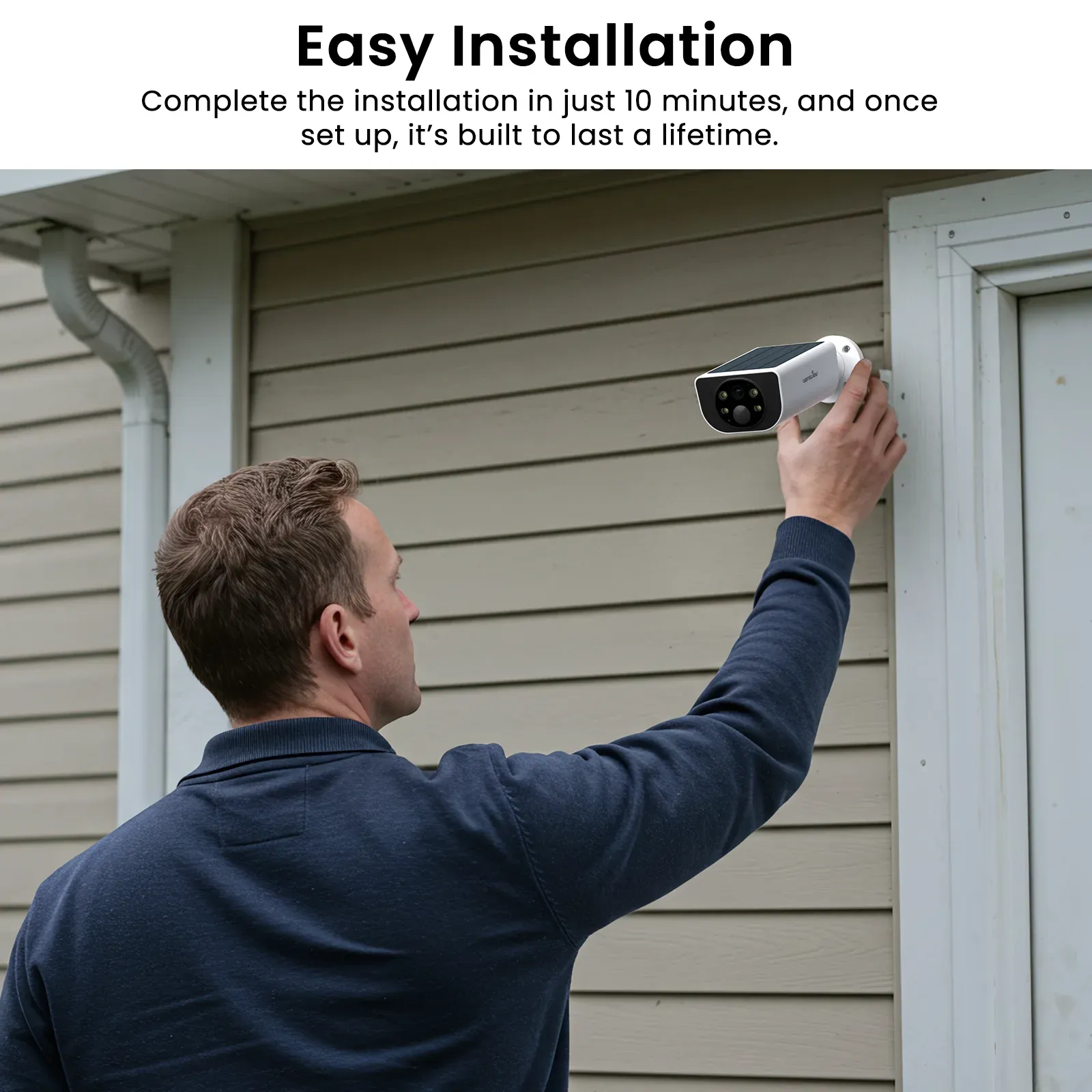
Wansview also keeps the setup flexible with normal power and battery-powered modes, which helps if your installation spot gets limited sunlight. According to customers, installation was easy and the camera was working well soon after setup, which is a good sign for first-time users.
2.4GHz WiFi and app control: what to expect
This camera uses 2.4GHz WiFi only, so it fits most home networks but will not pair with 5GHz bands. That limitation is common in battery cameras because lower-band WiFi usually reaches farther and uses less power, which matters when the device is running on stored energy.
Setup tips in the product notes point to a short router distance during pairing and GPS enabled on the phone, which suggests the onboarding process is sensitive to basic network settings. If you already use Alexa or Google Assistant, the smart-home support adds convenience, though the camera is still best treated as a practical security tool rather than a full automation hub.
Human detection, alarms, and two-way audio in daily use
The AI human detection feature should help reduce the noise from swaying branches, passing cars, and small animals, which is one of the biggest frustrations with outdoor alerts. Local alarm and FTP photo support also give the system a more serious security angle than a simple live-view camera.
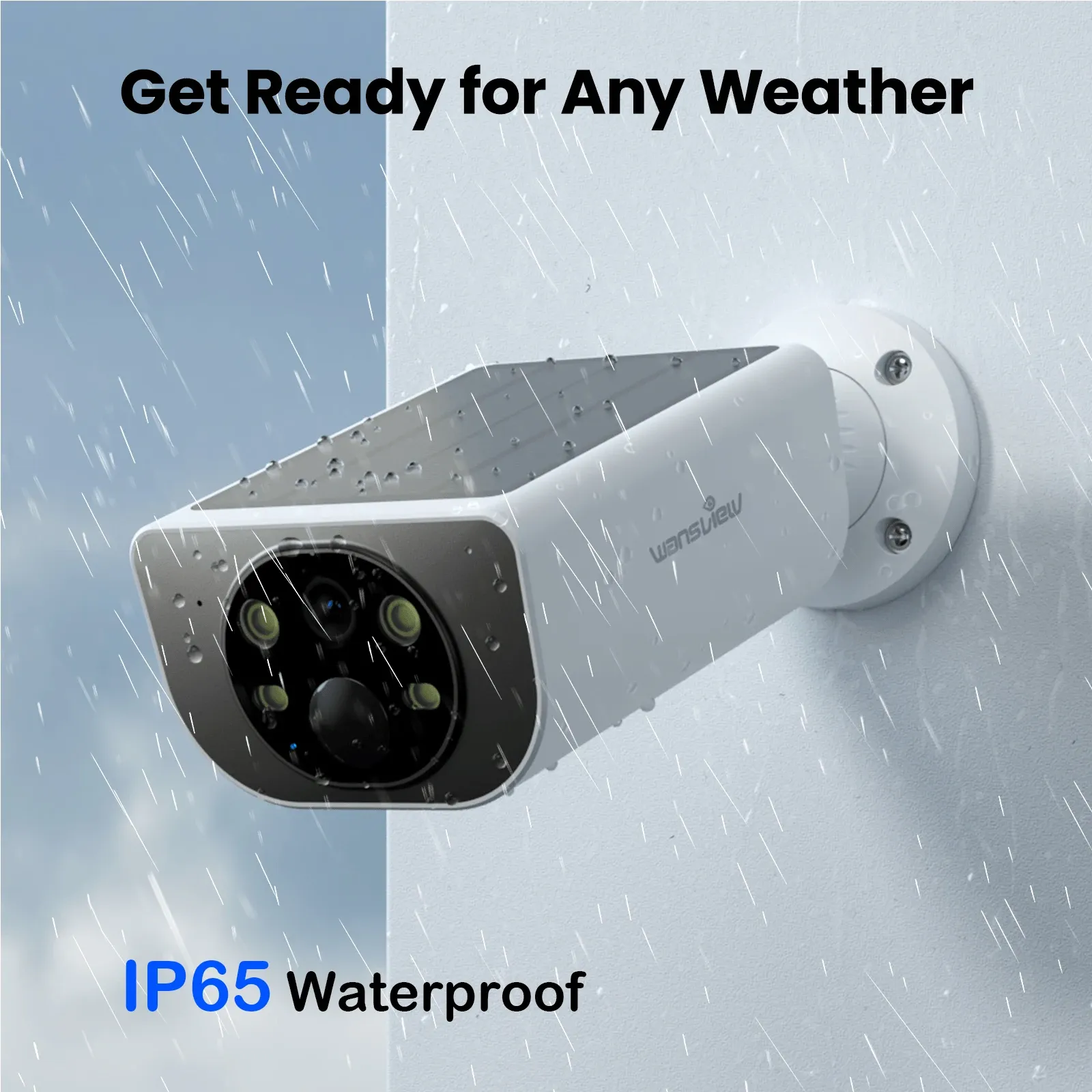
Two-way audio is useful when you want to speak to a courier, warn off a visitor, or check in on a delivery without opening the door. The plastic shell keeps the unit lightweight and weatherproof, but it also means this is a camera for practical household monitoring, not a heavy-duty industrial enclosure.
Who gets the most value from it
This model fits homeowners who want a low-cost outdoor camera for a porch, side gate, or small yard and do not want a wired NVR system. It also suits apartment balconies and rental properties where solar charging and wall mounting reduce installation friction.
Users needing continuous 24/7 recording, local storage, or advanced multi-camera coverage will outgrow it quickly because there is no internal storage and the system leans on cloud and app-based use. For a single-camera perimeter point, though, it offers a sensible balance of features, and that balance is what makes it worth a closer look.