











Clearer nighttime detail without flooding the yard with light
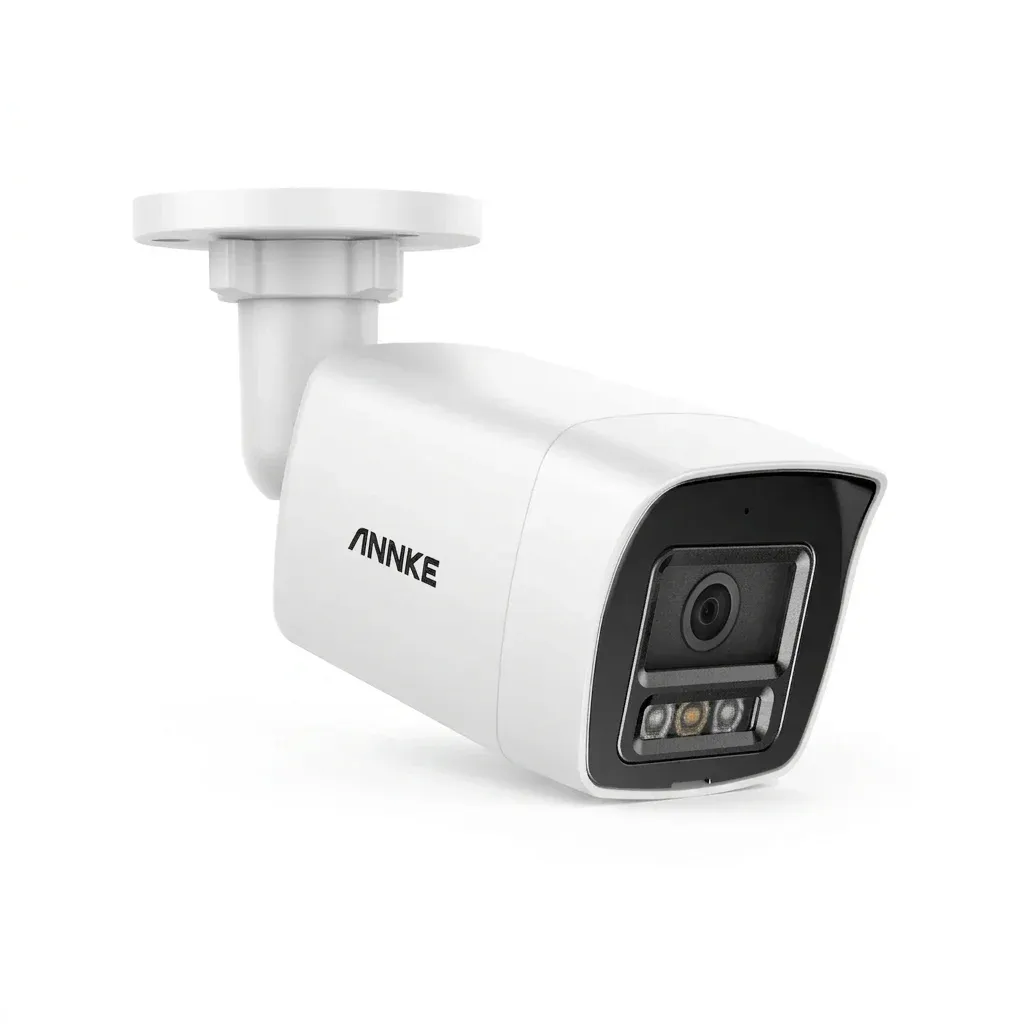
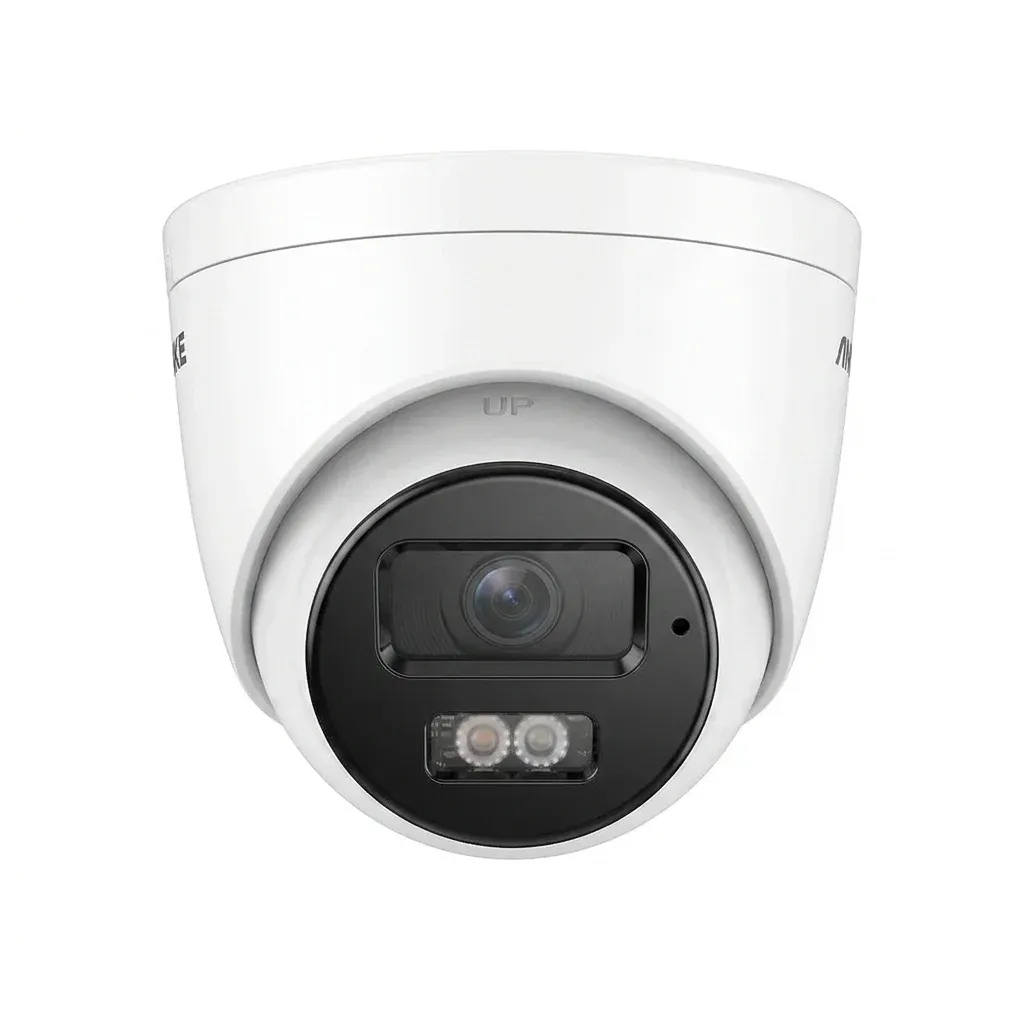
This camera solves a common security problem: standard infrared footage often turns faces and clothing into gray blur after dark. Its dual-light design gives you color night vision when motion is detected, so you can see more than just shapes at the edge of the frame.
For driveways, gates, and side entrances, that extra color detail can make a real difference when checking what happened later. The 30-meter IR range also gives it enough reach for larger front yards, so the next question is how well the 12MP image holds up in daily use?
12MP resolution: when extra pixels actually help
The 12-megapixel sensor is not just a spec for the listing; it is useful when you need to crop into a wider scene and still keep useful detail. Compared with typical 4MP or 8MP bullet cameras, this model has more room to preserve license plates, package drop-offs, and clothing details in the same frame.
That higher resolution works best when the camera is mounted with a clean, fixed view and paired with a reliable recorder or network setup. Since it uses H.265+ compression, it is designed to keep file sizes more manageable, which matters once you start recording around the clock.
Human detection that cuts down on routine alerts
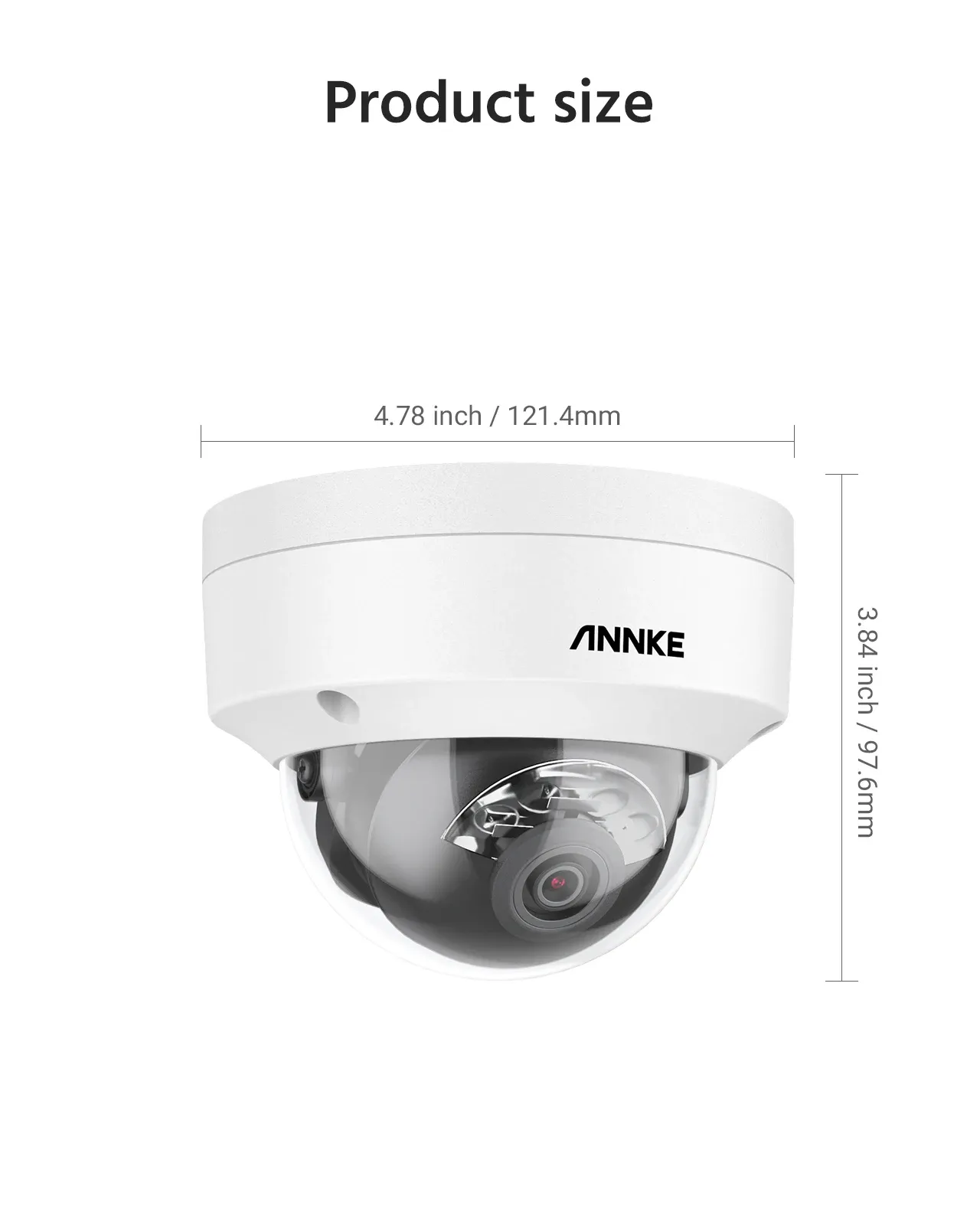
ANNKE’s human detection is the main AI feature here, and it is the kind of function that reduces alert fatigue rather than adding flashy extras. Instead of every moving shadow, branch, or passing car triggering the same response, the camera is intended to focus on people, which is the event most users care about.
According to users, that kind of filtering is what makes a camera feel useful after the first week, not just impressive on day one. It is still a wired network camera, so the detection logic depends on a stable setup, and that leads into why PoE matters so much here.
PoE wiring: one cable, cleaner installation
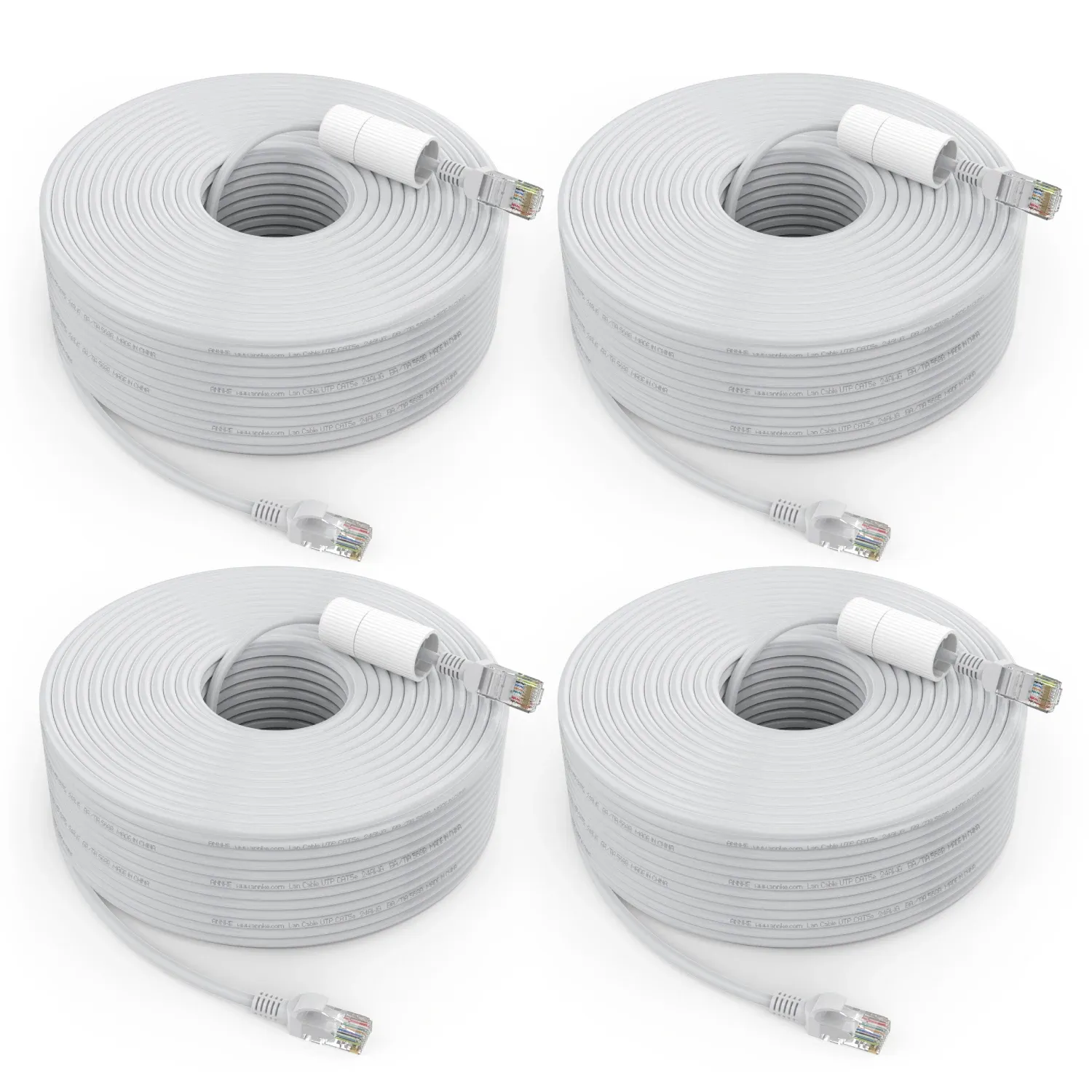
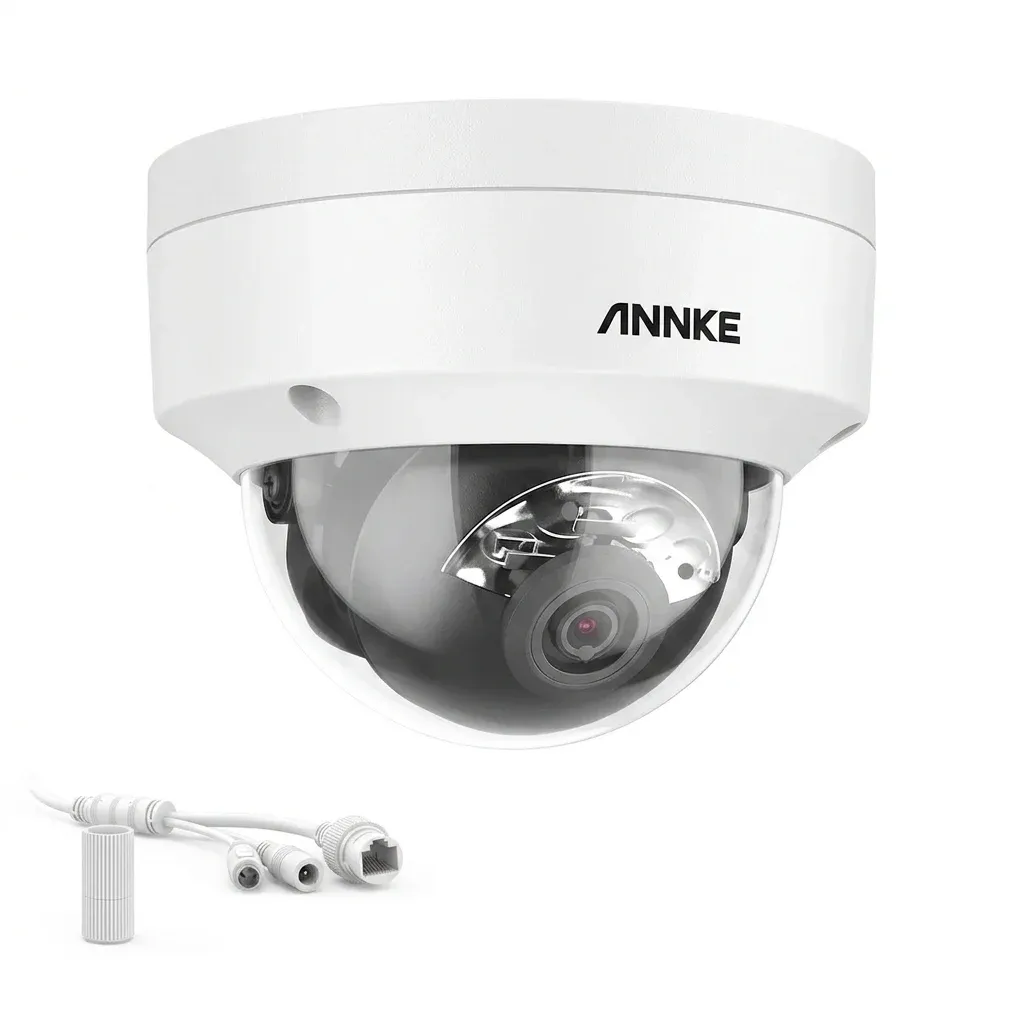
Power over Ethernet keeps the installation practical for ceiling, wall, or side mounting because one network cable handles both data and power. That usually means fewer adapters outdoors, less clutter near the mounting point, and a more reliable connection than Wi‑Fi cameras in signal-heavy homes.
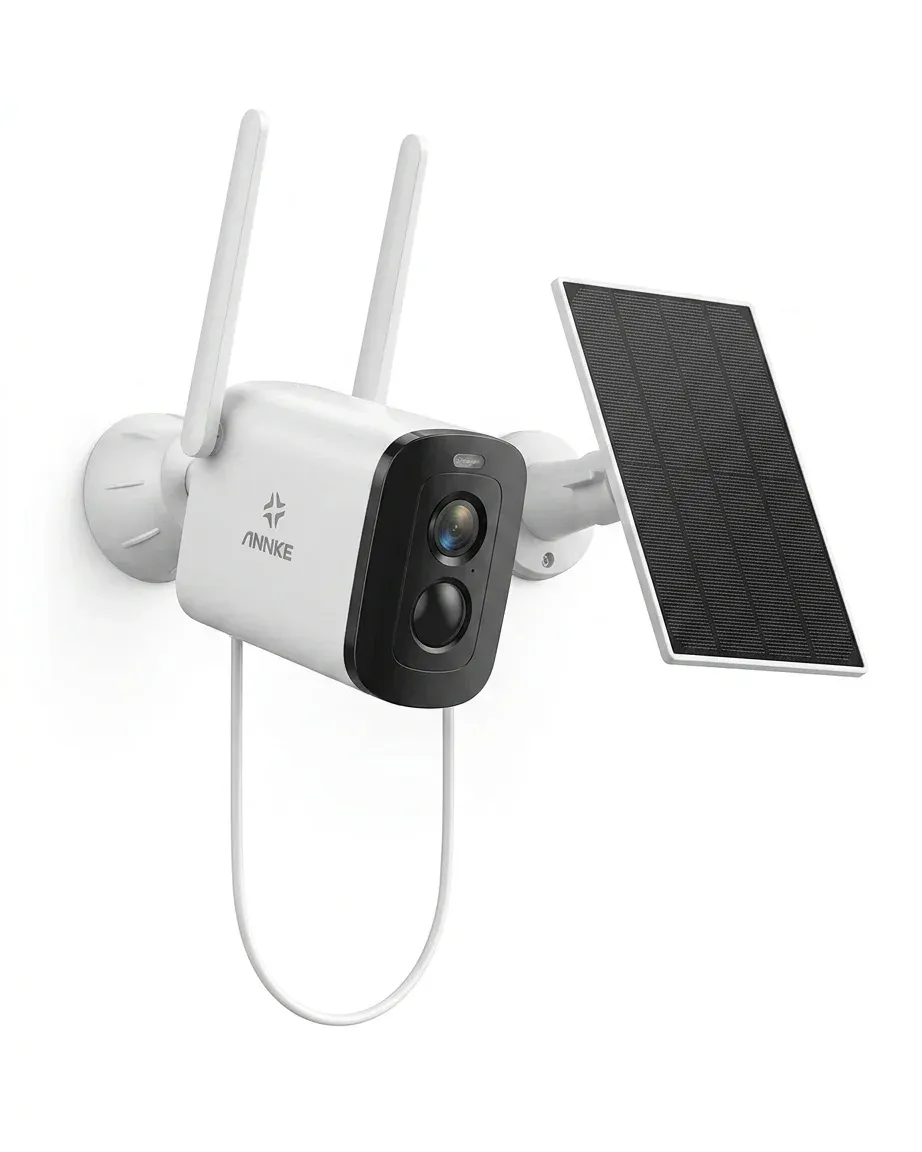
The tradeoff is that you need a PoE switch, injector, or compatible recorder to use it properly, so this is better for planned installs than quick temporary setups. If you already have structured cabling, the setup feels much cleaner than battery cameras, but what about weather and durability?
IP67 protection for real outdoor exposure
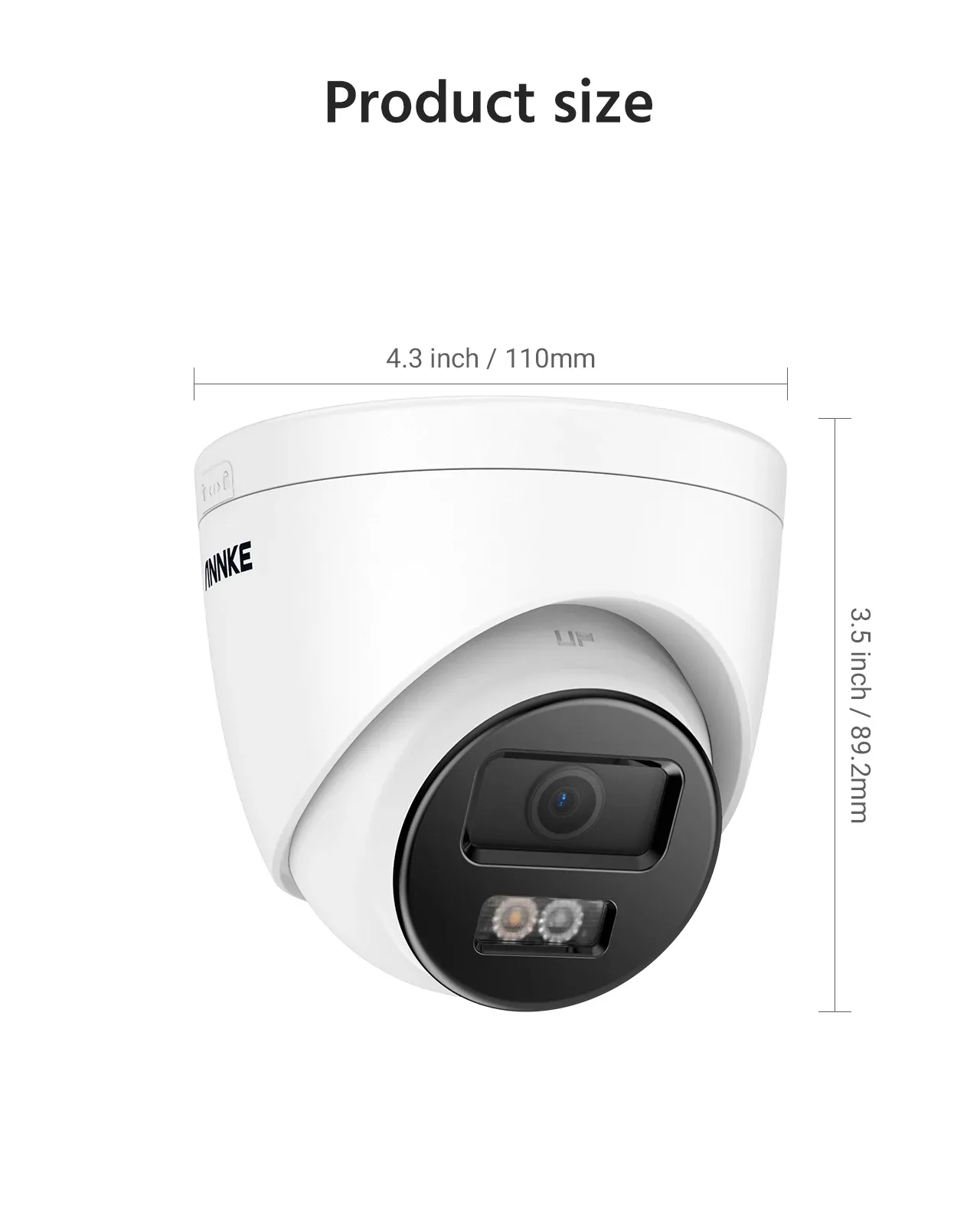
The IP67 rating and weatherproof housing make this camera suitable for rain, dust, and exposed mounting points where a sheltered dome would be a weaker choice. The bullet-style body also helps aim the lens precisely, which is useful when you want a fixed view of one entry point instead of broad indoor coverage.
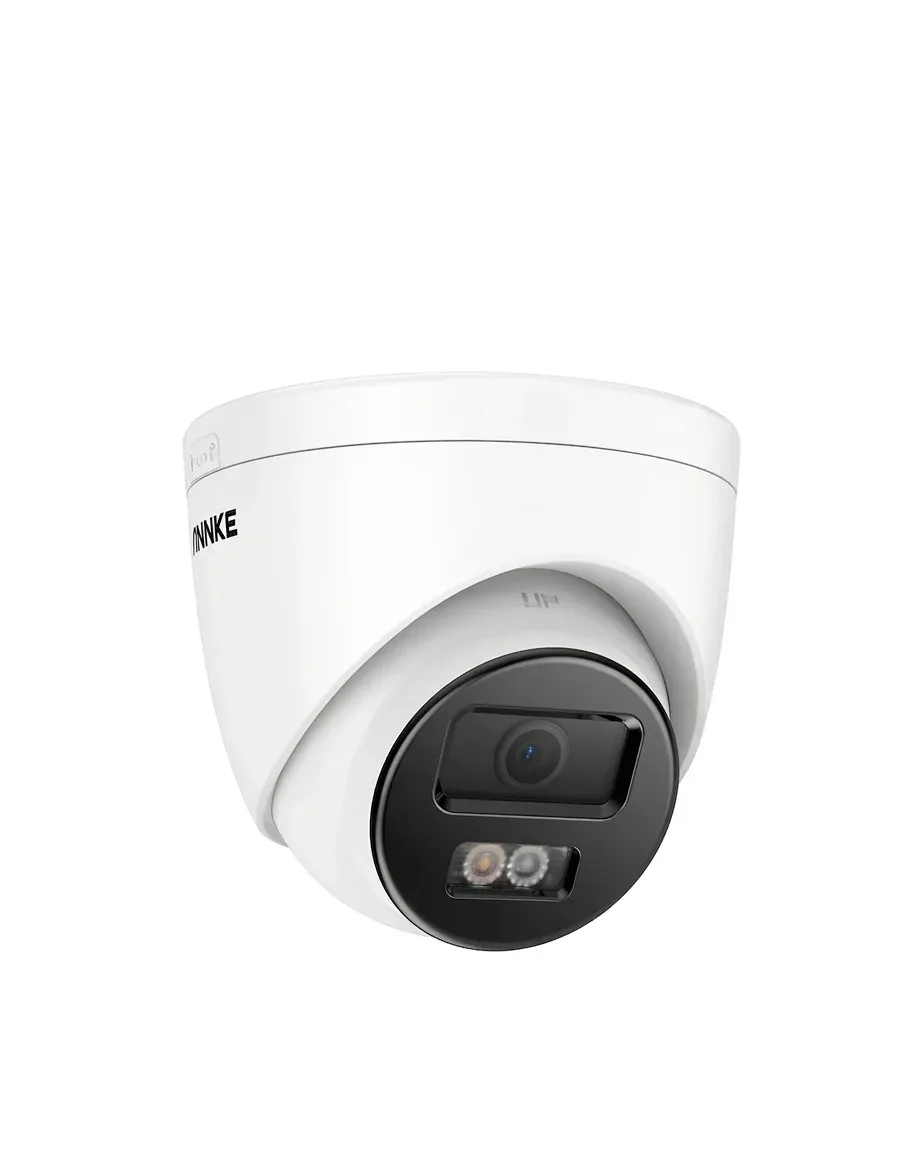
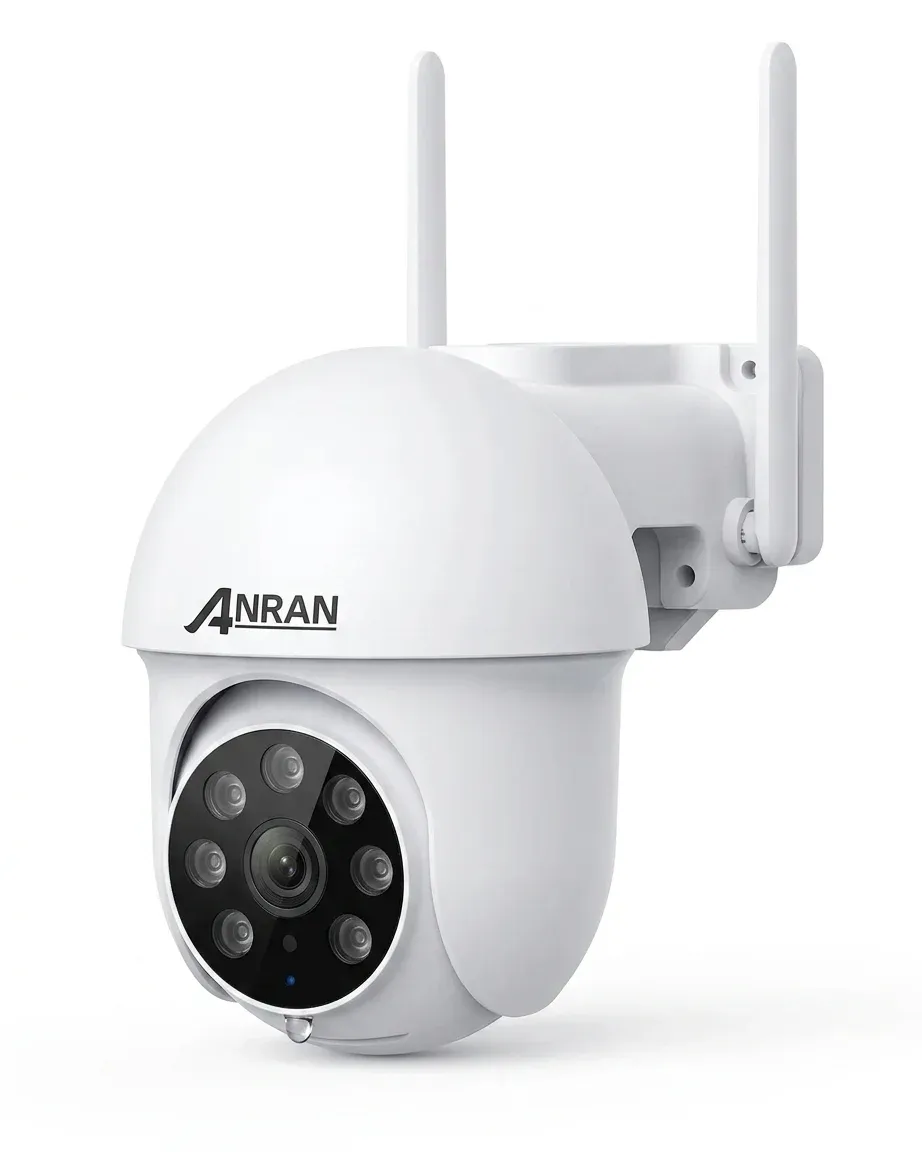
Its white finish looks discreet against light siding and soffits, and the compact shape is less intrusive than larger pan-tilt units. Still, because it uses a single 2.8mm lens without zoom, placement matters more than on a PTZ model, so the final section is worth considering before you mount it.
Built-in microphone and fixed lens: what you gain, what you give up
The built-in microphone adds context to video, which helps when you want to hear footsteps, a vehicle engine, or spoken interaction near the camera. That can be more useful than it sounds, especially for porch or garage monitoring where sound often explains what motion alone cannot.
What you do not get here is zoom, pan, or a removable TF card slot, so this camera is not built for casual standalone use. It fits best into a wired security system where recording is handled centrally, and that makes it a strong match for buyers who want a stable, long-term installation rather than a flexible mobile camera.