









Built for recovery jobs that do not forgive weak gear
VEVOR has earned a solid reputation in the AliExpress niche by focusing on workshop and vehicle hardware that looks practical first and flashy second. That approach matters here, because a winch is only useful when the motor, gearing, and rope work together under load without drama.
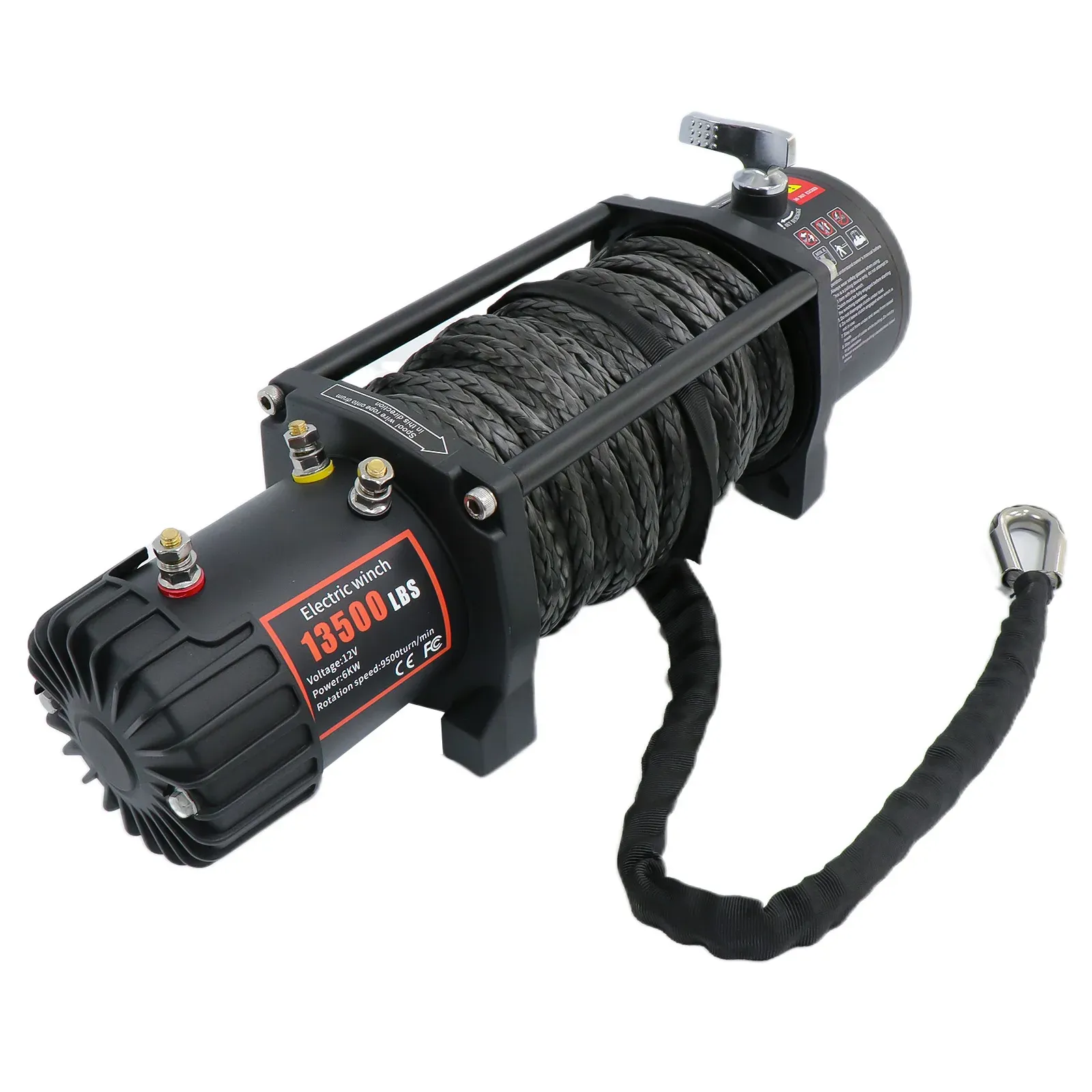
This 12V model is aimed at drivers who want a recovery tool for mud, trail use, and light towing support rather than a decorative accessory. The 13,500 lb single-line rating puts it in the serious-duty class, so the real question is how that power is delivered in daily use.
13,500 lb pull: what that means on the trail
The rated line pull of 13,500 lb gives this unit enough headroom for many full-size trucks, heavier SUVs, and loaded 4x4 recovery situations. In practice, that reserve matters more than peak numbers, because a winch that works near its limit tends to feel slower, hotter, and less controlled.
The 6.5 hp, 4.8 kW motor and 265:1 gear reduction suggest a setup tuned for torque rather than speed. That combination usually helps when you need steady line movement over a buried tire, a steep pull, or a trailer repositioning task, which is where weaker units start to sound strained.
Synthetic rope and 4-way roller fairlead
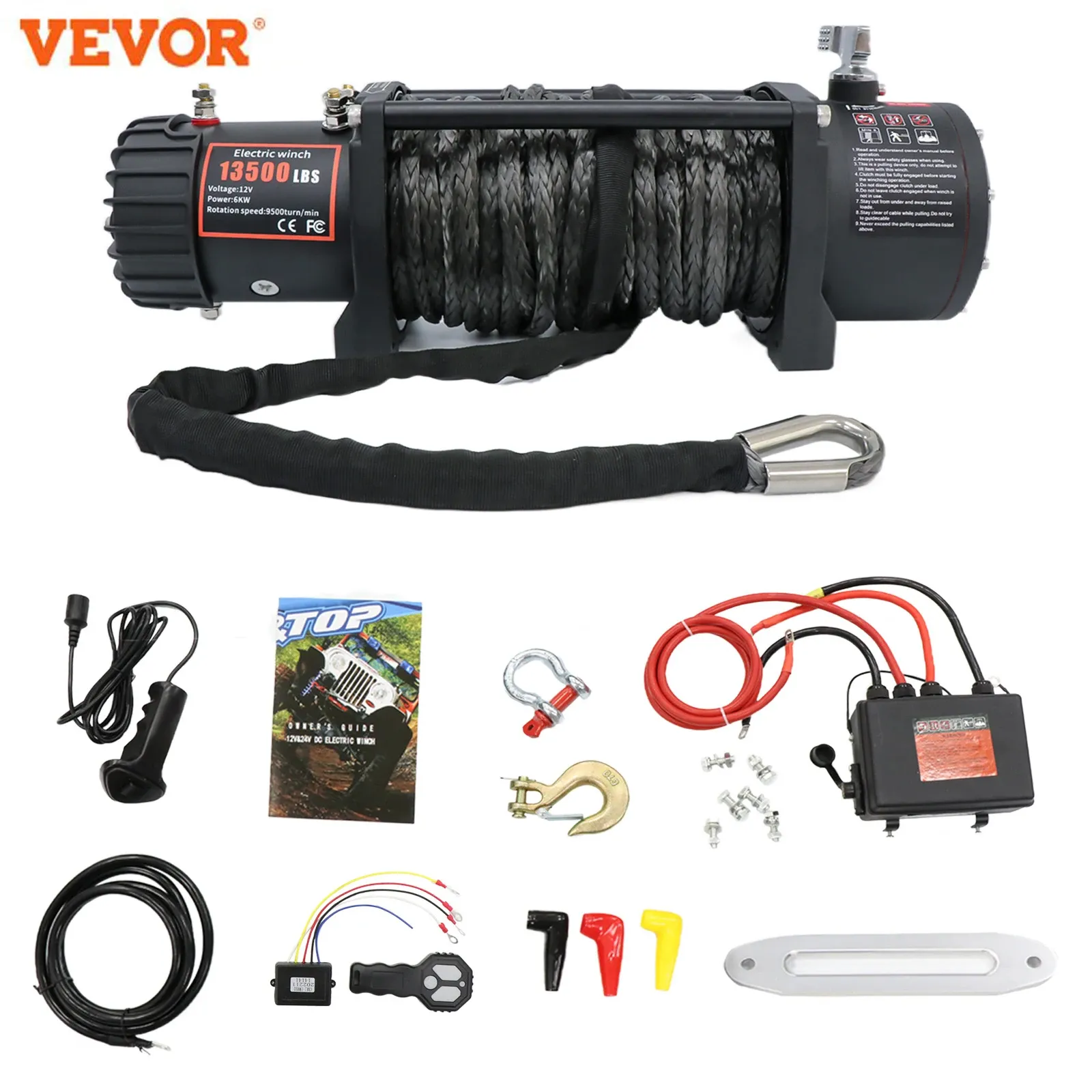
The synthetic rope is one of the more user-friendly choices in this class because it is lighter to handle and less punishing if it needs to be managed by hand. It also gives the front end a less bulky feel than steel cable, which can matter when you are working close to the vehicle.
The included 4-way roller fairlead helps guide the rope more evenly during angled pulls, reducing friction at the entry point. For users who recover from awkward positions, that can make the line feel smoother and easier to control, especially when the rope is not coming straight off the drum.
Wireless control changes the way recovery feels
Wireless control is not just a convenience feature; it changes where you can stand while watching the line and the anchor point. That extra distance can be useful when the vehicle is shifting, the terrain is unstable, or you want a clearer view of how the rope is tracking.
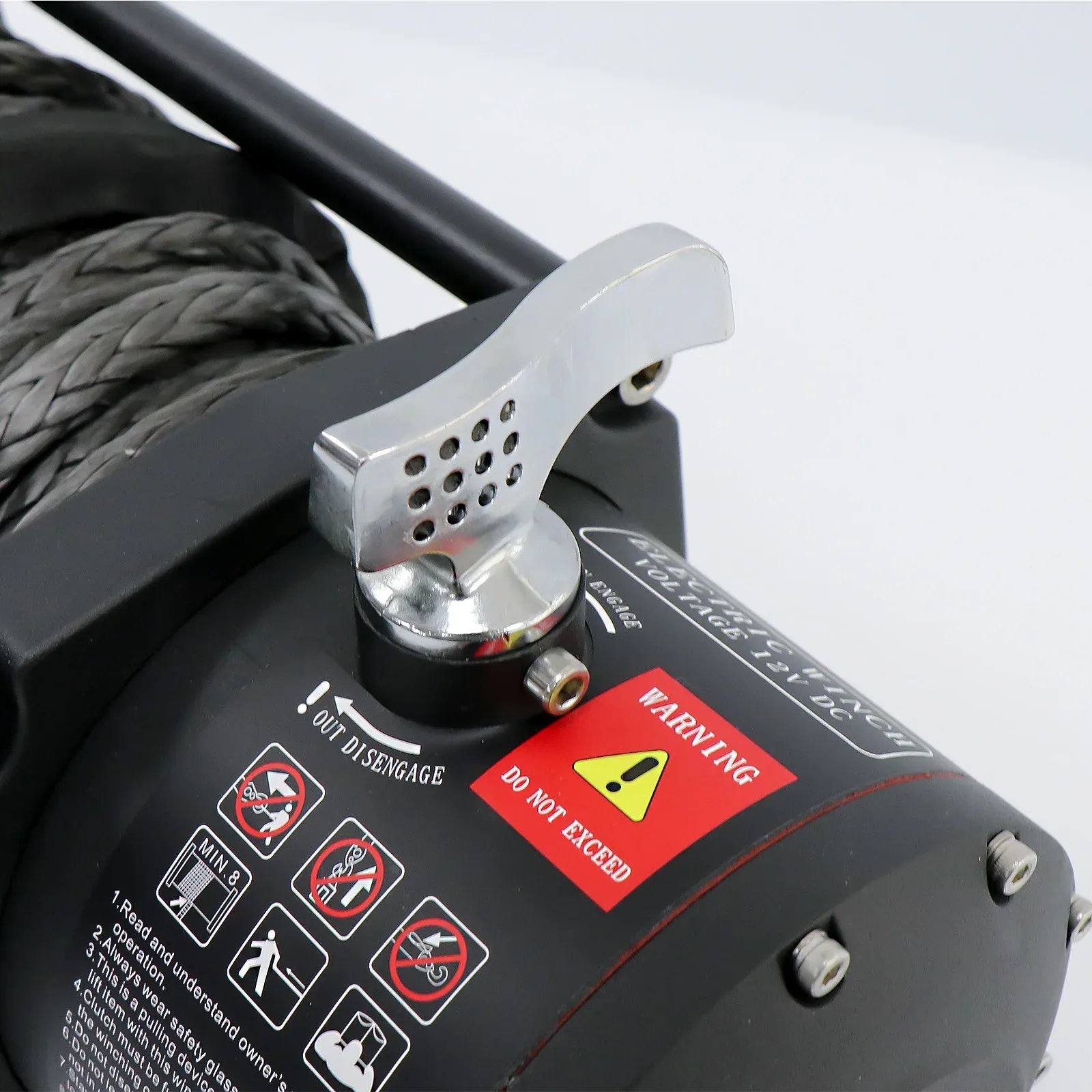
The sliding ring gear clutch with 180° movement gives the operator a more flexible way to engage and disengage the drum. In a practical off-road setup, that can save time when switching between free-spool, tensioning, and recovery positions, which is exactly when a winch should feel predictable.
Where this model makes the most sense
This is a stronger fit for off-road enthusiasts, overlanders, and truck owners who want a recovery system that can also support trailer work and awkward loading situations. It is less about casual use and more about having a dependable tool ready when traction disappears and momentum is gone.
Real customer feedback is limited and mixed, with a small sample showing both praise and criticism, so the safest reading is that expectations should stay grounded. The hardware looks well specified on paper, but with winches, installation quality and wiring discipline often decide whether the system feels robust or frustrating.
What to check before mounting it
Because this is a 12V electric winch, the vehicle’s electrical system and mounting setup matter as much as the winch itself. A solid bumper plate, correct cable routing, and a battery that can support high current draw will do more for performance than any spec line on the listing.
- Best suited to 4x4 recovery and trailer repositioning
- Synthetic rope is easier to handle than steel cable
- Wireless control improves visibility and operator safety
- 265:1 gearing favors controlled torque over speed
- Roller fairlead helps guide angled pulls more smoothly