








Built for the jobs basic OBD2 readers cannot handle
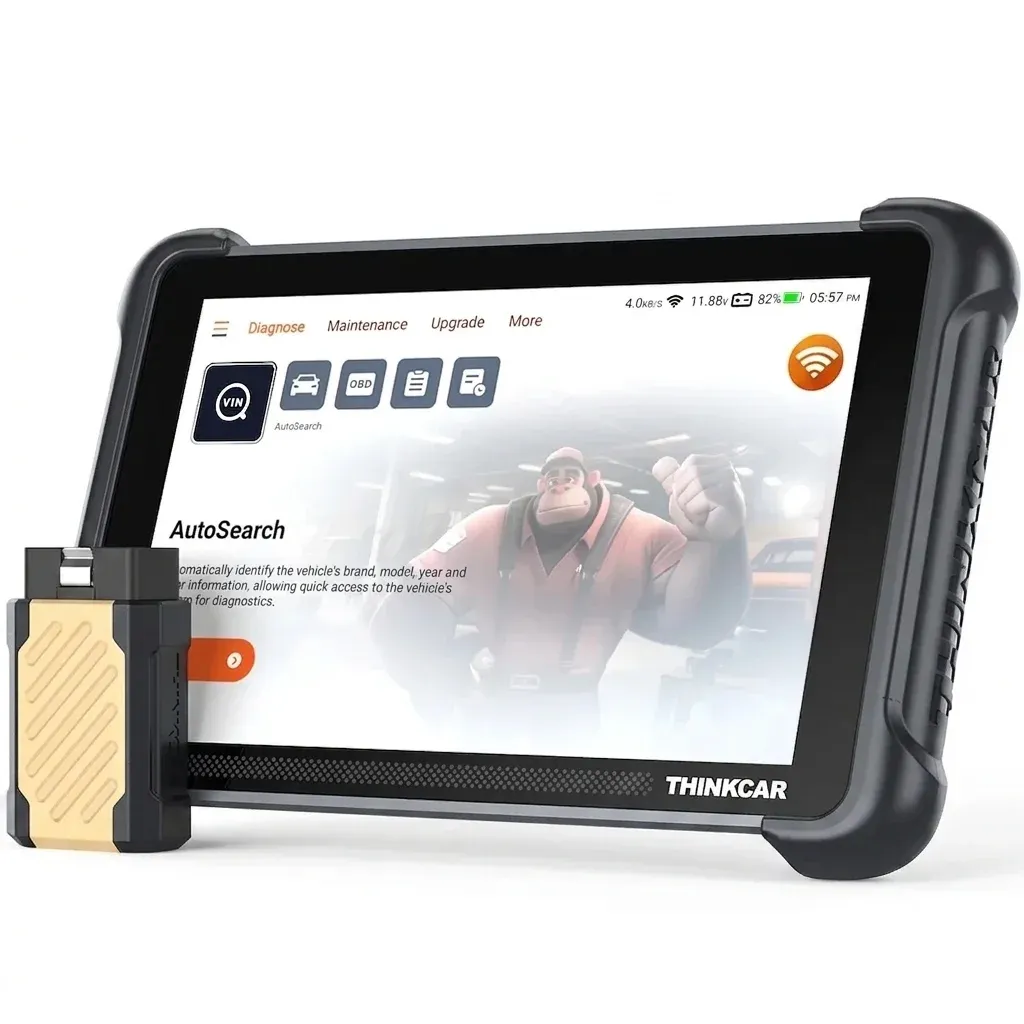
The THINKSCAN 689BT is aimed at drivers and technicians who need more than a fault-code readout. It combines full-system diagnosis, bi-directional control, ECU coding, and key programming support in one Android-based tablet, which makes it a serious step up from entry-level scan tools.
Thinkcar has earned a solid reputation in the AliExpress car diagnostics niche by focusing on broad vehicle coverage, frequent software support, and workshop-style functions at a more accessible level than flagship dealer tools. That matters here, because this model is designed to solve the common problem of seeing an error code without being able to test the component behind it, so what does that look like in real use?
8-inch screen and Android 10: easier to read, easier to use
The 8-inch display with 1280 × 800 resolution gives the interface enough space to show live data, menus, and service functions without feeling cramped. In a garage, that means less scrolling through tiny fields and fewer mistakes when moving between modules or reset procedures.
Android 10 is a practical choice because it keeps the workflow familiar, especially for users who prefer app-style navigation over old-school button menus. The result is a scanner that feels more like a dedicated diagnostic tablet than a handheld code reader, which becomes important when you are switching between several systems on the same vehicle.
Why bi-directional testing changes the diagnosis
Active test support lets the scanner send commands to components such as fans, relays, valves, and actuators, so you can verify whether a part responds instead of guessing from a stored code. That is the difference between replacing a sensor and confirming the fault first, which can save time on modern vehicles with layered electronic systems.
This feature is especially useful on cars with intermittent issues, where static code reading often gives only half the story. Users who want to isolate a problem quickly will appreciate this approach, and the benefit becomes even clearer when paired with full-system access and CANFD, DOIP, and FCA coverage.
34 reset services for routine maintenance work
The 34 reset functions cover the kind of service tasks that usually force a trip to a workshop, including oil reset, brake service, battery registration, throttle adaptation, and steering angle calibration. For owners who maintain multiple vehicles, that broad service list can turn one tablet into a practical garage companion.
Not every reset is available on every car, and compatibility still depends on make, model, and year, but the function set is broad enough to cover many common maintenance workflows. One customer review noted that it did not work on a 1999 Megane 1.9 DTI, which is a useful reminder that older cars can fall outside the supported range, so vehicle compatibility should be checked first.
ECU coding and key programming for more advanced work
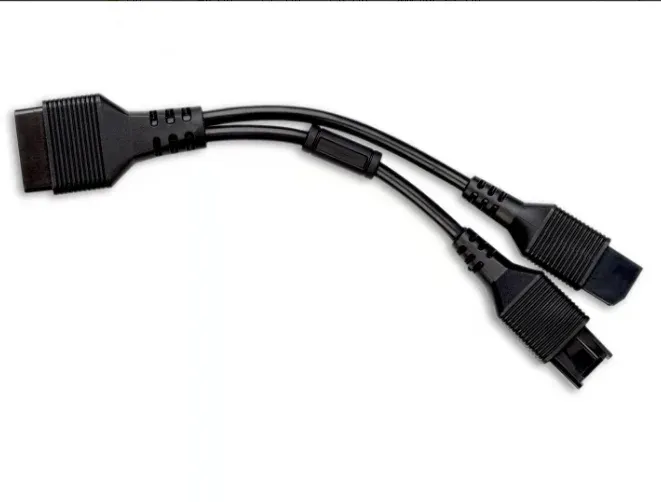
ECU coding is the feature that pushes this scanner beyond routine diagnostics, letting users access certain configuration changes where the vehicle supports them. That can be useful for retrofits, module matching, or enabling factory functions, though the exact scope depends heavily on the car brand and control unit.
Support for key programming with the TKey 101 accessory makes the tool more attractive to professional users and advanced DIYers who work on immobilizer-related tasks. If your work involves newer platforms, the support for CANFD and DOIP is a meaningful advantage because these protocols are increasingly common on late-model vehicles.
Lifetime updates and multilingual support keep it usable
Lifetime free updates via Wi-Fi are one of the strongest practical points here, because diagnostic tools lose value quickly when software support stops. With 150+ car brand coverage and multiple language options, the scanner is built to stay usable across different vehicle fleets and different users.
The CE, FCC, RoHS, and WEEE certifications add a layer of credibility to the hardware package, while the absence of high-concern chemicals is reassuring for workshop handling. For a tool in this class, the real appeal is not flashy branding but the combination of update support, broad protocol coverage, and service functions that keep it relevant over time, which is where the value becomes easier to judge.