









Sonoff’s Zigbee hardware has a strong reputation for dependable smart-home integration
Sonoff is one of the more trusted names in the AliExpress United States smart-home niche because its devices usually focus on compatibility first, not flashy extras. That matters here, because a Zigbee dongle only becomes useful when it is detected cleanly by open-source platforms and keeps working without drama.
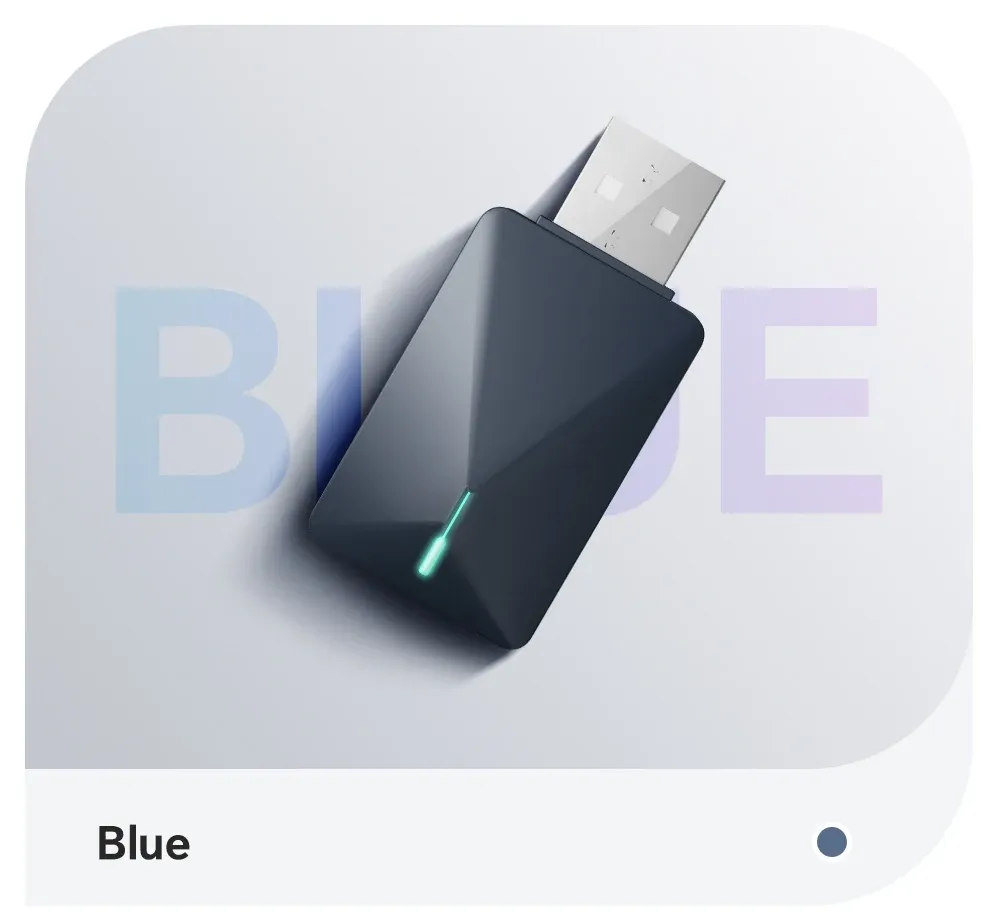
The ZBDongle-E follows that pattern with a ready-to-go setup, coordinator firmware, and support for the ecosystems most advanced users actually run. If your goal is to unify sensors, switches, and relays under one local hub, this little stick is built for that job rather than for consumer-style simplicity.
What this USB dongle solves in a mixed smart-home setup
Most smart homes start to feel messy when every device depends on a different cloud app or branded gateway. This dongle solves that by acting as a single Zigbee 3.0 coordinator, so compatible devices can be managed through Home Assistant, Zigbee2MQTT, or similar platforms with local control.
That local-first approach is the real benefit: routines can keep running even when the internet is unstable, and device pairing stays inside your own system. For users building a serious automation stack, that is a practical upgrade rather than a cosmetic one, and it changes how reliable the whole network feels.
Pre-flashed coordinator firmware cuts the setup time
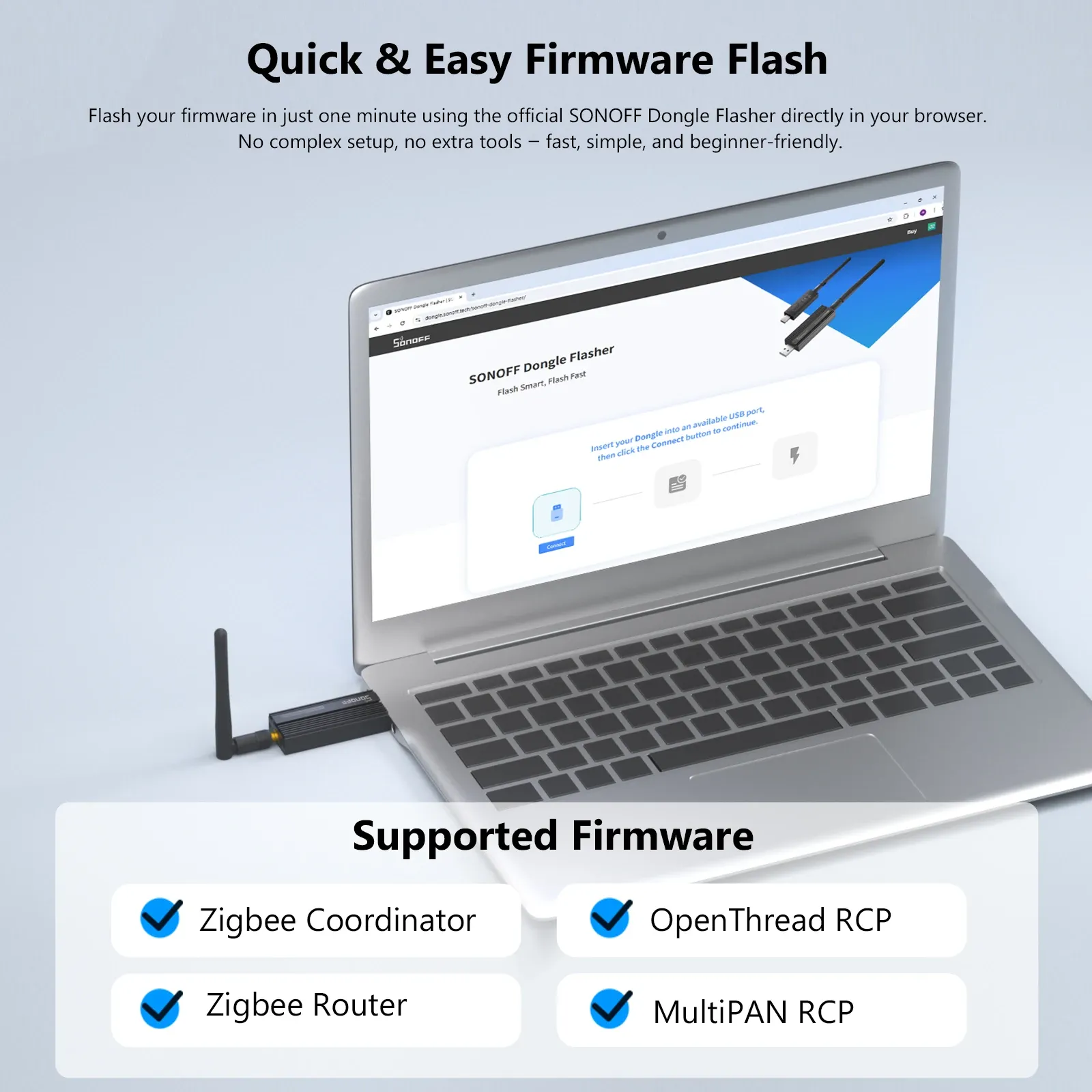
The dongle arrives pre-flashed as a coordinator, which removes one of the most common barriers for first-time Zigbee users. In practice, that means less time hunting firmware files and less risk of flashing the wrong image before the device is even useful.
Users repeatedly report that Home Assistant and Zigbee2MQTT detect it quickly, and that matches the product’s purpose well. If you run a Linux-based home server or a Raspberry Pi hub, this is the kind of accessory that should disappear into the background after installation, so what does the hardware itself bring to the table?
Aluminum shell and compact size make placement easy
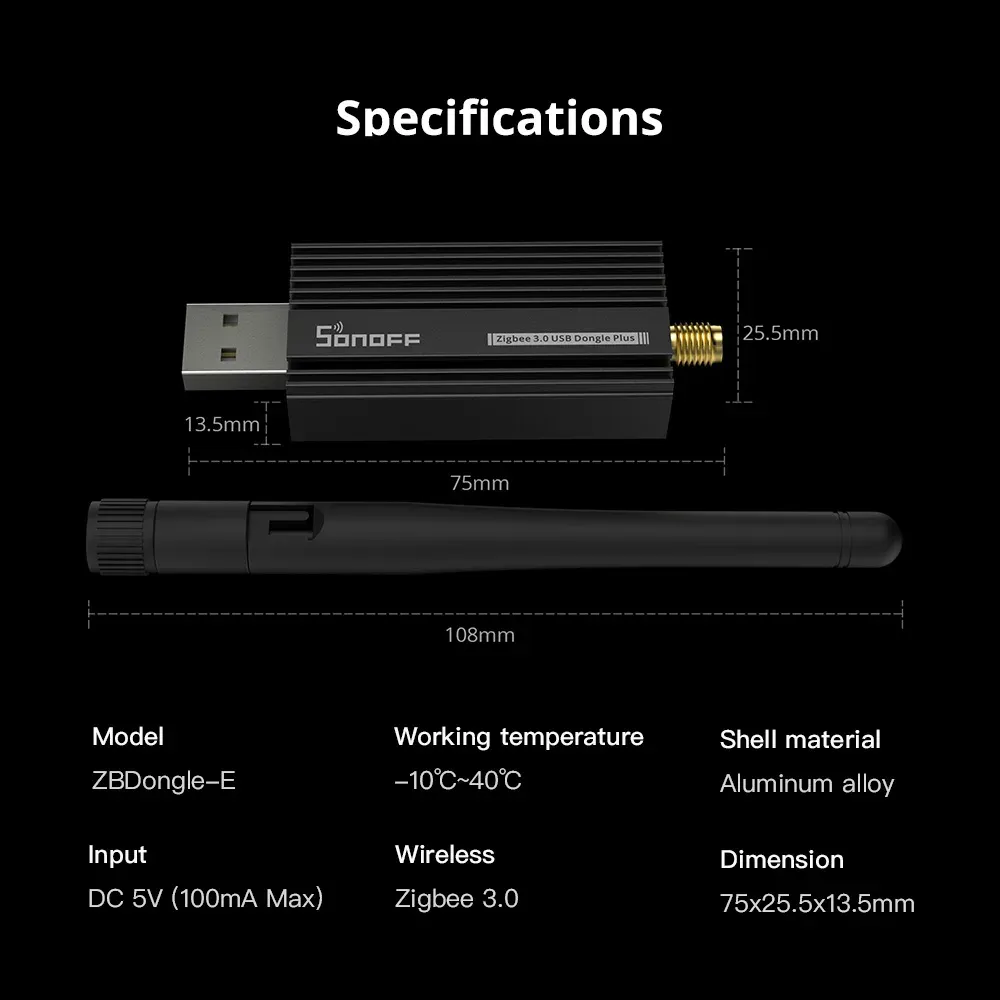
The aluminum alloy shell gives the dongle a sturdier feel than the usual bare-plastic USB accessory, and it helps it look more like a serious network tool than a toy. At 75 x 25.5 x 13.5 mm, it stays compact enough to sit beside a NAS, mini PC, or Raspberry Pi without crowding other ports.
The 5V, 100mA input is also a useful clue: this is a low-power device that should not burden your host system. The working range of -10℃ to 40℃ suggests it is meant for normal indoor server cabinets and desk setups, which fits the way most Zigbee coordinators are actually used.
Where it fits best in a Zigbee 3.0 network
This dongle is most compelling for users who already have Zigbee sensors, switches, and relays from different product lines and want one coordinator to manage them. The listed device support includes common Sonoff accessories, and that kind of ecosystem compatibility is valuable when you are expanding a network one node at a time.
It can also be a smart choice as a spare coordinator, since several customers mention getting a second unit after a smooth first install. That kind of repeat use is a practical signal, because people usually do not duplicate network hardware unless the first one proved dependable.
What to know before you add it to your cart
This is not a Wi-Fi hub and it does not include a camera, so it will not replace a general smart-home gateway with app-based controls. It is a focused Zigbee coordinator, which is exactly why it tends to work well in open-source environments but may feel too specialized for casual users.
The dongle is also tied to platform drivers on Windows and macOS, so the easiest experience is usually on Linux, Ubuntu, Raspbian, or a Home Assistant host. If your setup already lives on a server or mini PC, that limitation is minor; if not, the first pairing step may take a little more patience, which is worth considering before you start?
- Pre-flashed Zigbee 3.0 coordinator firmware
- Works with Home Assistant and Zigbee2MQTT
- Compact aluminum alloy housing
- Local control without relying on cloud apps
- Suitable for mixed-brand Zigbee networks
- Low-power USB operation
- Ready-to-go assembly
- CE, FCC, and RoHS certified