








Factory wired CarPlay gets a full Android brain
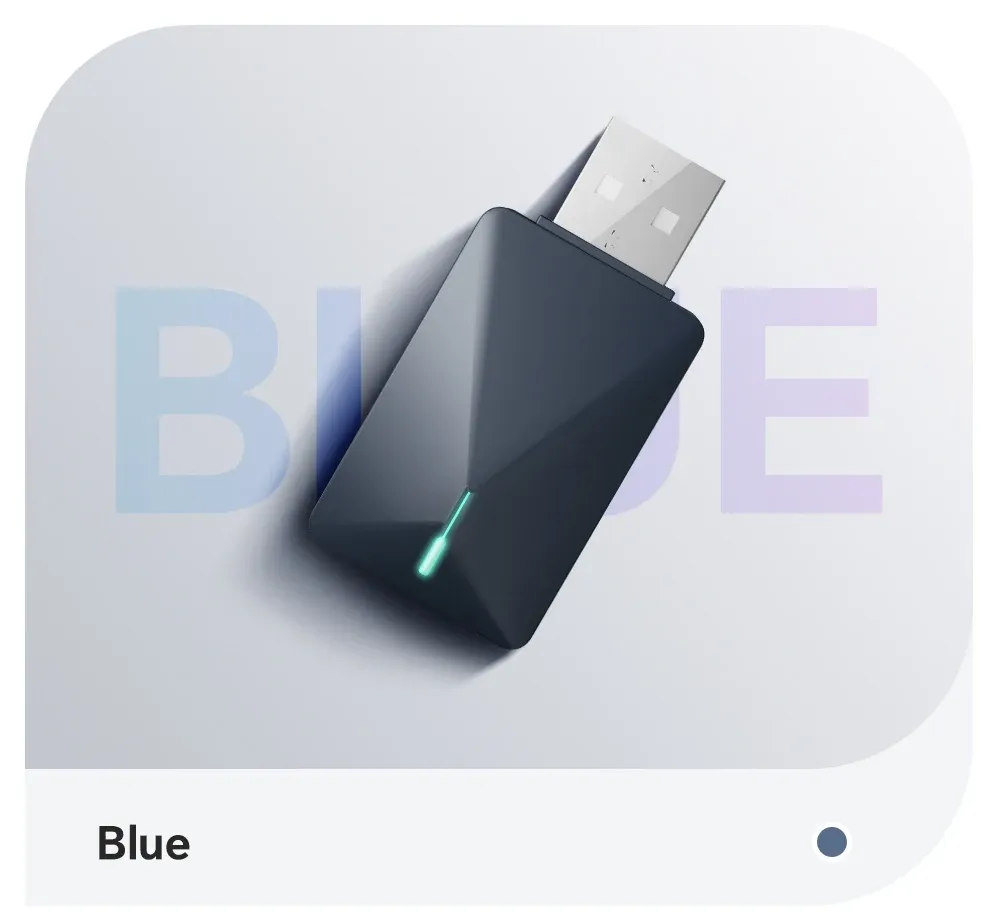
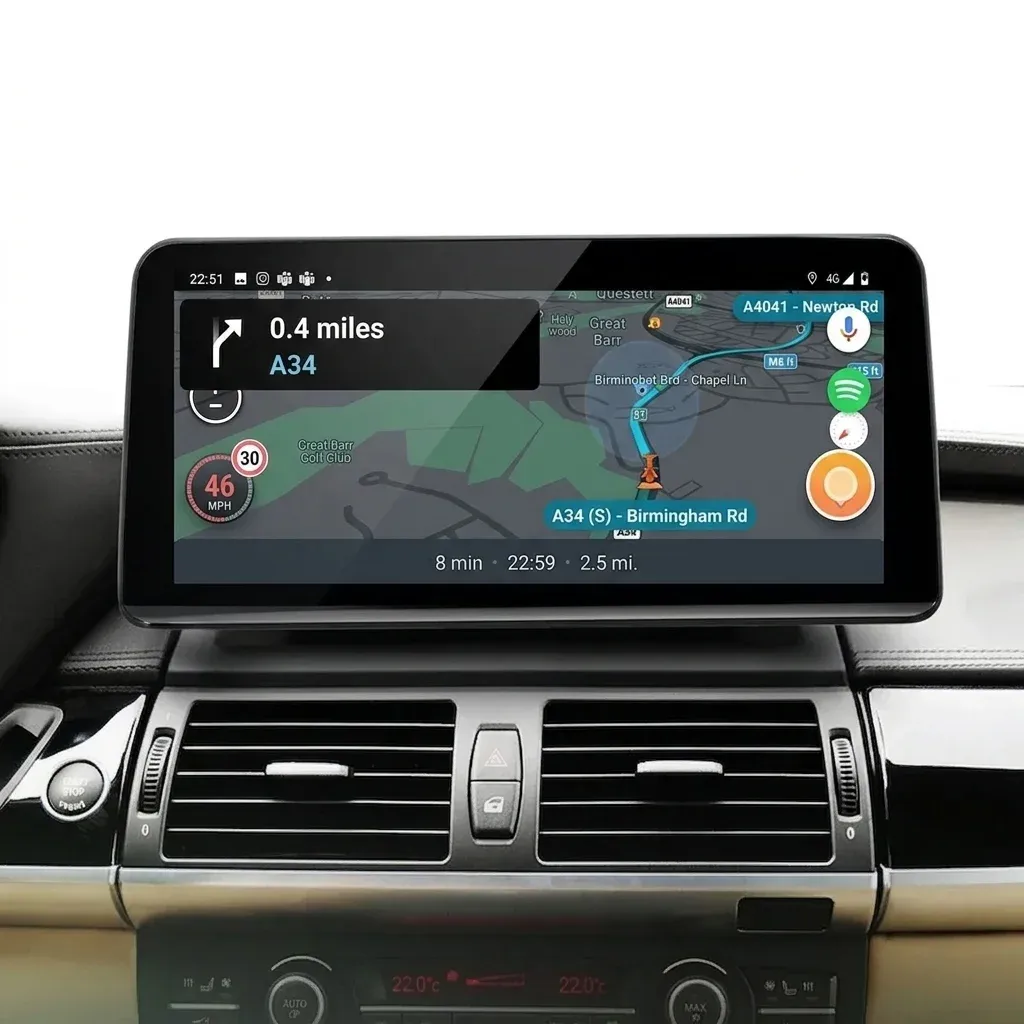
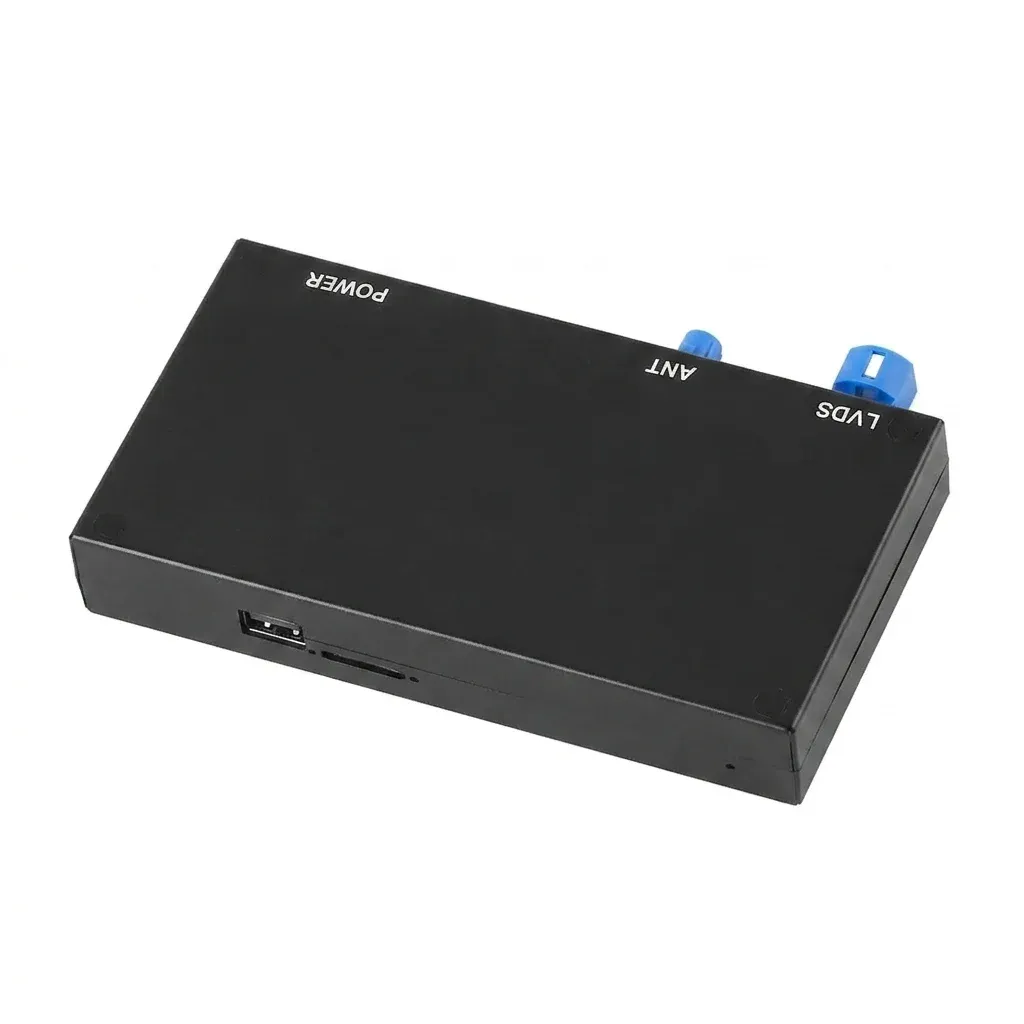
The main problem this box solves is simple: many modern cars have a good screen but a limited infotainment system. OTTOCAST PICASOU 3 plugs into vehicles with original wired CarPlay and turns that screen into an Android 12 interface with far more app flexibility.
That matters most when you want navigation, streaming, and sideloaded apps without replacing the head unit. According to customer feedback, the device feels quick in daily use, which is exactly what you want from an in-car interface that has to wake up fast and stay responsive, so how does it handle the rest of the setup?
Snapdragon 665 and 8+128GB: why the spec sheet matters
The Snapdragon 665 is not a flagship chip, but it is a sensible choice for stable car use because it balances speed and heat control. Paired with 8GB of memory and 128GB of storage, it gives the system enough room for maps, media apps, and a few heavier services without feeling cramped.
For drivers who compare it with cheaper AI boxes, the difference is usually in menu lag and app switching rather than raw benchmark numbers. The practical benefit is smoother touch response and fewer pauses when moving between wireless CarPlay, Android Auto, and Android apps, which becomes obvious during a long commute.
LTE and TF expansion make it less dependent on your phone
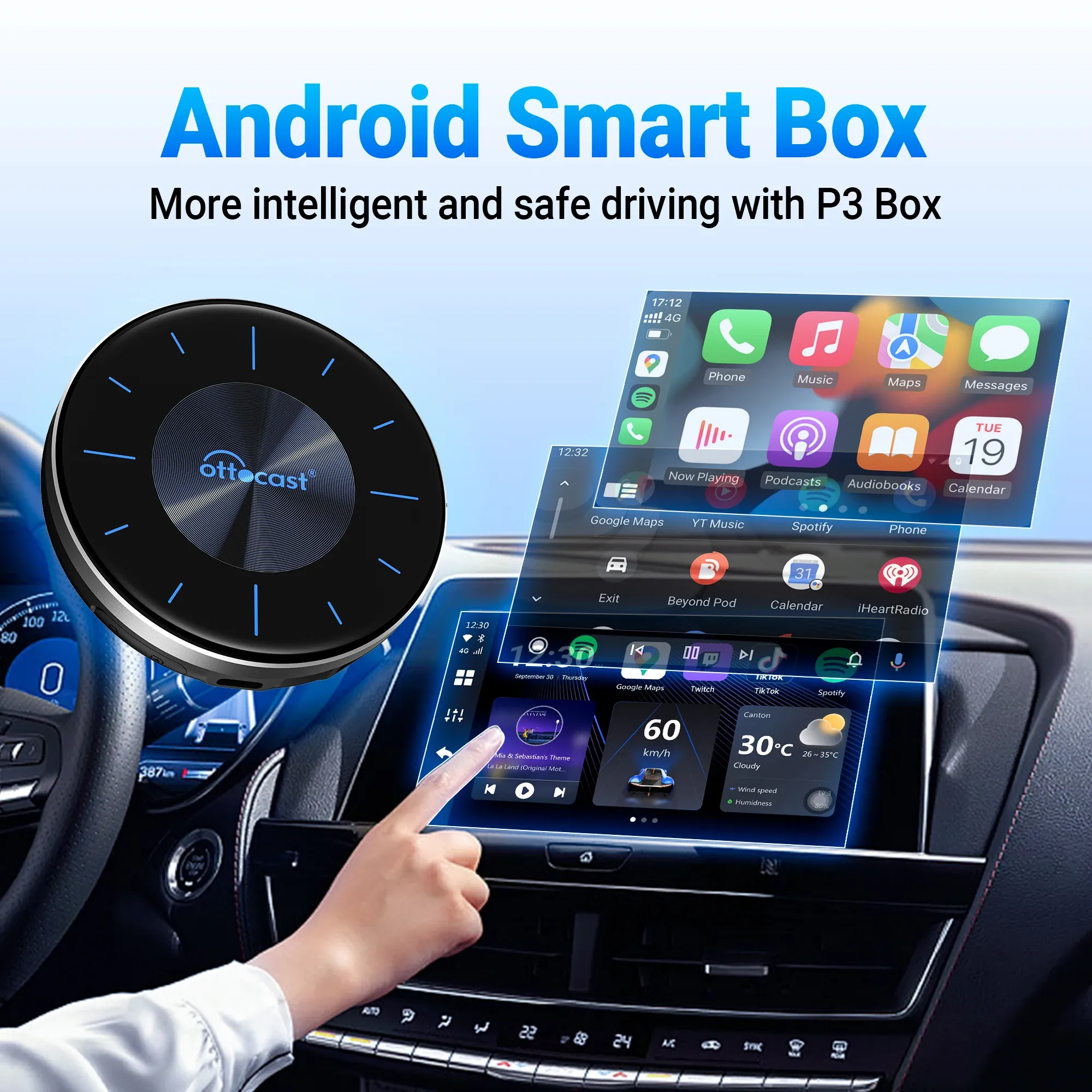
One of the strongest features here is Nano SIM support for 2G/3G/4G LTE, which lets the box stay connected even when your phone hotspot is unreliable. That is useful for drivers who want a more self-contained setup for streaming music, maps, or passenger entertainment.
TF card expansion up to 256GB gives you a clean way to carry offline media, and the HDMI output opens a second use case that many buyers overlook. Users mention connecting it to external screens, which makes it more versatile than a basic wireless adapter and closer to a compact travel media hub.
Compatibility is broad, but the limits matter
This model is built only for cars with original wired CarPlay, so it is not a universal accessory. It also excludes BMW, Tesla, Huawei phones, and Xiaomi Redmi devices, which means checking compatibility before ordering is essential rather than optional.
That restriction may sound narrow, yet it helps explain why the product earns strong ratings from users whose cars are supported. Real reviews also mention quick setup on models like Toyota, Hyundai, Kia, Peugeot, Renault, and Porsche, so the experience can be excellent when the vehicle and phone match the supported list, but will your car be one of them?
Where the PICASOU 3 feels strongest in daily driving
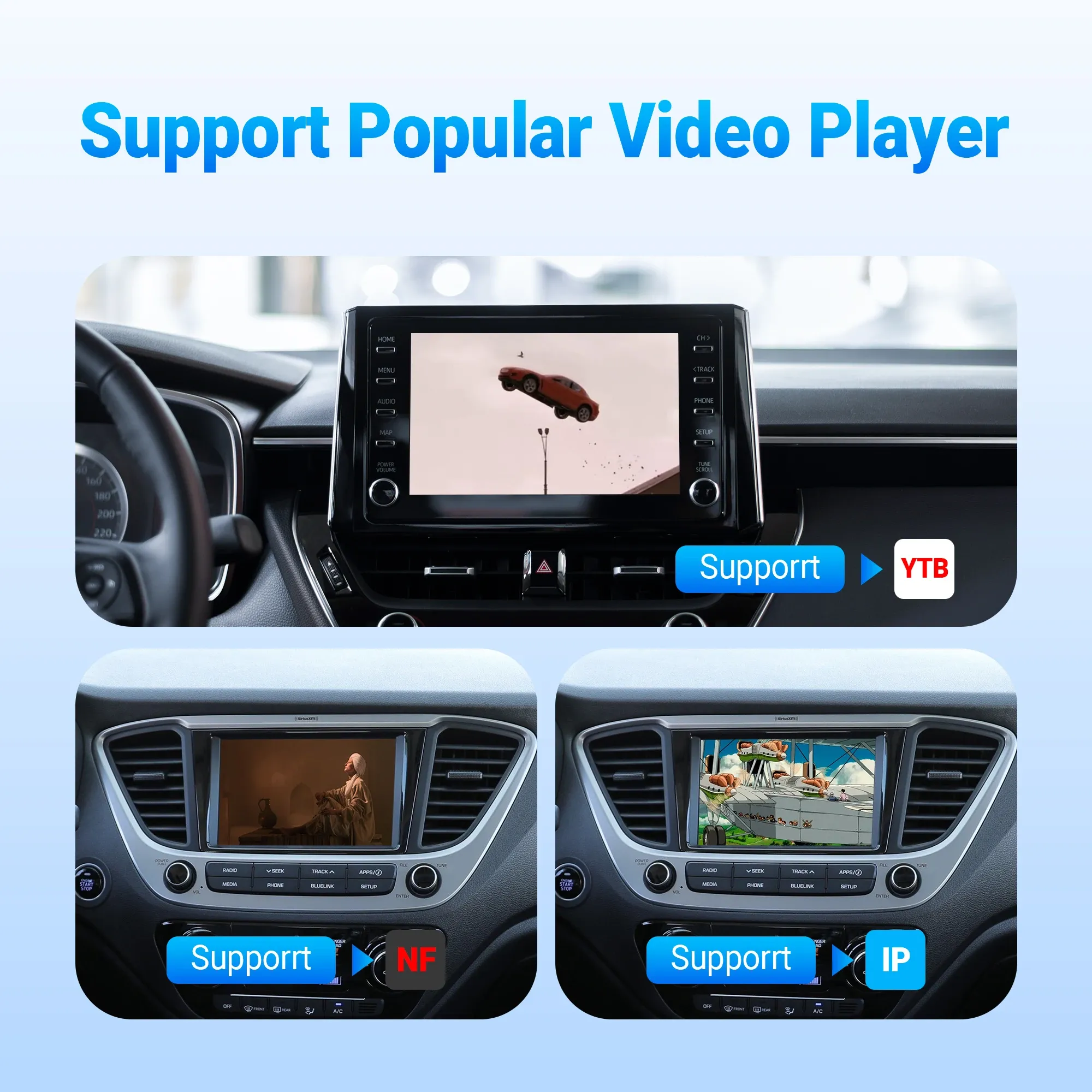
The best use case is for drivers who already like their factory screen but want a richer software layer. It is a cleaner upgrade than swapping the entire head unit, and it keeps the original dashboard look intact while adding app access, LTE connectivity, and wireless convenience.
AliExpress United States readers looking for a smart infotainment bridge will appreciate that the package is certified for FCC, CE, Telec, and RoHS, which adds confidence to an otherwise very electronics-heavy category. The absence of a battery also keeps the unit focused on vehicle power, which is one less thing to manage on the road.
What stands out after reading user feedback
Customer reactions are mostly positive, with repeated praise for speed, smooth operation, and the HDMI function. A few users note connection quirks with hotspot or Wi-Fi handoff, which is worth keeping in mind if you rely on automatic reconnection every time you start the car.
That trade-off is common in this category, and it is less about the hardware being weak than about how different cars and phones handle wireless handshakes. If your priority is a fast, flexible Android-based CarPlay upgrade, the PICASOU 3 is one of the more capable options in this segment, so the next question is whether you need LTE or just a wireless bridge.