







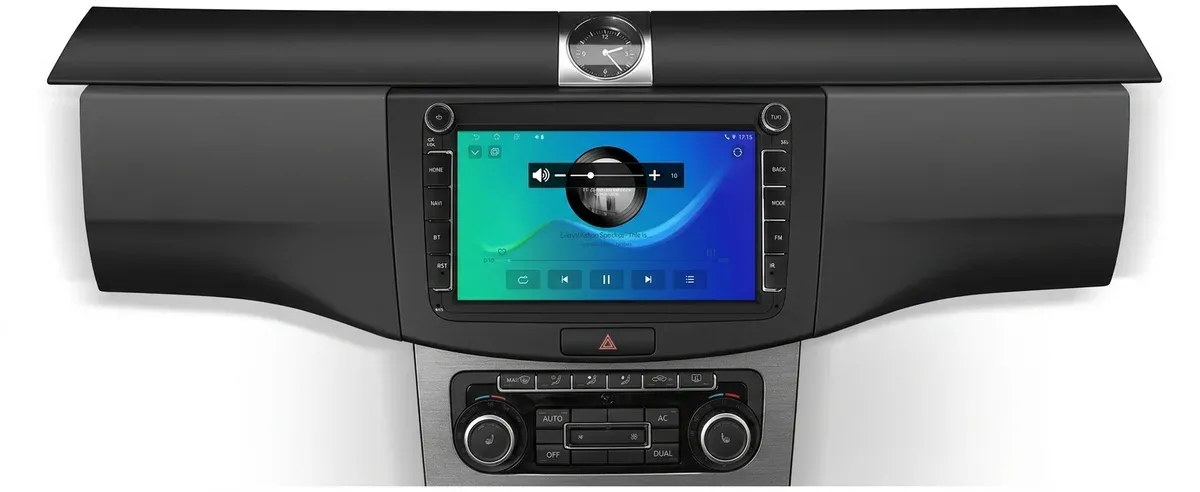
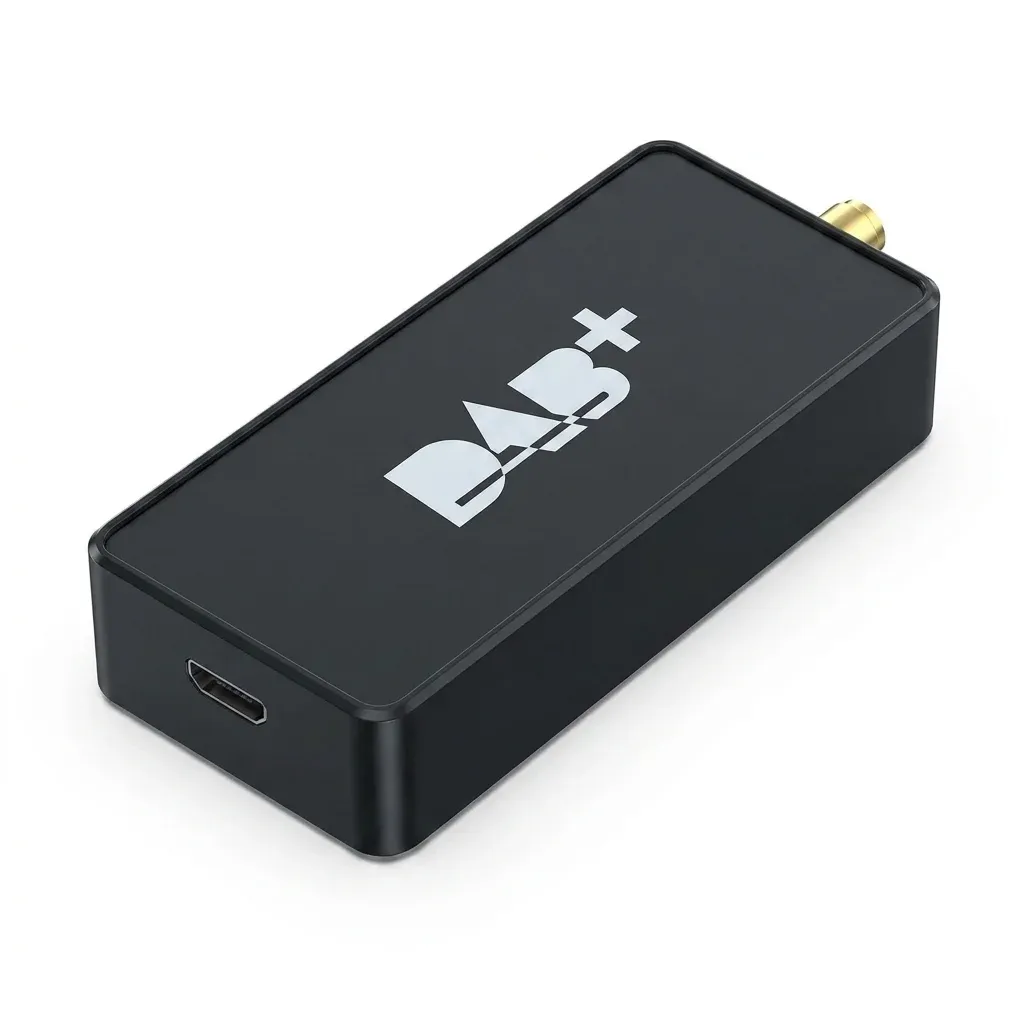
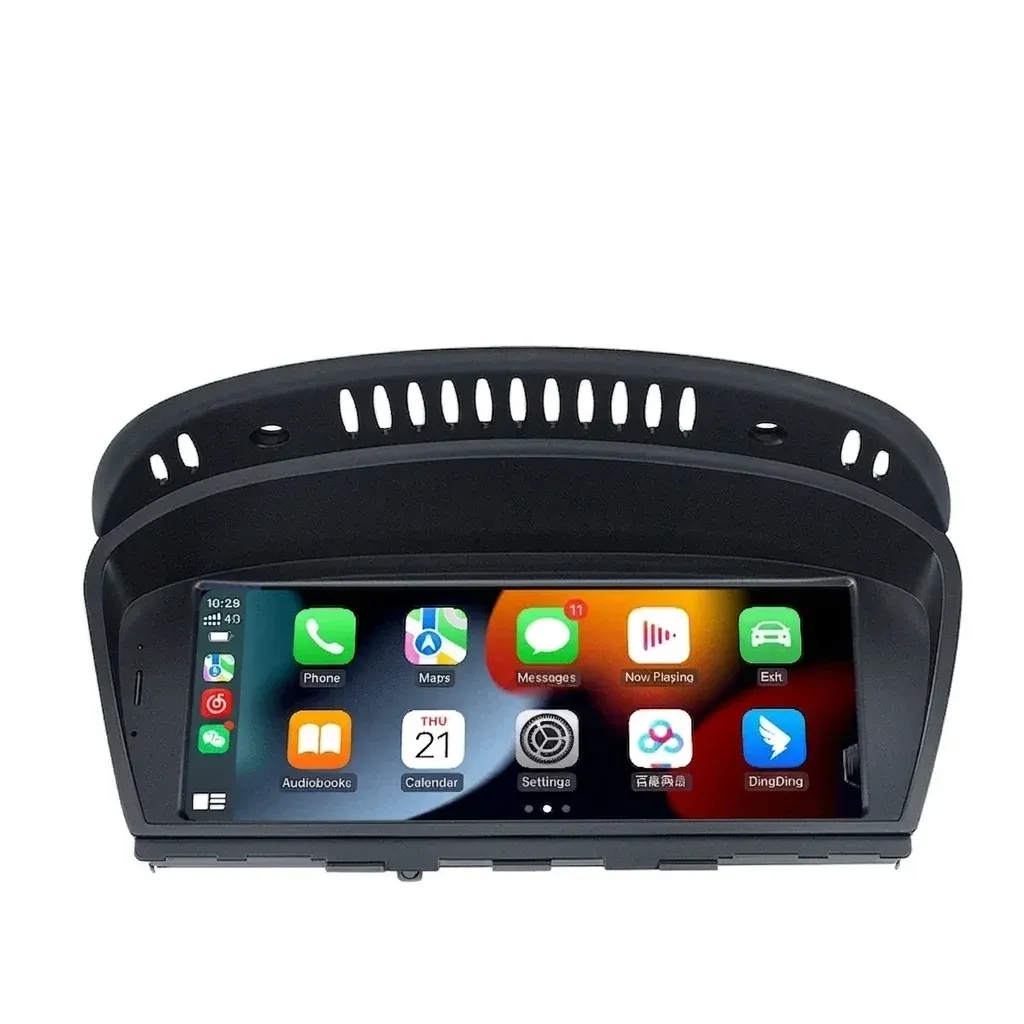
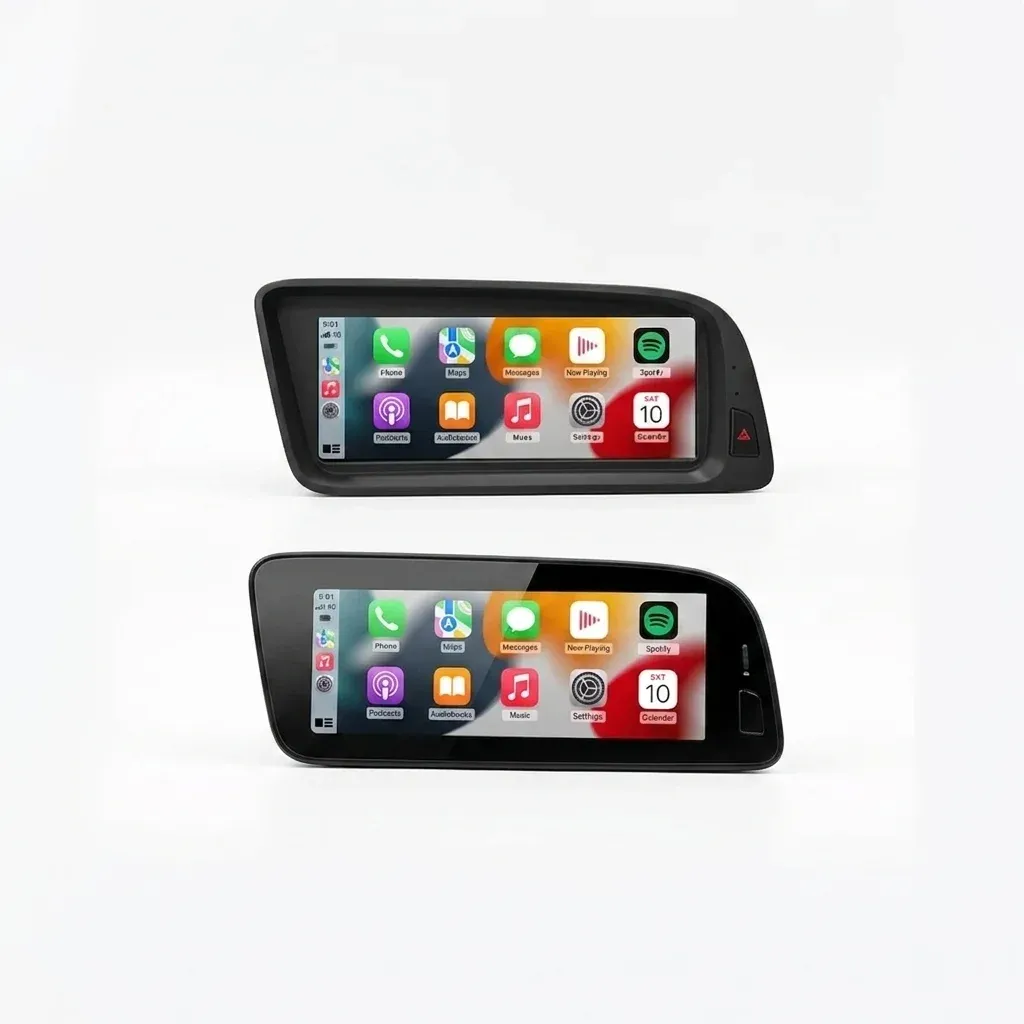

Turns a wired CarPlay screen into a fuller Android cockpit
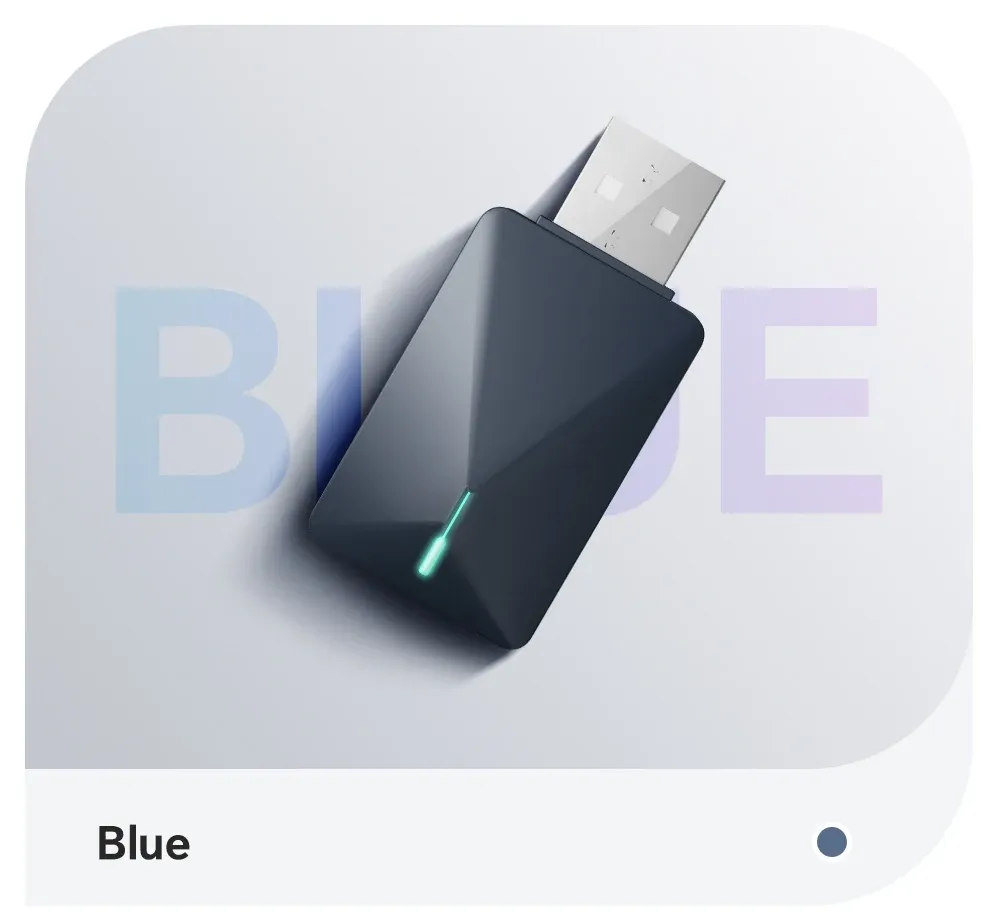
The OTTOCAST P3 is built for drivers who want more than mirrored phone functions from the factory head unit. It plugs into vehicles with wired CarPlay and adds Android 12, wireless CarPlay, and wireless Android Auto in one compact box, which is a practical step up for daily commuting and long highway runs.
That matters because the factory screen stays in place while the box handles the smarter part of the experience. For AliExpress United States readers comparing retrofit options, this is the kind of upgrade that keeps the dashboard clean while expanding what the infotainment system can do.
Snapdragon 665 and 8+128GB: what the spec sheet means on the road
The Qualcomm Snapdragon 665 is not a flagship chip, but it is a proven midrange platform that should feel familiar in menu navigation, app switching, and media playback. Paired with 8GB of memory and 128GB of storage, it gives the box enough headroom for navigation apps, streaming, and split-screen use without feeling stripped down.
That storage is useful in real driving because downloaded maps, offline music, and app data can live on the device instead of depending entirely on the phone. If you often move between city traffic and poor-signal areas, the ability to keep core apps local becomes the feature that matters most.
Split screen and mini HDMI make it more flexible than a basic dongle
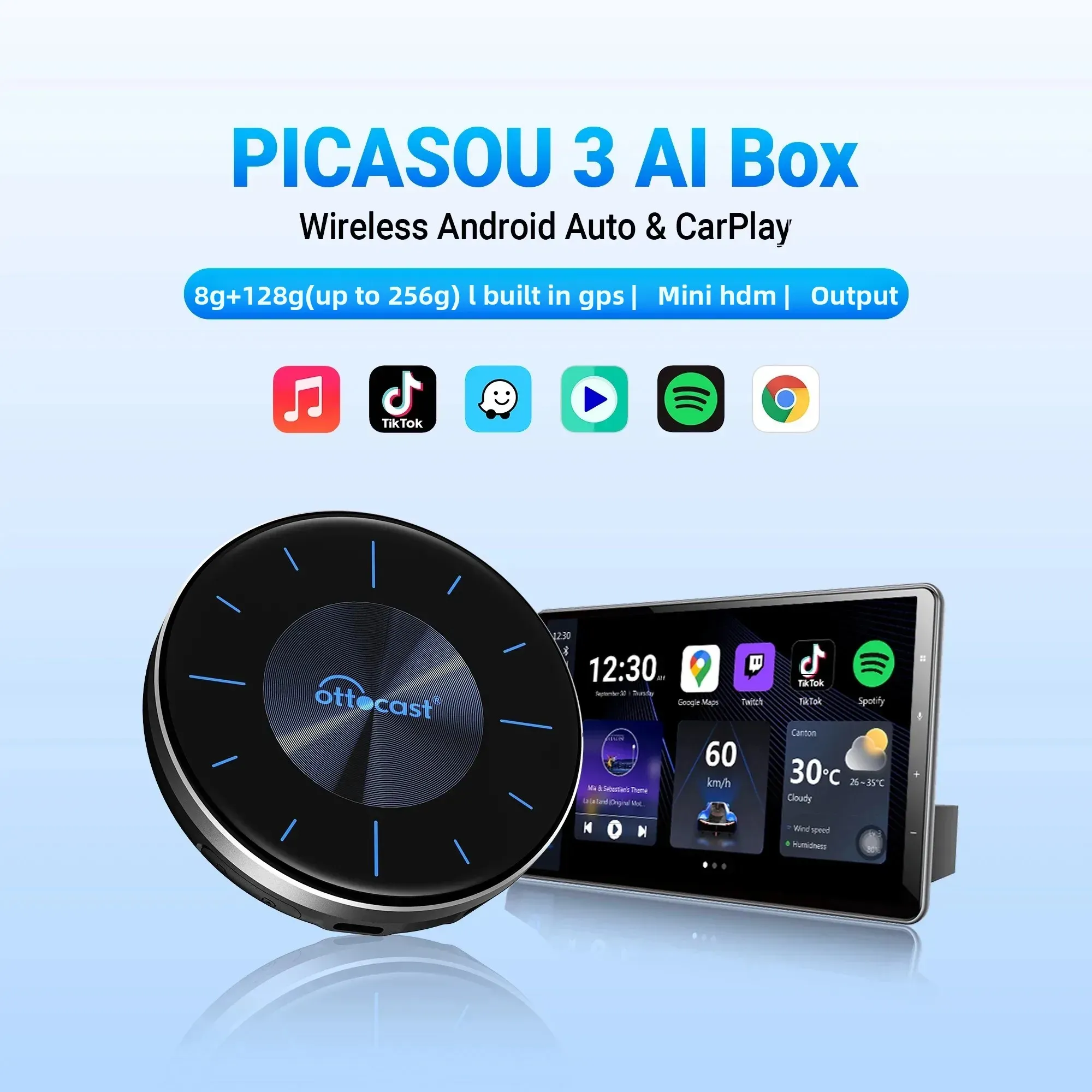
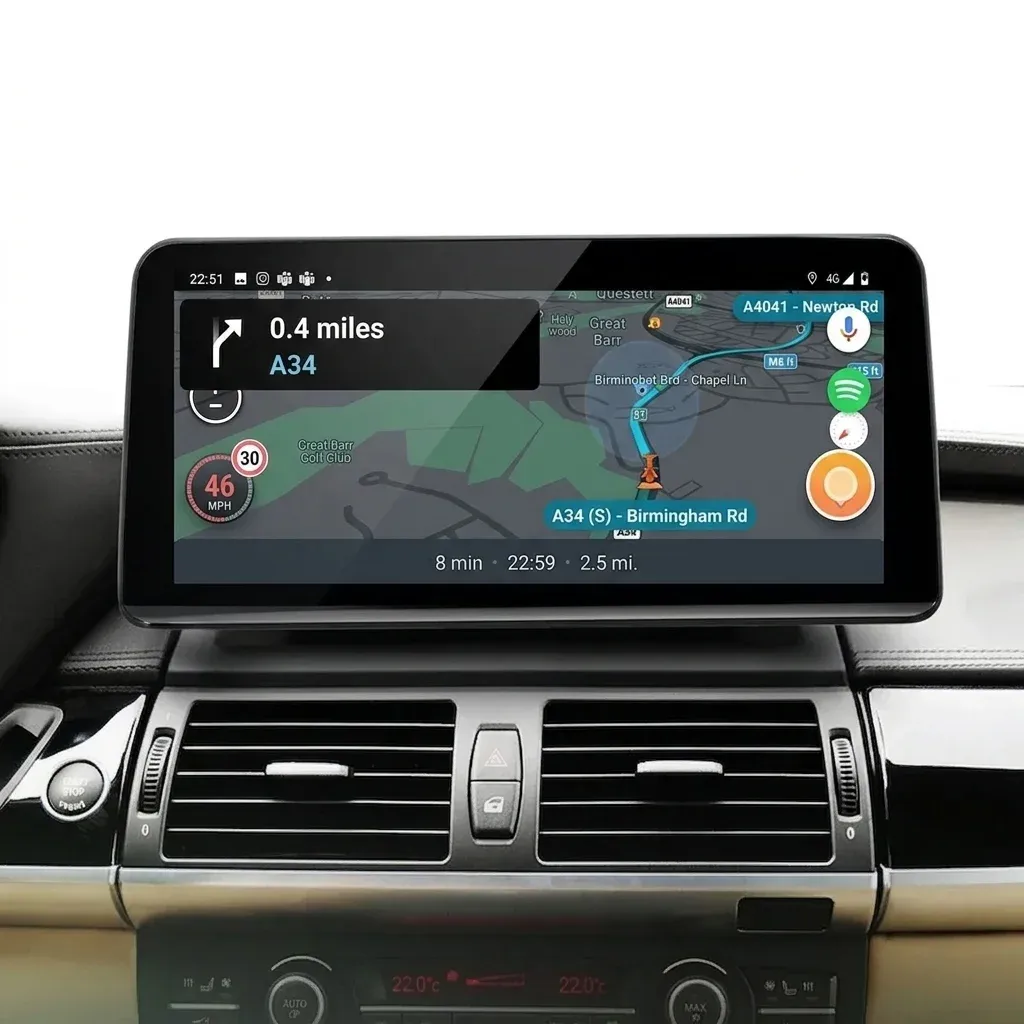
Split-screen support is where the P3 starts to feel closer to a small in-car tablet than a simple adapter. Users can keep navigation visible while managing music or a second app, which reduces the need to jump between menus at every turn.
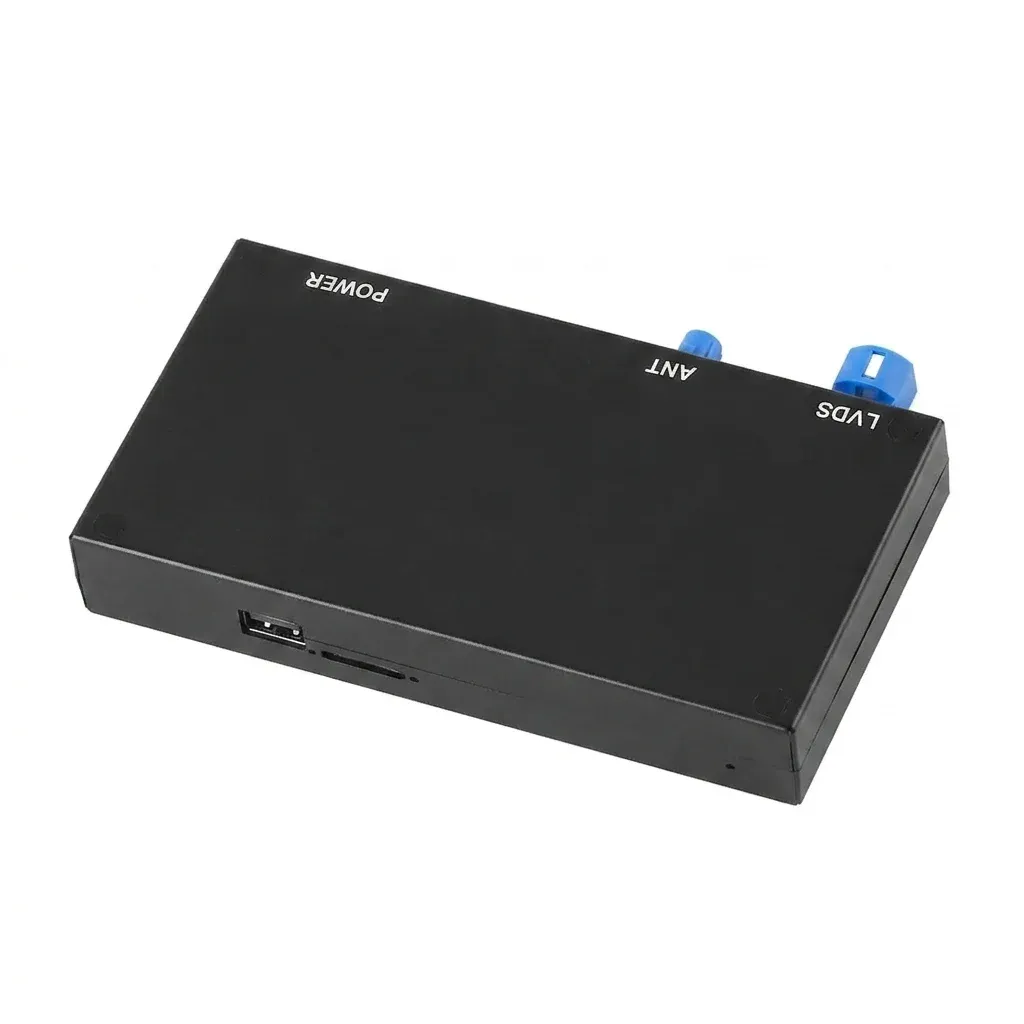
The mini HDMI output is a notable extra because it opens the door to external display routing in compatible setups. That makes the unit more interesting for custom installs, rear-seat entertainment experiments, or owners who want a broader AV workflow than a standard wireless CarPlay dongle can provide.
SIM card support and Bluetooth 5.0 widen the use case
With Nano SIM support for 2G, 3G, 4G LTE, the device can work more independently from the phone’s hotspot in supported regions. Bluetooth 5.0 should help with faster pairing and steadier accessory connections, which is useful when the car is carrying multiple devices at once.
This is also where the P3 separates itself from cheaper plug-and-play dongles that rely heavily on the phone for everything. If your goal is a more self-contained in-car system, the SIM slot and Android base make that possible, but the car still needs the right factory CarPlay foundation to wake the box up.
Compatibility is the real gatekeeper, not the hardware
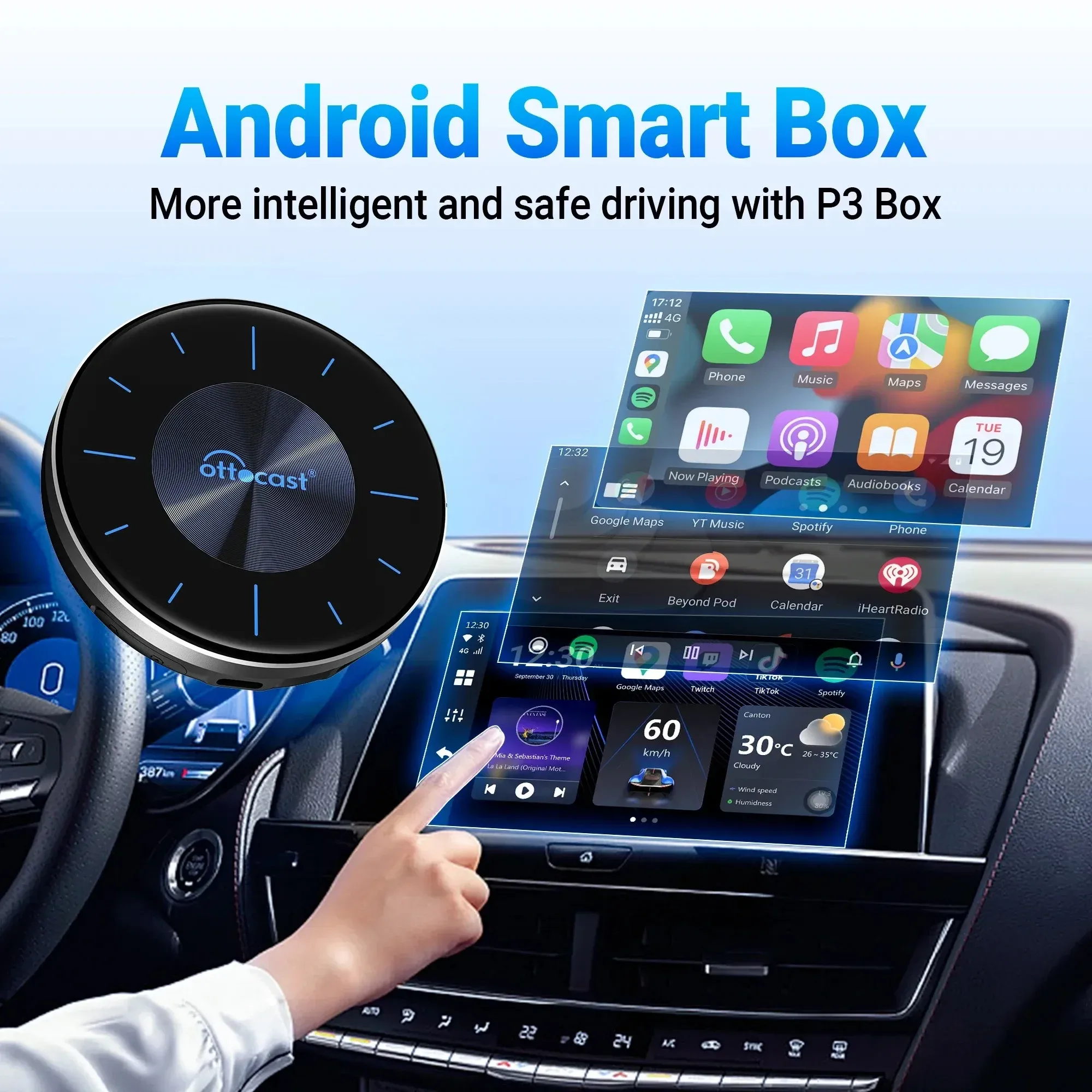
The biggest limitation is clearly stated: the car must have built-in wired CarPlay for activation. That means the P3 is not a universal Android box for every infotainment system, and buyers should verify compatibility before expecting a quick install.
Real customer feedback is still thin, with a small review sample and one report of repeated disconnects and reboots in a VW Tiguan 2 2019. That does not define every unit, but it does suggest cable quality, firmware stability, and vehicle compatibility deserve attention before relying on it for everyday driving.
Who gets the most value from it
The strongest fit is for owners of compatible Renault, Lada, Kia, Hyundai, and VW models who want wireless convenience without replacing the head unit. It is also appealing to users who like the idea of a connected cockpit with app storage, split-screen multitasking, and more flexible output options.
Drivers who only want a simple wireless CarPlay bridge may find the feature set more complex than necessary, while enthusiasts and retrofit shoppers will likely see the value in the extra hardware. The question is whether your car’s factory system can support it cleanly, because that decides how far the P3 can actually go.