









Turn an ordinary dashboard into a smarter command center
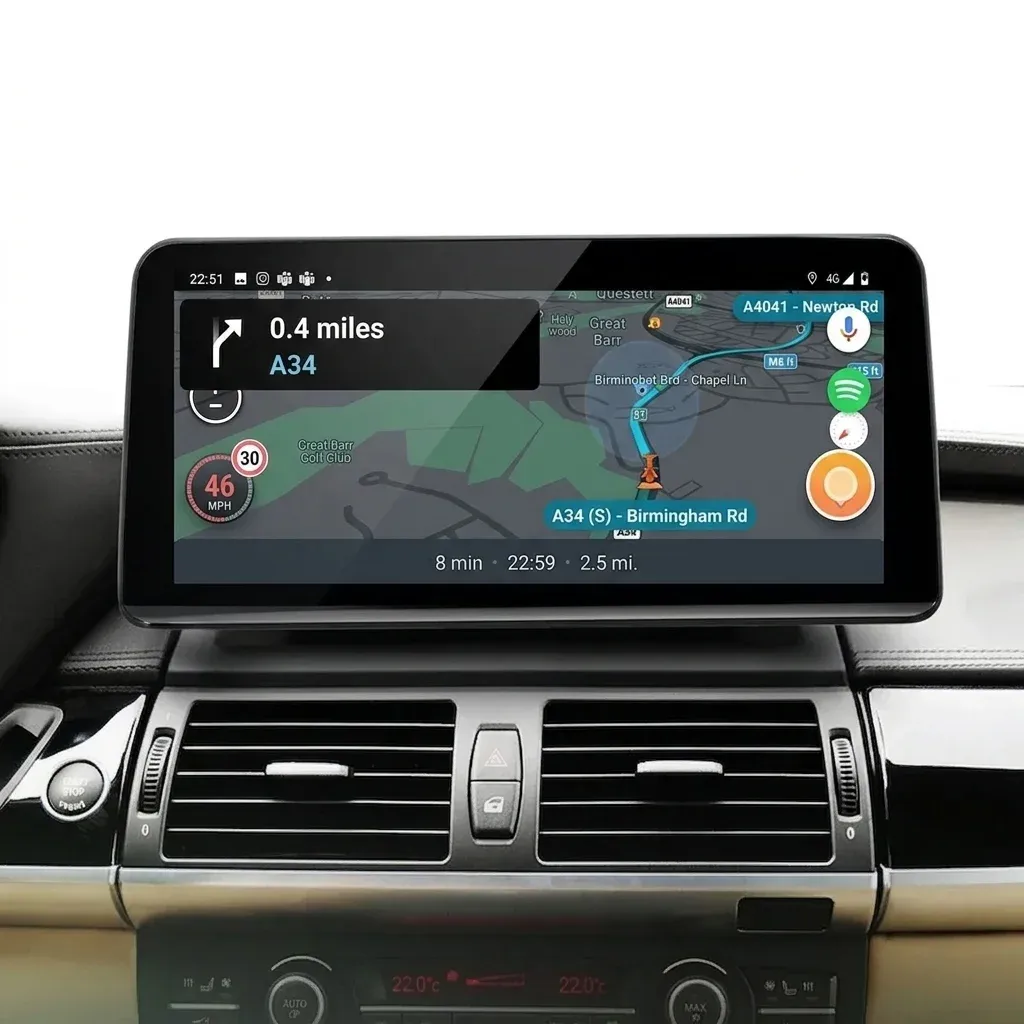
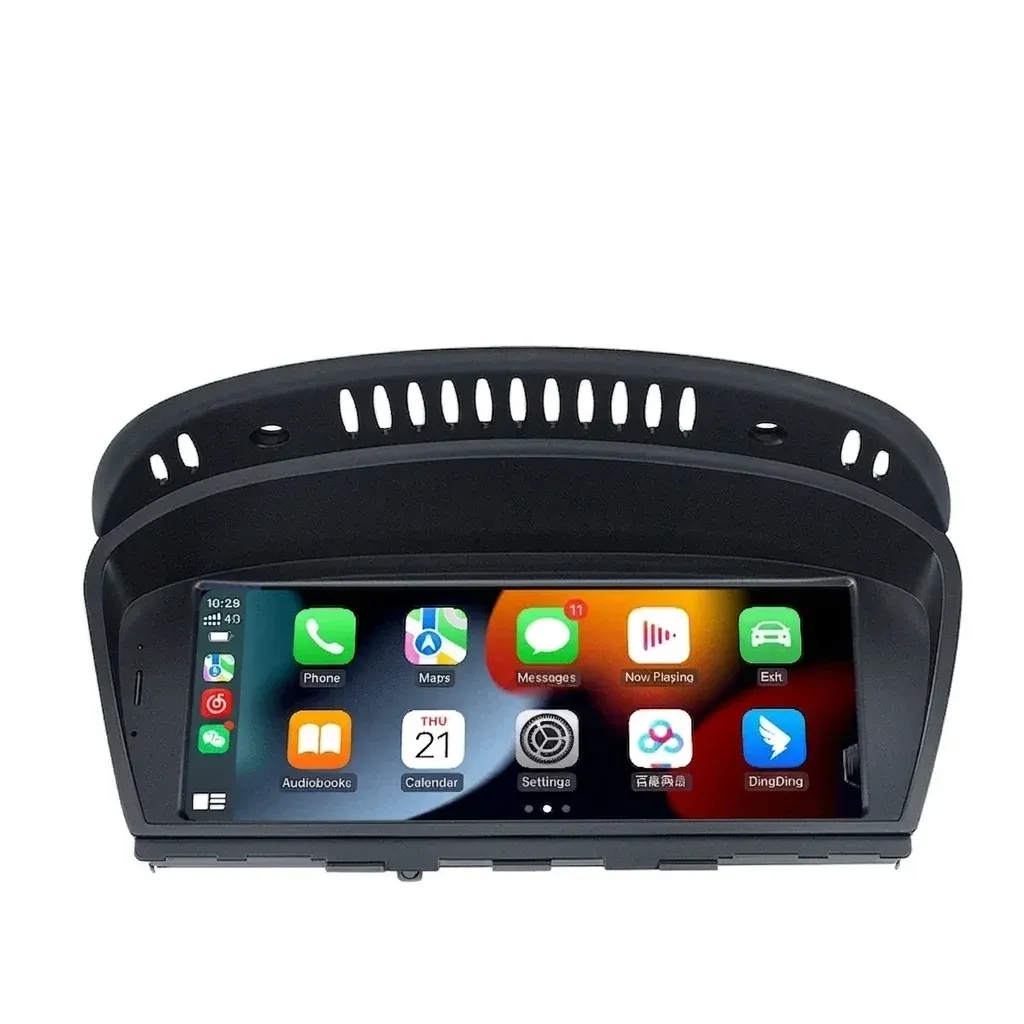
This portable screen solves a familiar problem: many cars still lack a modern infotainment interface, even when the rest of the vehicle is perfectly usable. The Ottocast unit adds a 10.26-inch Android display with touch control, voice features, and wireless connectivity, so the cabin feels updated without a full stereo swap.
According to users, the first impression is strong because the screen looks clean and the finish feels more polished than many generic portable units. That matters in an AliExpress car accessory, where fit, responsiveness, and overall presentation often separate a useful upgrade from a cluttered add-on.
What the 2.5K display changes on the road
The 2.5K panel gives this screen a sharper look than basic portable displays, which helps text, maps, and interface icons stay readable at a glance. The IPS capacitive touchscreen should also improve off-angle visibility, a practical advantage when the unit is mounted high on the dash or slightly tilted toward the driver.
That extra clarity is especially useful for navigation and split-screen use, where small interface elements can become hard to follow on lower-resolution units. If you are comparing it with entry-level CarPlay screens, this one is aimed at a more premium visual experience, so what happens when you start using the preinstalled apps?
Pre-installed entertainment, not an open app store

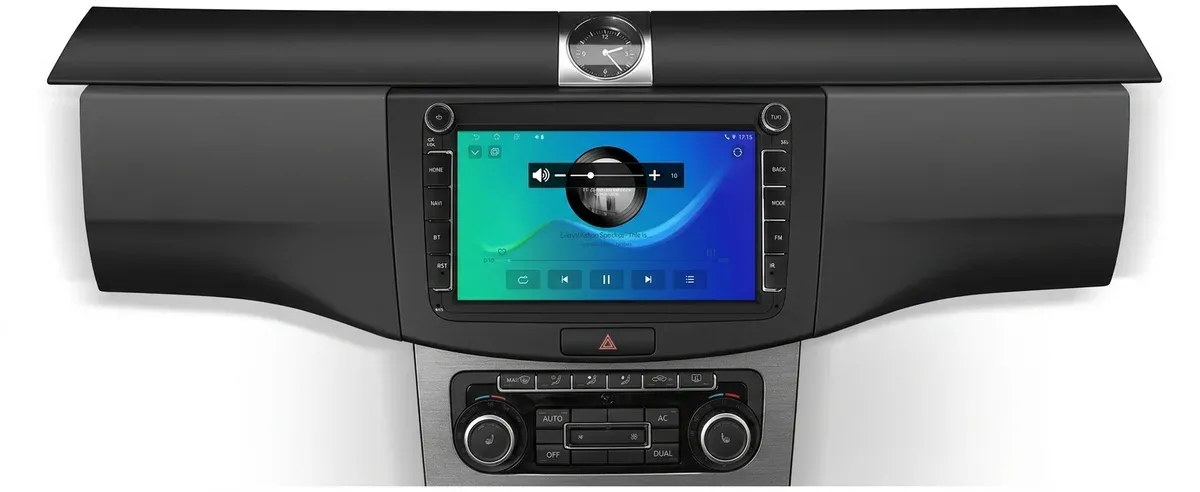
The biggest limitation is also one of its defining traits: the screen does not support downloading additional apps, so you work with the pre-installed ecosystem only. That makes it less flexible than a full Android tablet, but it also creates a more controlled setup that can feel simpler for drivers who want Netflix, YouTube, TikTok, music, and navigation in one place.
For short breaks, road-trip passengers, or parked use, this is a practical way to keep entertainment contained on the dash instead of relying on a phone. The built-in speaker and microphone, plus Bluetooth and Wi-Fi support, suggest a system designed for quick switching between media and calls, which leads into its driving-focused features.
CarPlay, Android Auto, and voice control in one portable unit
CarPlay and Android Auto support make this screen more relevant to everyday commuting than a standalone media tablet. Voice control, built-in GPS, and reversing input help it behave like a proper car accessory rather than a simple display, and that is where it starts to justify its place in a universal setup.
The universal fit and included mounting bracket make it easier to move between vehicles, which is useful for leased cars, older models, or family cars that need a temporary upgrade. The 5V/2A power input and car charger cable point to a low-power design, so the next question is how much installation friction to expect.
Installation is lighter than a head-unit replacement
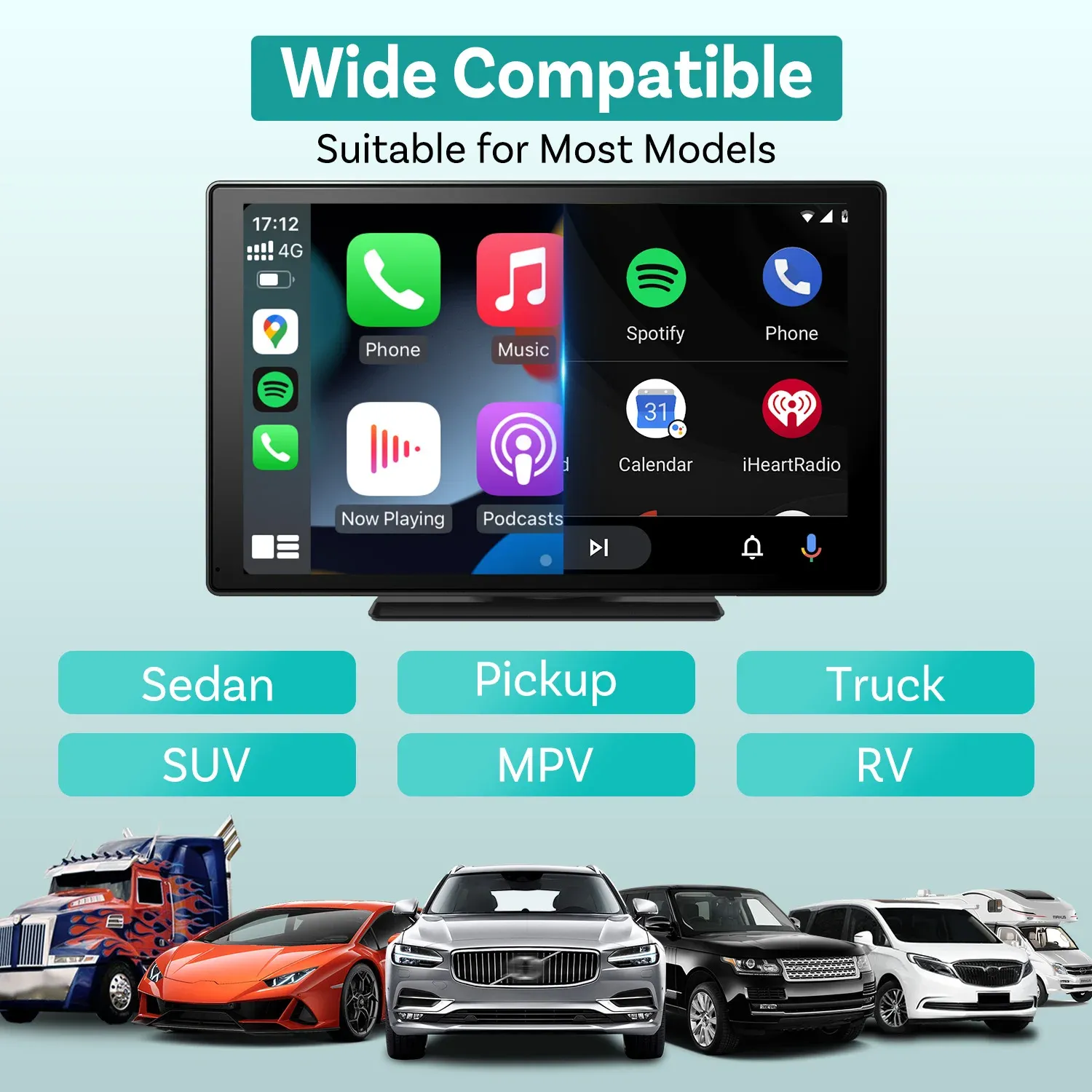
At 1 kg, the unit is not featherweight, but it is still far easier to manage than replacing an integrated factory dashboard system. The double-DIN style format, portable bracket, and 24V compatibility make it suitable for a wide range of vehicles, though the best results will come from dashboards with enough flat space for a stable mount.
The TF/Micro SD slot supports up to 256 GB, which is useful if you plan to store offline media or backup files instead of streaming everything over mobile data. Users mention good presentation and solid finishes, and that consistency matters here because a portable screen is always visible, not hidden in a console.
Where this screen fits best
This model makes the most sense for drivers who want a modern interface without dismantling the factory system or losing the option to move the screen later. It is also a strong fit for passengers who value a larger display for video apps, since the 10.26-inch size gives content more breathing room than a phone-mounted solution.
The trade-off is clear: you gain convenience, wireless connectivity, and a sharper display, but you give up the freedom of a fully open Android environment. For the right buyer, that balance feels intentional rather than restrictive, and the real appeal is how quickly the cabin starts to feel more current.