







A practical TPMS upgrade for drivers who need fewer warning lights
The THINKCAR THINKTPMS S3 is built for one job: restoring reliable tire-pressure monitoring when a sensor has failed, aged out, or stopped communicating. As a Mucar-branded accessory, it sits in the more dependable corner of the AliExpress car diagnostics niche, where compatibility and tool support matter as much as the hardware itself.
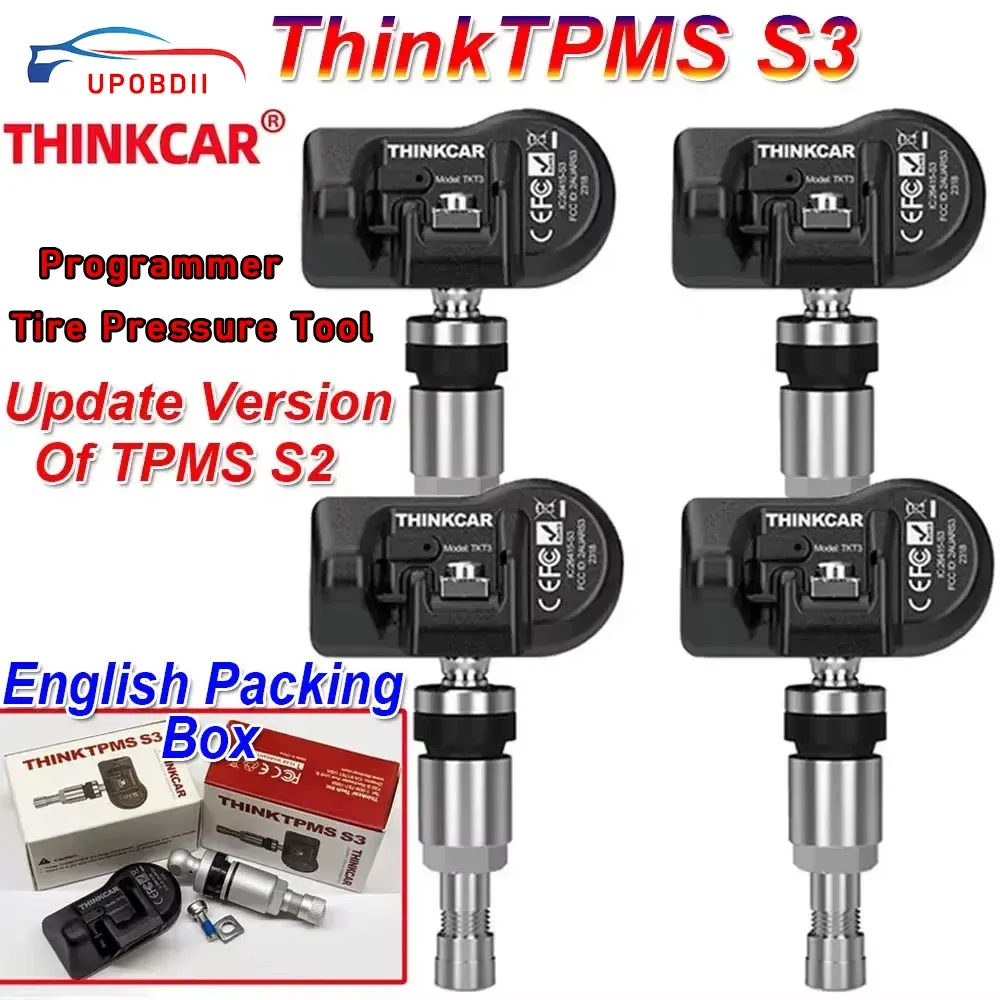
What makes it relevant is the move from S2 to S3, which keeps the same function and shape while switching to better aluminum materials. That matters in a wheel environment where heat, vibration, and road grime punish weak housings, so the upgrade is less about flashy features and more about staying stable under real driving conditions.
315MHz and 433MHz support: why that matters in the garage
This sensor is positioned for both major TPMS frequency bands, which gives it broader use across vehicle setups and reduces the chance of ordering the wrong part. For owners working with Thinkcar or Mucar TPMS tools, that flexibility can save time during programming because the sensor is meant to fit into an established diagnostic workflow, not a guess-and-check process.
In practice, dual-frequency support is useful for shops and home mechanics who service more than one vehicle family. It is also a strong sign that the product is aimed at replacement work rather than universal one-click convenience, so the pairing with the right tool is the part that decides success, not the sensor alone.
Programming behavior: the real test is not the box, it is the wheel
Customer feedback suggests the sensor can work well once programmed correctly, with one user noting that all four units eventually mounted, held pressure, and cleared the dashboard fault. That same review also shows the main limitation: programming may take longer than expected and can require repeated attempts, which is common for programmable TPMS parts rather than pre-coded OE replacements.
This makes the S3 most attractive for buyers who already own a compatible Thinkcar or Mucar TPMS tool and are comfortable doing a little troubleshooting. If you want a plug-and-forget solution, this is not that kind of part, and the product is better understood as a technician-friendly blank sensor that rewards careful setup.
What the upgraded materials change on the road
The move to aluminum-backed construction should improve the sensor’s feel and resistance compared with a more basic plastic-heavy design. In wheel service, that can translate into better confidence during installation, especially when the sensor is handled repeatedly or exposed to seasonal tire swaps.
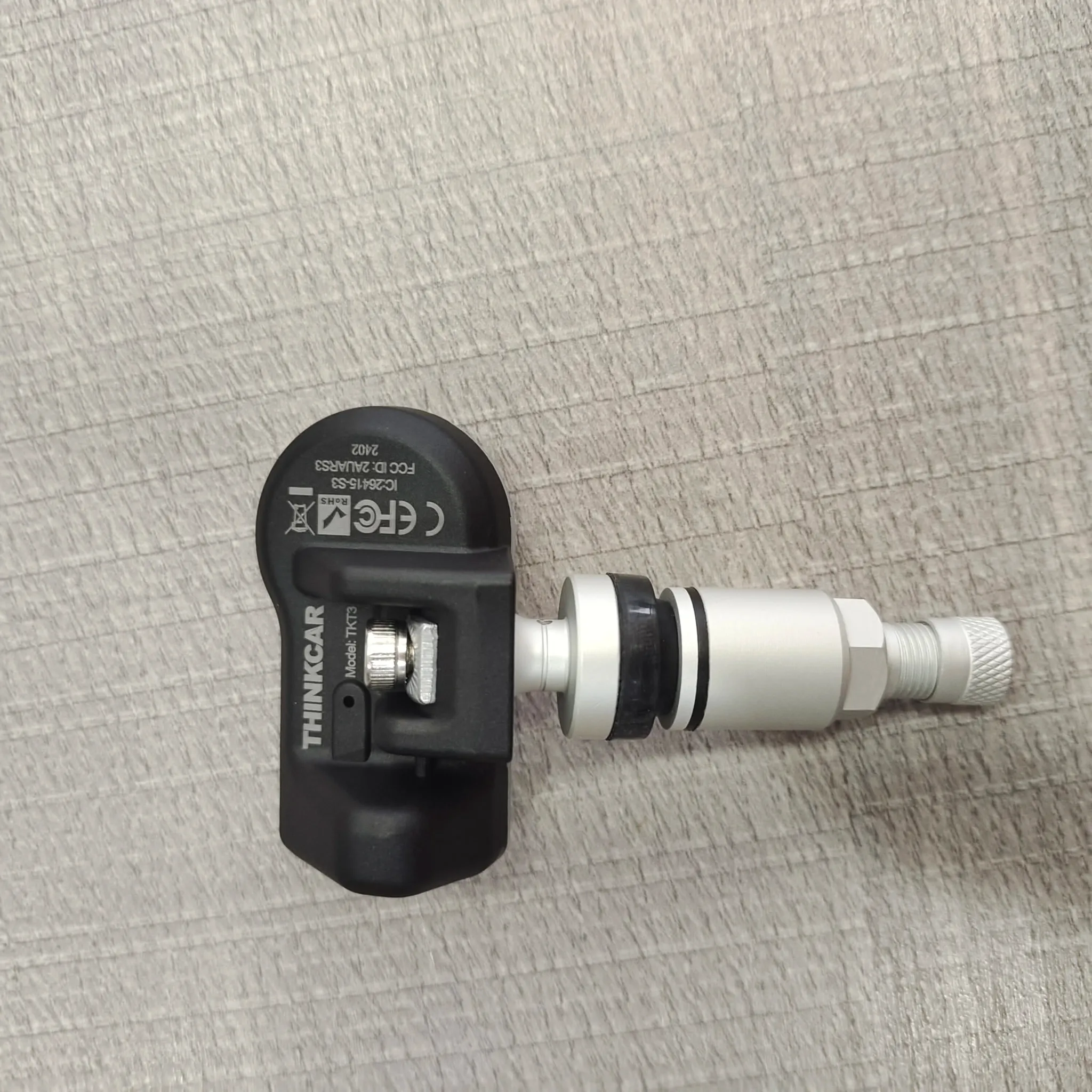
The unit is also compact, light, and powered with the battery included, so it is ready for the programming stage without extra sourcing. That convenience does not eliminate installation discipline, though, because TPMS failures often come from pairing errors, not from the shell itself, which is why the next section matters.
Who should choose it, and who should look elsewhere
This sensor fits drivers and small workshops that already use Thinkcar diagnostic hardware and want a cost-conscious replacement path. It is less compelling for buyers who need OEM-style simplicity, because the strongest results come from users who can confirm frequency, program the sensor, and verify pressure readings after mounting.
According to users, the payoff is solid when the process is handled correctly, but there are signs that quality control can vary between units. That means the S3 is best approached as a functional workshop part with good value potential, not as a premium sealed system, which raises one important question about consistency?