






TPMS faults become easier to isolate with a handheld Bluetooth workflow
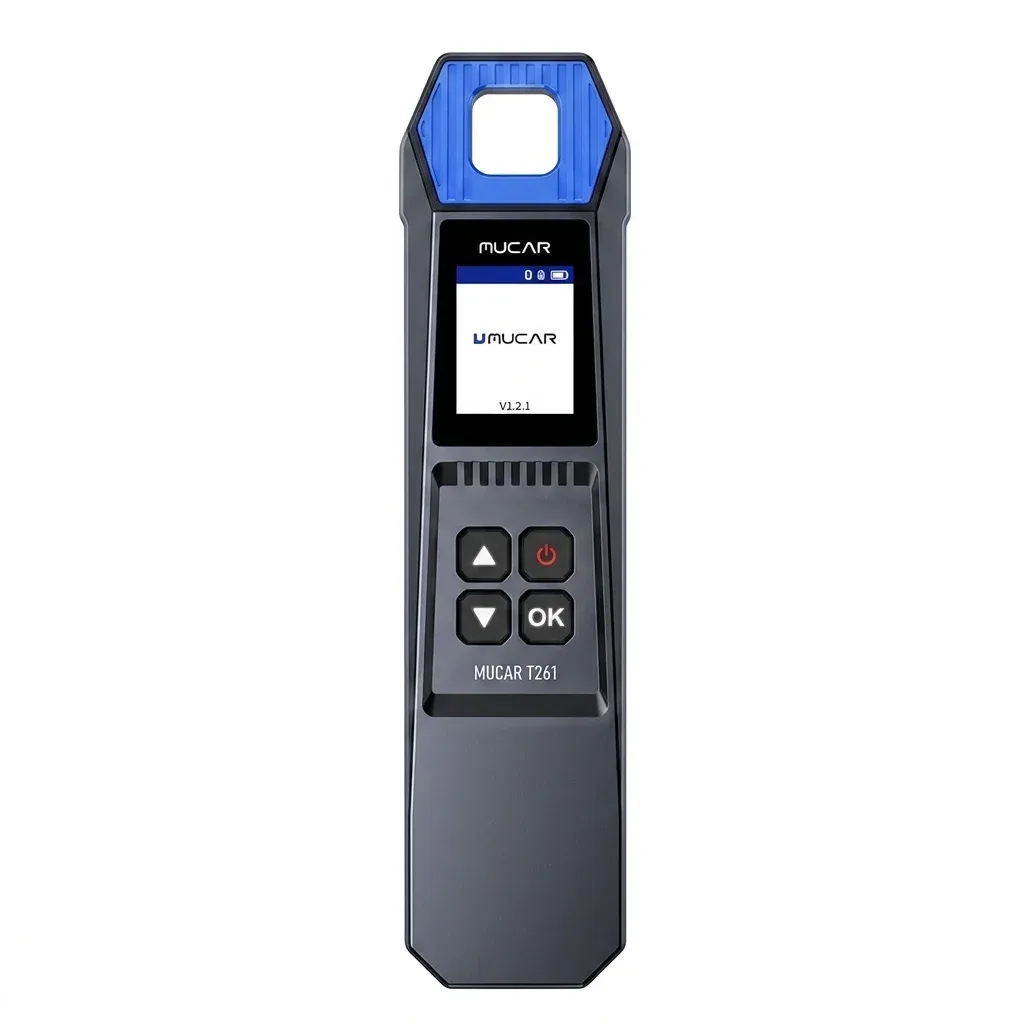
The MUCAR T261 is built for one job that often slows down tire service: identifying whether a TPMS issue comes from the sensor, the vehicle, or the relearn process. As a Mucar product, it follows the brand’s usual formula of app-connected diagnostics, practical update support, and broad compatibility within the AliExpress car-accessories niche.
That focus matters because tire-pressure warnings are often vague, while this tool gives technicians and DIY users a clearer path from alert light to action. The Bluetooth link keeps the setup compact, so the next question is whether its sensor coverage and software support are broad enough for real workshop use.
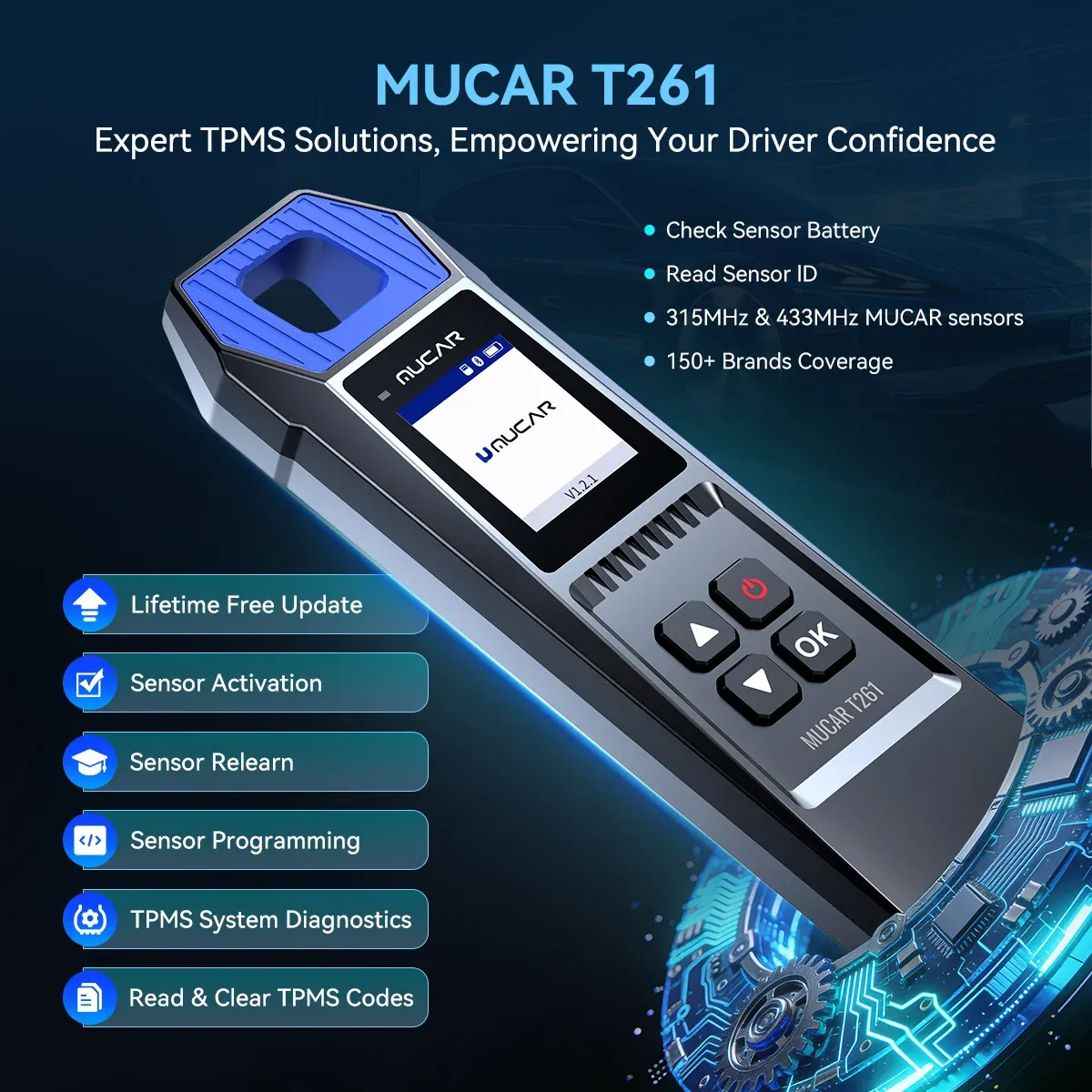
315MHz and 433MHz coverage covers the common TPMS landscape
The T261 works with both 315MHz and 433MHz sensors, which covers the frequency split used across many North American and global vehicles. In practice, that means fewer dead ends when you are checking a replacement sensor or trying to confirm whether the original unit is awake.
Users also report that the software updates help keep the vehicle list moving forward, which is important because newer models can be missing from older TPMS tools. One customer noted a version update from 1.3 to 2.0 and specifically called out a newer Kia model that still needed broader support, which suggests the update path is doing real work rather than sitting idle.
Activation, programming, and relearn in one compact unit
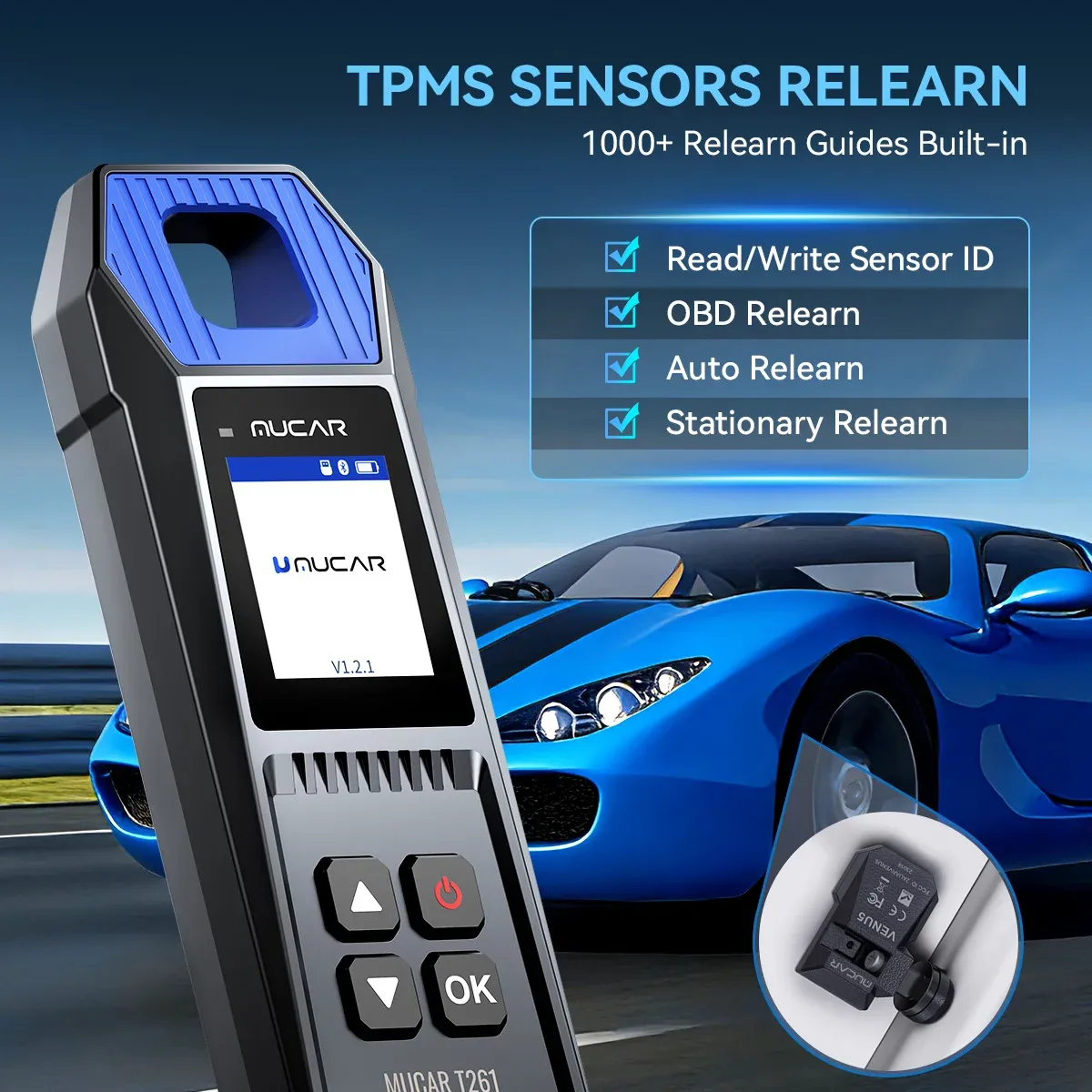
Instead of forcing you to juggle separate devices, the T261 combines sensor activation, programming, relearn, code reading, and code clearing in one workflow. That is useful after tire rotation or sensor replacement, when the difference between a quick relearn and a long troubleshooting session can come down to having the right tool ready.
The practical benefit is speed: you can wake a sensor, read its ID, check battery status, and move toward relearn without switching platforms. For workshops that already use THINKTOOL, THINKSCAN 689BT, or compatible MUCAR devices, this becomes a focused add-on rather than a standalone diagnostic island.
Bluetooth app control keeps the setup light and mobile
Because the T261 connects through Bluetooth to the Dollarfix app, the interface stays close to the vehicle instead of tethering you to a bench setup. That makes it easier to work at each wheel, especially when you are verifying sensor response after installation or checking whether a sensor is alive before reinstalling the tire.
The tradeoff is that the experience depends on app compatibility and the phone workflow, so users who prefer a fully self-contained screen device may want to compare it with larger scan tools. If your priority is portability and quick TPMS checks, the lighter approach is the point, not a limitation.
Best fit for sensor replacement, rotation, and quick verification
The strongest use cases are sensor replacement, tire rotation, OEM inspection, and independent sensor health checks. Those are exactly the moments when a TPMS tool saves time, because the problem is usually not the tire itself but the invisible electronics inside the wheel.
It is also worth noting the limitation in the product description: support is restricted to original factory and THINKCAR tire-pressure sensors. That makes the T261 more precise than universal-sounding alternatives, and it is the kind of detail serious buyers should check before adding it to a service kit.
What the early feedback suggests
Real customer feedback is still limited, but the available reviews are strongly positive with a 4.8 average rating. That small sample points to a tool that satisfies buyers who need current vehicle coverage and dependable update support, rather than a feature-heavy gadget that looks better on paper than in the bay.
For readers of AliExpress United States, the T261 stands out as a focused TPMS accessory with a useful update path, practical Bluetooth control, and enough frequency coverage to handle common sensor work. The main question is not whether it can do TPMS service, but whether your sensor ecosystem matches its supported list.