








More reach when the OBD port is awkwardly placed
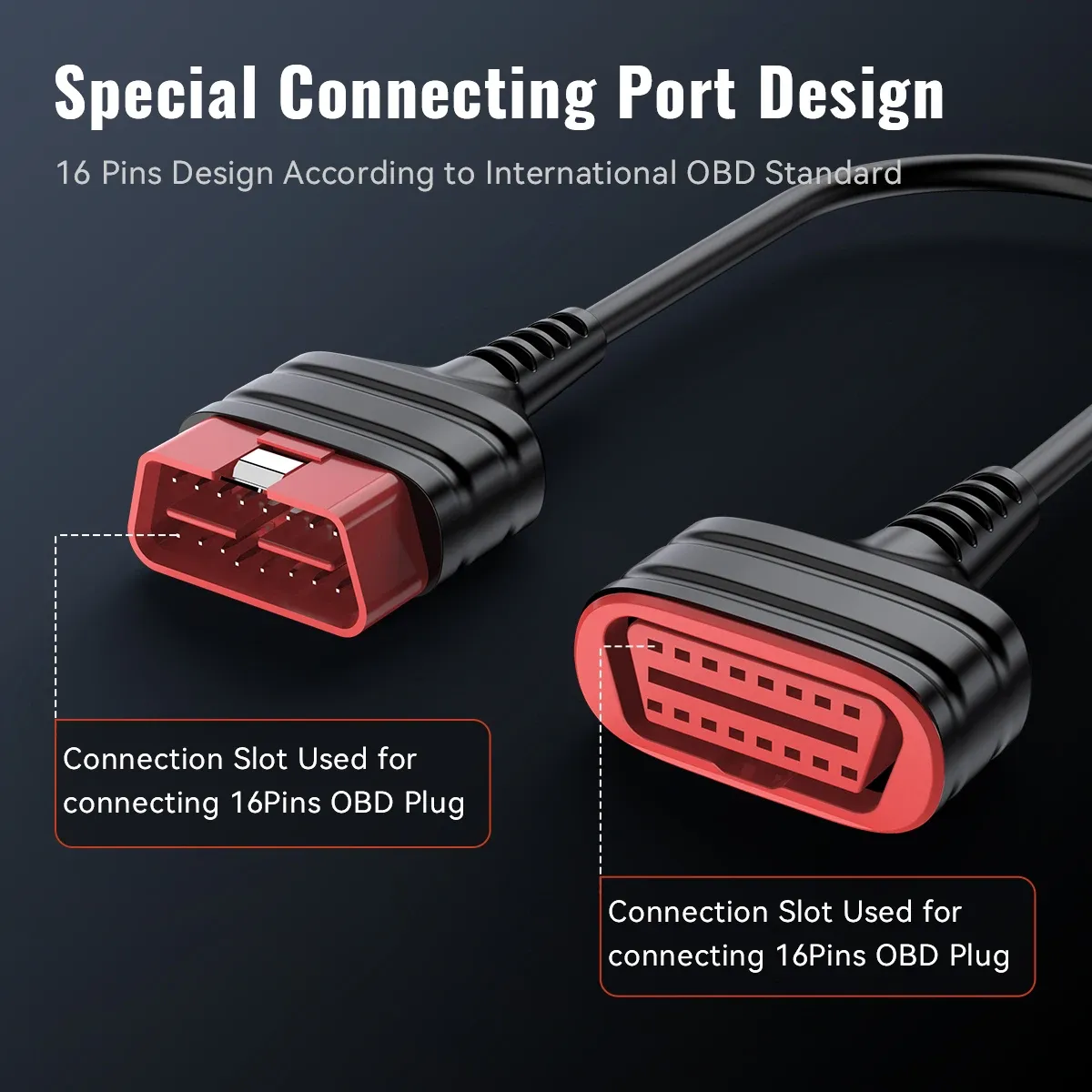
This cable solves a simple workshop problem: the diagnostic port is often tucked under a dash, near pedals, or in a tight console space. By adding 60 cm of extension, it lets the scanner sit where you can see the screen and move the cable without straining the connector.
That extra distance matters most during long sessions, when you want the tablet or handheld unit away from your knees and steering column. For users who switch between quick fault checks and deeper system scans, the added flexibility feels more useful than it sounds, so how well is the connector built?
ABS and metal construction for repeated use
The body combines ABS and metal, which is a sensible pairing for a cable that will be plugged and unplugged often. The metal contacts should help maintain a firmer connection, while the ABS shell keeps the adapter light at just 0.2 kg and easy to carry in a glove box or tool bag.
This is not a flashy accessory, but it is the kind that can reduce wear on the vehicle’s original port by taking the daily insertion stress. For users who run diagnostics on multiple cars, that protection can be more valuable than a shorter, stiffer lead, especially when the cable is moved around a busy bay.
Built for Thinkcar and Mucar scan tools, not general electronics
Compatibility is the main reason to consider this extender, because it is aimed at Thinkdiag BT200, THINKDIAG MINI, THINKDRIVER, MUCAR VO7S, VO6, and VO8 devices. That focus makes it more relevant than generic OBD2 leads, since diagnostic tools can be picky about connector fit and cable stability.
The listing shows CCC, CE, RoHS, eec, and iso9001 certifications, which suggests a more controlled manufacturing process than the average no-name extender. AliExpress United States readers who already own a compatible scanner will likely appreciate the plug-and-use simplicity, but the one thing worth checking first is the exact pin layout on your device.
What the review data suggests about real-world use
Customer feedback is limited, but the average rating sits at 4.2 out of 5, which points to a generally positive experience. One user praised fast delivery and accuracy to description, while one negative note mentioned a mismatch with the photo, so checking the seller images and connector style is still smart before adding it to your setup.
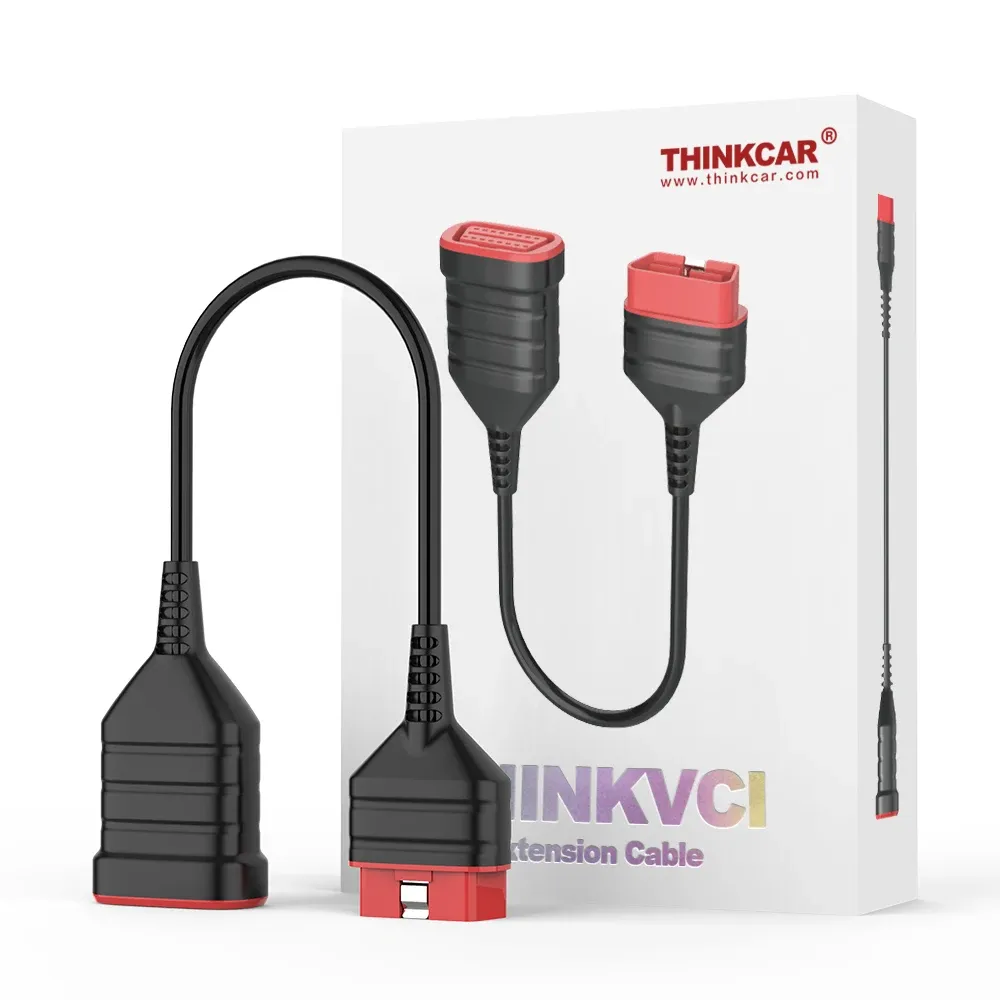
That pattern usually means the product does its job well when the compatibility is right, but expectations need to stay tied to the exact model. If you want a compact accessory that improves ergonomics more than performance, this kind of extender can be a small upgrade with a noticeable day-to-day effect, and the next question is whether it is worth the asking value.
Where it makes the most sense in a diagnostic kit
At this level, the cable is best understood as a workflow tool rather than a performance part. It is useful for roadside checks, garage diagnostics, and situations where the scanner needs to stay visible while the technician reaches under the dash or watches live data.
The value is strongest for owners who already rely on Thinkcar or Mucar scan hardware and want a cleaner setup without investing in a larger accessory kit. If your current cable feels too short or too stiff, this extender is the kind of small detail that can make the whole diagnostic session feel easier, so what should you watch for before choosing it?